State Key Laboratory of Silkworm Genome Biology, School of Materials and Energy, Southwest University, Chongqing 400715, China.
Chongqing Key Laboratory of Ultrasound Molecular Imaging, Institute of Ultrasound Imaging, Second Affiliated Hospital, Chongqing Medical University, Chongqing 400010, China.
Theranostics. 2021 Sep 13;11(19):9470-9491. doi: 10.7150/thno.62984. eCollection 2021.
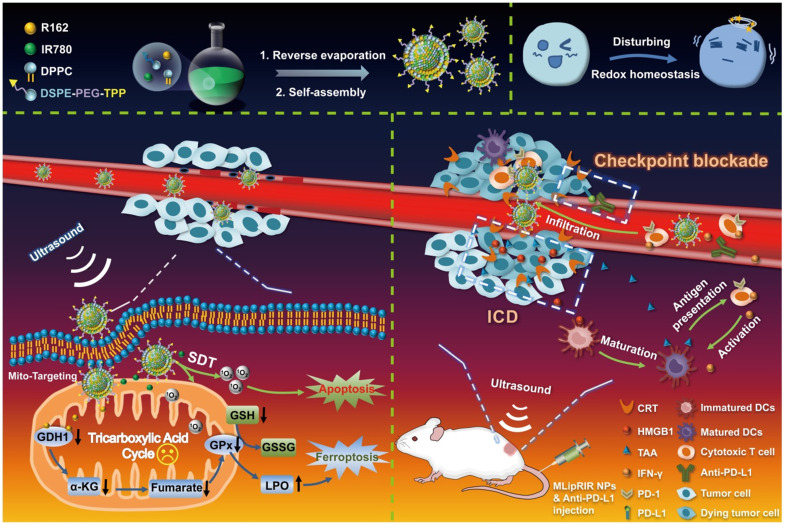
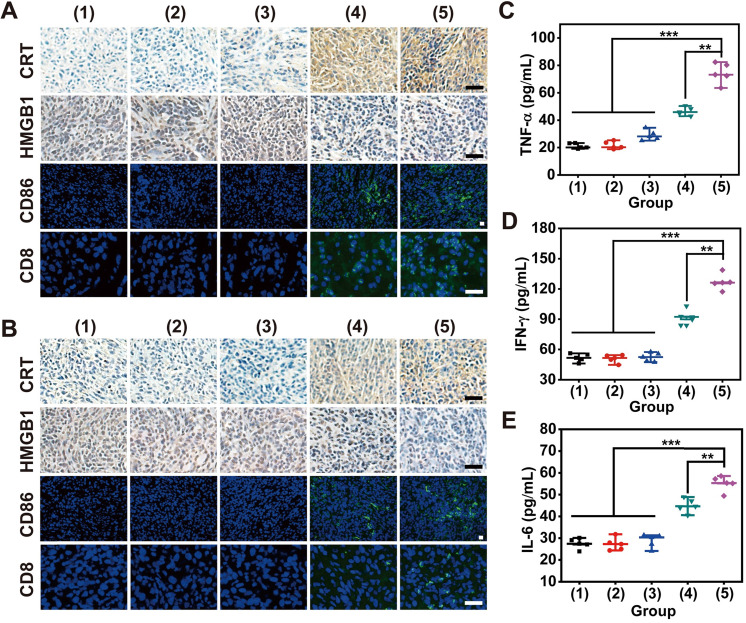
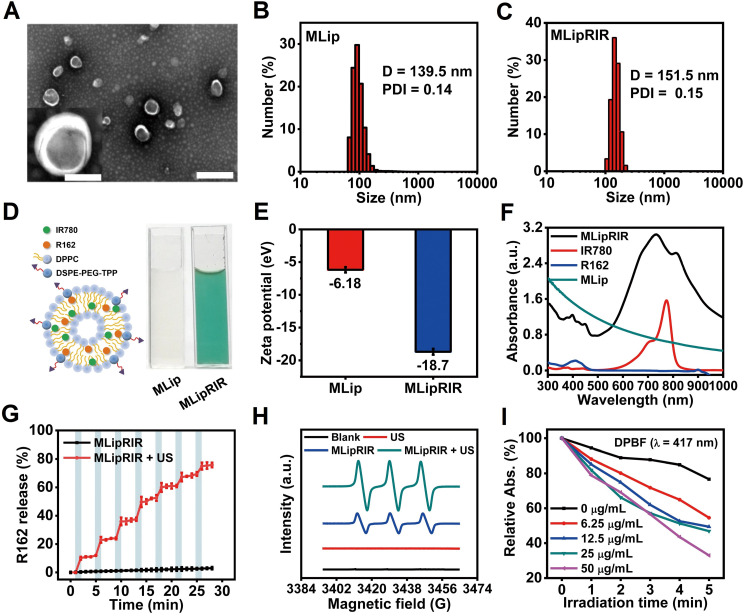
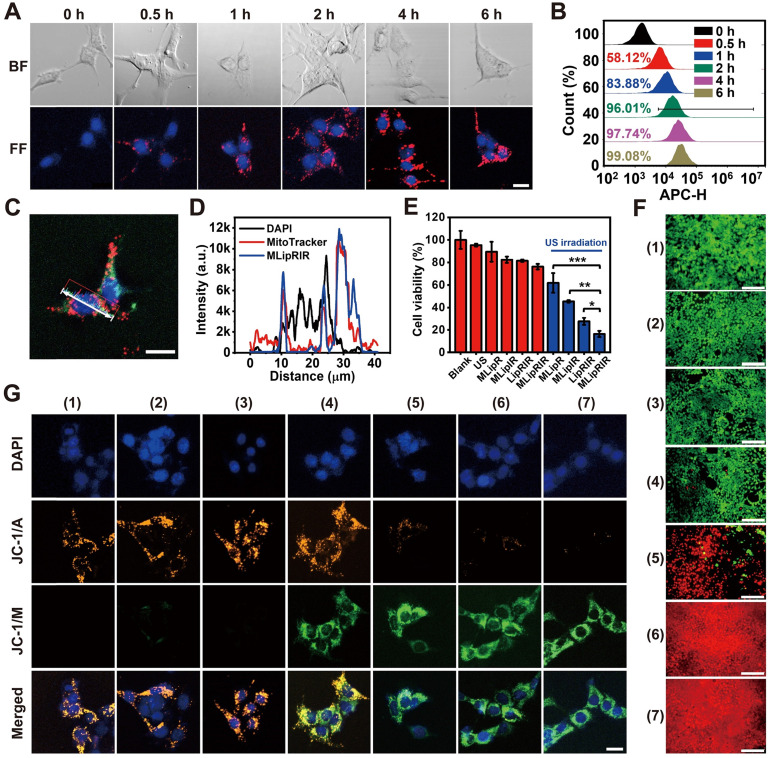
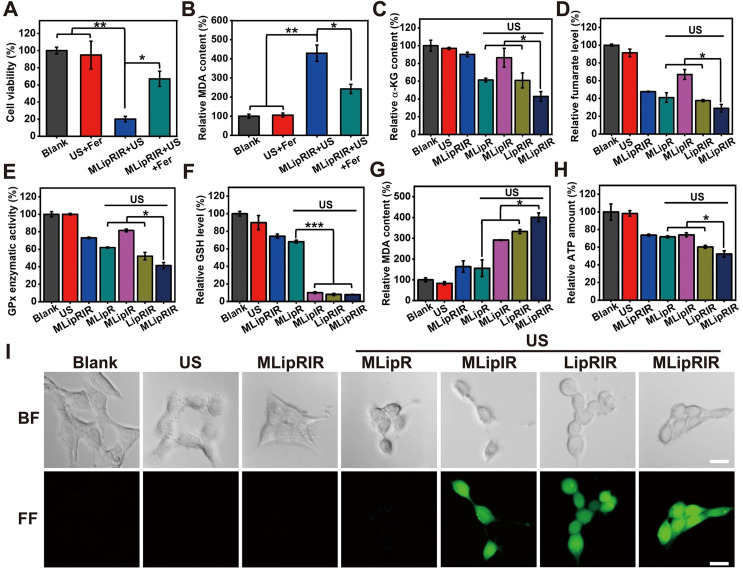
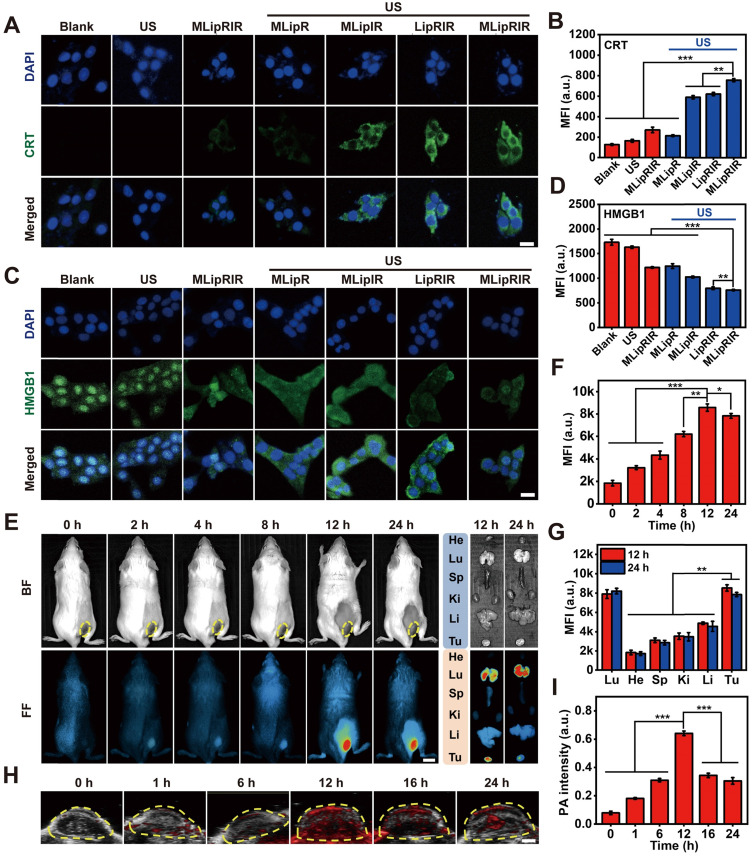
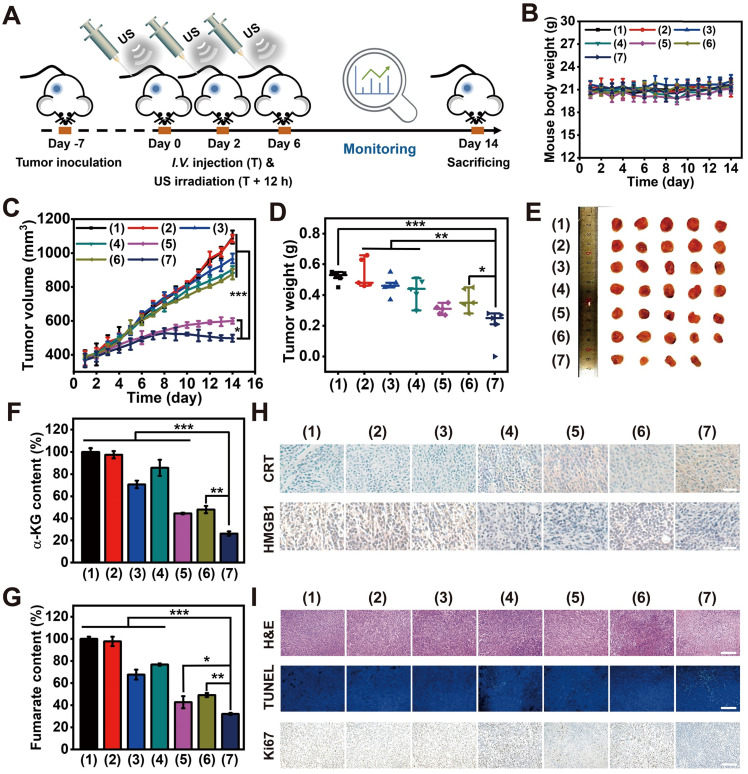
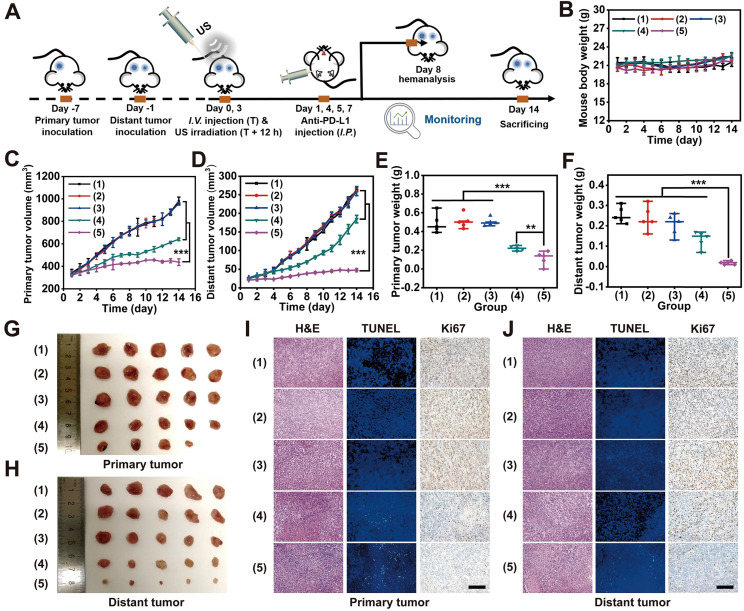
An imbalance in redox homeostasis consistently inhibits tumor cell proliferation and further causes tumor regression. Thus, synchronous glutaminolysis inhibition and intracellular reactive oxygen (ROS) accumulation cause severe redox dyshomeostasis, which may potentially become a new therapeutic strategy to effectively combat cancer. Mitochondrial-targeting liposomal nanoparticles (abbreviated MLipRIR NPs) are synthesized by the encapsulation of R162 (inhibitor of glutamate dehydrogenase 1 [GDH1]) and IR780 (a hydrophobic sonosensitizer) within the lipid bilayer, which are exploited for ultrasound (US)-activated tumor dyshomeostasis therapy reinforced by immunogenic cell death (ICD). R162 released from MLipRIR NPs disrupts the glutaminolysis pathway in mitochondria, resulting in downregulated enzymatic activity of glutathione peroxidase (GPx). In addition, loaded IR780 can generate high levels of ROS under US irradiation, which not only interrupts mitochondrial respiration to induce apoptosis but also consumes local glutathione (GSH). GSH depletion accompanied by GPx deactivation causes severe ferroptosis of tumor cells through the accumulation of lipid peroxides. Such intracellular redox dyshomeostasis effectively triggers immunogenic cell death (ICD), which can activate antitumor immunity for the suppression of both primary and distant tumors with the aid of immune checkpoint blockade. Taking advantage of multimodal imaging for therapy guidance, this nanoplatform may potentiate systemic tumor eradication with high certainty. Taken together, this state-of-the-art paradigm may provide useful insights for cancer management by disrupting redox homeostasis.
氧化还原平衡失调会持续抑制肿瘤细胞增殖,进而导致肿瘤消退。因此,同步抑制谷氨酰胺分解和细胞内活性氧(ROS)积累会导致严重的氧化还原失衡,这可能成为一种新的治疗策略,以有效对抗癌症。
通过将 R162(谷氨酸脱氢酶 1 [GDH1]抑制剂)和 IR780(疏水性声敏剂)包封在脂质双层内合成线粒体靶向脂质体纳米颗粒(缩写为 MLipRIR NPs),用于超声(US)激活的肿瘤失衡治疗,通过免疫原性细胞死亡(ICD)得到强化。MLipRIR NPs 释放的 R162 破坏线粒体中的谷氨酰胺分解途径,导致谷胱甘肽过氧化物酶(GPx)的酶活性下调。此外,负载的 IR780 在 US 照射下可以产生高水平的 ROS,不仅中断线粒体呼吸诱导细胞凋亡,还消耗局部谷胱甘肽(GSH)。GSH 耗竭伴随着 GPx 失活,通过脂质过氧化物的积累导致肿瘤细胞发生严重的铁死亡。这种细胞内氧化还原失衡有效地引发免疫原性细胞死亡(ICD),通过免疫检查点阻断激活抗肿瘤免疫,抑制原发和远处肿瘤。
利用治疗指导的多模态成像,这种纳米平台可能通过高确定性增强全身肿瘤消除。综上所述,这种最先进的范例通过破坏氧化还原平衡为癌症管理提供了有用的见解。