Sen Shibaprasad, Saha Soumyajit, Chatterjee Somnath, Mirjalili Seyedali, Sarkar Ram
Department of Computer Science and Engineering, University of Engineering & Management, Kolkata, 700160 India.
Department of Computer Science and Engineering, Future Institute of Engineering and Management, Kolkata, 700150 India.
Appl Intell (Dordr). 2021;51(12):8985-9000. doi: 10.1007/s10489-021-02292-8. Epub 2021 Apr 19.
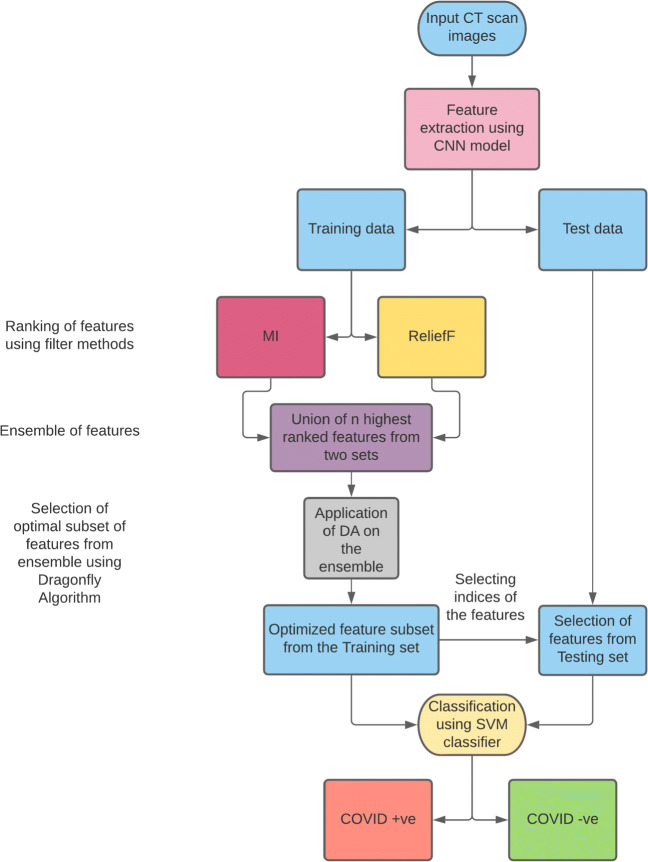
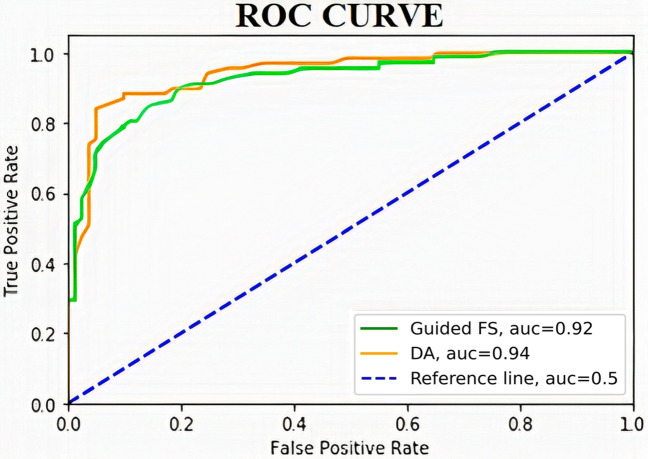
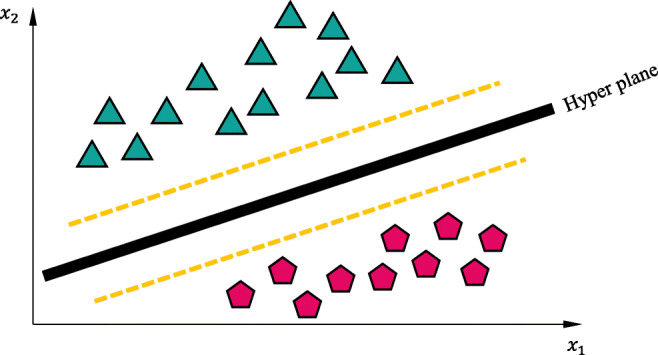
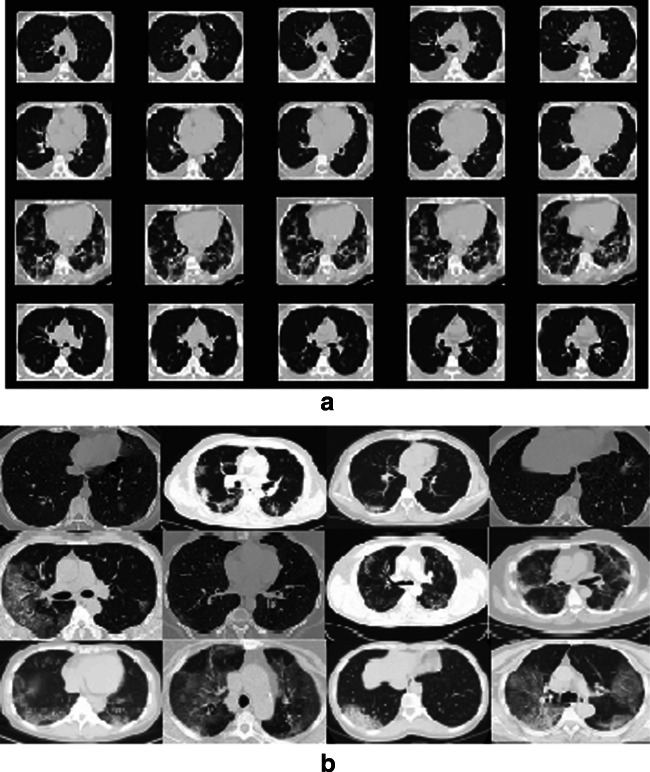
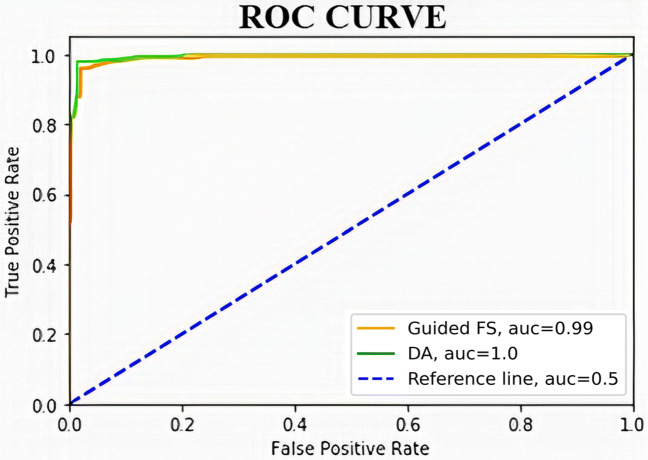
The rapid spread of coronavirus disease has become an example of the worst disruptive disasters of the century around the globe. To fight against the spread of this virus, clinical image analysis of chest CT (computed tomography) images can play an important role for an accurate diagnostic. In the present work, a bi-modular hybrid model is proposed to detect COVID-19 from the chest CT images. In the first module, we have used a Convolutional Neural Network (CNN) architecture to extract features from the chest CT images. In the second module, we have used a bi-stage feature selection (FS) approach to find out the most relevant features for the prediction of COVID and non-COVID cases from the chest CT images. At the first stage of FS, we have applied a guided FS methodology by employing two filter methods: Mutual Information (MI) and Relief-F, for the initial screening of the features obtained from the CNN model. In the second stage, Dragonfly algorithm (DA) has been used for the further selection of most relevant features. The final feature set has been used for the classification of the COVID-19 and non-COVID chest CT images using the Support Vector Machine (SVM) classifier. The proposed model has been tested on two open-access datasets: SARS-CoV-2 CT images and COVID-CT datasets and the model shows substantial prediction rates of 98.39% and 90.0% on the said datasets respectively. The proposed model has been compared with a few past works for the prediction of COVID-19 cases. The supporting codes are uploaded in the Github link: https://github.com/Soumyajit-Saha/A-Bi-Stage-Feature-Selection-on-Covid-19-Dataset.
新型冠状病毒病的迅速传播已成为全球本世纪最具破坏性的灾难之一。为了对抗这种病毒的传播,胸部CT(计算机断层扫描)图像的临床图像分析对于准确诊断可发挥重要作用。在当前工作中,提出了一种双模块混合模型来从胸部CT图像中检测新型冠状病毒肺炎。在第一个模块中,我们使用卷积神经网络(CNN)架构从胸部CT图像中提取特征。在第二个模块中,我们使用双阶段特征选择(FS)方法从胸部CT图像中找出预测新型冠状病毒肺炎和非新型冠状病毒肺炎病例最相关的特征。在特征选择的第一阶段,我们通过采用互信息(MI)和Relief-F这两种滤波方法应用了一种引导式特征选择方法,对从CNN模型获得的特征进行初始筛选。在第二阶段,使用蜻蜓算法(DA)进一步选择最相关的特征。最终的特征集已用于使用支持向量机(SVM)分类器对新型冠状病毒肺炎和非新型冠状病毒肺炎胸部CT图像进行分类。所提出的模型已在两个开放获取数据集上进行测试:SARS-CoV-2 CT图像数据集和COVID-CT数据集,该模型在上述数据集上分别显示出98.39%和90.0%的显著预测率。所提出的模型已与过去一些用于预测新型冠状病毒肺炎病例的工作进行了比较。支持代码已上传至Github链接:https://github.com/Soumyajit-Saha/A-Bi-Stage-Feature-Selection-on-Covid-19-Dataset 。