Department of Chemical and Biomolecular Engineering, Vanderbilt University, Nashville, TN, USA.
Department of Pathology, Microbiology, and Immunology, Vanderbilt University Medical Center, Nashville, TN, USA.
Cell Commun Signal. 2021 Oct 16;19(1):104. doi: 10.1186/s12964-021-00787-y.
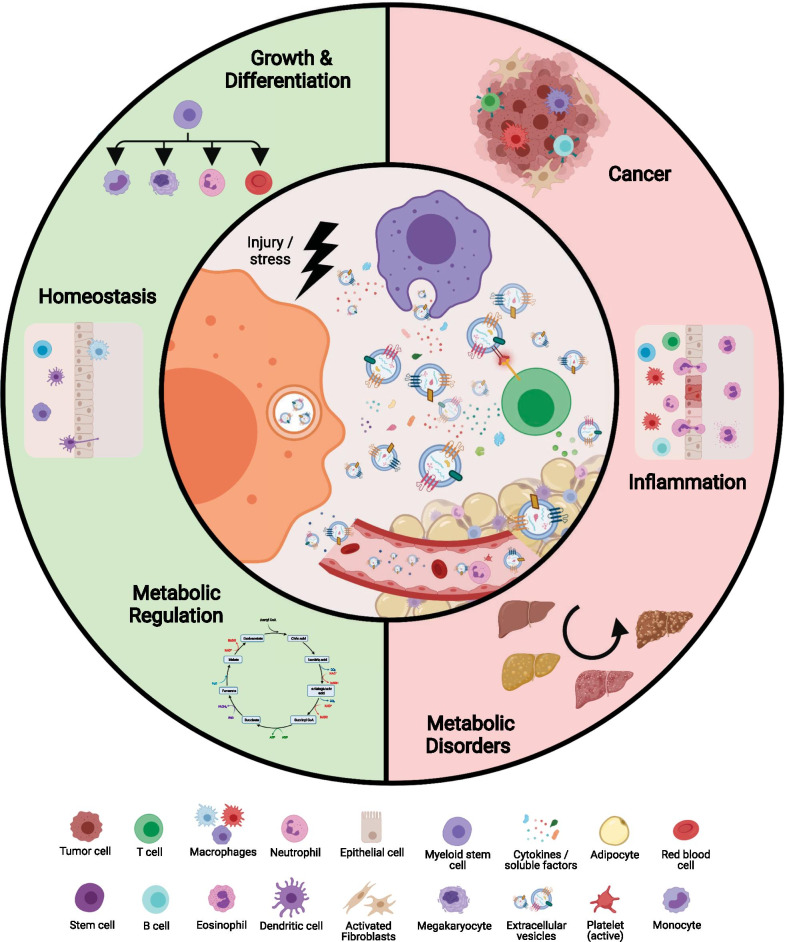
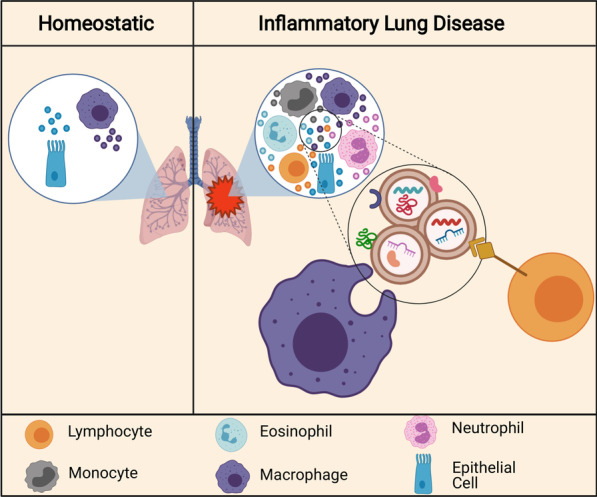
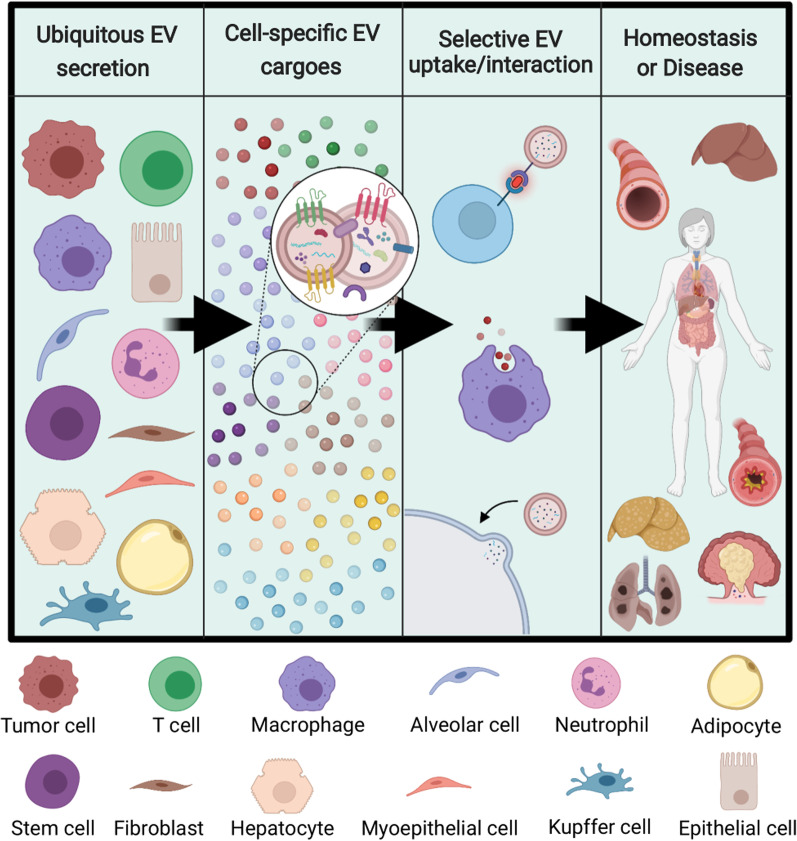
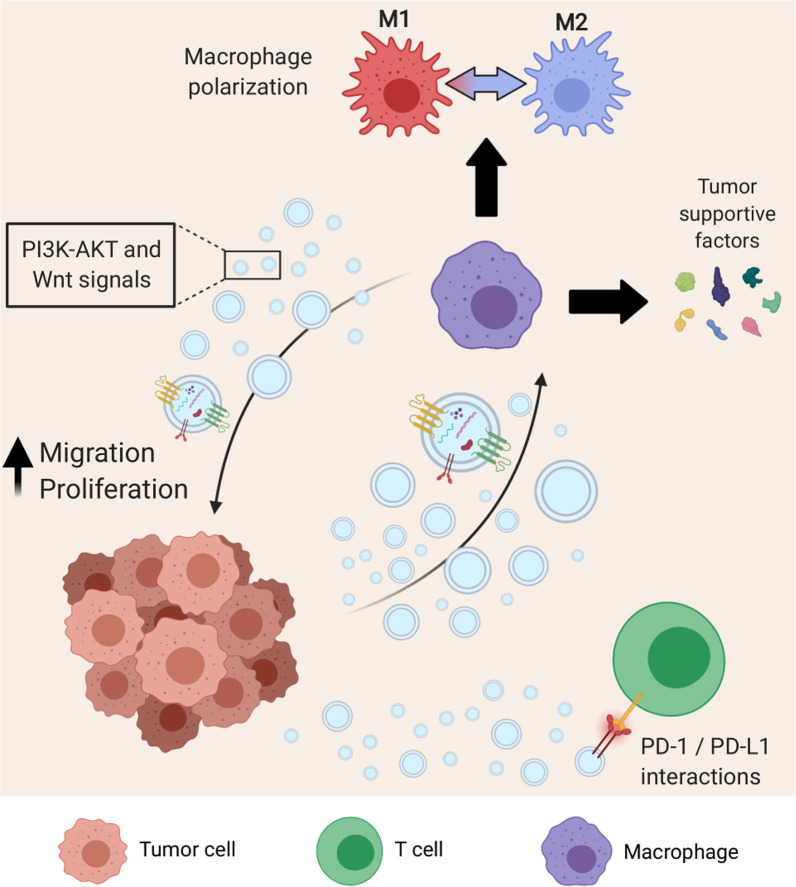
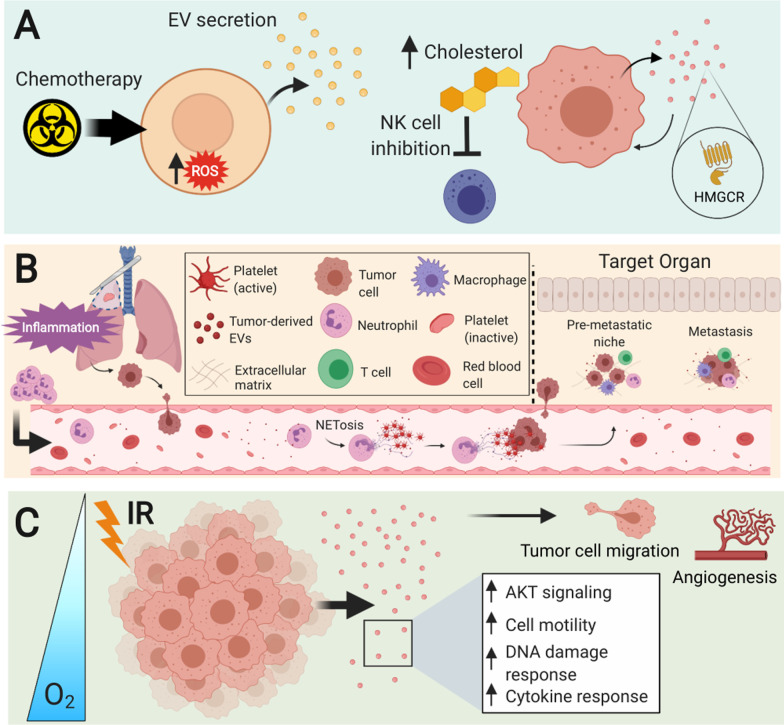
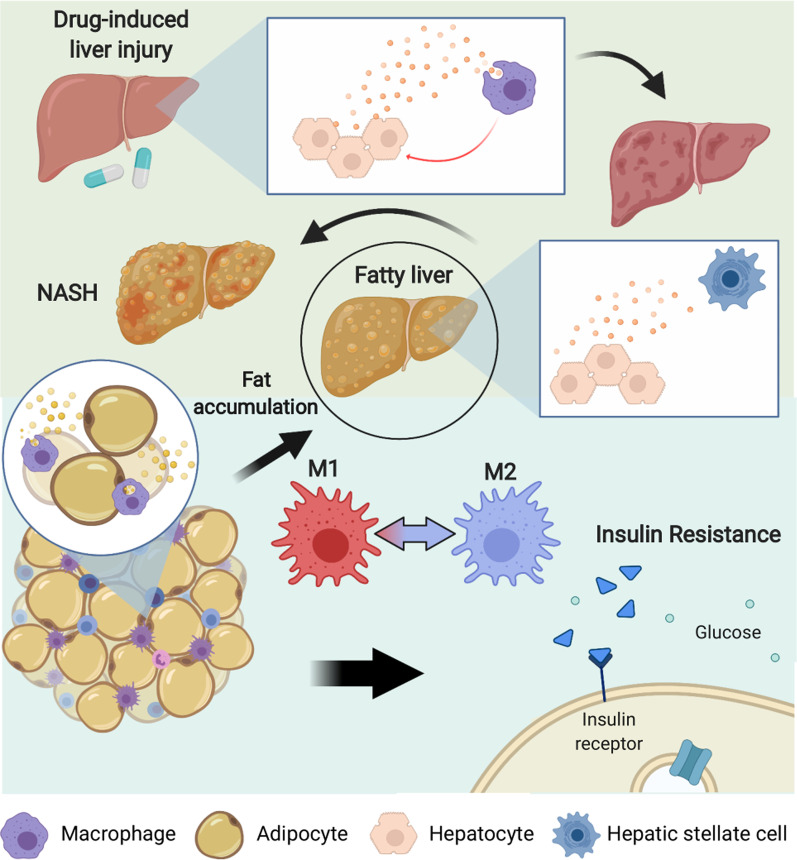
Intercellular communication is a critical process that ensures cooperation between distinct cell types and maintains homeostasis. EVs, which were initially described as cellular debris and devoid of biological function, are now recognized as key components in cell-cell communication. EVs are known to carry multiple factors derived from their cell of origin, including cytokines and chemokines, active enzymes, metabolites, nucleic acids, and surface molecules, that can alter the behavior of recipient cells. Since the cargo of EVs reflects their parental cells, EVs from damaged and dysfunctional tissue environments offer an abundance of information toward elucidating the molecular mechanisms of various diseases and pathological conditions. In this review, we discuss the most recent findings regarding the role of EVs in the progression of cancer, metabolic disorders, and inflammatory lung diseases given the high prevalence of these conditions worldwide and the important role that intercellular communication between immune, parenchymal, and stromal cells plays in the development of these pathological states. We also consider the clinical applications of EVs, including the possibilities for their use as novel therapeutics. While intercellular communication through extracellular vesicles (EVs) is key for physiological processes and tissue homeostasis, injury and stress result in altered communication patterns in the tissue microenvironment. When left unchecked, EV-mediated interactions between stromal, immune, and parenchymal cells lead to the development of disease states Video Abstract.
细胞间通讯是确保不同类型细胞之间合作并维持体内平衡的关键过程。细胞外囊泡(EVs)最初被描述为细胞碎片,没有生物功能,现在被认为是细胞间通讯的关键组成部分。EVs 已知携带多种源自其起源细胞的因子,包括细胞因子和趋化因子、活性酶、代谢物、核酸和表面分子,这些因子可以改变受体细胞的行为。由于 EV 的货物反映了其亲代细胞,因此来自受损和功能失调的组织环境的 EV 提供了大量信息,有助于阐明各种疾病和病理状况的分子机制。在这篇综述中,我们讨论了 EV 在癌症、代谢紊乱和炎症性肺部疾病进展中的最新发现,考虑到这些疾病在全球的高患病率以及免疫、实质和基质细胞之间的细胞间通讯在这些病理状态发展中的重要作用。我们还考虑了 EV 的临床应用,包括将其用作新型治疗方法的可能性。虽然通过细胞外囊泡(EVs)进行细胞间通讯对于生理过程和组织内稳态至关重要,但损伤和应激会导致组织微环境中通讯模式的改变。如果不加控制,基质细胞、免疫细胞和实质细胞之间的 EV 介导的相互作用会导致疾病状态的发展。