Department of Pharmacology and Toxicology, National Institute of Pharmaceutical Education and Research (NIPER)-Guwahati, Changsari, Kamrup 781101, Assam, India.
Department of Pharmacology, School of Pharmaceutical Sciences, Lovely Professional University, Phagwara 144411, Punjab, India.
Molecules. 2021 Oct 26;26(21):6456. doi: 10.3390/molecules26216456.
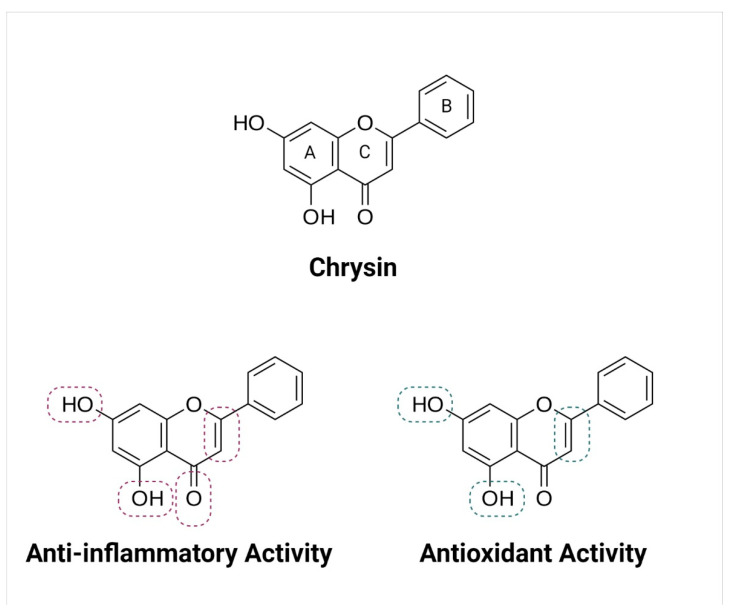
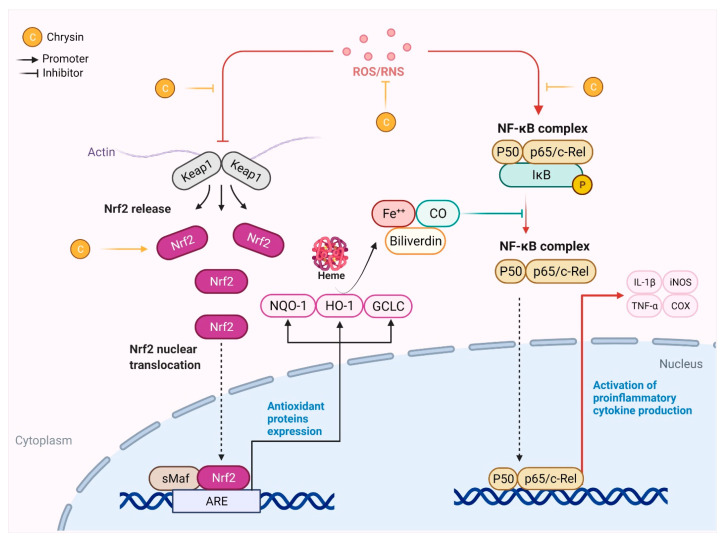
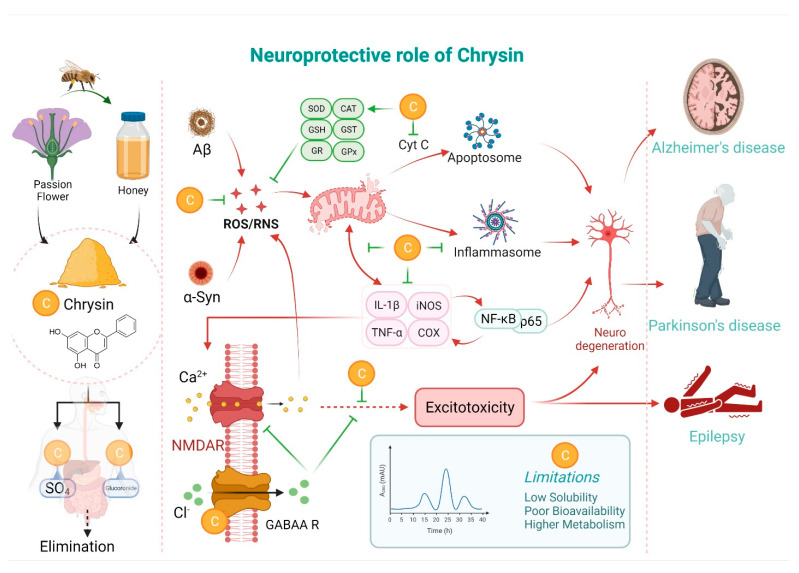
Chrysin, a herbal bioactive molecule, exerts a plethora of pharmacological effects, including anti-oxidant, anti-inflammatory, neuroprotective, and anti-cancer. A growing body of evidence has highlighted the emerging role of chrysin in a variety of neurological disorders, including Alzheimer's and Parkinson's disease, epilepsy, multiple sclerosis, ischemic stroke, traumatic brain injury, and brain tumors. Based on the results of recent pre-clinical studies and evidence from studies in humans, this review is focused on the molecular mechanisms underlying the neuroprotective effects of chrysin in different neurological diseases. In addition, the potential challenges, and opportunities of chrysin's inclusion in the neurotherapeutics repertoire are critically discussed.
白杨素是一种草本生物活性分子,具有多种药理作用,包括抗氧化、抗炎、神经保护和抗癌作用。越来越多的证据强调了白杨素在多种神经疾病中的作用,包括阿尔茨海默病和帕金森病、癫痫、多发性硬化症、缺血性中风、创伤性脑损伤和脑肿瘤。基于最近的临床前研究结果和人类研究证据,本综述重点讨论了白杨素在不同神经疾病中神经保护作用的分子机制。此外,还批判性地讨论了将白杨素纳入神经治疗学的潜在挑战和机遇。