Department of Microbiology and Immunology, Albert Einstein College of Medicine, Bronx, New York, USA.
Division of Infectious Diseases, Department of Medicine, Albert Einstein College of Medicine, Bronx, New York, USA.
mBio. 2021 Dec 21;12(6):e0297221. doi: 10.1128/mBio.02972-21. Epub 2021 Nov 23.
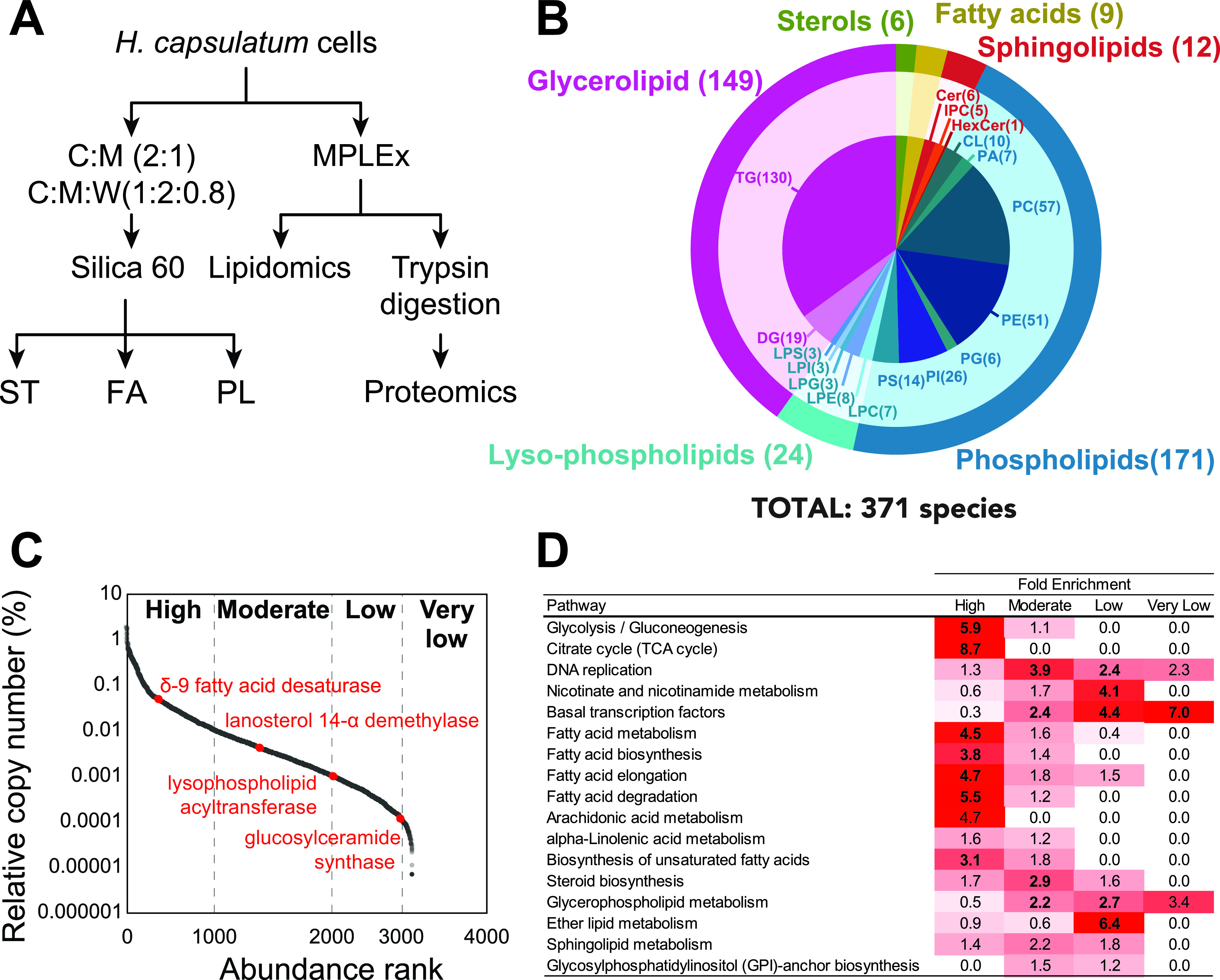
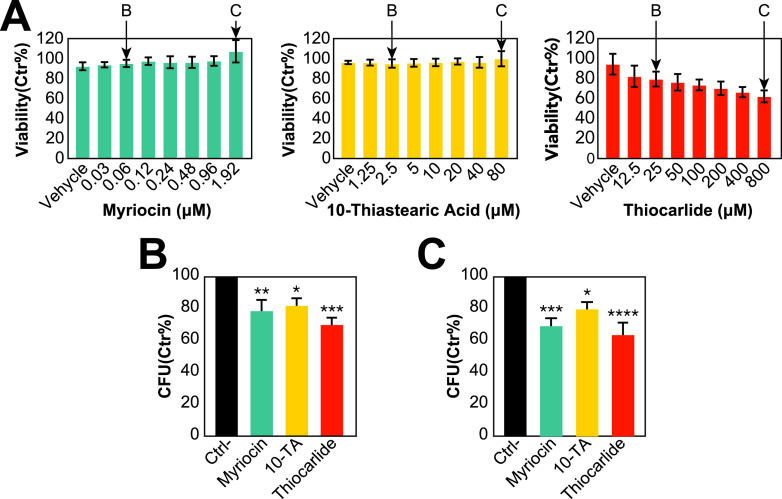
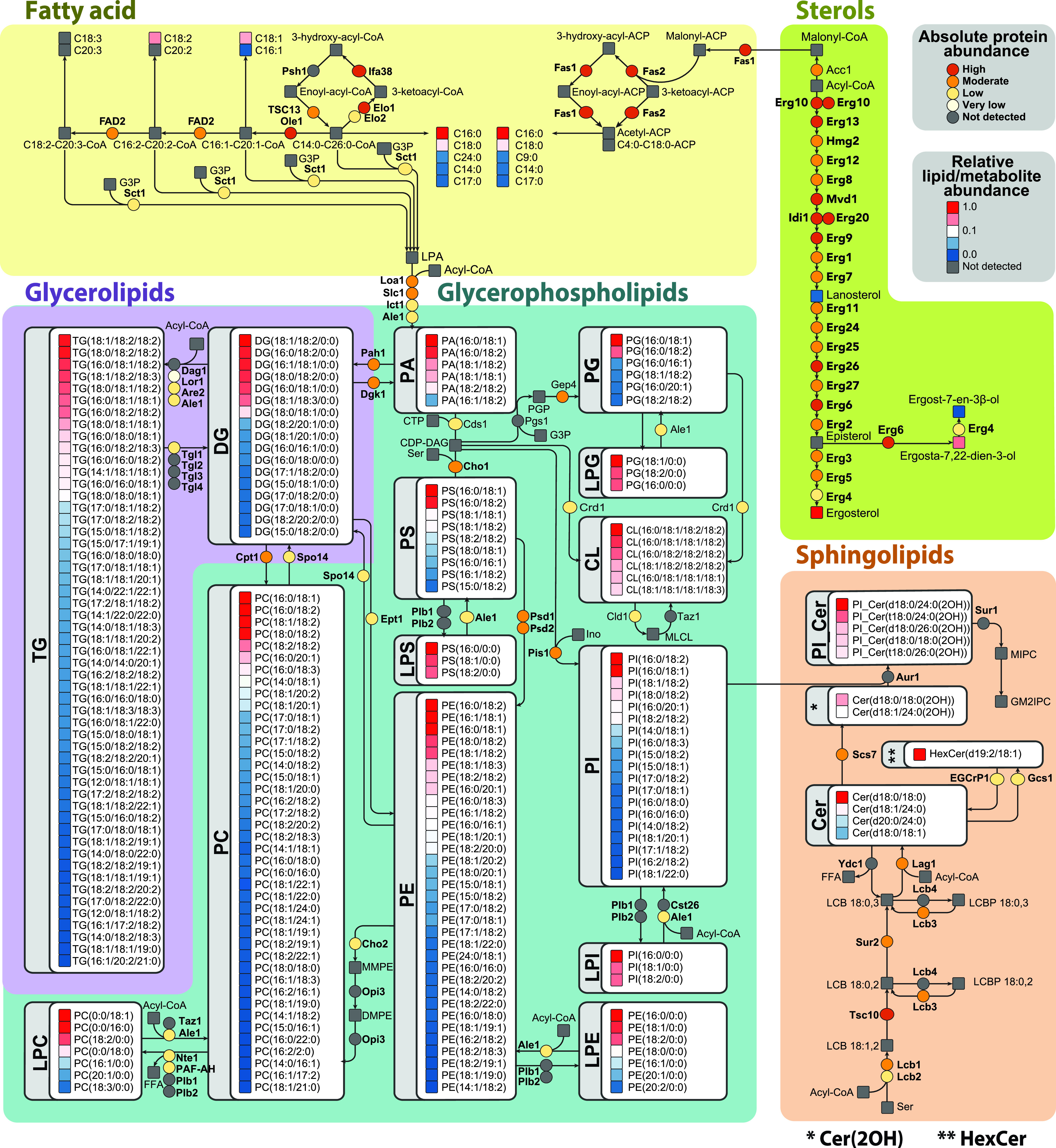
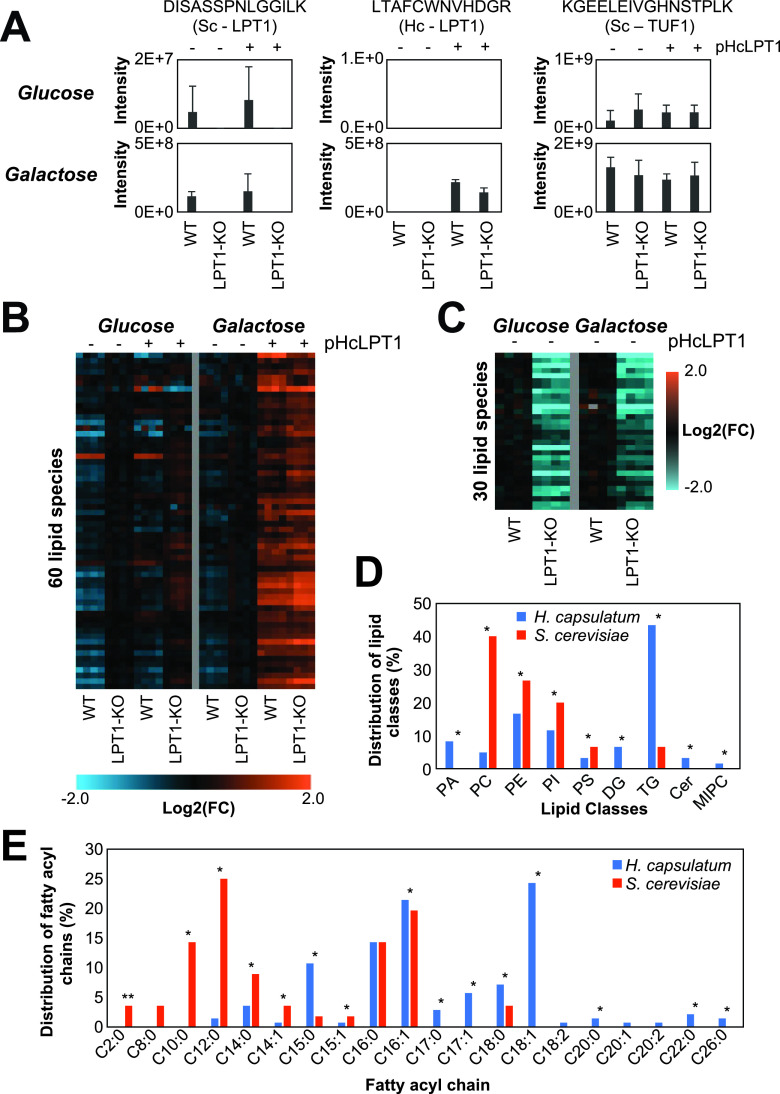
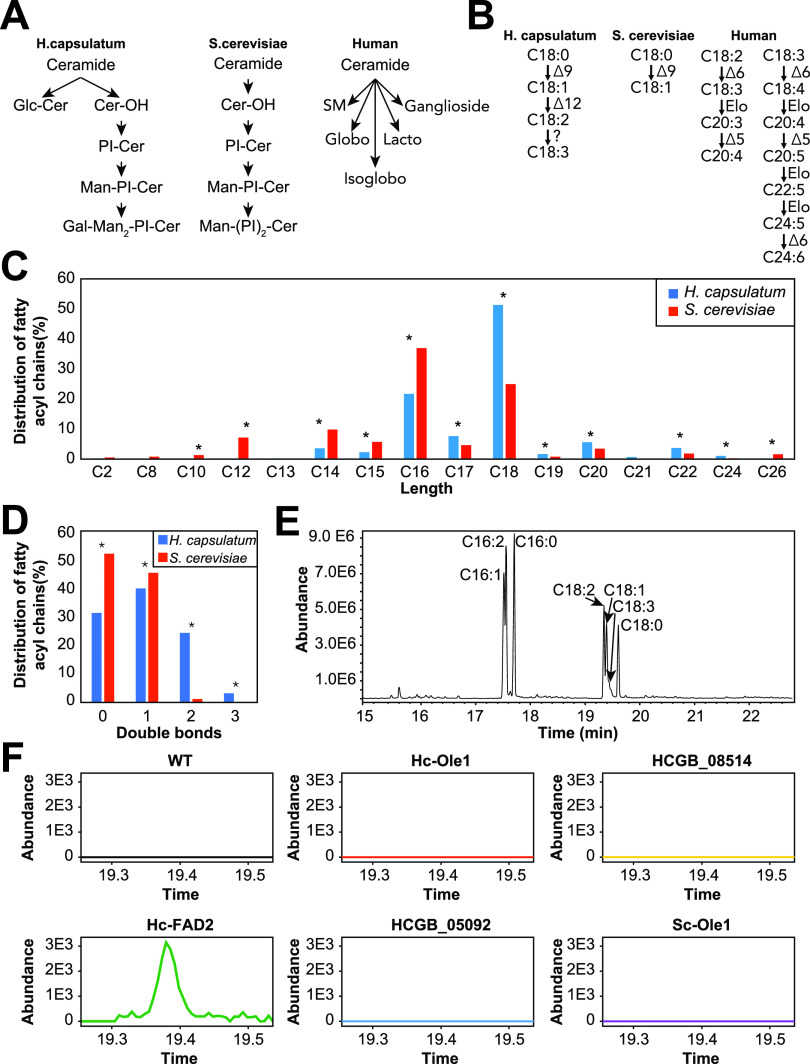
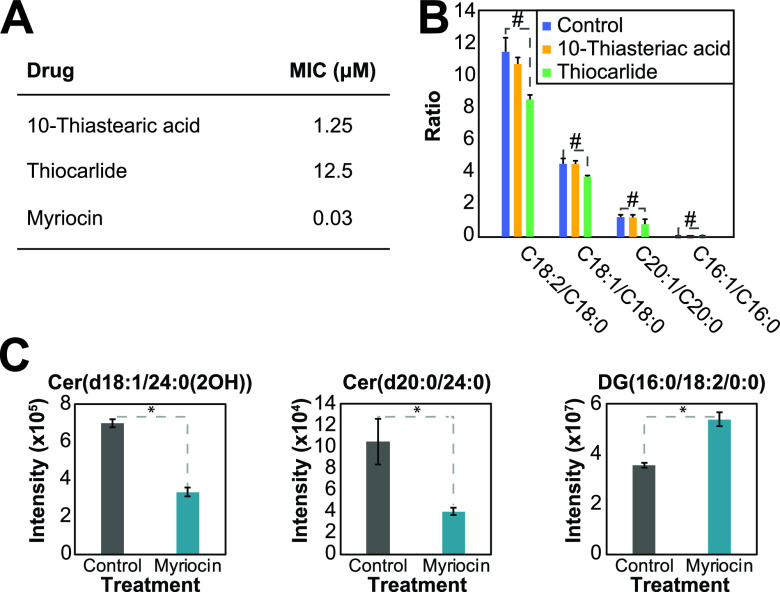
Lipids play a fundamental role in fungal cell biology, being essential cell membrane components and major targets of antifungal drugs. A deeper knowledge of lipid metabolism is key for developing new drugs and a better understanding of fungal pathogenesis. Here, we built a comprehensive map of the Histoplasma capsulatum lipid metabolic pathway by incorporating proteomic and lipidomic analyses. We performed genetic complementation and overexpression of H. capsulatum genes in Saccharomyces cerevisiae to validate reactions identified in the map and to determine enzymes responsible for catalyzing orphan reactions. The map led to the identification of both the fatty acid desaturation and the sphingolipid biosynthesis pathways as targets for drug development. We found that the sphingolipid biosynthesis inhibitor myriocin, the fatty acid desaturase inhibitor thiocarlide, and the fatty acid analog 10-thiastearic acid inhibit H. capsulatum growth in nanomolar to low-micromolar concentrations. These compounds also reduced the intracellular infection in an alveolar macrophage cell line. Overall, this lipid metabolic map revealed pathways that can be targeted for drug development. It is estimated that 150 people die per hour due to the insufficient therapeutic treatments to combat fungal infections. A major hurdle to developing antifungal therapies is the scarce knowledge on the fungal metabolic pathways and mechanisms of virulence. In this context, fungal lipid metabolism is an excellent candidate for developing drugs due to its essential roles in cellular scaffolds, energy storage, and signaling transductors. Here, we provide a detailed map of Histoplasma capsulatum lipid metabolism. The map revealed points of this fungus lipid metabolism that can be targeted for developing antifungal drugs.
脂质在真菌细胞生物学中起着至关重要的作用,是细胞膜的重要组成部分,也是抗真菌药物的主要靶标。深入了解脂质代谢对于开发新药物和更好地理解真菌发病机制至关重要。在这里,我们通过整合蛋白质组学和脂质组学分析,构建了荚膜组织胞浆菌脂质代谢途径的综合图谱。我们在酿酒酵母中进行了荚膜组织胞浆菌基因的遗传互补和过表达,以验证图谱中鉴定的反应,并确定催化孤儿反应的酶。该图谱确定了脂肪酸去饱和和鞘脂生物合成途径作为药物开发的靶点。我们发现鞘脂生物合成抑制剂霉酚酸、脂肪酸去饱和酶抑制剂硫卡林和脂肪酸类似物 10-硫代硬脂酸以纳摩尔至低微摩尔浓度抑制荚膜组织胞浆菌的生长。这些化合物还降低了肺泡巨噬细胞系中的细胞内感染。总的来说,该脂质代谢图谱揭示了可作为药物开发目标的途径。据估计,由于缺乏对抗真菌感染的治疗方法,每小时有 150 人因此而死亡。开发抗真菌疗法的一个主要障碍是对真菌代谢途径和毒力机制的了解甚少。在这种情况下,由于其在细胞支架、能量储存和信号转导体中的重要作用,真菌脂质代谢是开发药物的理想候选物。在这里,我们提供了荚膜组织胞浆菌脂质代谢的详细图谱。该图谱揭示了荚膜组织胞浆菌脂质代谢的一些靶点,可作为开发抗真菌药物的目标。