Suri Jasjit S, Agarwal Sushant, Elavarthi Pranav, Pathak Rajesh, Ketireddy Vedmanvitha, Columbu Marta, Saba Luca, Gupta Suneet K, Faa Gavino, Singh Inder M, Turk Monika, Chadha Paramjit S, Johri Amer M, Khanna Narendra N, Viskovic Klaudija, Mavrogeni Sophie, Laird John R, Pareek Gyan, Miner Martin, Sobel David W, Balestrieri Antonella, Sfikakis Petros P, Tsoulfas George, Protogerou Athanasios, Misra Durga Prasanna, Agarwal Vikas, Kitas George D, Teji Jagjit S, Al-Maini Mustafa, Dhanjil Surinder K, Nicolaides Andrew, Sharma Aditya, Rathore Vijay, Fatemi Mostafa, Alizad Azra, Krishnan Pudukode R, Ferenc Nagy, Ruzsa Zoltan, Gupta Archna, Naidu Subbaram, Kalra Mannudeep K
Stroke Diagnostic and Monitoring Division, AtheroPoint™, Roseville, CA 95661, USA.
Advanced Knowledge Engineering Centre, GBTI, Roseville, CA 95661, USA.
Diagnostics (Basel). 2021 Nov 1;11(11):2025. doi: 10.3390/diagnostics11112025.
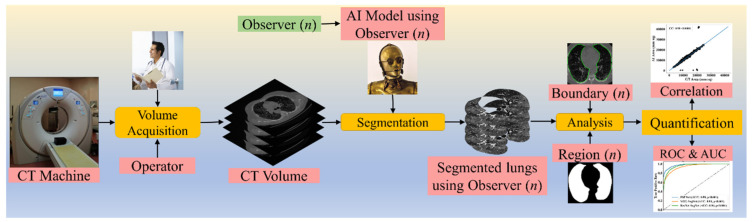
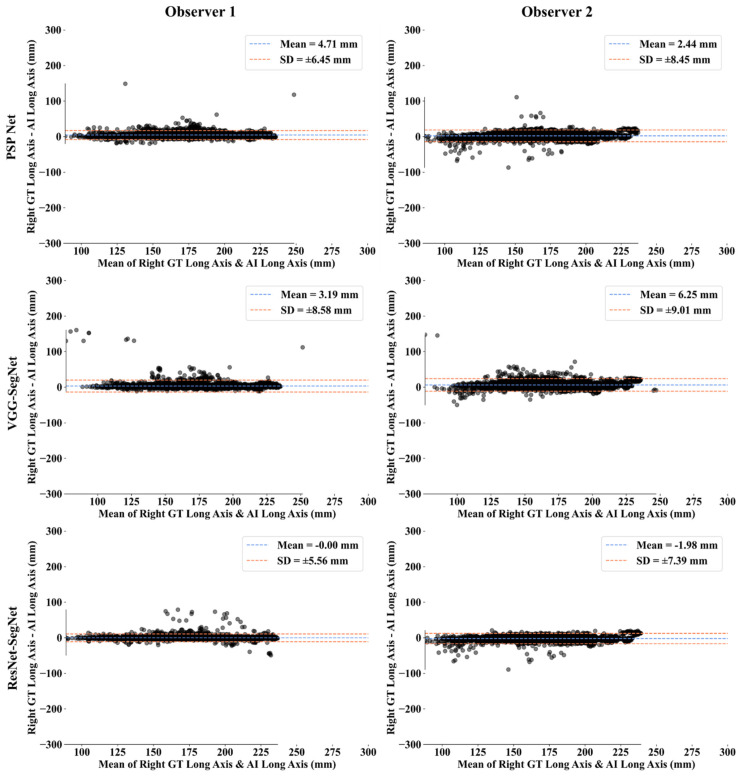
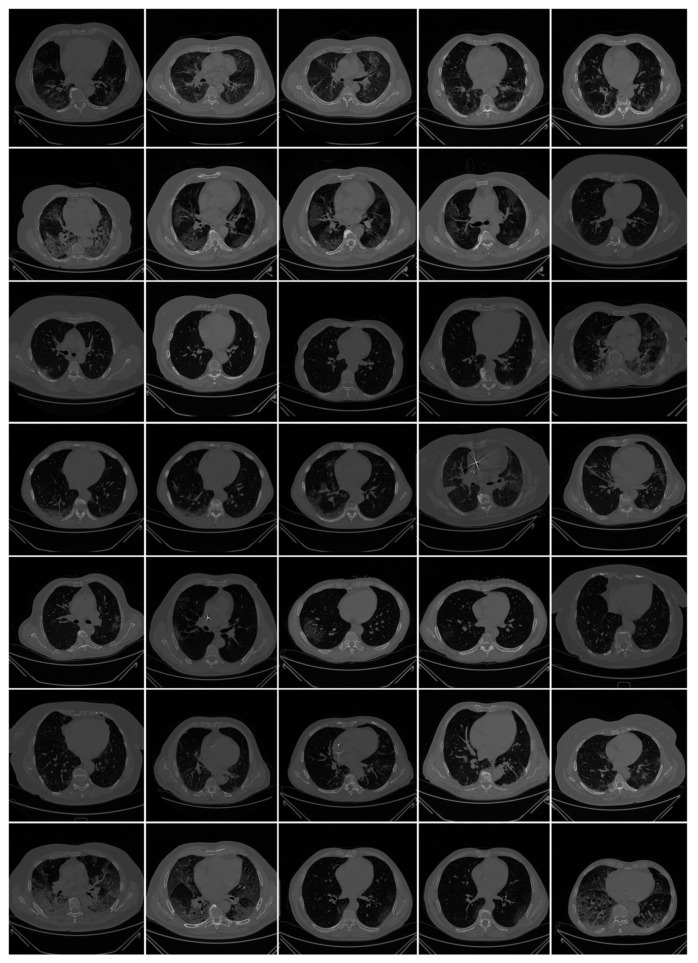
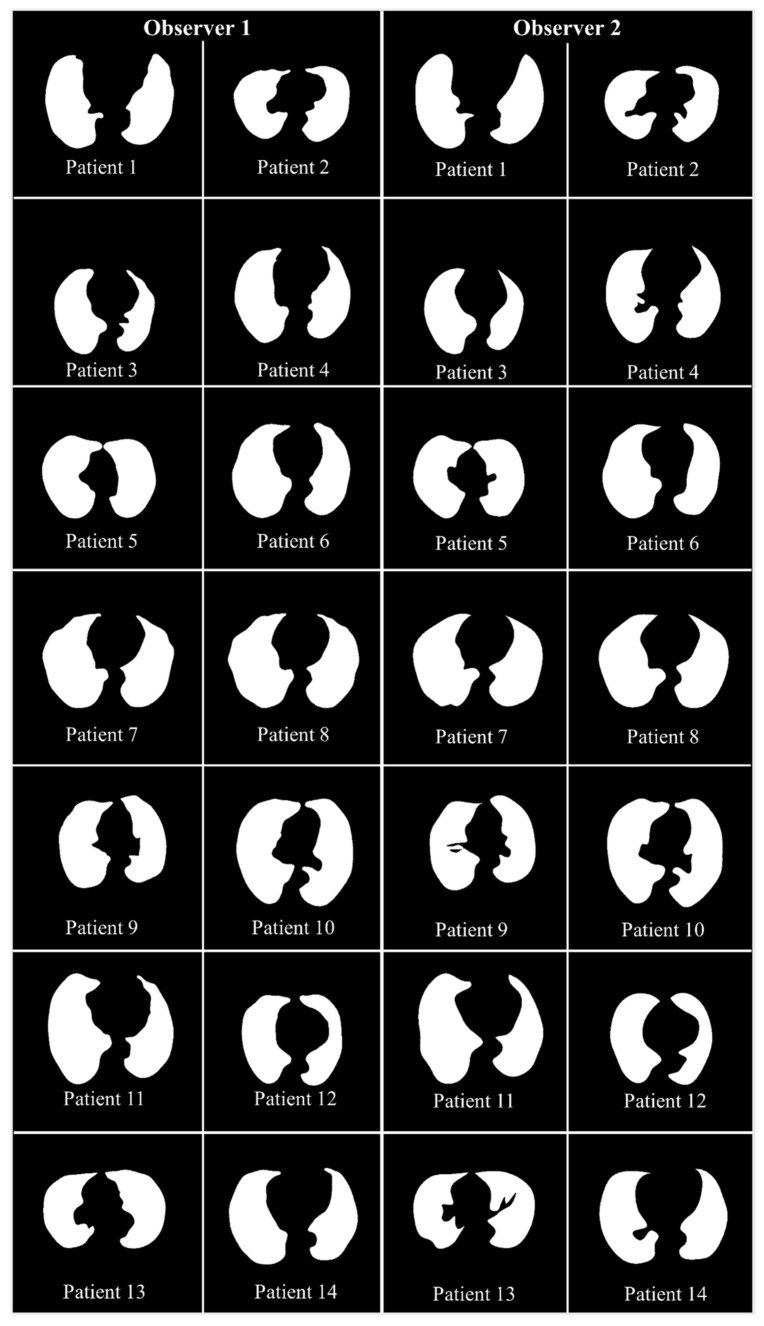
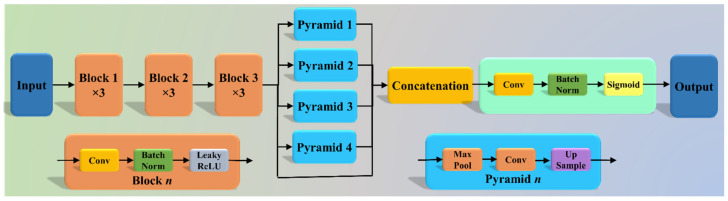
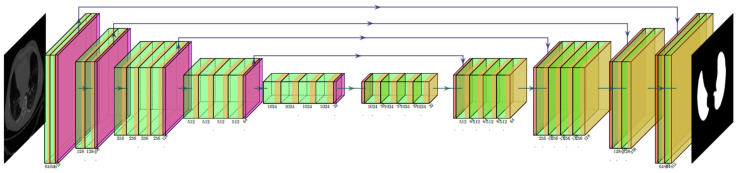
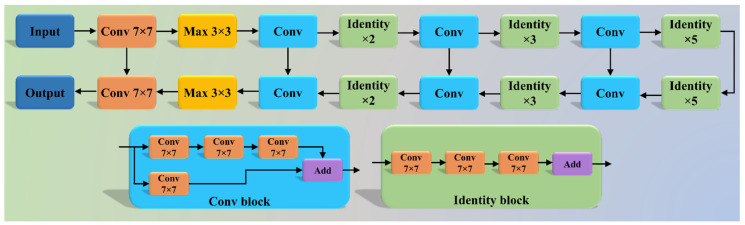
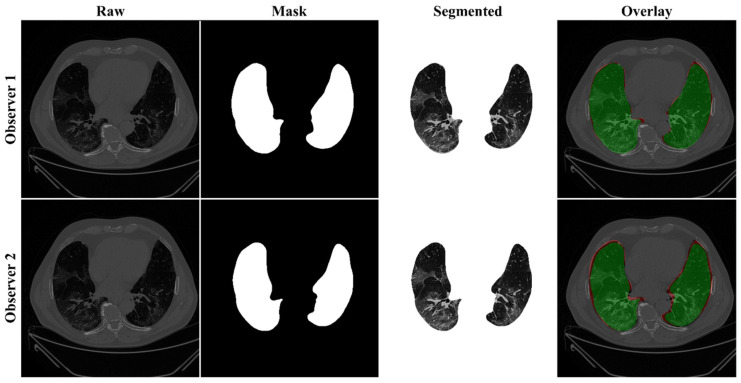
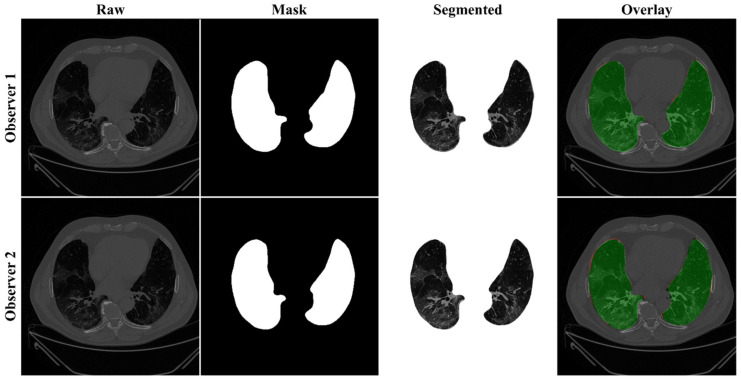
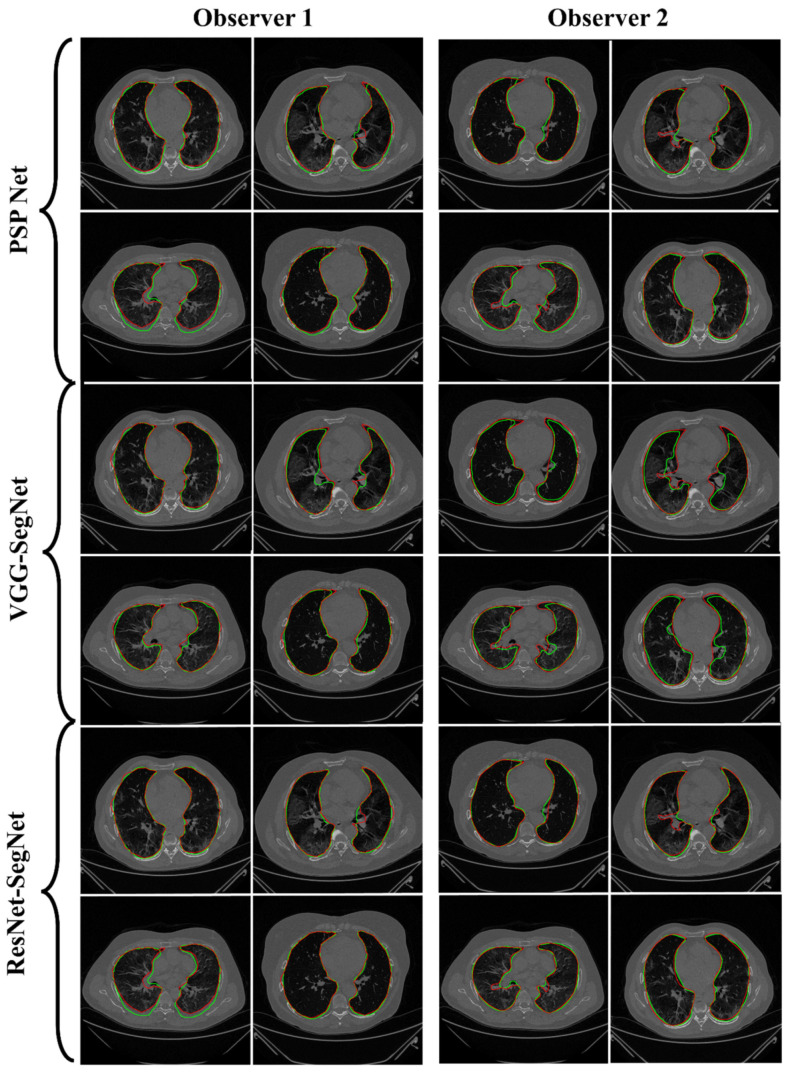
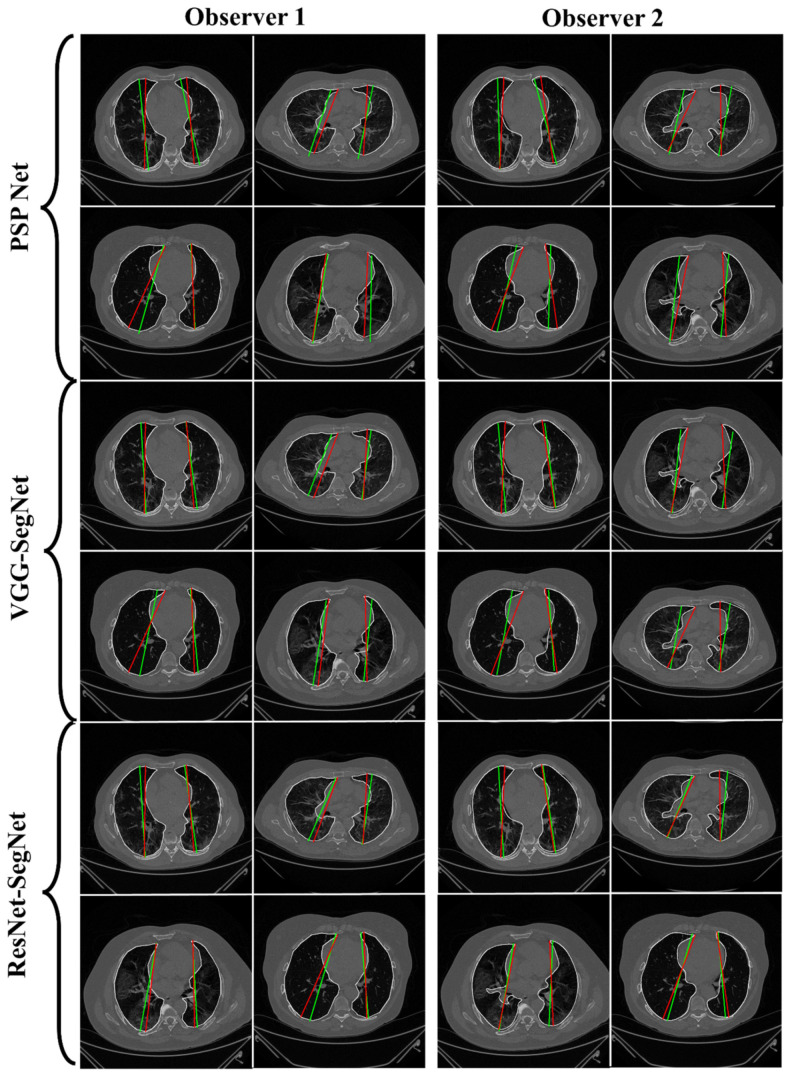
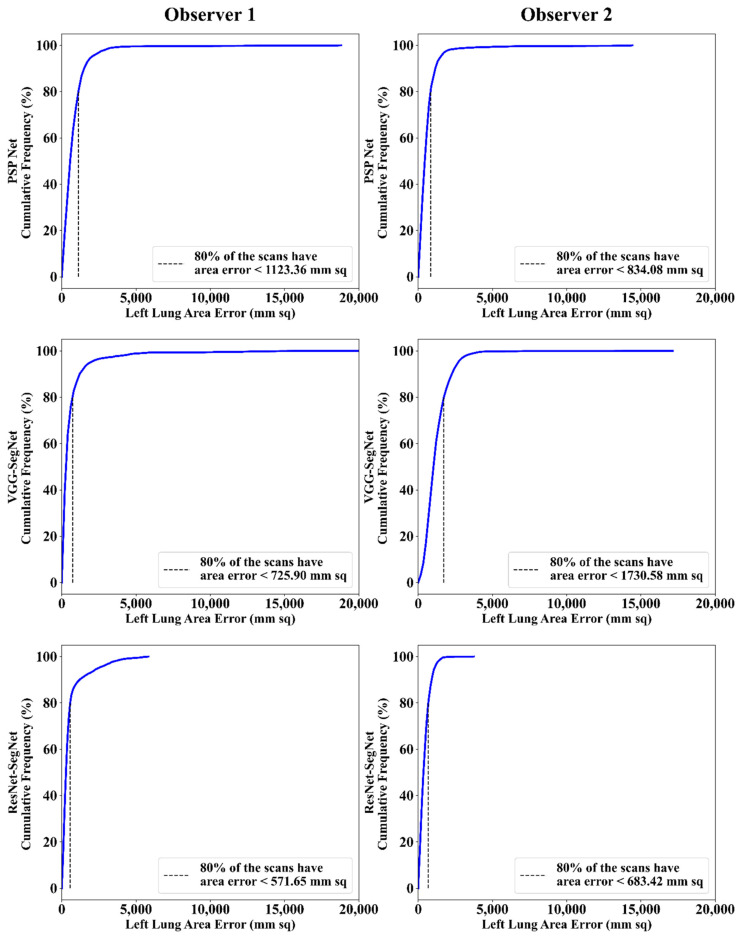
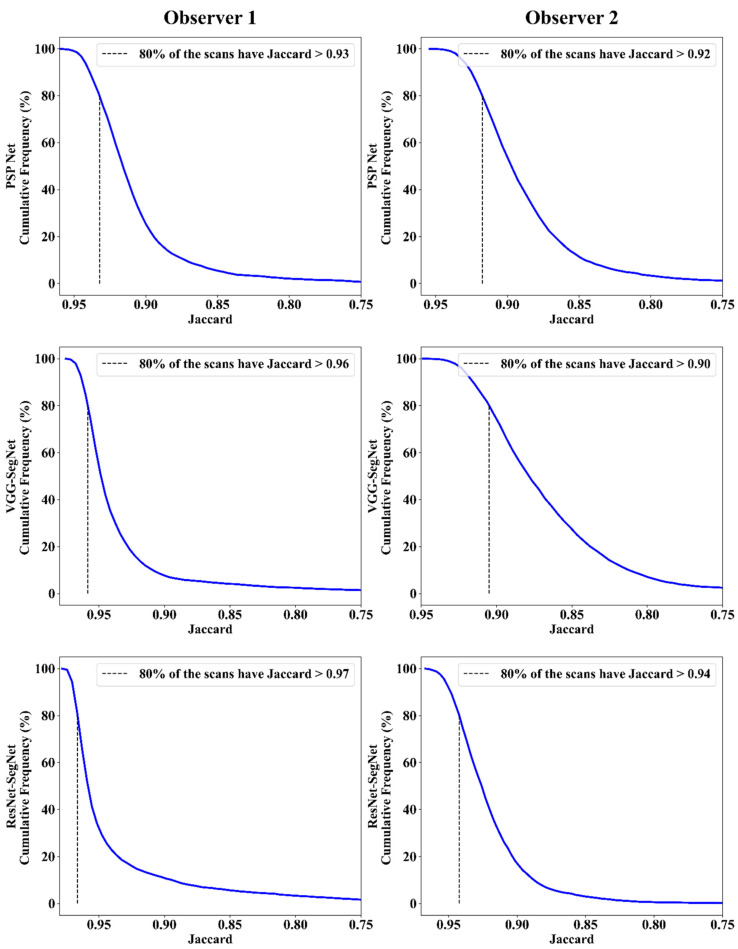
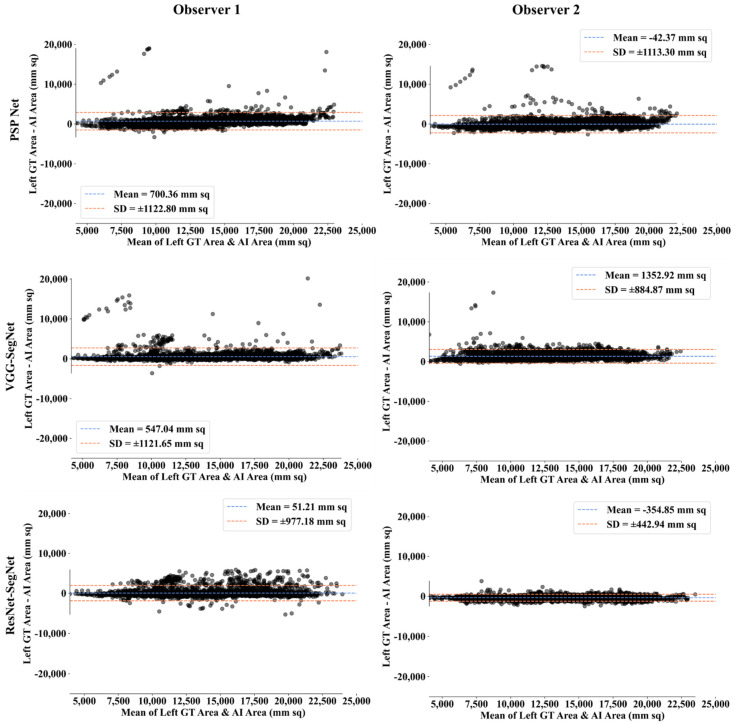
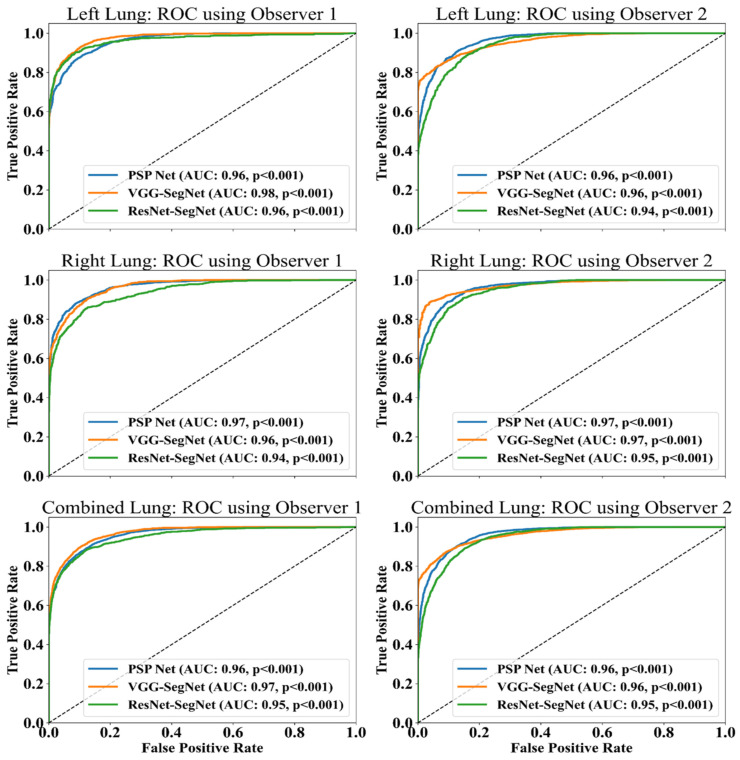
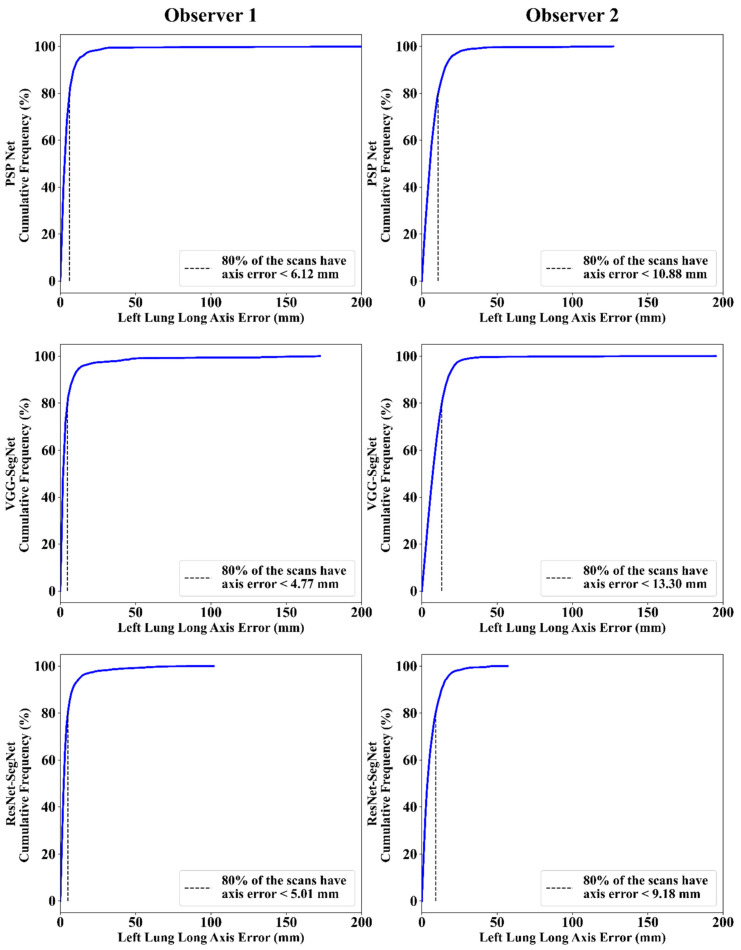
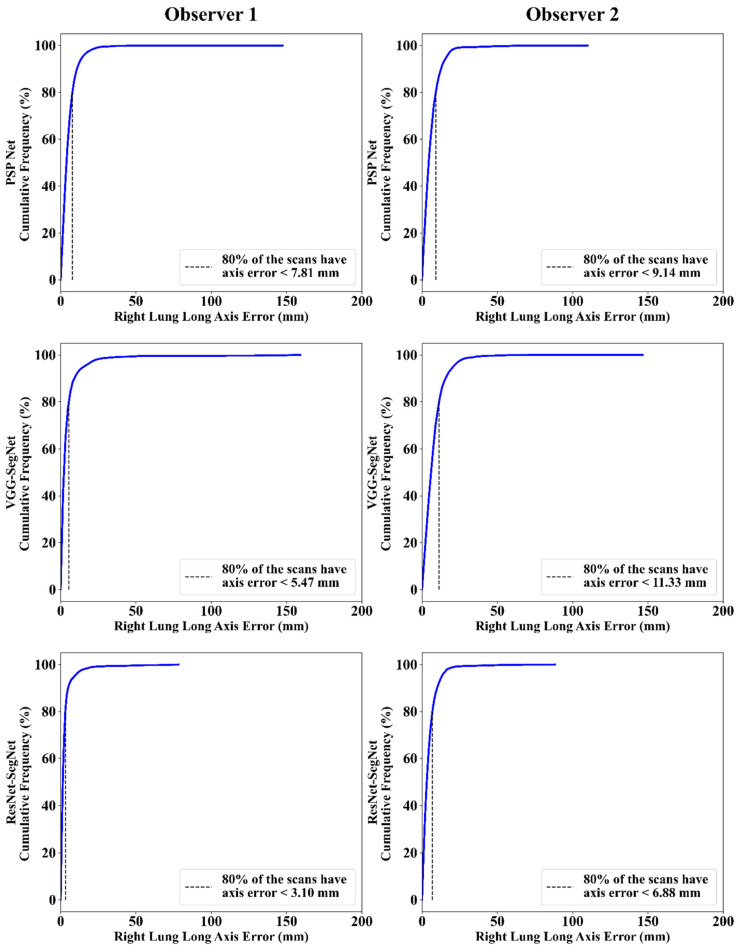
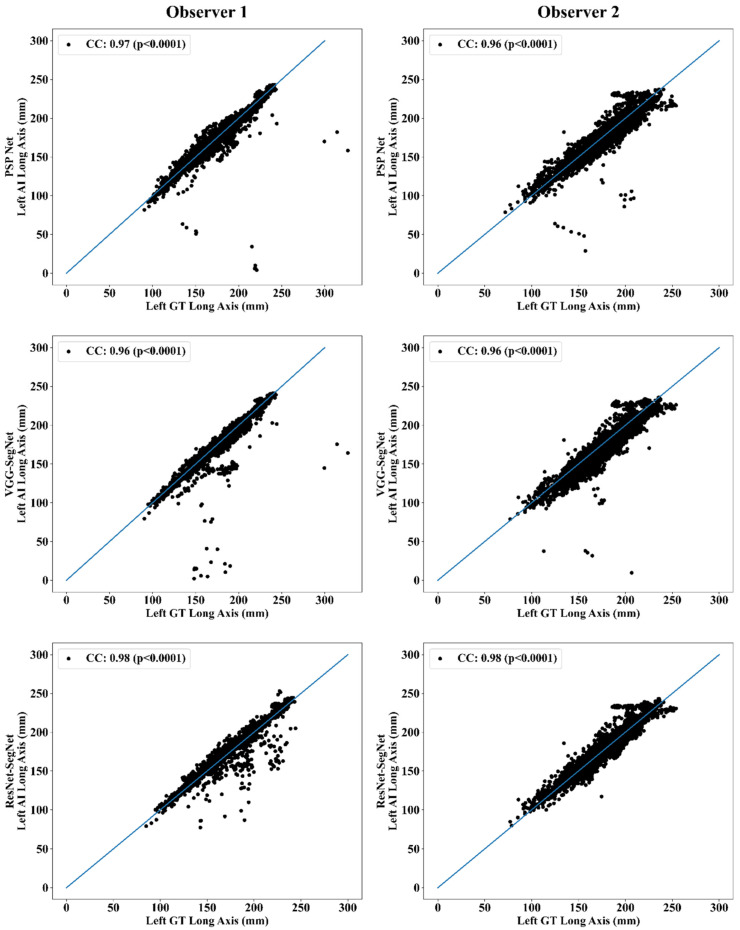
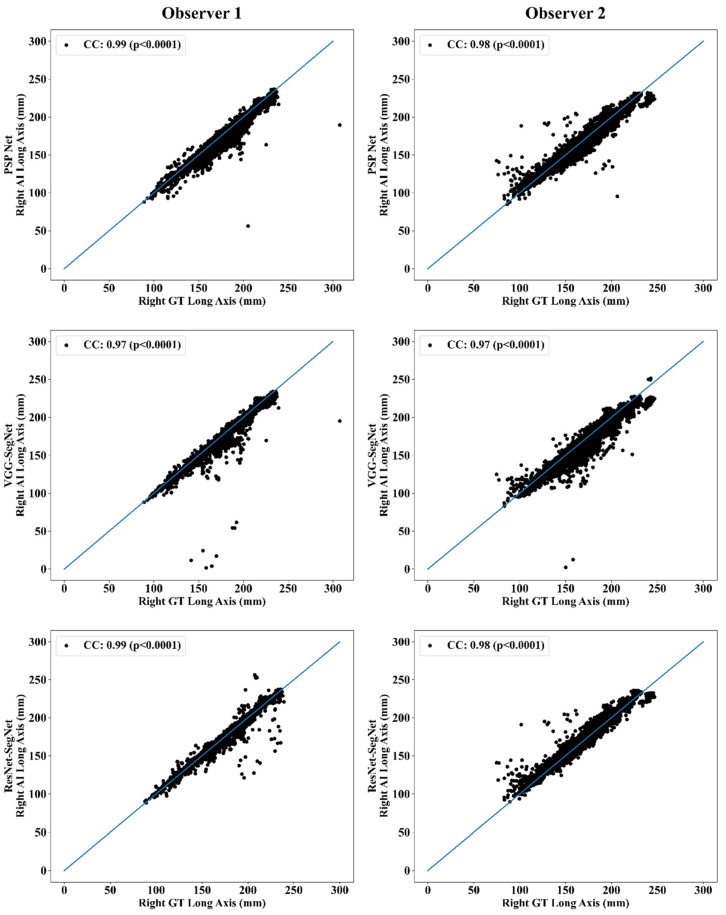
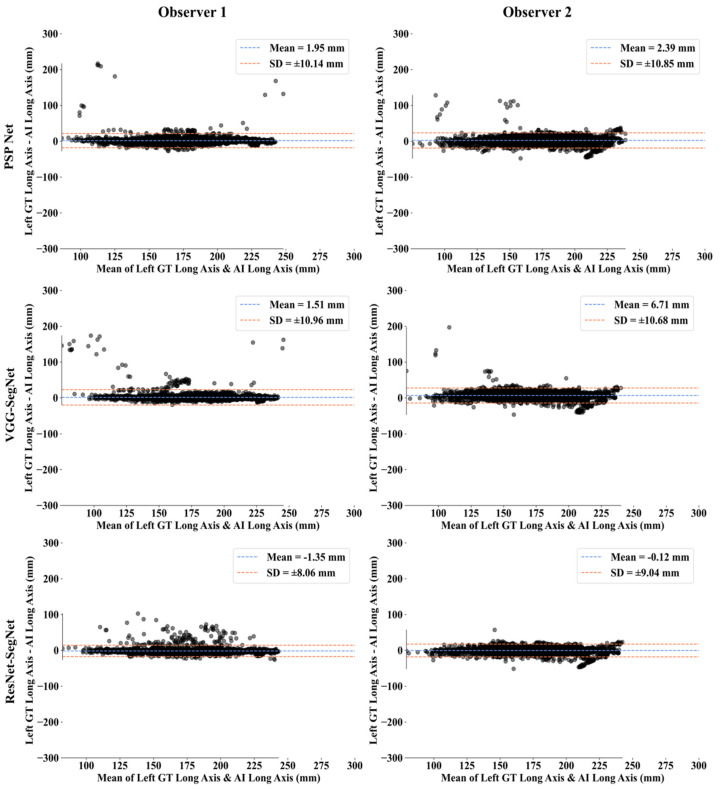
: For COVID-19 lung severity, segmentation of lungs on computed tomography (CT) is the first crucial step. Current deep learning (DL)-based Artificial Intelligence (AI) models have a bias in the training stage of segmentation because only one set of ground truth (GT) annotations are evaluated. We propose a robust and stable inter-variability analysis of CT lung segmentation in COVID-19 to avoid the effect of bias. : The proposed inter-variability study consists of two GT tracers for lung segmentation on chest CT. Three AI models, PSP Net, VGG-SegNet, and ResNet-SegNet, were trained using GT annotations. We hypothesized that if AI models are trained on the GT tracings from multiple experience levels, and if the AI performance on the test data between these AI models is within the 5% range, one can consider such an AI model robust and unbiased. The K5 protocol (training to testing: 80%:20%) was adapted. Ten kinds of metrics were used for performance evaluation. : The database consisted of 5000 CT chest images from 72 COVID-19-infected patients. By computing the coefficient of correlations (CC) between the output of the two AI models trained corresponding to the two GT tracers, computing their differences in their CC, and repeating the process for all three AI-models, we show the differences as 0%, 0.51%, and 2.04% (all < 5%), thereby validating the hypothesis. The performance was comparable; however, it had the following order: ResNet-SegNet > PSP Net > VGG-SegNet. : The AI models were clinically robust and stable during the inter-variability analysis on the CT lung segmentation on COVID-19 patients.
对于新冠肺炎的肺部严重程度,在计算机断层扫描(CT)上对肺部进行分割是至关重要的第一步。当前基于深度学习(DL)的人工智能(AI)模型在分割训练阶段存在偏差,因为仅评估了一组地面真值(GT)注释。我们提出了一种针对新冠肺炎CT肺部分割的稳健且稳定的变异间分析,以避免偏差的影响。:所提出的变异间研究包括用于胸部CT肺部分割的两个GT追踪器。使用GT注释训练了三个AI模型,即PSP Net、VGG - SegNet和ResNet - SegNet。我们假设,如果AI模型在来自多个经验水平的GT追踪上进行训练,并且如果这些AI模型之间在测试数据上的AI性能在5%范围内,则可以认为这样的AI模型是稳健且无偏差的。采用了K5协议(训练与测试比例:80%:20%)。使用了十种指标进行性能评估。:该数据库由来自72名新冠肺炎感染患者的5000张胸部CT图像组成。通过计算对应于两个GT追踪器训练的两个AI模型输出之间的相关系数(CC),计算它们在CC上的差异,并对所有三个AI模型重复该过程,我们显示差异为0%、0.51%和2.04%(均<5%),从而验证了该假设。性能具有可比性;然而,其顺序如下:ResNet - SegNet > PSP Net > VGG - SegNet。:在对新冠肺炎患者的CT肺部分割进行变异间分析期间,AI模型在临床上是稳健且稳定的。