Ghosh Jayanta Kumar, Biswas Sudhanshu Kumar, Sarkar Susmita, Ghosh Uttam
Boalia Junior High School, Nadia, West Bengal, India.
Department of Mathematics, Sripat Singh College, West Bengal, India.
Math Comput Simul. 2022 Apr;194:1-18. doi: 10.1016/j.matcom.2021.11.008. Epub 2021 Nov 19.
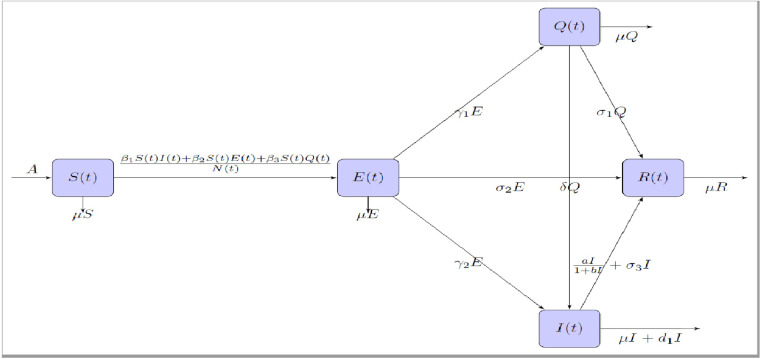
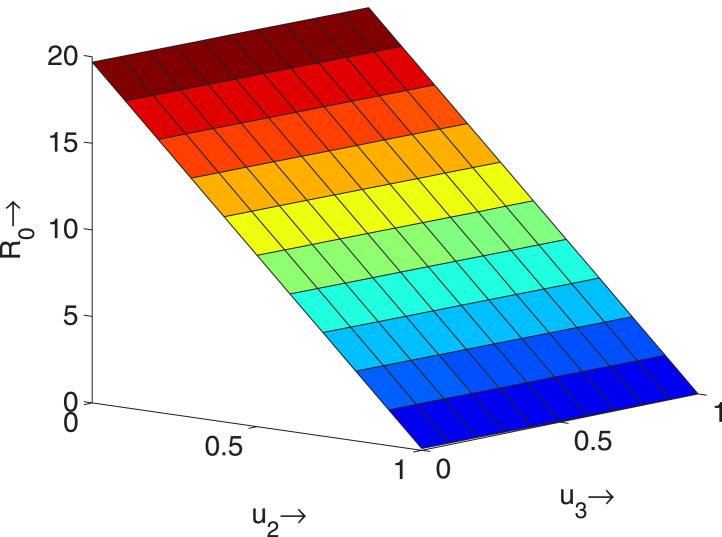
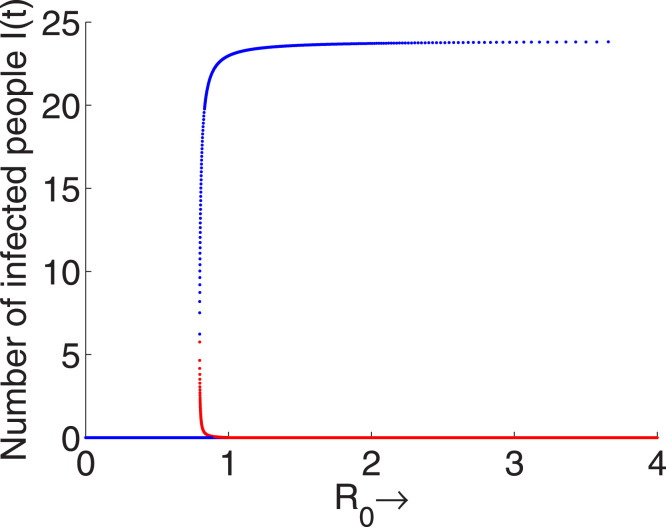
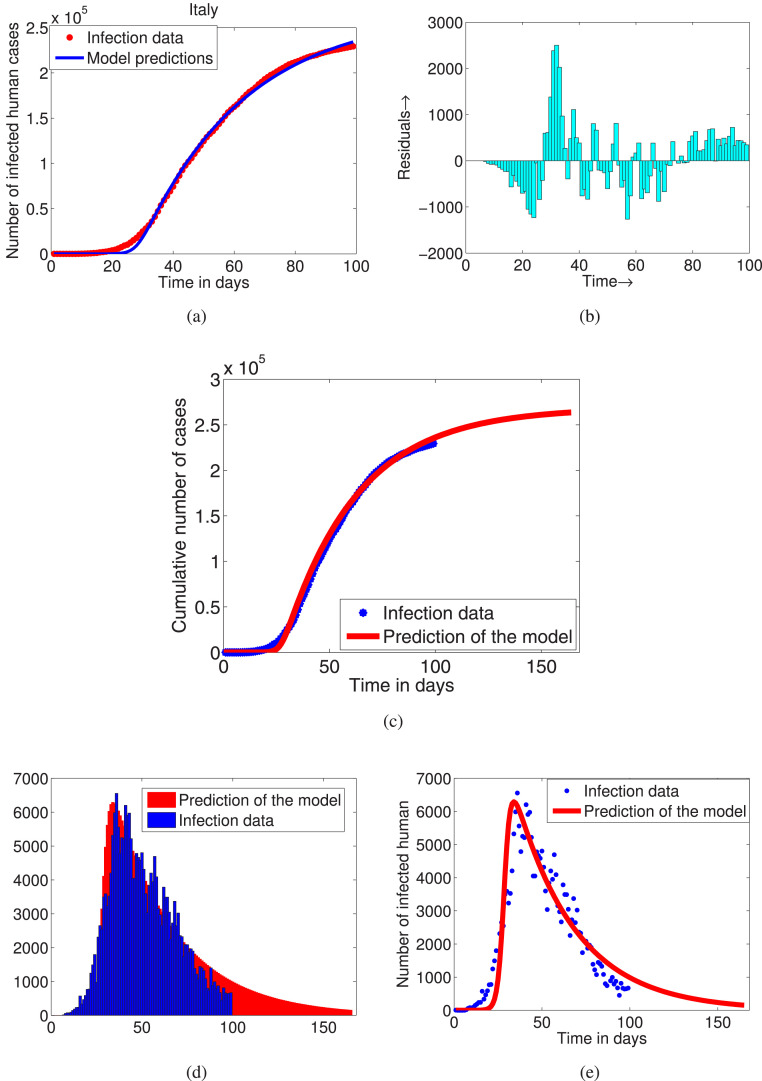
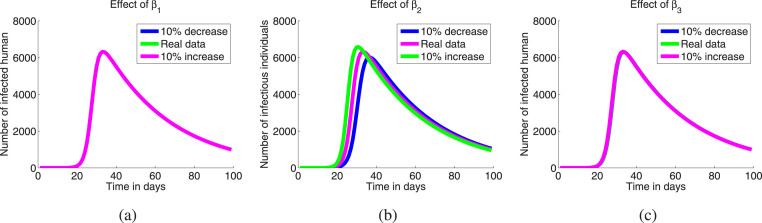
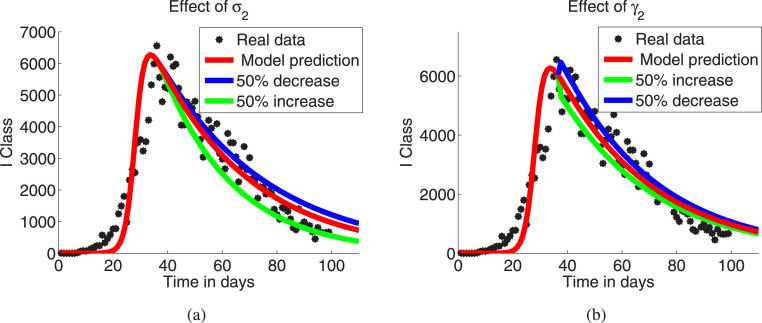
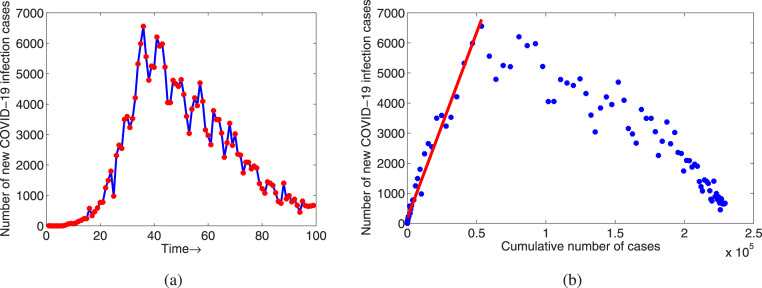
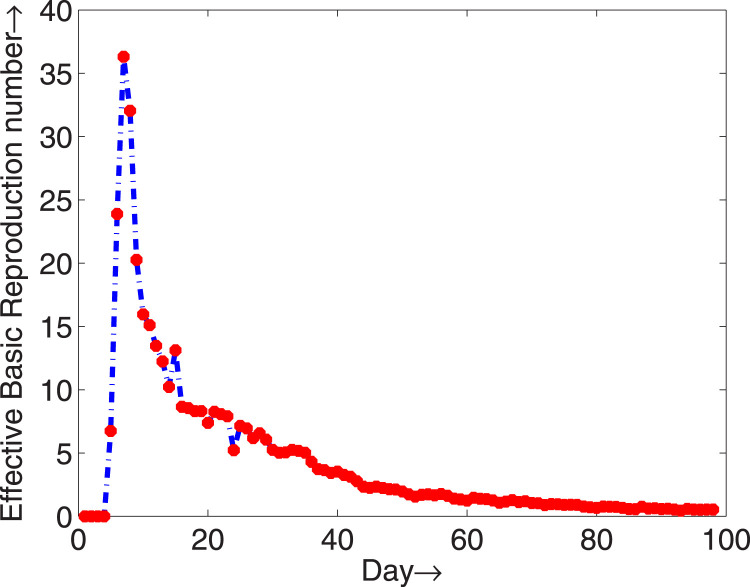
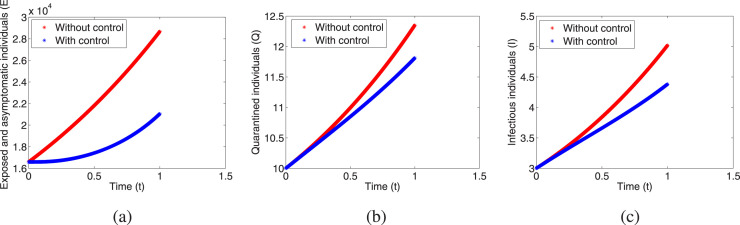
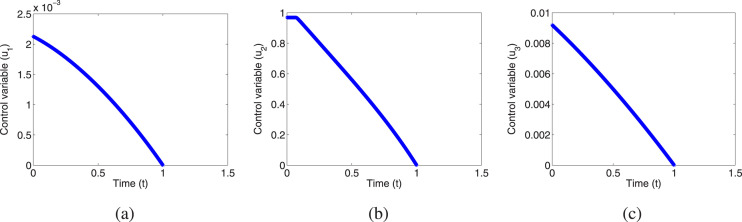
This manuscript describes a mathematical epidemiological model of COVID-19 to investigate the dynamics of this pandemic disease and we have fitted this model to the current COVID-19 cases in Italy. We have obtained the basic reproduction number which plays a crucial role on the stability of disease free equilibrium point. Backward bifurcation with respect to the cure rate of treatment occurs conditionally. It is clear from the sensitivity analysis that the developments of self immunities with proper maintaining of social distancing of the exposed and asymptomatic individuals play key role for controlling the disease. We have validated the model by considering the COVID-19 cases of Italy and the future situations of epidemicity in Italy have been predicted from the model. We have estimated the basic reproduction number for the COVID-19 outbreak in Italy and effective reproduction number has also been studied. Finally, an optimal control model has been formulated and solved to realize the positive impacts of adapting lock down by many countries for maintaining social distancing.
本手稿描述了一种新冠病毒的数学流行病学模型,以研究这种大流行疾病的动态,并且我们已将该模型应用于意大利当前的新冠病例。我们获得了基本再生数,它对无病平衡点的稳定性起着关键作用。关于治疗治愈率的反向分岔有条件地发生。从敏感性分析中可以清楚地看出,对于已暴露和无症状个体,在适当保持社交距离的情况下发展自身免疫力对控制疾病起着关键作用。我们通过考虑意大利的新冠病例验证了该模型,并从该模型预测了意大利未来的疫情情况。我们估计了意大利新冠疫情爆发的基本再生数,还研究了有效再生数。最后,制定并求解了一个最优控制模型,以认识到许多国家实施封锁以保持社交距离所产生的积极影响。