Javaid Nasir, Choi Sangdun
Department of Molecular Science and Technology, Ajou University, Suwon, South Korea.
S&K Therapeutics, Ajou University Campus Plaza, Suwon, South Korea.
Front Cell Dev Biol. 2021 Nov 24;9:761709. doi: 10.3389/fcell.2021.761709. eCollection 2021.
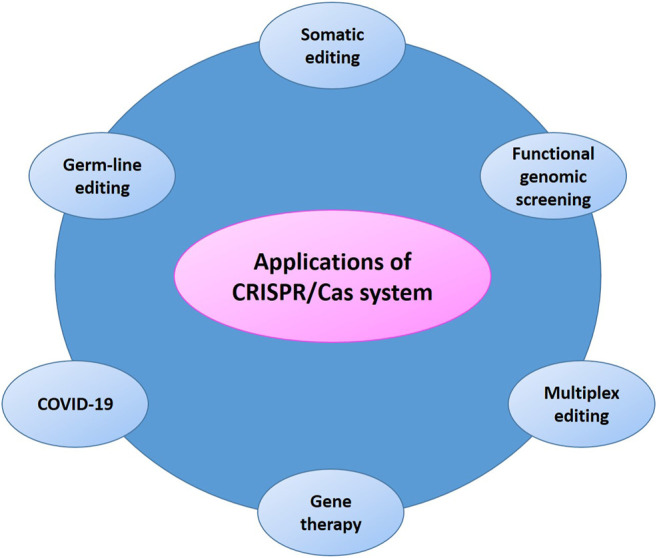
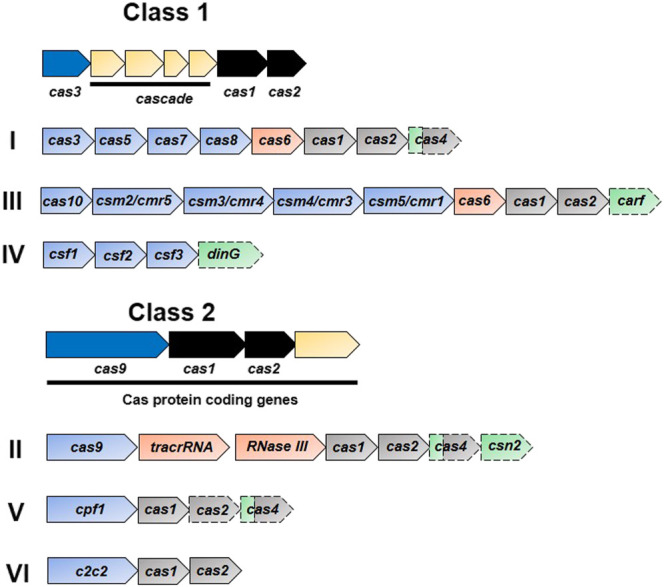
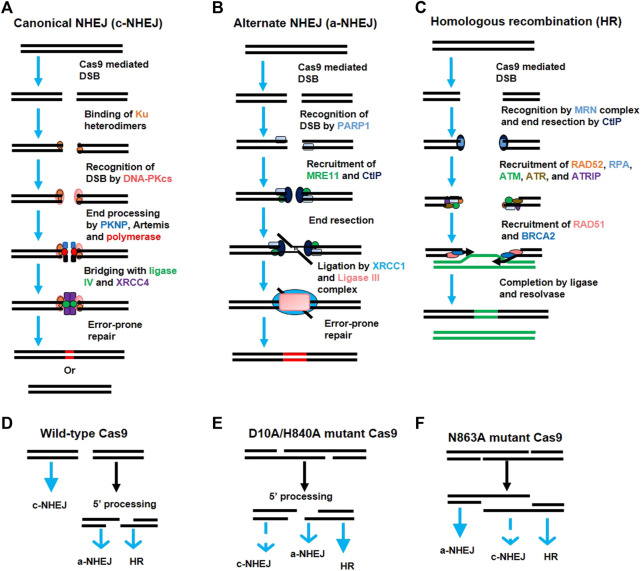
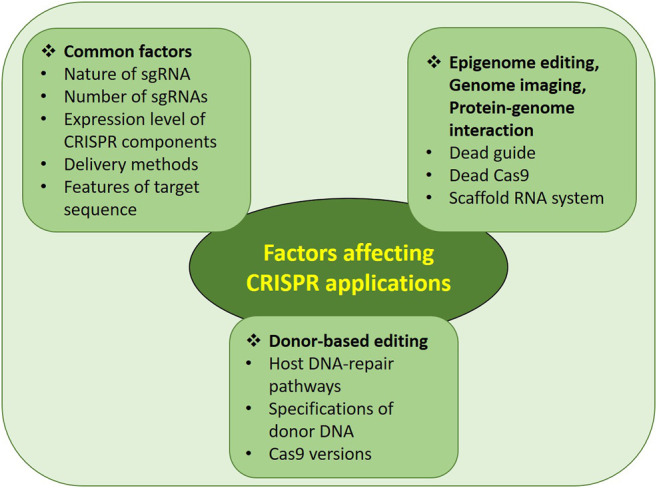
The diverse applications of genetically modified cells and organisms require more precise and efficient genome-editing tool such as clustered regularly interspaced short palindromic repeats/CRISPR-associated protein (CRISPR/Cas). The CRISPR/Cas system was originally discovered in bacteria as a part of adaptive-immune system with multiple types. Its engineered versions involve multiple host DNA-repair pathways in order to perform genome editing in host cells. However, it is still challenging to get maximum genome-editing efficiency with fewer or no off-targets. Here, we focused on factors affecting the genome-editing efficiency and precision of CRISPR/Cas system along with its defense-mechanism, orthologues, and applications.
基因编辑细胞和生物体的多种应用需要更精确、高效的基因组编辑工具,如成簇规律间隔短回文重复序列/CRISPR相关蛋白(CRISPR/Cas)。CRISPR/Cas系统最初是在细菌中作为具有多种类型的适应性免疫系统的一部分被发现的。其工程化版本涉及多种宿主DNA修复途径,以便在宿主细胞中进行基因组编辑。然而,要在脱靶较少或无脱靶的情况下获得最大的基因组编辑效率仍然具有挑战性。在这里,我们重点关注了影响CRISPR/Cas系统基因组编辑效率和精准度的因素,以及其防御机制、直系同源物和应用。