
通过超声处理优化聚合物纳米颗粒包被细胞膜囊泡的关键参数。
Optimization of critical parameters for coating of polymeric nanoparticles with plasma membrane vesicles by sonication.
机构信息
Department of Molecular Pharmacology and Neuroscience, Loyola University Chicago, Stritch School of Medicine, Maywood, IL, 60153, USA.
Research Service, Edward Hines Jr. VA Hospital, Hines, IL, 60141, USA.
出版信息
Sci Rep. 2021 Dec 14;11(1):23996. doi: 10.1038/s41598-021-03422-5.
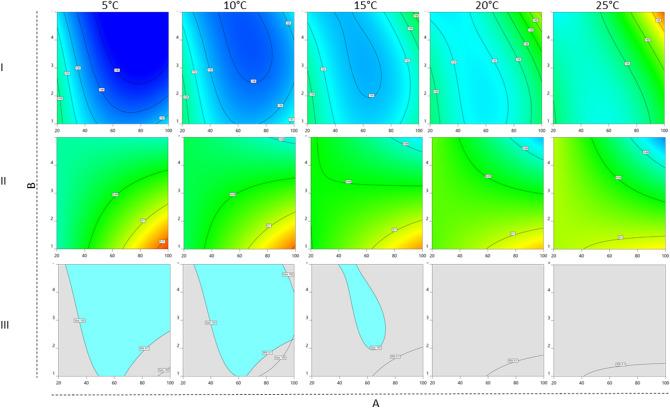
Top-down functionalization of nanoparticles with cellular membranes imparts nanoparticles with enhanced bio-interfacing capabilities. Initial methods for membrane coating involved physical co-extrusion of nanoparticles and membrane vesicles through a porous membrane; however, recent works employ sonication as the disruptive force to reform membranes around the surface of nanoparticles. Although sonication is widely used, there remains a paucity of information on the effects of sonication variables on coating efficiency, leading to inconsistent membrane coating across studies. In this work, we present a systematic analysis of the sonication parameters that influence the membrane coating. The results showed that sonication amplitude, time, temperature, membrane ratio, sample volume, and density need to be considered in order to optimize membrane coating of polymeric nanoparticles.
通过细胞膜对纳米粒子进行自上而下的功能化处理,赋予纳米粒子增强的生物界面相互作用能力。最初的膜涂层方法包括通过多孔膜共挤出纳米粒子和膜泡;然而,最近的工作采用超声作为破坏力,在纳米粒子表面周围重新形成膜。尽管超声广泛应用,但关于超声变量对涂层效率的影响的信息仍然很少,导致不同研究之间的膜涂层不一致。在这项工作中,我们对影响膜涂层的超声参数进行了系统分析。结果表明,为了优化聚合物纳米粒子的膜涂层,需要考虑超声幅度、时间、温度、膜比例、样品体积和密度等参数。


 Zotero 插件