Microbial Genomics Section, Translational and Functional Genomics Branch, National Human Genome Research Institute, National Institutes of Health, Bethesda, MD, USA.
European Molecular Biology Laboratory, European Bioinformatics Institute (EMBL-EBI), Wellcome Genome Campus, Hinxton, UK.
Nat Microbiol. 2022 Jan;7(1):169-179. doi: 10.1038/s41564-021-01011-w. Epub 2021 Dec 24.
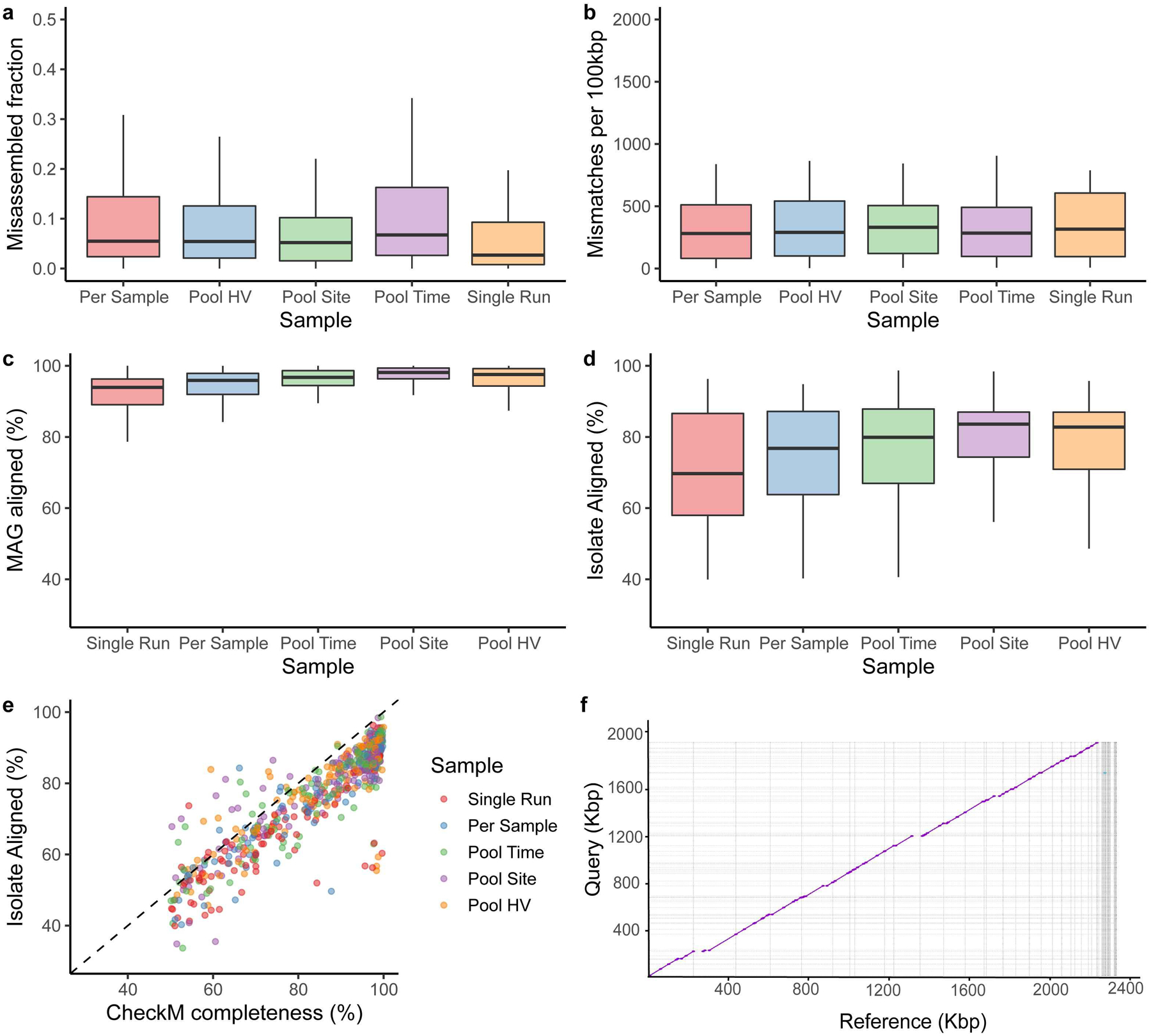
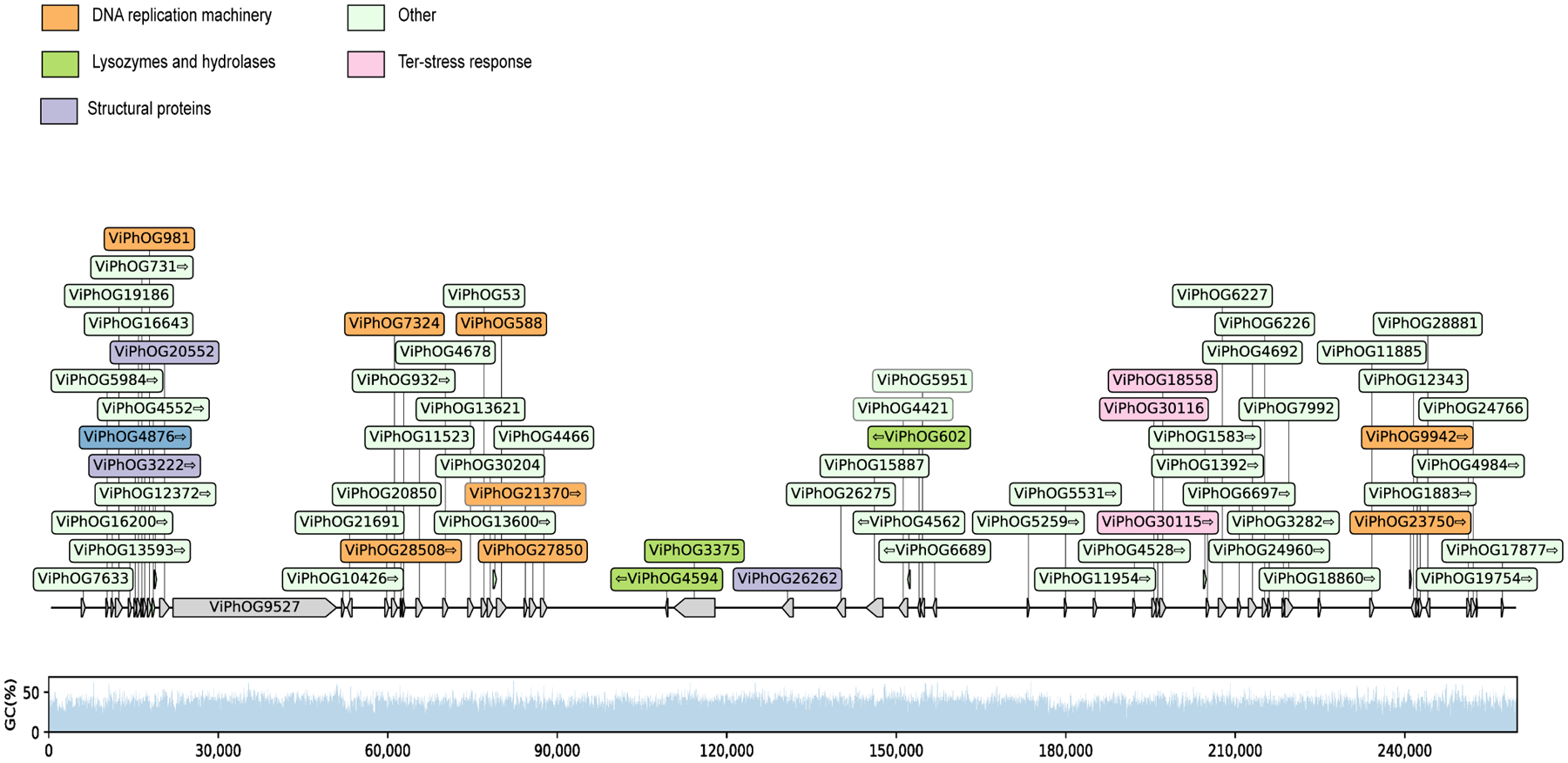
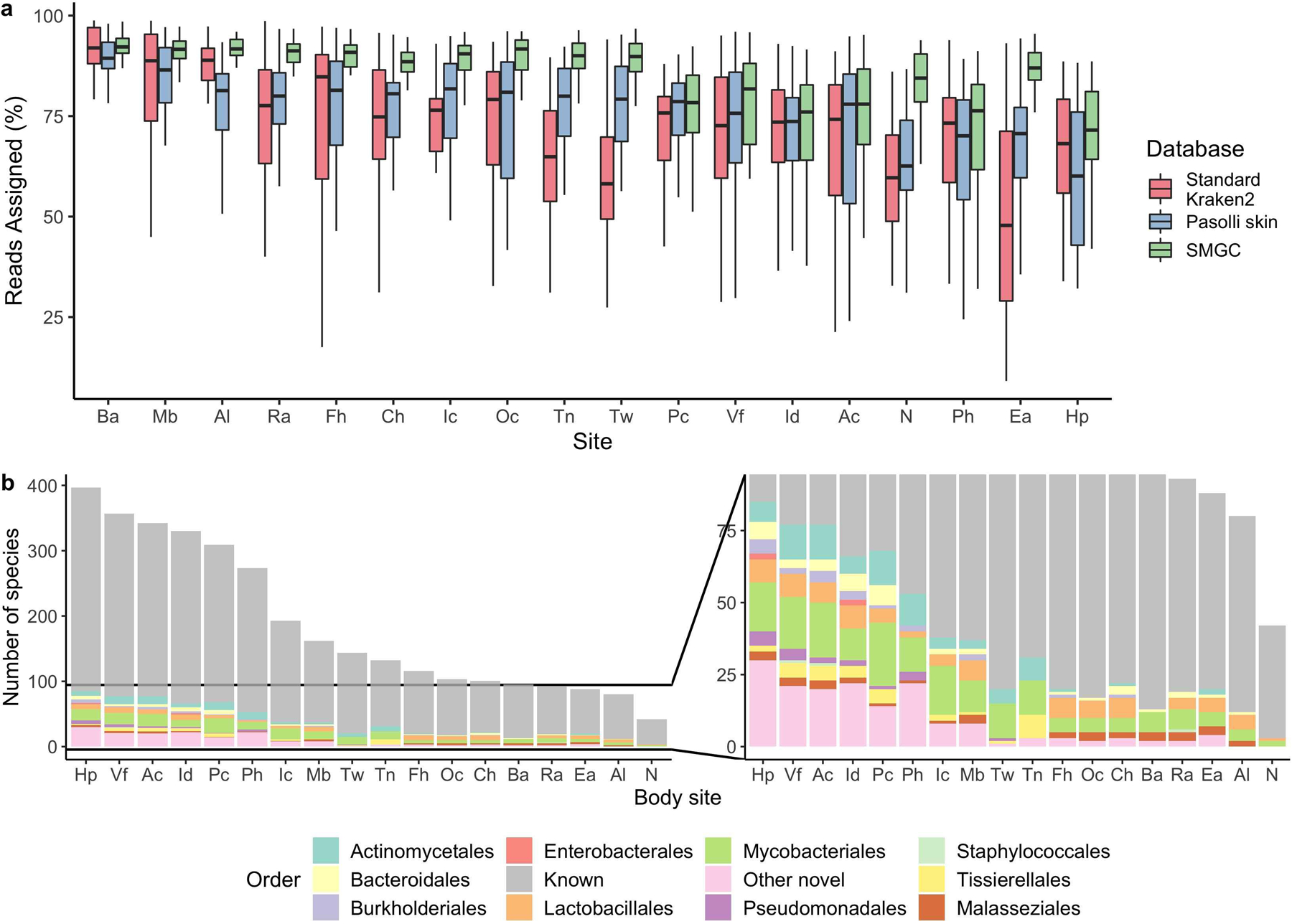
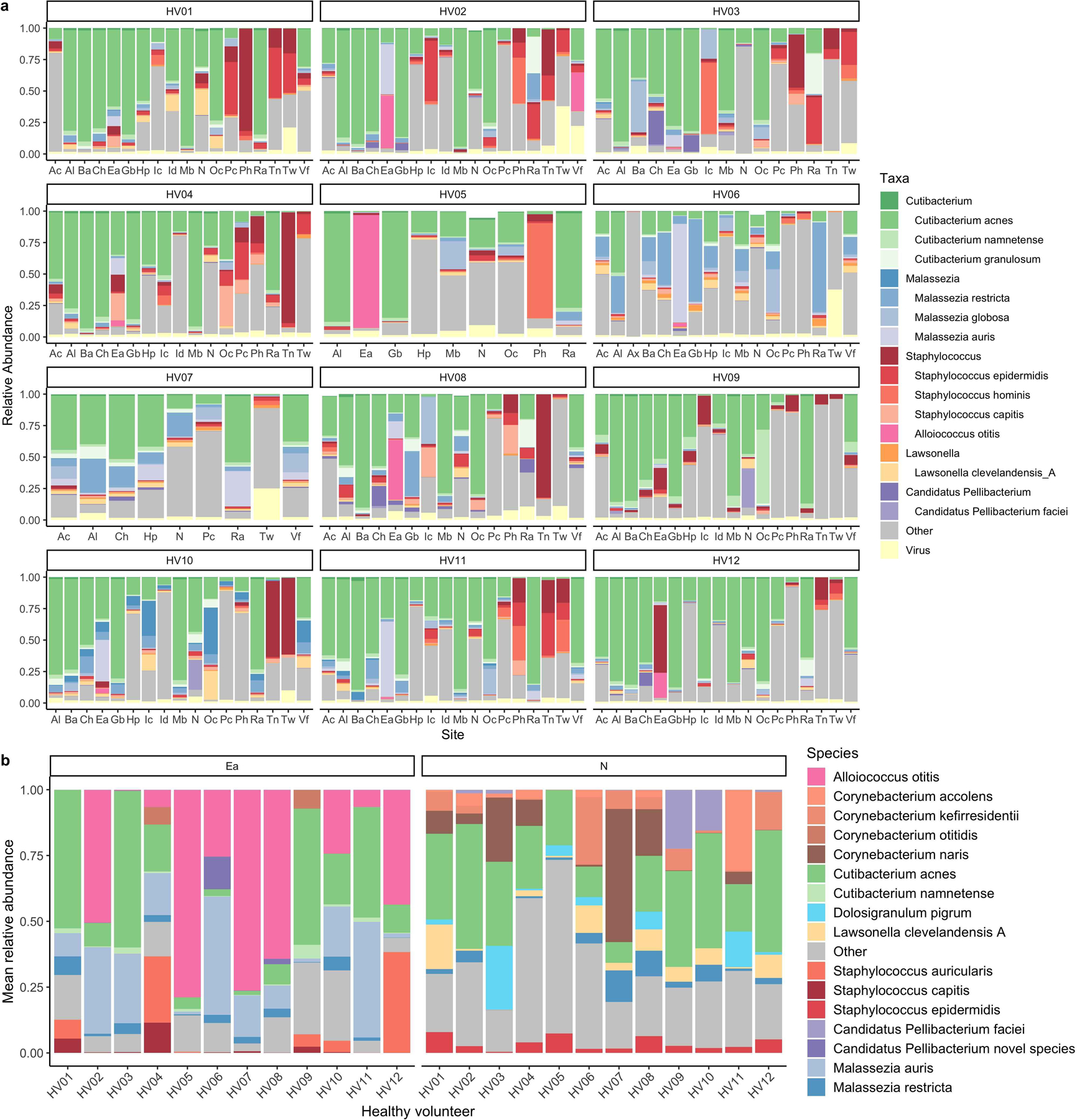
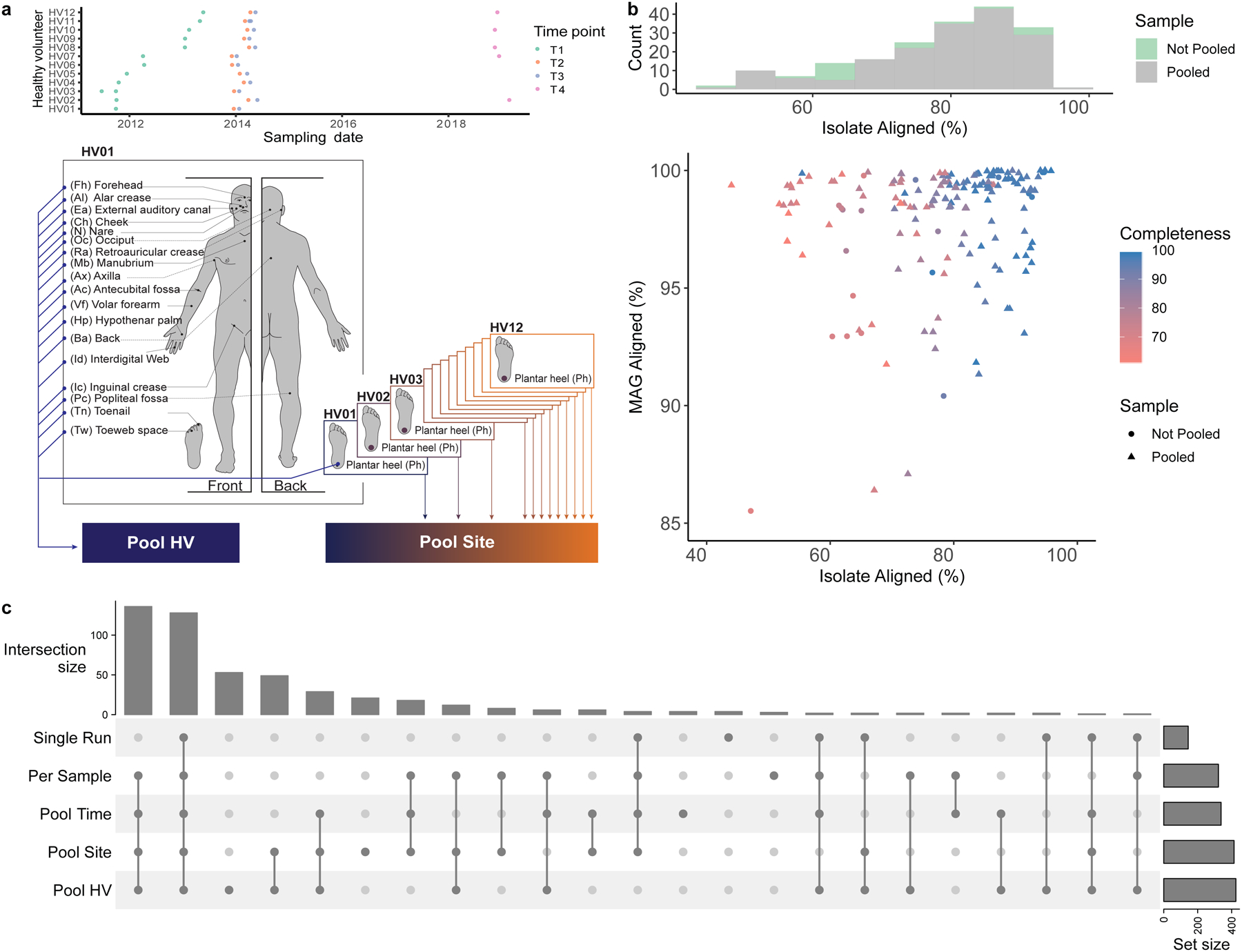
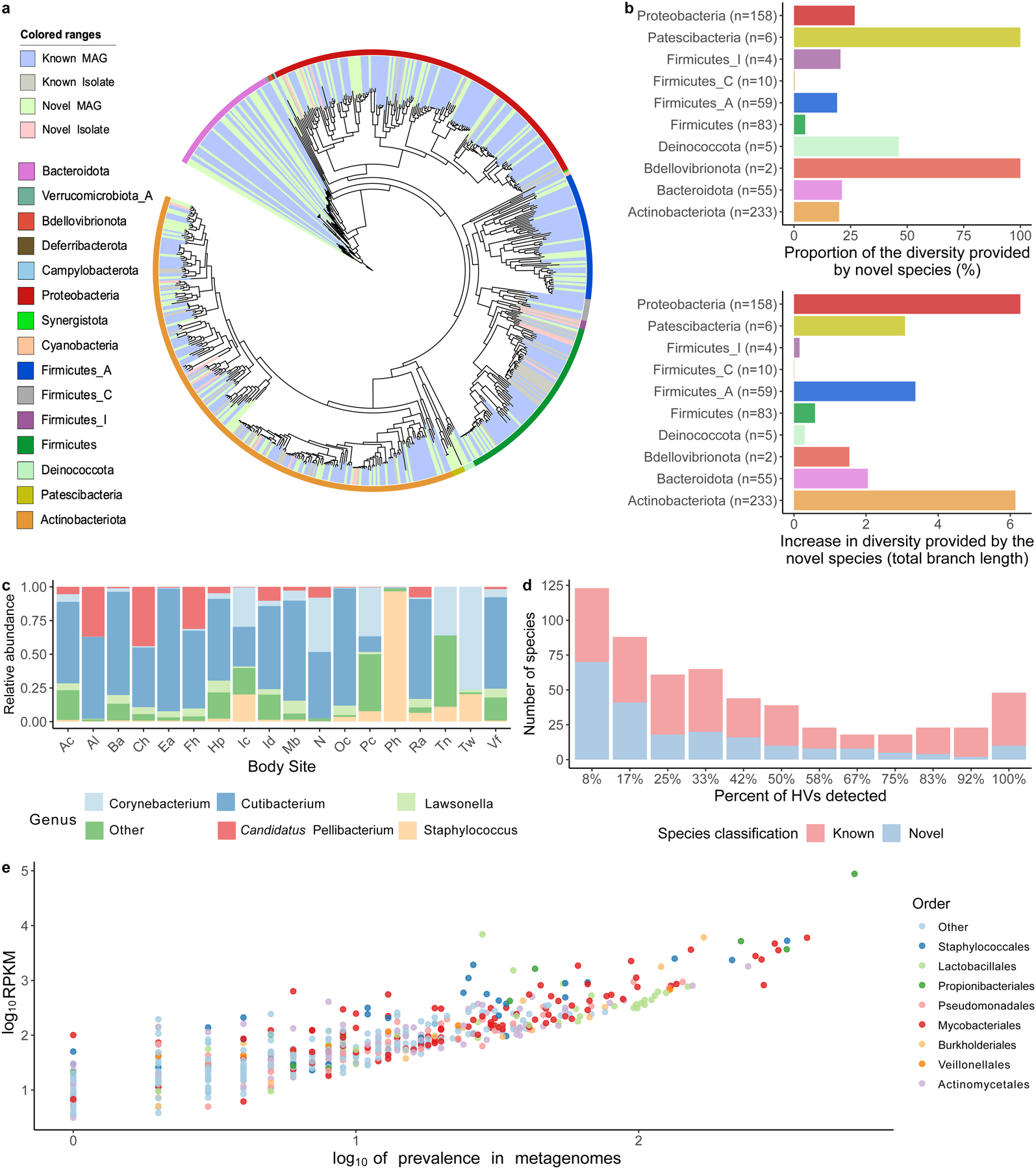
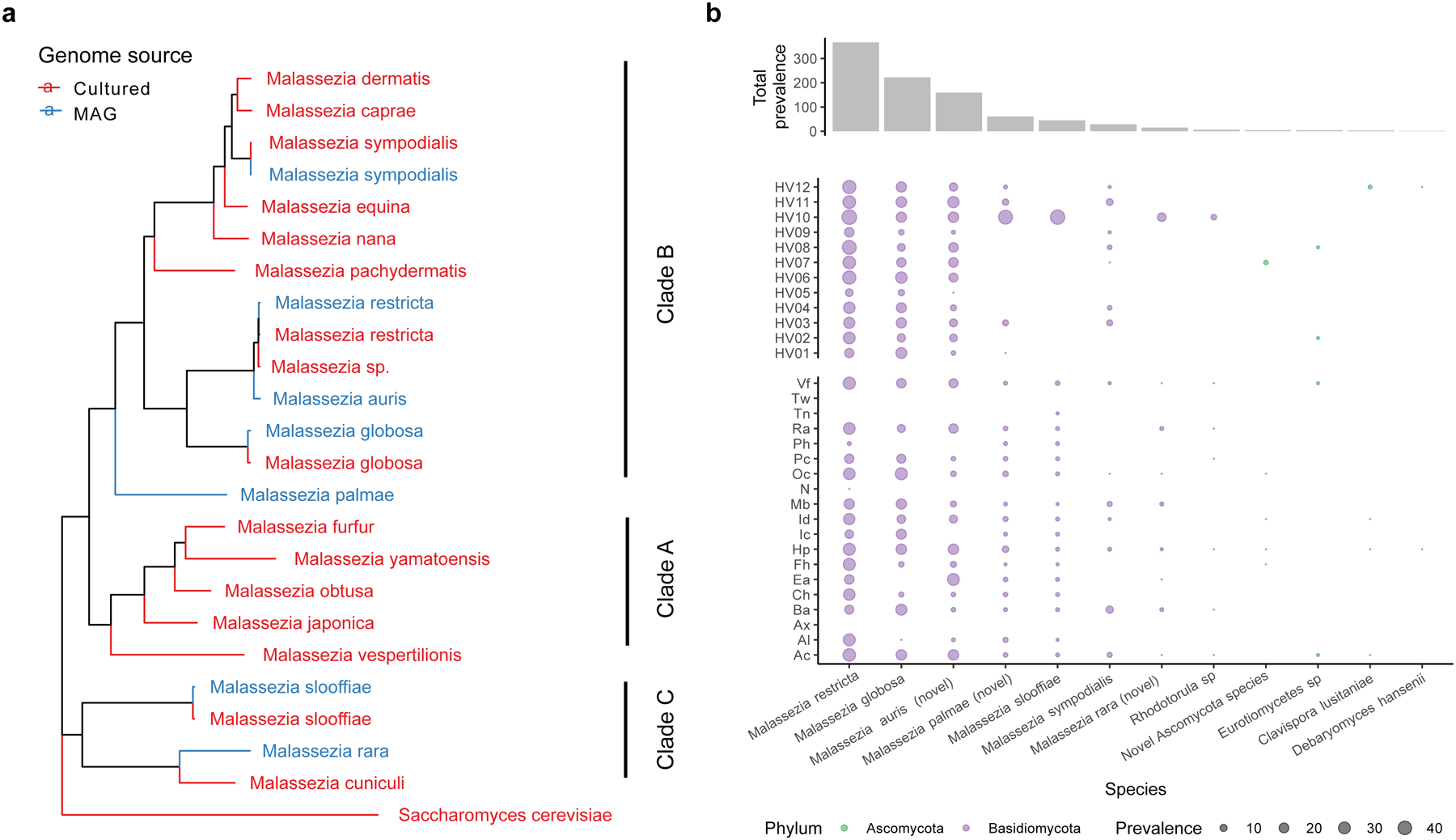
Human skin functions as a physical barrier to foreign pathogen invasion and houses numerous commensals. Shifts in the human skin microbiome have been associated with conditions ranging from acne to atopic dermatitis. Previous metagenomic investigations into the role of the skin microbiome in health or disease have found that much of the sequenced data do not match reference genomes, making it difficult to interpret metagenomic datasets. We combined bacterial cultivation and metagenomic sequencing to assemble the Skin Microbial Genome Collection (SMGC), which comprises 622 prokaryotic species derived from 7,535 metagenome-assembled genomes and 251 isolate genomes. The metagenomic datasets that we generated were combined with publicly available skin metagenomic datasets to identify members and functions of the human skin microbiome. The SMGC collection includes 174 newly identified bacterial species and 12 newly identified bacterial genera, including the abundant genus 'Candidatus Pellibacterium', which has been newly associated with the skin. The SMGC increases the characterized set of known skin bacteria by 26%. We validated the SMGC metagenome-assembled genomes by comparing them with sequenced isolates obtained from the same samples. We also recovered 12 eukaryotic species and assembled thousands of viral sequences, including newly identified clades of jumbo phages. The SMGC enables classification of a median of 85% of skin metagenomic sequences and provides a comprehensive view of skin microbiome diversity, derived primarily from samples obtained in North America.
人类皮肤作为抵御外来病原体入侵的物理屏障,拥有众多共生菌。人类皮肤微生物组的变化与从痤疮到特应性皮炎等各种疾病有关。先前对皮肤微生物组在健康或疾病中的作用的宏基因组研究发现,许多测序数据与参考基因组不匹配,这使得解释宏基因组数据集变得困难。我们结合细菌培养和宏基因组测序来组装皮肤微生物基因组集合(SMGC),该集合由 7535 个宏基因组组装基因组和 251 个分离株基因组中衍生的 622 个原核物种组成。我们生成的宏基因组数据集与公开的皮肤宏基因组数据集相结合,以鉴定人类皮肤微生物组的成员和功能。SMGC 集合包括 174 种新鉴定的细菌物种和 12 种新鉴定的细菌属,其中包括丰富的属“Candidatus Pellibacterium”,它与皮肤有新的关联。SMGC 将已知皮肤细菌的特征集增加了 26%。我们通过将 SMGC 宏基因组组装基因组与从相同样本中获得的测序分离株进行比较来验证它们。我们还回收了 12 种真核生物物种,并组装了数千种病毒序列,包括新发现的巨型噬菌体进化枝。SMGC 能够对 85%的皮肤宏基因组序列进行分类,并提供了对皮肤微生物组多样性的全面观察,这些多样性主要来自北美获得的样本。