Key Laboratory of Molecular Epigenetics of Ministry of Education, Northeast Normal University, 130024, Changchun, China.
BMC Microbiol. 2022 Jan 3;22(1):2. doi: 10.1186/s12866-021-02421-w.
The resources of wild ginseng have been reducing sharply, and it is mainly dependent on artificial cultivation in China, Korea and Japan. Based on cultivation modes, cultivated ginseng include understory wild ginseng (the seeds or seedlings of cultivated ginseng were planted under the theropencedrymion without human intervention) and farmland cultivated ginseng (grown in farmland with human intervention). Cultivated ginseng, can only be planted on the same plot of land consecutively for several years owing to soilborne diseases, which is mainly because of the variation in the soil microbial community. In contrast, wild ginseng can grow for hundreds of years. However, the knowledge of rhizosphere microbe communities of the wild ginseng is limited.
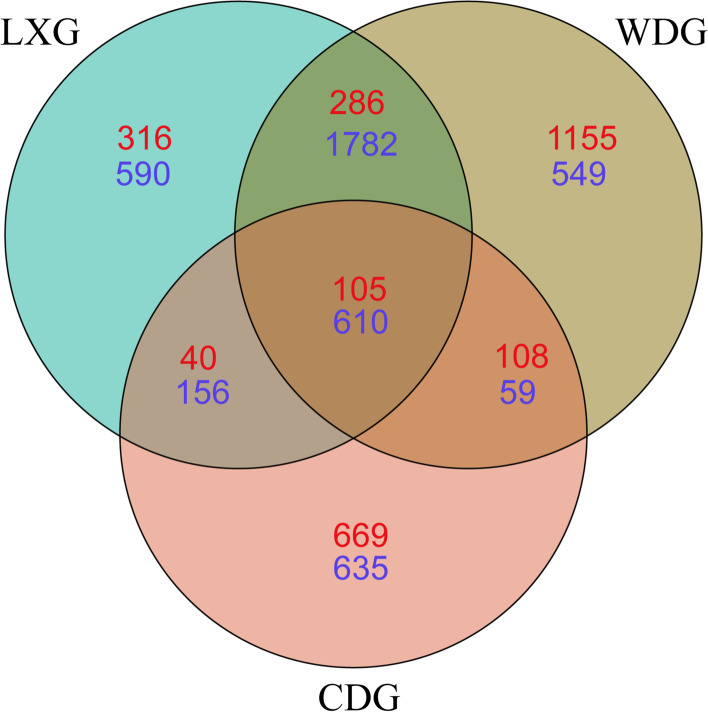
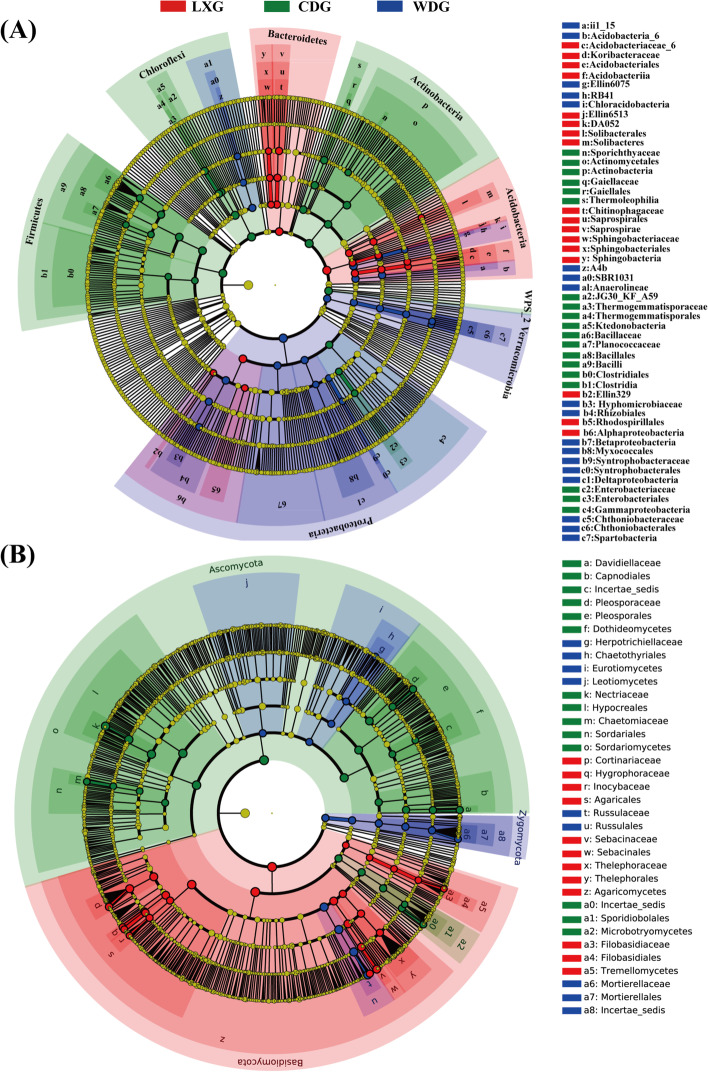
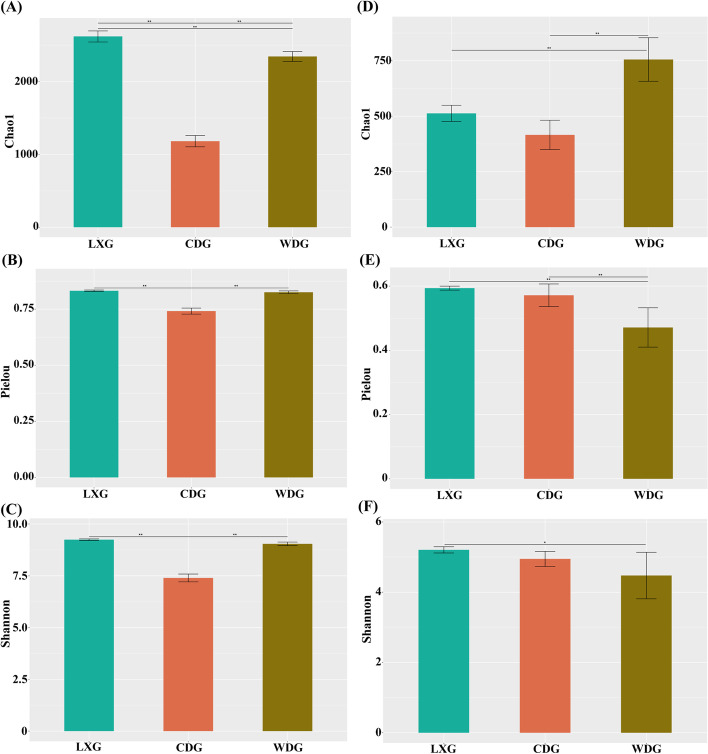
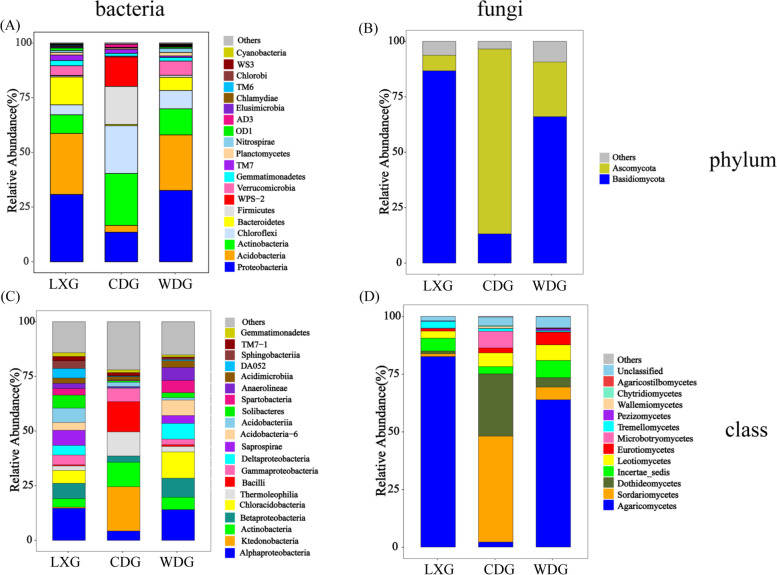
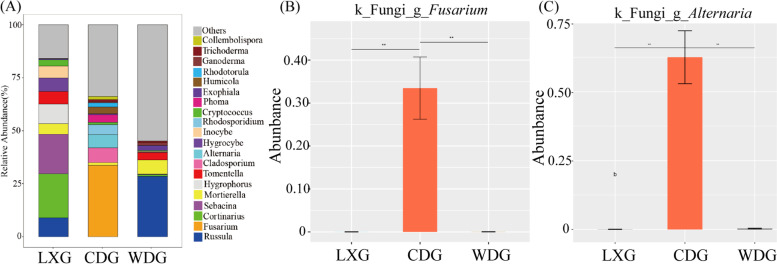
In the present study, the microbial communities in rhizosphere soils of the three types of ginseng were analyzed by high-throughput sequencing of 16 S rRNA for bacteria and internal transcribed spacer (ITS) region for fungi. In total, 4,381 bacterial operational taxonomic units (OTUs) and 2,679 fungal OTUs were identified in rhizosphere soils of the three types of ginseng. Among them, the shared bacterial OTUs was more than fungal OTUs by the three types of ginseng, revealing fungal communities were to be more affected than bacterial communities. In addition, the composition of rhizosphere microbial communities and bacterial diversity were similar between understory wild ginseng and wild ginseng. However, higher bacterial diversity and lower fungal diversity were found in rhizosphere soils of wild ginseng compared with farmland cultivated ginseng. Furthermore, the relative abundance of Chloroflexi, Fusarium and Alternaria were higher in farmland cultivated ginseng compared to wild ginseng and understory wild ginseng.
Our results showed that composition and diversity of rhizosphere microbial communities were significantly different in three types of ginseng. This study extended the knowledge pedigree of the microbial diversity populating rhizospheres, and provided insights into resolving the limiting bottleneck on the sustainable development of P. ginseng crops, and even the other crops of Panax.
野生人参资源急剧减少,主要依赖中、朝、日三国的人工栽培。根据栽培方式,栽培人参包括林下野山参(人工栽培的人参种子或幼苗在无人为干预的情况下种植在林下)和农田栽培人参(在有人为干预的农田中生长)。由于土壤传播疾病,栽培人参只能在同一块土地上连续种植几年,这主要是由于土壤微生物群落的变化。相比之下,野生人参可以生长数百年。然而,野生人参根际微生物群落的知识有限。
本研究通过高通量测序 16S rRNA 分析了三种人参根际土壤中的微生物群落。共鉴定出三种人参根际土壤中 4381 个细菌操作分类单元(OTU)和 2679 个真菌 OTU。其中,三种人参的共享细菌 OTU 多于真菌 OTU,表明真菌群落比细菌群落受影响更大。此外,林下野山参和野生人参根际微生物群落的组成和细菌多样性相似。然而,与农田栽培人参相比,野生人参根际土壤中的细菌多样性更高,真菌多样性更低。此外,农田栽培人参中 Chloroflexi、Fusarium 和 Alternaria 的相对丰度高于野生人参和林下野山参。
我们的结果表明,三种人参根际微生物群落的组成和多样性存在显著差异。本研究扩展了根际微生物群落多样性的知识谱系,为解决人参作物可持续发展的瓶颈问题提供了思路,甚至为其他 Panax 作物提供了思路。