Feng Chan, Li Yongjiang, Ferdows Bijan Emiliano, Patel Dylan Neal, Ouyang Jiang, Tang Zhongmin, Kong Na, Chen Enguo, Tao Wei
Department of Respiratory Medicine, Sir Run Run Shaw Hospital, Zhejiang University School of Medicine, Hangzhou 310016, China.
Center for Nanomedicine and Department of Anesthesiology, Brigham and Women's Hospital, Harvard Medical School, Boston, MA 02115, USA.
Acta Pharm Sin B. 2022 May;12(5):2206-2223. doi: 10.1016/j.apsb.2021.12.021. Epub 2022 Jan 4.
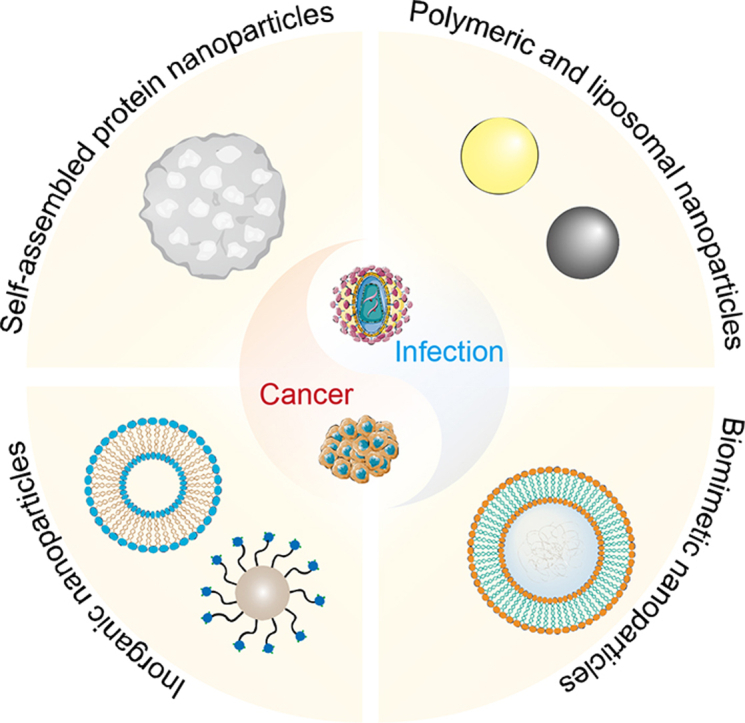
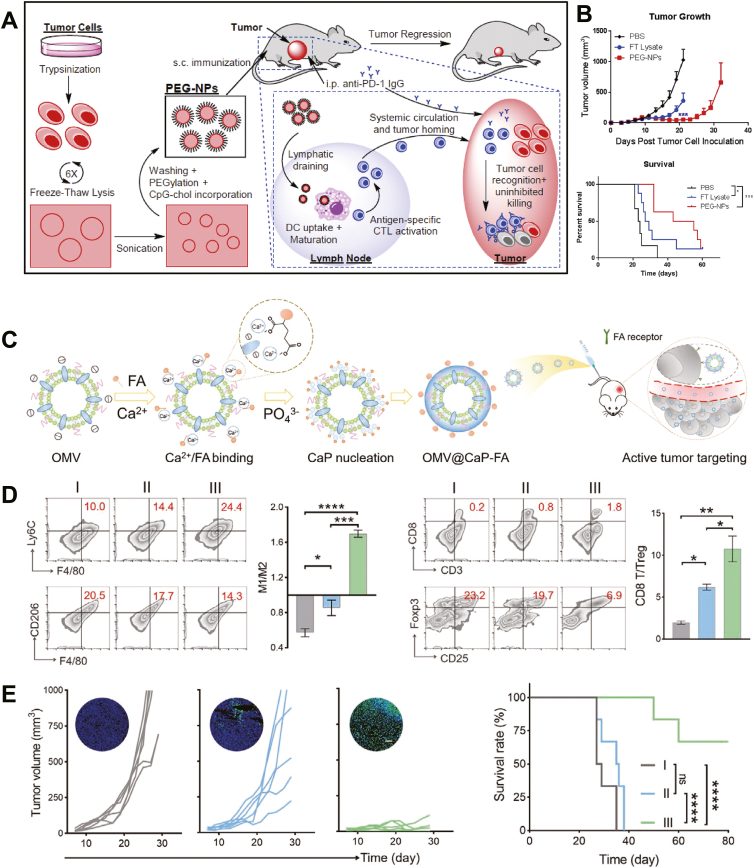
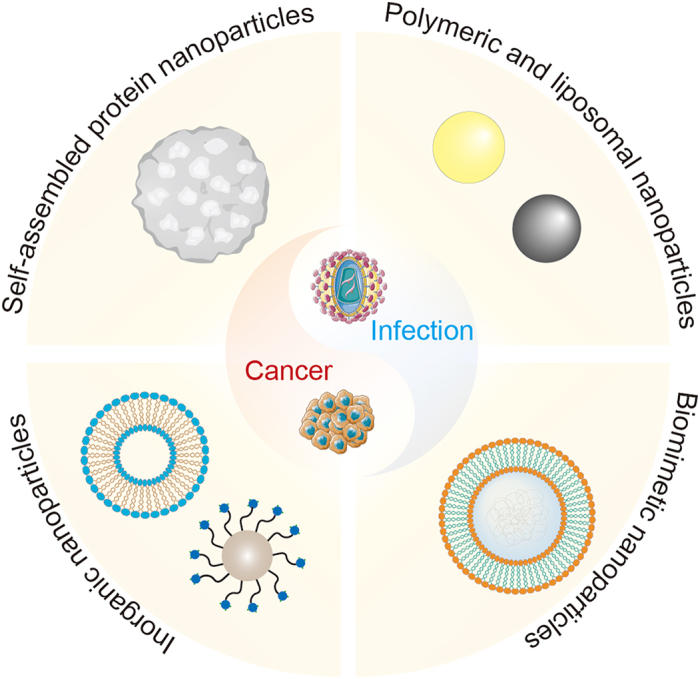
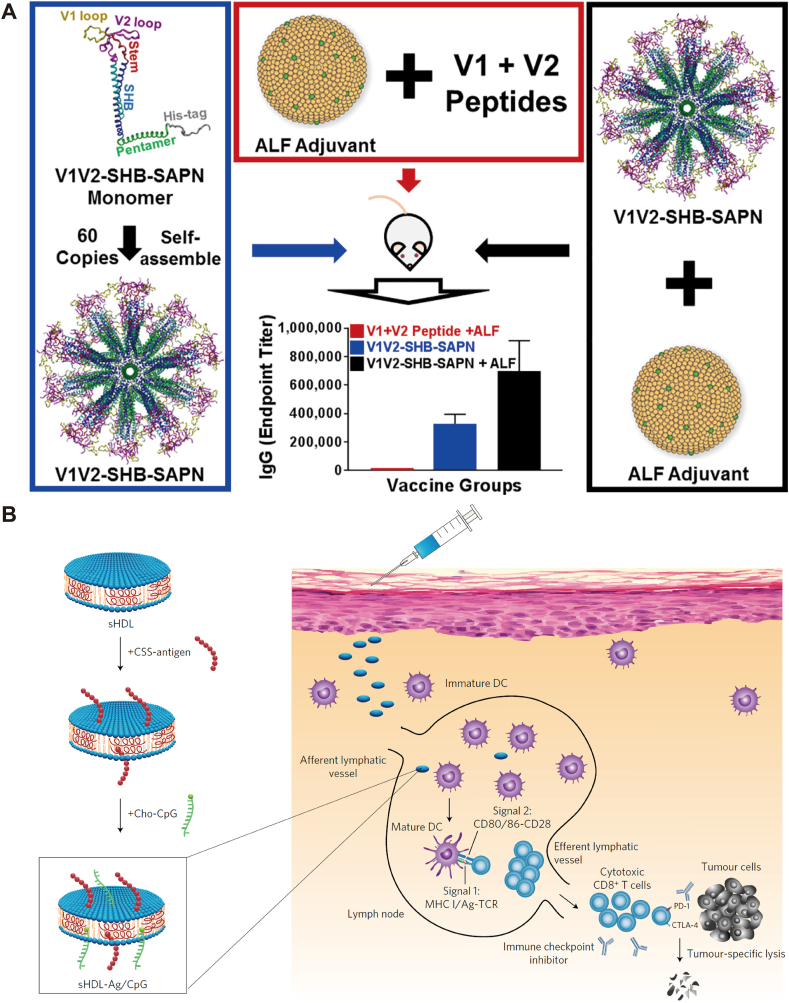
Looking retrospectively at the development of humanity, vaccination is an unprecedented medical landmark that saves lives by harnessing the human immune system. During the ongoing coronavirus disease 2019 (COVID-19) pandemic, vaccination is still the most effective defense modality. The successful clinical application of the lipid nanoparticle-based Pfizer/BioNTech and Moderna mRNA COVID-19 vaccines highlights promising future of nanotechnology in vaccine development. Compared with conventional vaccines, nanovaccines are supposed to have advantages in lymph node accumulation, antigen assembly, and antigen presentation; they also have, unique pathogen biomimicry properties because of well-organized combination of multiple immune factors. Beyond infectious diseases, vaccine nanotechnology also exhibits considerable potential for cancer treatment. The ultimate goal of cancer vaccines is to fully mobilize the potency of the immune system as a living therapeutic to recognize tumor antigens and eliminate tumor cells, and nanotechnologies have the requisite properties to realize this goal. In this review, we summarize the recent advances in vaccine nanotechnology from infectious disease prevention to cancer immunotherapy and highlight the different types of materials, mechanisms, administration methods, as well as future perspectives.
回顾人类的发展历程,疫苗接种是一项前所未有的医学里程碑,它通过利用人体免疫系统来拯救生命。在当前的2019冠状病毒病(COVID-19)大流行期间,疫苗接种仍然是最有效的防御方式。基于脂质纳米颗粒的辉瑞/ BioNTech和莫德纳mRNA COVID-19疫苗的成功临床应用凸显了纳米技术在疫苗开发中的广阔前景。与传统疫苗相比,纳米疫苗在淋巴结聚集、抗原组装和抗原呈递方面具有优势;由于多种免疫因子的有序组合,它们还具有独特的病原体仿生特性。除了传染病,疫苗纳米技术在癌症治疗方面也展现出巨大潜力。癌症疫苗的最终目标是充分调动免疫系统作为一种活体治疗手段的效力,以识别肿瘤抗原并消除肿瘤细胞,而纳米技术具备实现这一目标所需的特性。在这篇综述中,我们总结了疫苗纳米技术从传染病预防到癌症免疫治疗的最新进展,并重点介绍了不同类型的材料、机制、给药方法以及未来展望。