Wang Xiaowen, Wang Zhen, Zhai Wenya, Wang Fengyun, Ge Zhixing, Yu Haibo, Yang Wenguang
School of Electromechanical and Automotive Engineering, Yantai University, Yantai 264005, China.
School of Energy and Materials Engineering, Shandong Polytechnic College, Jining 272000, China.
Micromachines (Basel). 2021 Dec 31;13(1):75. doi: 10.3390/mi13010075.
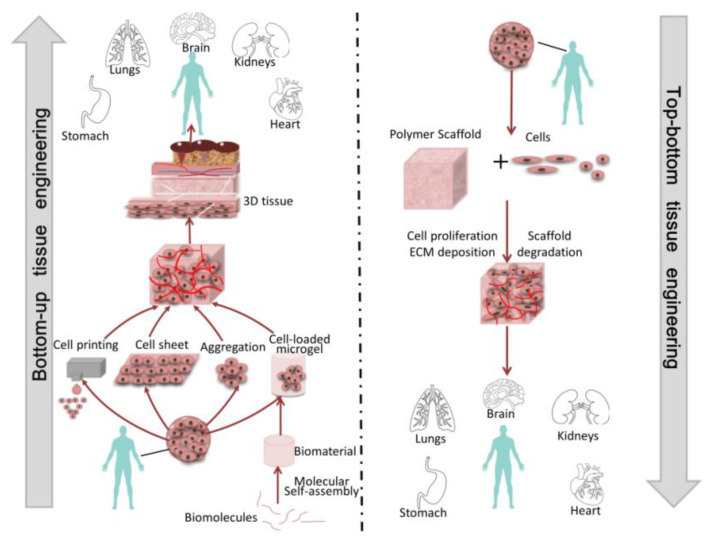
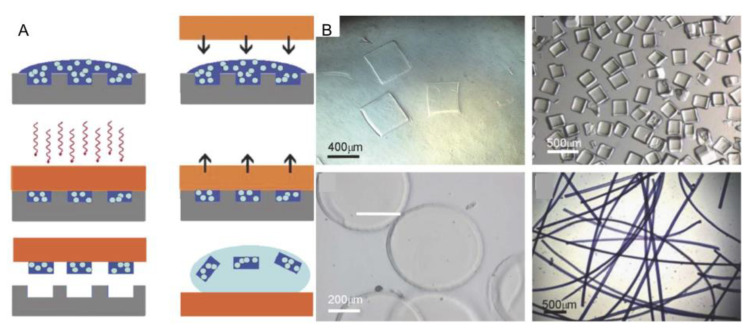
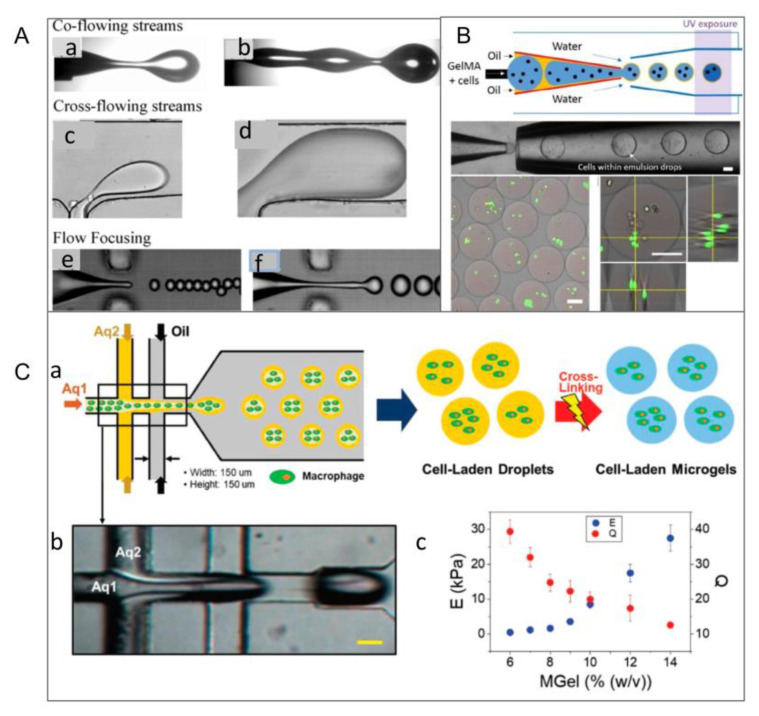
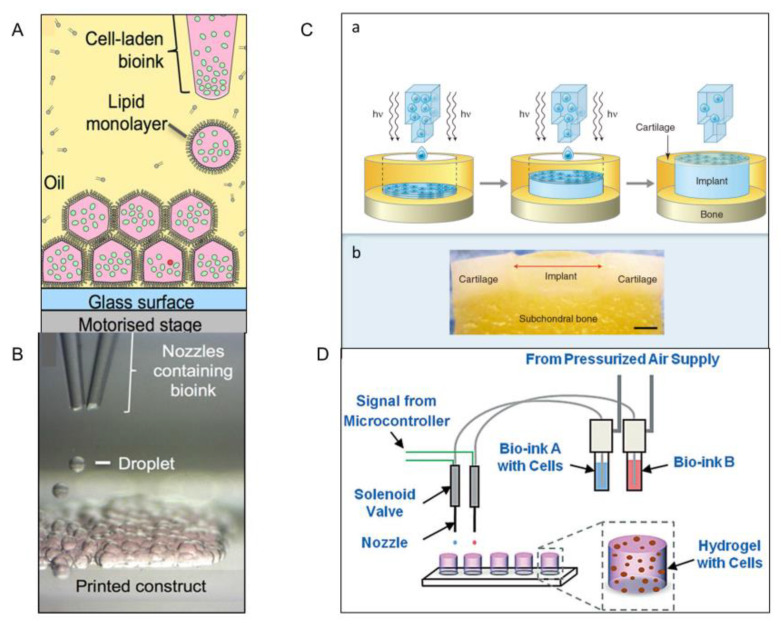
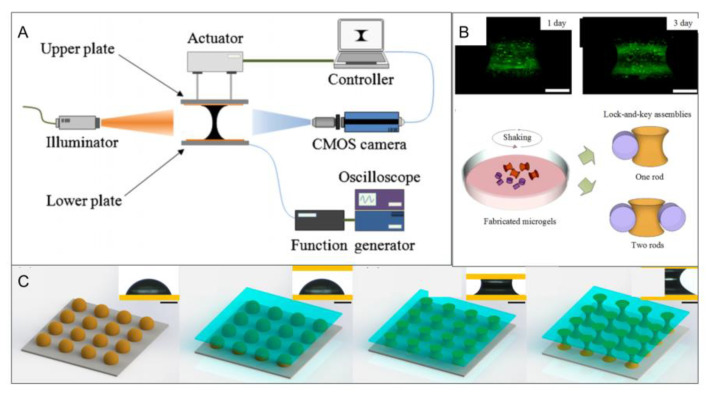
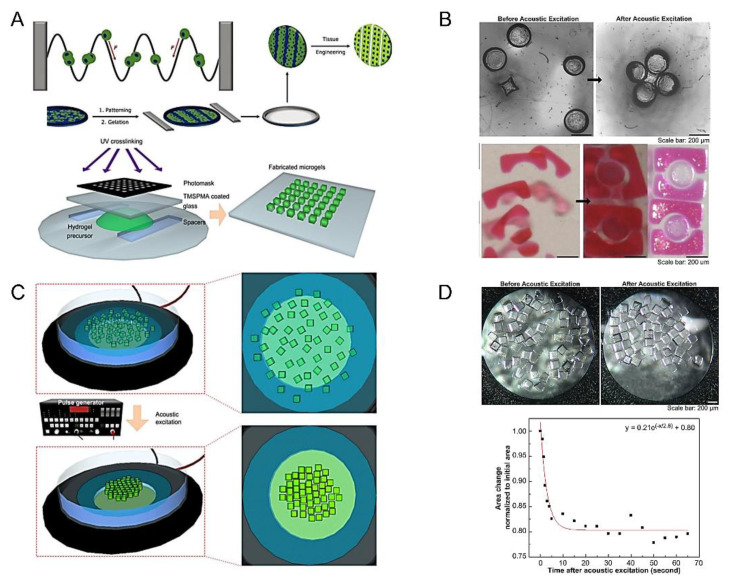
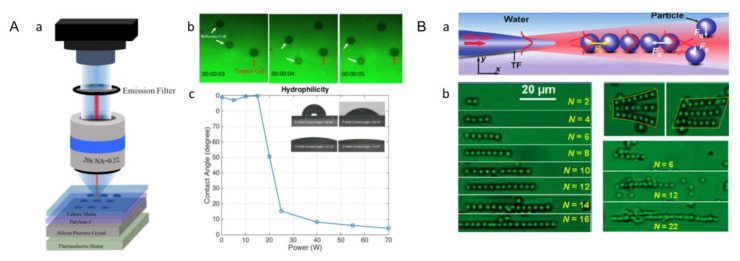
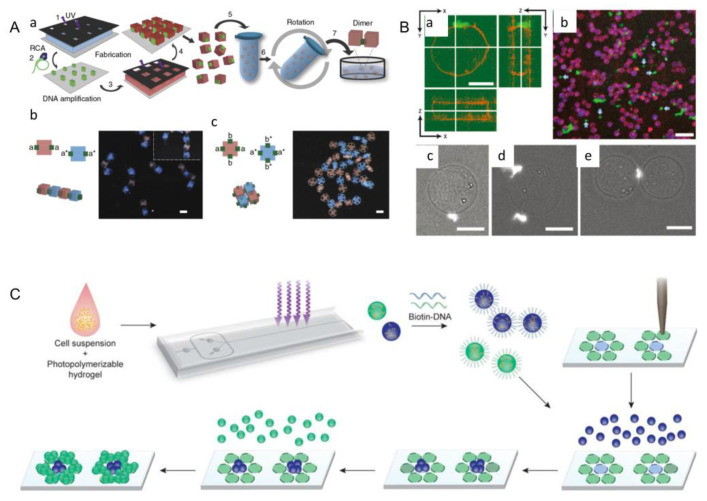
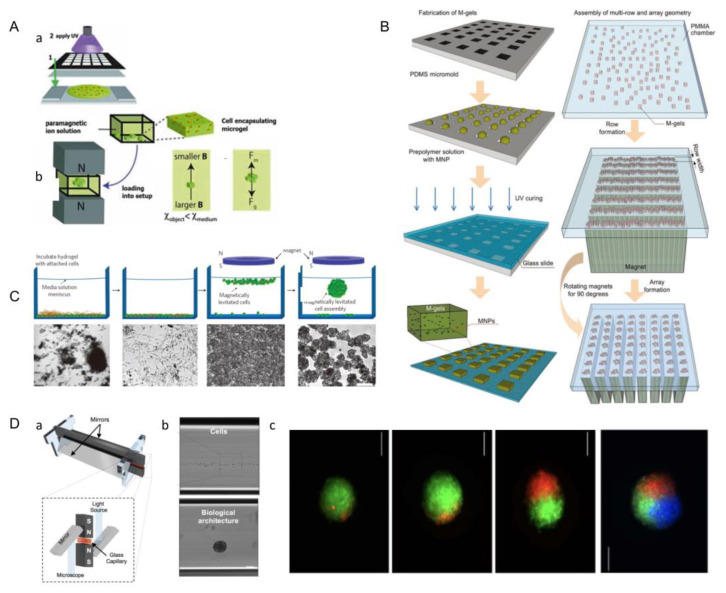
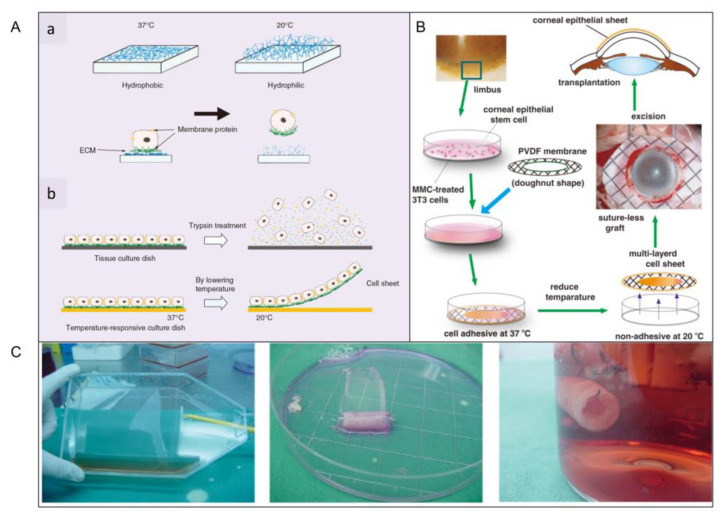
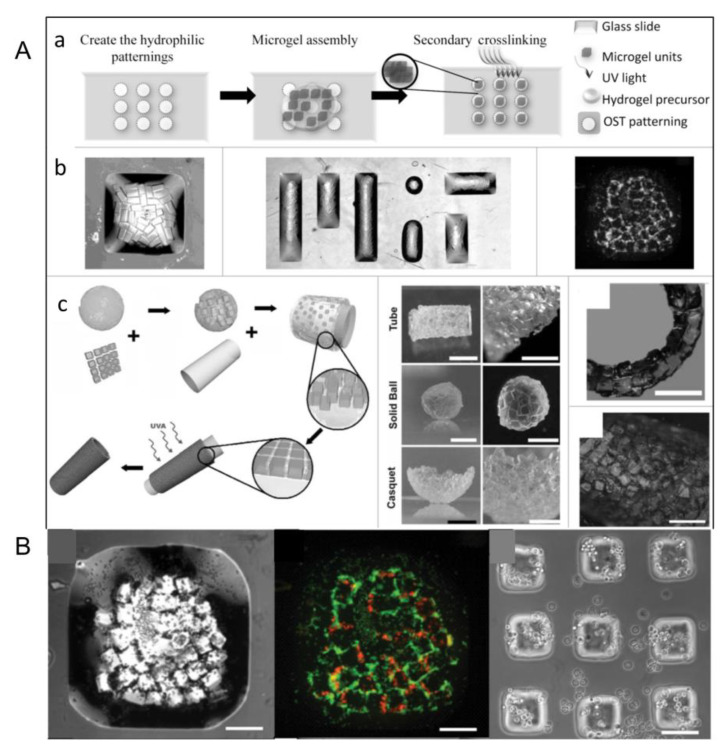
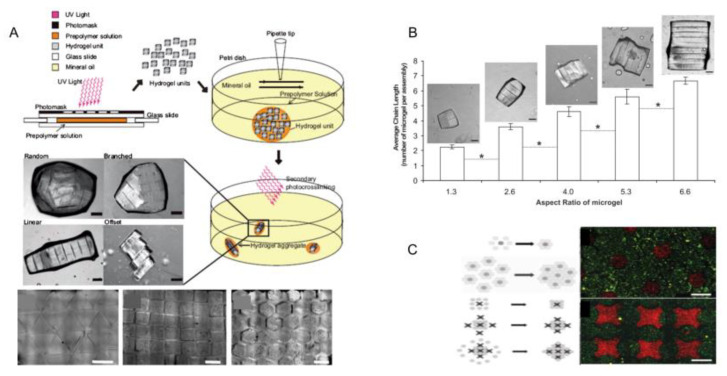
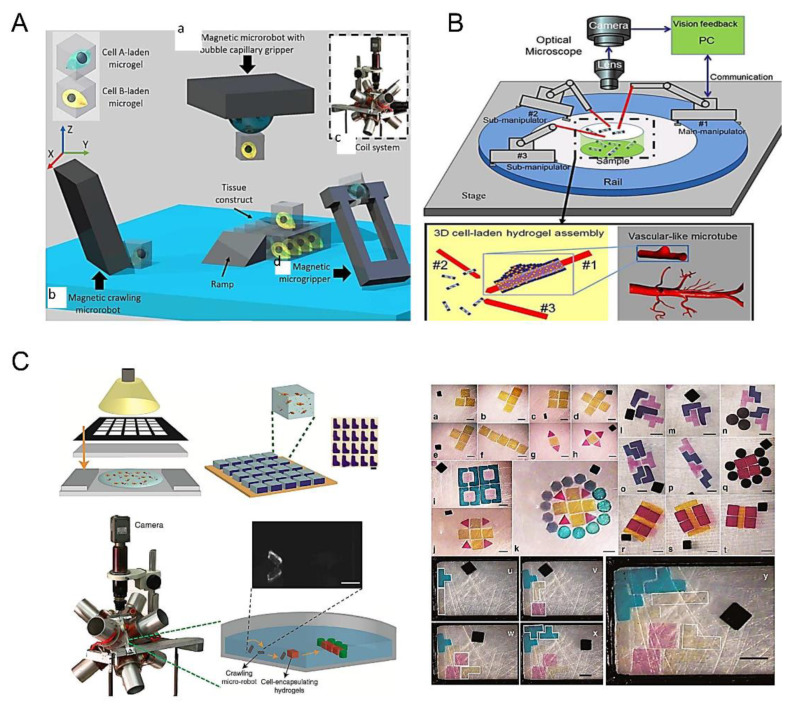
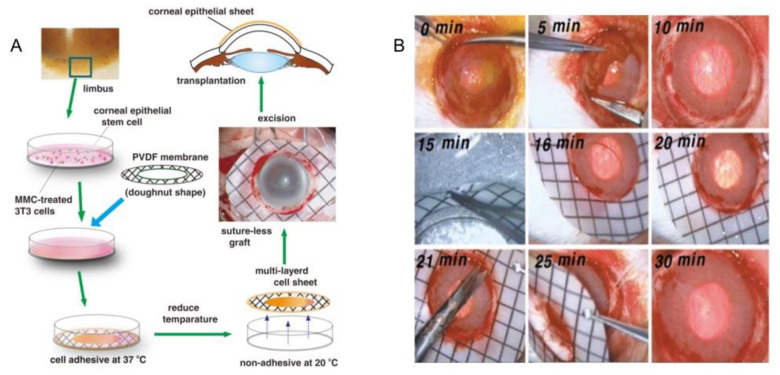
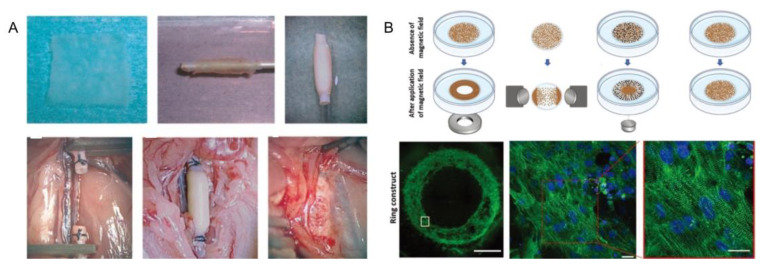
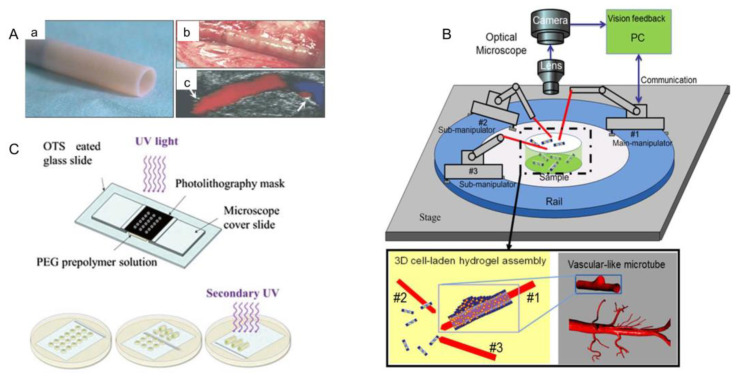
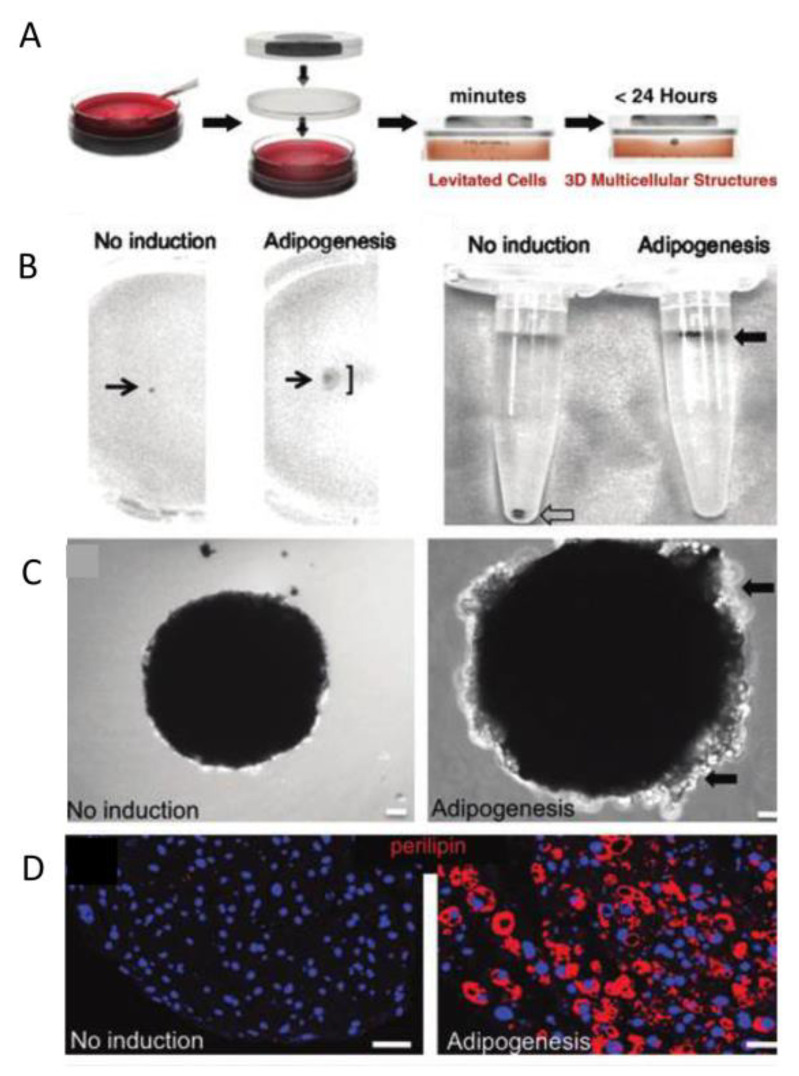
Tissue engineering provides a powerful solution for current organ shortages, and researchers have cultured blood vessels, heart tissues, and bone tissues in vitro. However, traditional top-down tissue engineering has suffered two challenges: vascularization and reconfigurability of functional units. With the continuous development of micro-nano technology and biomaterial technology, bottom-up tissue engineering as a promising approach for organ and tissue modular reconstruction has gradually developed. In this article, relevant advances in living blocks fabrication and assembly techniques for creation of higher-order bioarchitectures are described. After a critical overview of this technology, a discussion of practical challenges is provided, and future development prospects are proposed.
组织工程为当前的器官短缺问题提供了一个强有力的解决方案,研究人员已经在体外培养出了血管、心脏组织和骨组织。然而,传统的自上而下的组织工程面临两个挑战:功能单元的血管化和可重构性。随着微纳技术和生物材料技术的不断发展,自下而上的组织工程作为一种用于器官和组织模块化重建的有前景的方法逐渐发展起来。本文描述了用于创建高阶生物结构的活性模块制造和组装技术的相关进展。在对该技术进行批判性概述之后,讨论了实际面临的挑战,并提出了未来的发展前景。