Key Laboratory of Biofuels, Shandong Provincial Key Laboratory of Energy Genetics, Qingdao Institute of Bioenergy and Bioprocess Technology, Chinese Academy of Sciences, Qingdao, China.
University of Chinese Academy of Sciences, Beijing, China.
mSystems. 2022 Feb 22;7(1):e0135821. doi: 10.1128/msystems.01358-21. Epub 2022 Jan 4.
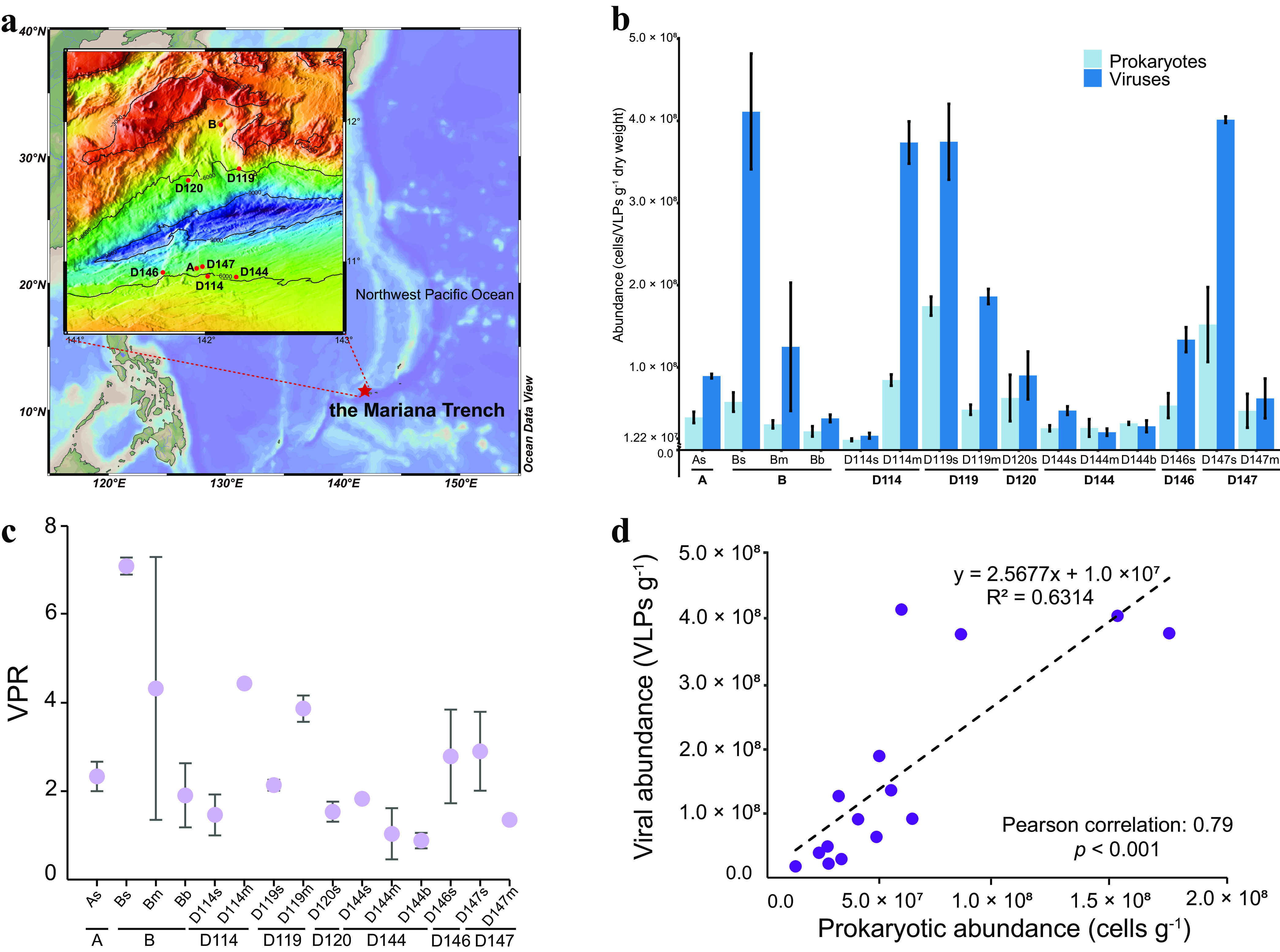
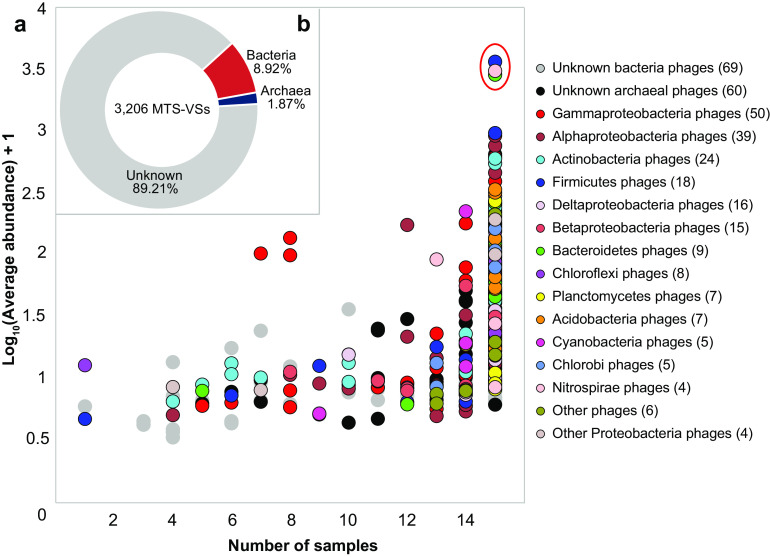
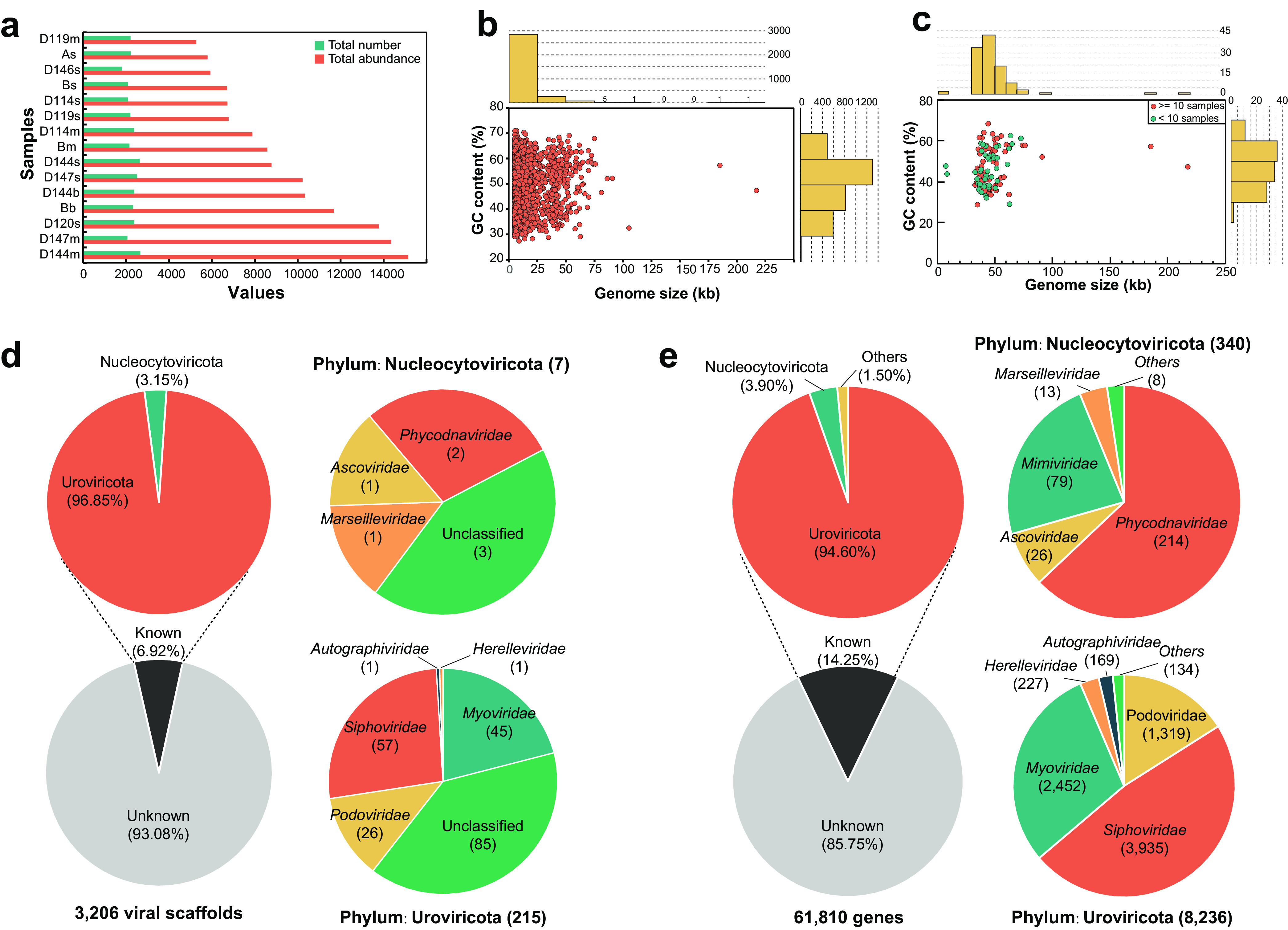
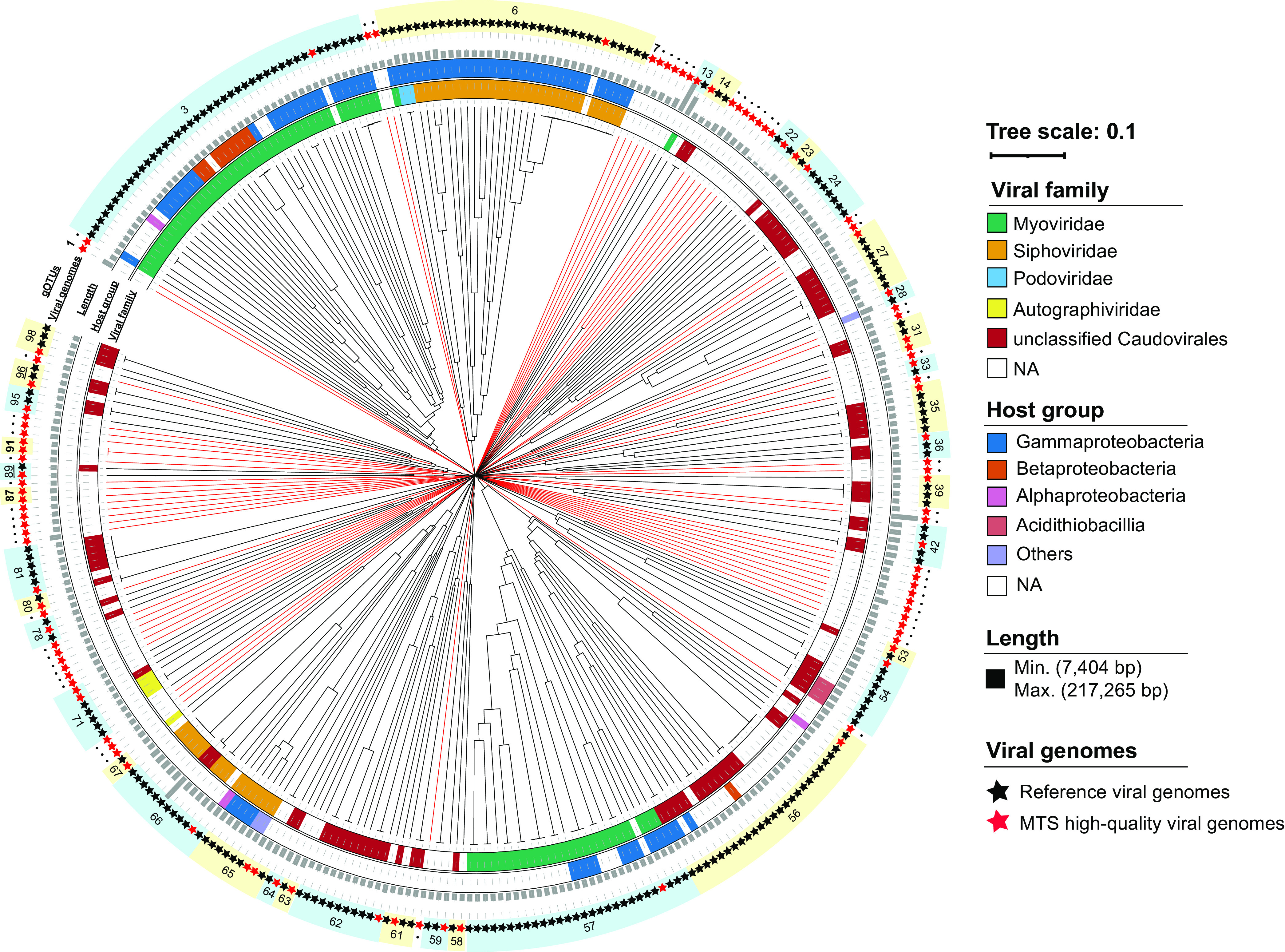
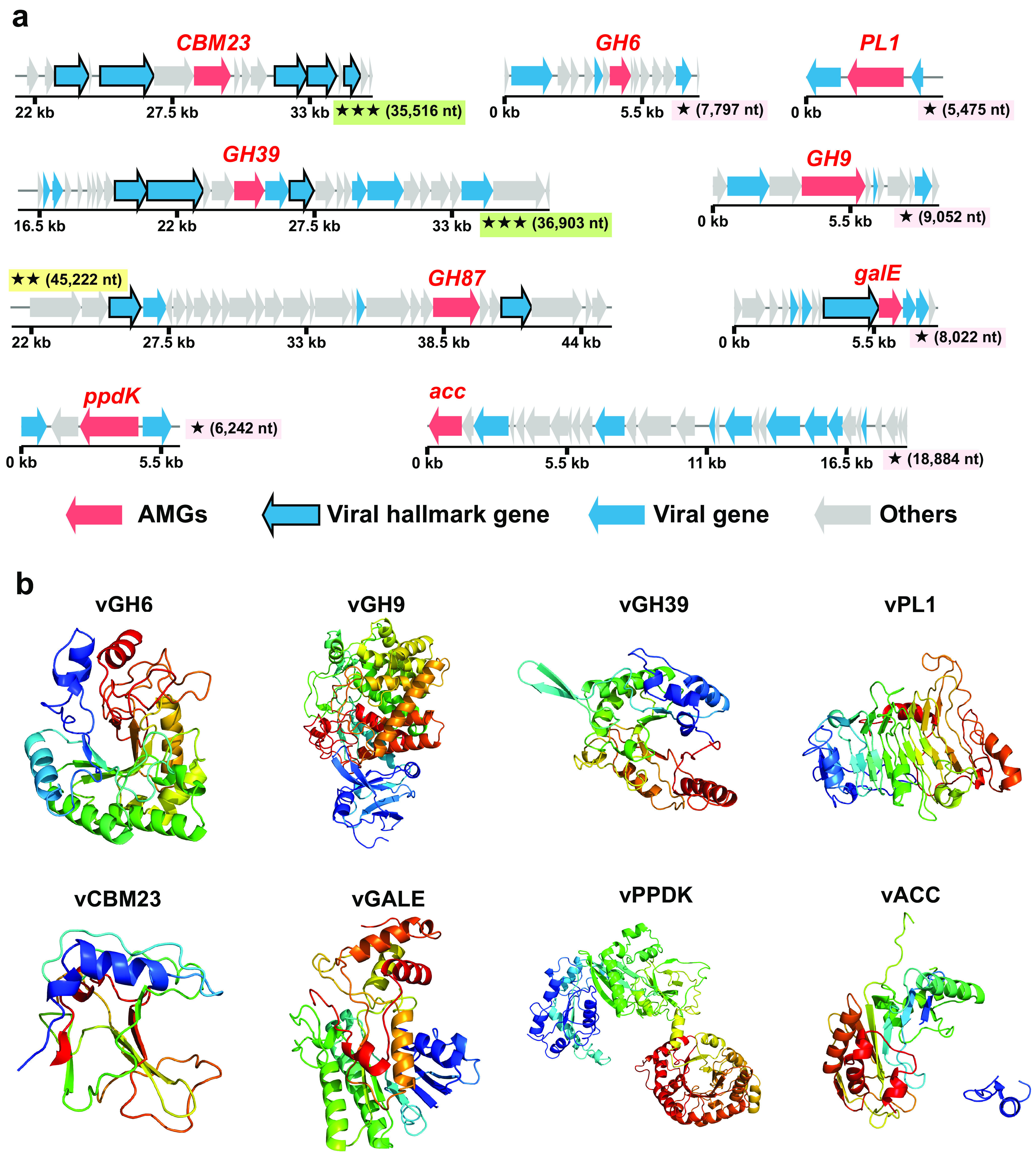
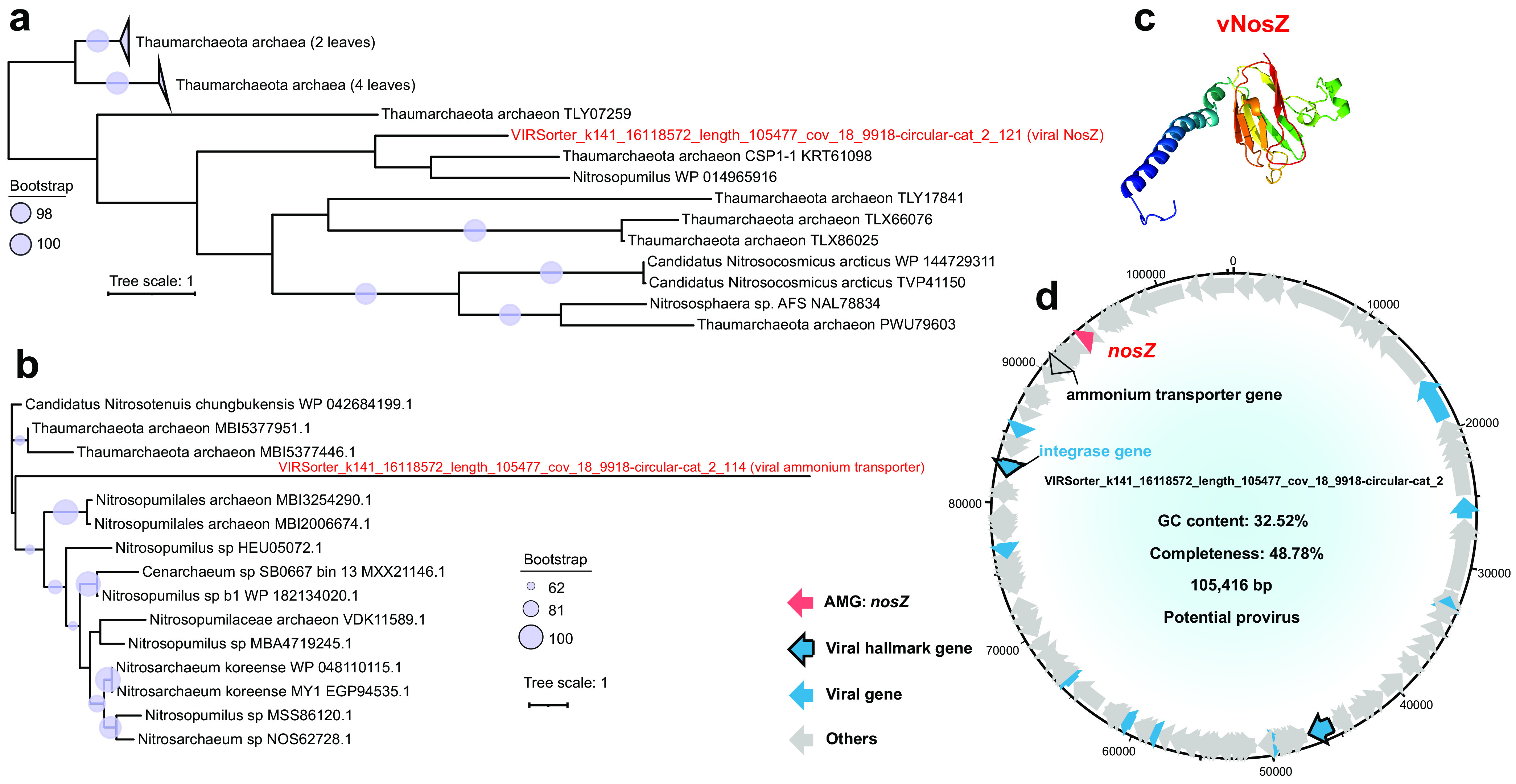
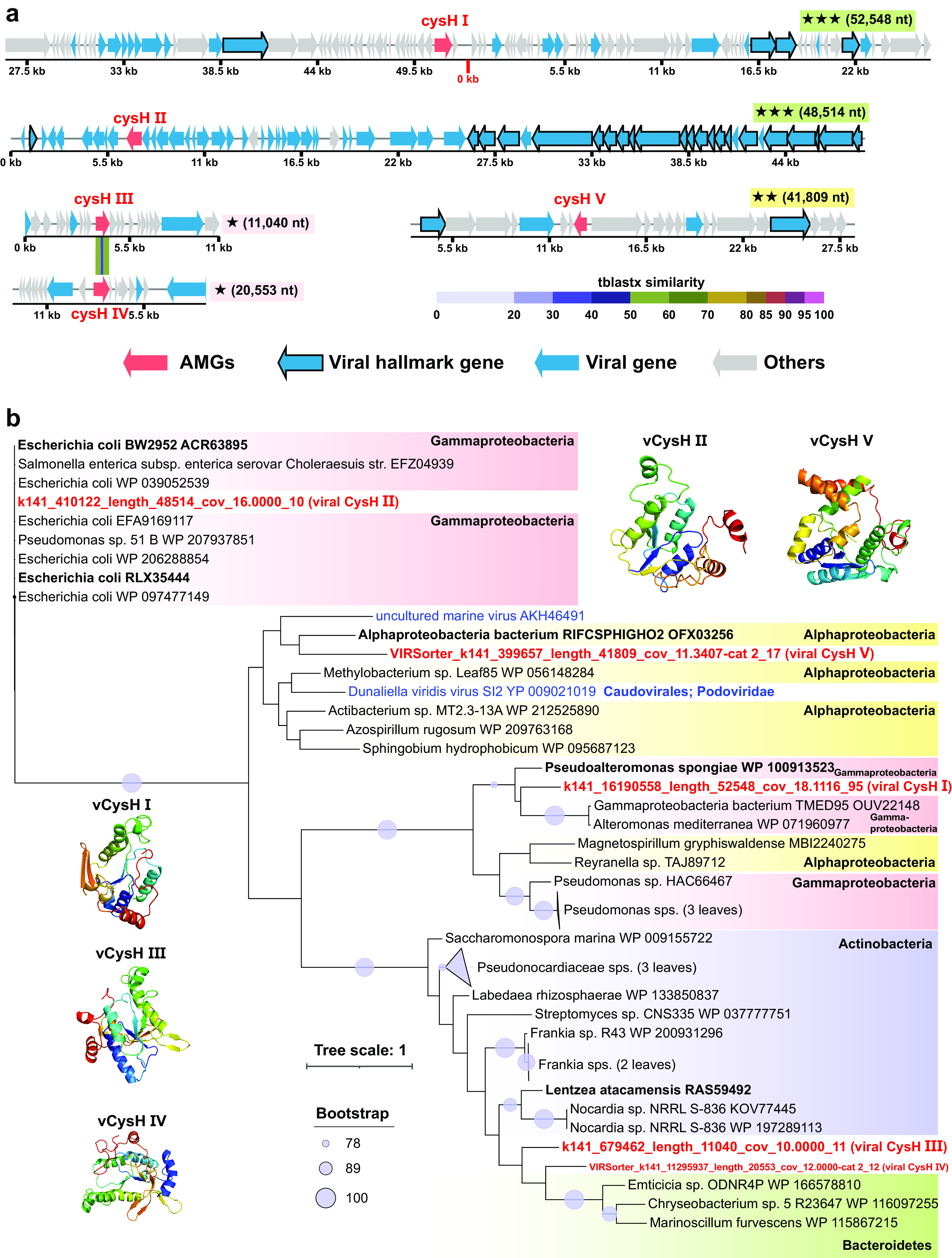
Viruses are ubiquitous in the oceans. Even in the deep sediments of the Mariana Trench, viruses have high productivity. However, little is known about their species composition and survival strategies in that environment. Here, we uncovered novel viral communities (3,206 viral scaffolds) in the upper slope sediments of the Mariana Trench via metagenomic analysis of 15 sediment samples. Most (99%) of the viral scaffolds lack known viral homologs, and ca. 59% of the high-quality viral genomes (total of 111 with completeness of >90%) represent novel genera, including some and jumbo phages. These viruses contain various auxiliary metabolic genes (AMGs) potentially involved in organic carbon degradation, inorganic carbon fixation, denitrification, and assimilatory sulfate reduction, etc. This study provides novel insight into the almost unknown benthic viral communities in the Mariana Trench. The Mariana Trench harbors a substantial number of infective viral particles. However, very little is known about the identity, survival strategy, and potential functions of viruses in the trench sediments. Here, through metagenomic analysis, unusual benthic viral communities with high diversity and novelty were discovered. Among them, 59% of the viruses with a genome completeness of >90% represent novel genera. Various auxiliary metabolic genes carried by these viruses reflect the potential adaptive characteristics of viruses in this extreme environment and the biogeochemical cycles that they may participate in. This study gives us a deeper understanding of the peculiarities of viral communities in deep-sea/hadal sediments.
病毒在海洋中无处不在。即使在马里亚纳海沟的深海沉积物中,病毒的生产力也很高。然而,对于它们在该环境中的物种组成和生存策略,人们知之甚少。在这里,我们通过对马里亚纳海沟上斜坡沉积物的 15 个沉积物样本进行宏基因组分析,揭示了新的病毒群落(3206 个病毒支架)。大多数(99%)的病毒支架缺乏已知的病毒同源物,约 59%的高质量病毒基因组(总数为 111 个,完整性>90%)代表新的属,包括一些巨型噬菌体。这些病毒含有各种辅助代谢基因(AMGs),可能参与有机碳降解、无机碳固定、反硝化和同化硫酸盐还原等过程。本研究为马里亚纳海沟中几乎未知的底栖病毒群落提供了新的见解。马里亚纳海沟蕴藏着大量具有感染力的病毒粒子。然而,对于海沟沉积物中病毒的身份、生存策略和潜在功能,人们知之甚少。在这里,通过宏基因组分析,发现了具有高度多样性和新颖性的异常底栖病毒群落。其中,基因组完整性>90%的病毒中有 59%代表新的属。这些病毒携带的各种辅助代谢基因反映了病毒在这种极端环境中的潜在适应性特征以及它们可能参与的生物地球化学循环。本研究使我们对深海/超深海沉积物中病毒群落的特殊性有了更深入的了解。