Laboratory of Molecular Neurophysiology, Department of Life Sciences, Pohang University of Science and Technology (POSTECH), 77 Cheongam-Ro, Pohang, Gyeongbuk, 37673, South Korea.
Division of Integrative Biosciences and Biotechnology (IBB), Pohang University of Science and Technology (POSTECH), 77 Cheongam-Ro, Pohang, Gyeongbuk, 37673, South Korea.
Adv Sci (Weinh). 2022 Apr;9(10):e2105373. doi: 10.1002/advs.202105373. Epub 2022 Feb 3.
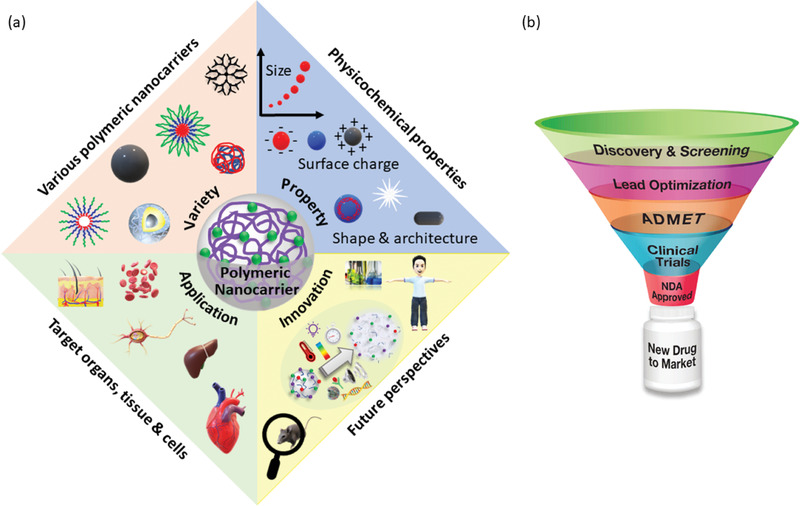
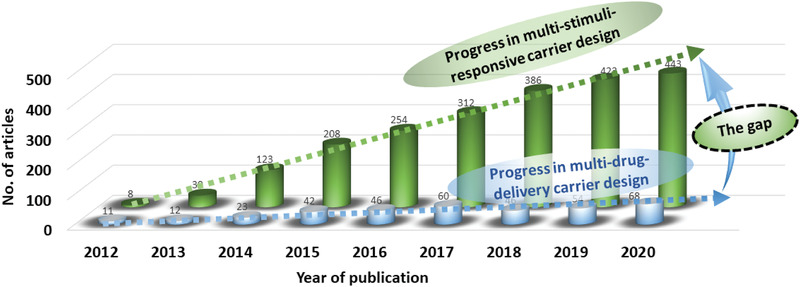
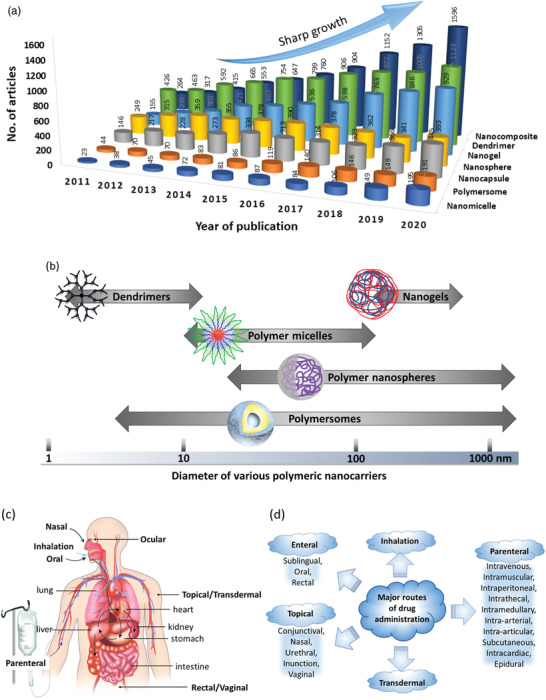
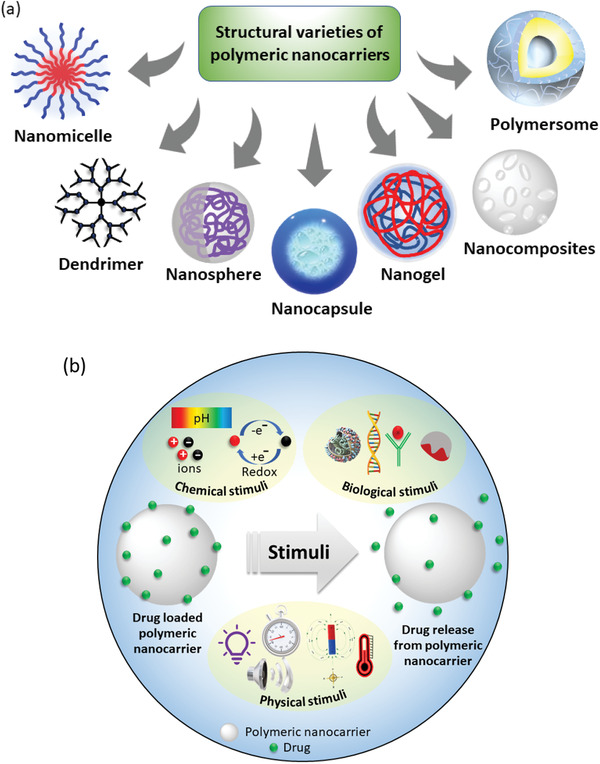
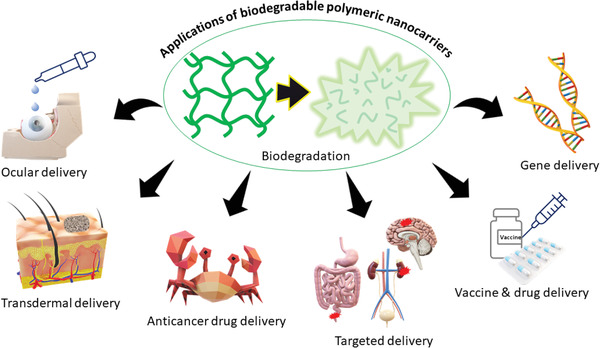
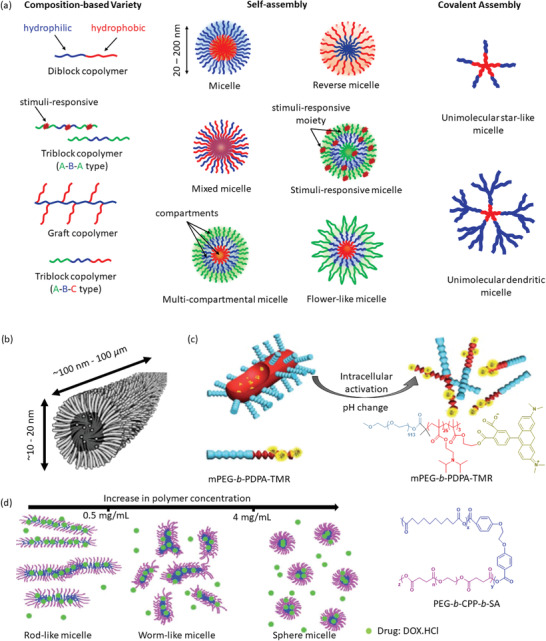
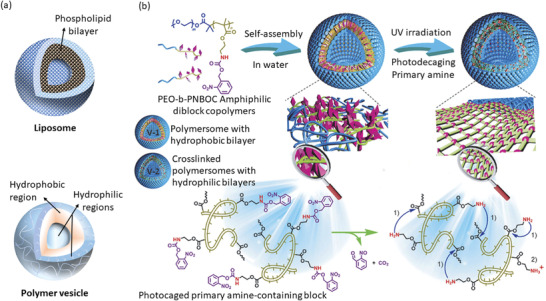
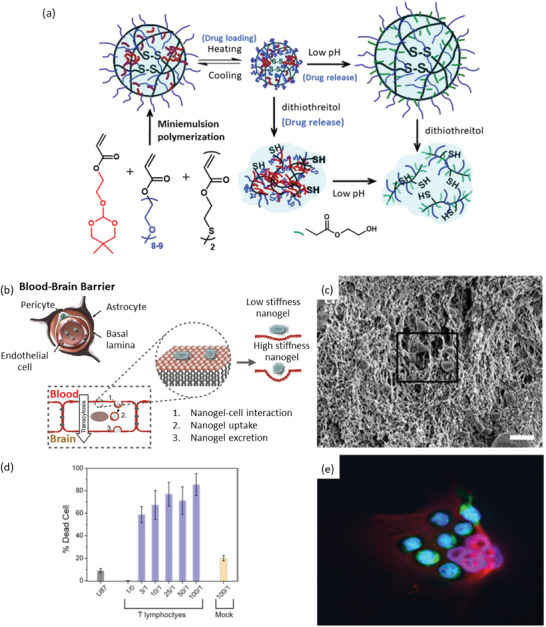
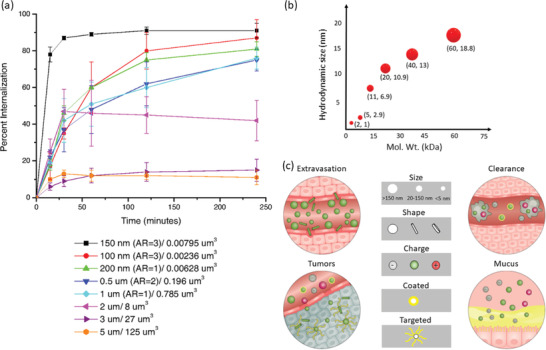
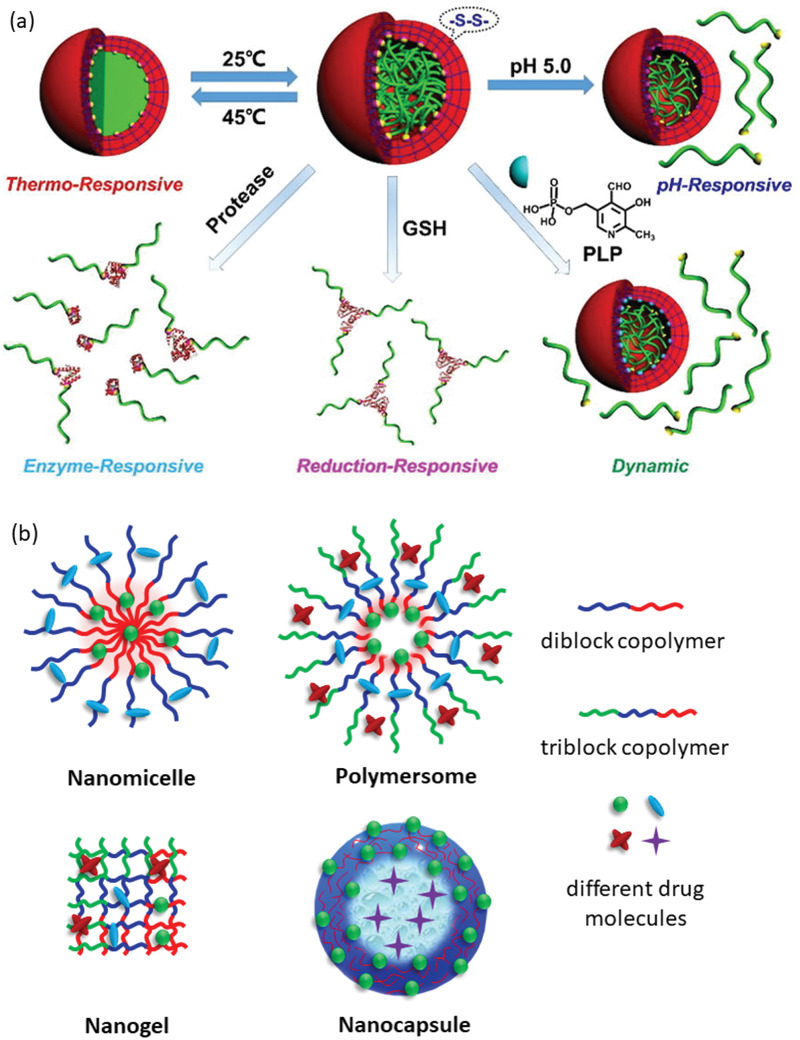
Carriers are equally important as drugs. They can substantially improve bioavailability of cargos and safeguard healthy cells from toxic effects of certain therapeutics. Recently, polymeric nanocarriers (PNCs) have achieved significant success in delivering drugs not only to cells but also to subcellular organelles. Variety of natural sources, availability of different synthetic routes, versatile molecular architectures, exploitable physicochemical properties, biocompatibility, and biodegradability have presented polymers as one of the most desired materials for nanocarrier design. Recent innovative concepts and advances in PNC-associated nanotechnology are providing unprecedented opportunities to engineer nanocarriers and their functions. The efficiency of therapeutic loading has got considerably increased. Structural design-based varieties of PNCs are widely employed for the delivery of small therapeutic molecules to genes, and proteins. PNCs have gained ever-increasing attention and certainly paves the way to develop advanced nanomedicines. This article presents a comprehensive investigation of structural design-based varieties of PNCs and the influences of their physicochemical properties on drug delivery profiles with perspectives highlighting the inevitability of incorporating both the multi-stimuli-responsive and multi-drug delivery properties in a single carrier to design intelligent PNCs as new and emerging research directions in this rapidly developing area.
载体与药物同样重要。它们可以大大提高货物的生物利用度,并保护健康细胞免受某些治疗方法的毒性影响。最近,聚合物纳米载体(PNC)在递药方面取得了重大成功,不仅可以将药物递送到细胞,还可以递送到亚细胞细胞器。多种天然来源、不同合成途径的可用性、多功能的分子结构、可利用的物理化学性质、生物相容性和可生物降解性使聚合物成为纳米载体设计中最理想的材料之一。最近 PNC 相关纳米技术的创新理念和进展为纳米载体及其功能的工程设计提供了前所未有的机会。治疗性负载的效率大大提高。基于结构设计的 PNC 种类广泛用于将小分子治疗药物递送到基因和蛋白质。PNC 引起了越来越多的关注,并为开发先进的纳米药物铺平了道路。本文对基于结构设计的 PNC 种类进行了全面的研究,并探讨了它们的物理化学性质对药物传递特性的影响,强调了在单一载体中同时结合多刺激响应和多药物传递特性的必然性,以设计智能 PNC 作为这一快速发展领域的新的和新兴的研究方向。