Assari Ahmad S, Mohammed Mahrous Mohammed, Ahmad Yahia A, Alotaibi Faisal, Alshammari Muath, AlTurki Firas, AlShammari Thwaini
Oral and Maxillofacial Surgery and Diagnostic Sciences, Riyadh Elm University, Riyadh, SAU.
Restorative Dentistry, Riyadh Elm University, Riyadh, SAU.
Cureus. 2022 Jan 11;14(1):e21117. doi: 10.7759/cureus.21117. eCollection 2022 Jan.
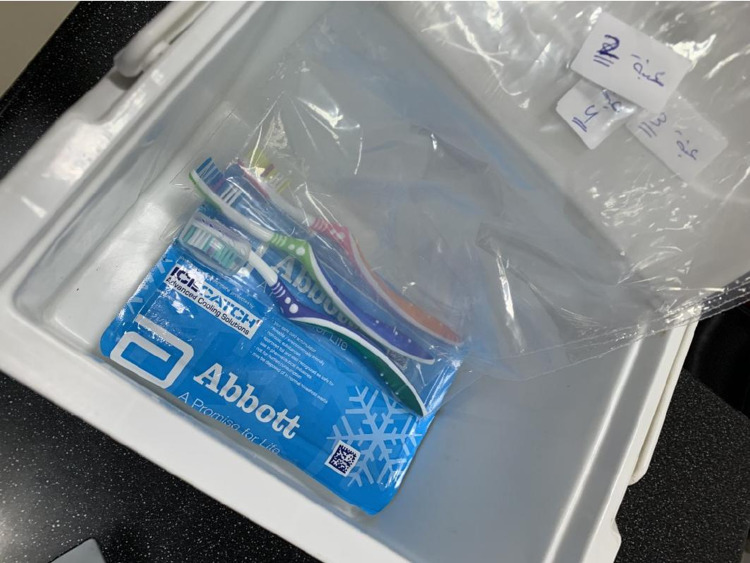
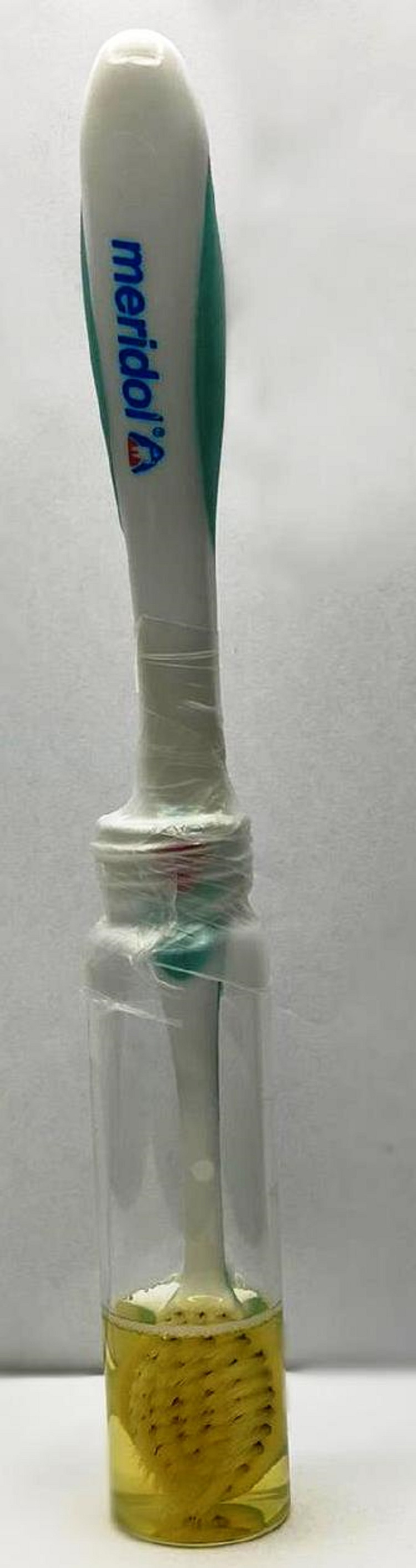
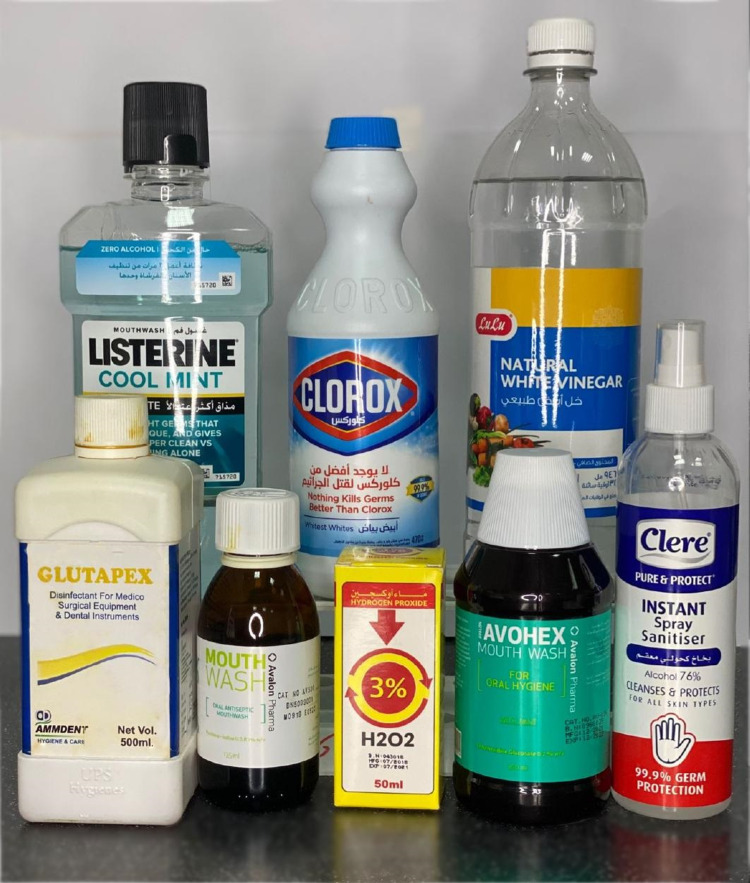
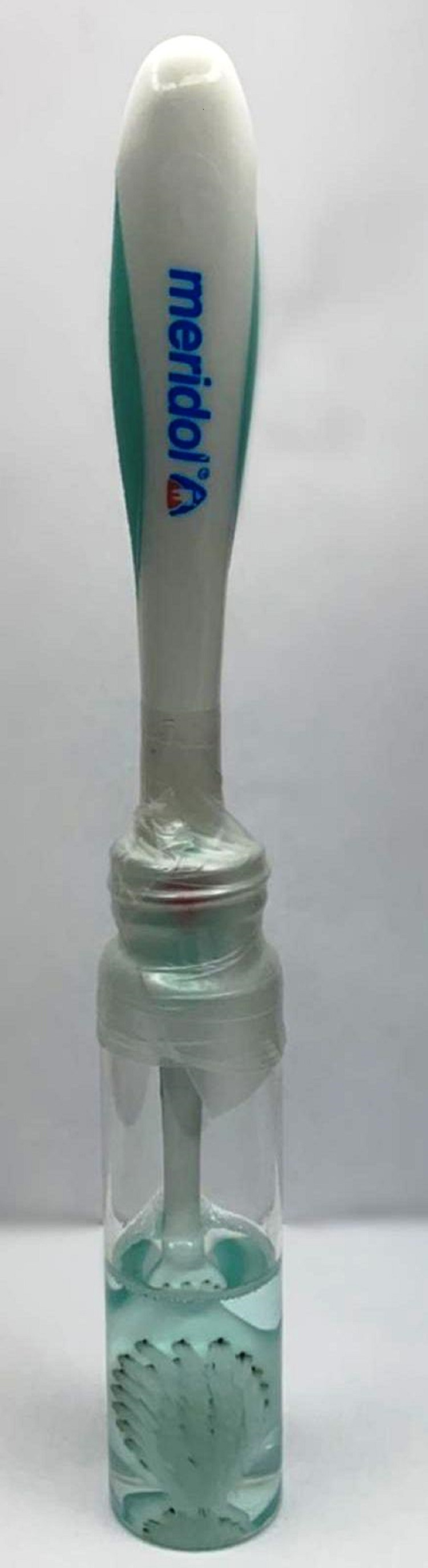
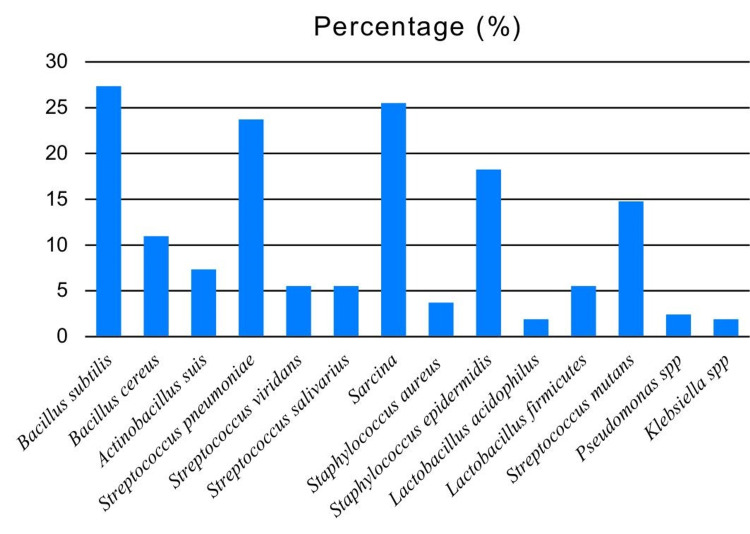
Background Contaminated toothbrushes can cause several oral and systemic illnesses. This study aimed to identify the most rapid, effective, and affordable method for toothbrush decontamination. In addition, the most prevalent bacterial species colonizing toothbrushes were determined. Methodology Toothbrushes were collected after two weeks of use by 55 volunteers. The bacterial count was measured before and after sterilization using 0.2% chlorhexidine gluconate, 0.1% Listerine, 70% white alcohol, 10% povidone-iodine, 1% sodium hypochlorite, 2% glutaraldehyde, ultraviolet radiation, microwave irradiation, 3% hydrogen peroxide, and 100% white vinegar, with tap water rinse as the control. Results A marked reduction in the bacterial count was observed pre- and post-sterilization. All sterilization methods were effective for toothbrush disinfection. Sterilization using 2% glutaraldehyde and 3% hydrogen peroxide solutions resulted in the most significant reduction in the mean bacterial count and percentage reduction in the total bacterial count, respectively. The toothbrush samples were also colonized by several different types of bacteria. The most common colonizing bacterial species included (28% prevalence), (26% prevalence),and (24% prevalence). Conclusions Because bacterial contamination cannot be eliminated and different species colonize toothbrush surfaces, cleaning and disinfection are essential to prevent disease transmission.
背景 受污染的牙刷可导致多种口腔和全身疾病。本研究旨在确定最快速、有效且经济实惠的牙刷消毒方法。此外,还确定了在牙刷上定殖的最常见细菌种类。方法 55名志愿者使用两周后的牙刷被收集起来。使用0.2%葡萄糖酸氯己定、0.1%李施德林漱口水、70%白酒、10%聚维酮碘、1%次氯酸钠、2%戊二醛、紫外线辐射、微波辐射、3%过氧化氢和100%白醋进行消毒,以自来水冲洗作为对照,测量消毒前后的细菌数量。结果 消毒前后观察到细菌数量显著减少。所有消毒方法对牙刷消毒均有效。使用2%戊二醛溶液和3%过氧化氢溶液消毒分别导致平均细菌数量减少最多和总细菌数量减少百分比最高。牙刷样本还被几种不同类型的细菌定殖。最常见的定殖细菌种类包括(患病率28%)、(患病率26%)和(患病率24%)。结论 由于无法消除细菌污染且不同种类细菌定殖于牙刷表面,清洁和消毒对于预防疾病传播至关重要。