Zupo Roberta, Castellana Fabio, De Nucci Sara, Sila Annamaria, Aresta Simona, Buscemi Carola, Randazzo Cristiana, Buscemi Silvio, Triggiani Vincenzo, De Pergola Giovanni, Cava Claudia, Lozupone Madia, Panza Francesco, Sardone Rodolfo
Unit of Data Sciences and Technology Innovation for Population Health, National Institute of Gastroenterology IRCCS "Saverio de Bellis", Research Hospital, Castellana Grotte, 70013 Bari, Italy.
Department of Health Promotion, Maternal and Child Health, Internal and Specialty Medicine of Excellence (PROMISE), University of Palermo, 90127 Palermo, Italy.
Biomedicines. 2022 Mar 9;10(3):632. doi: 10.3390/biomedicines10030632.
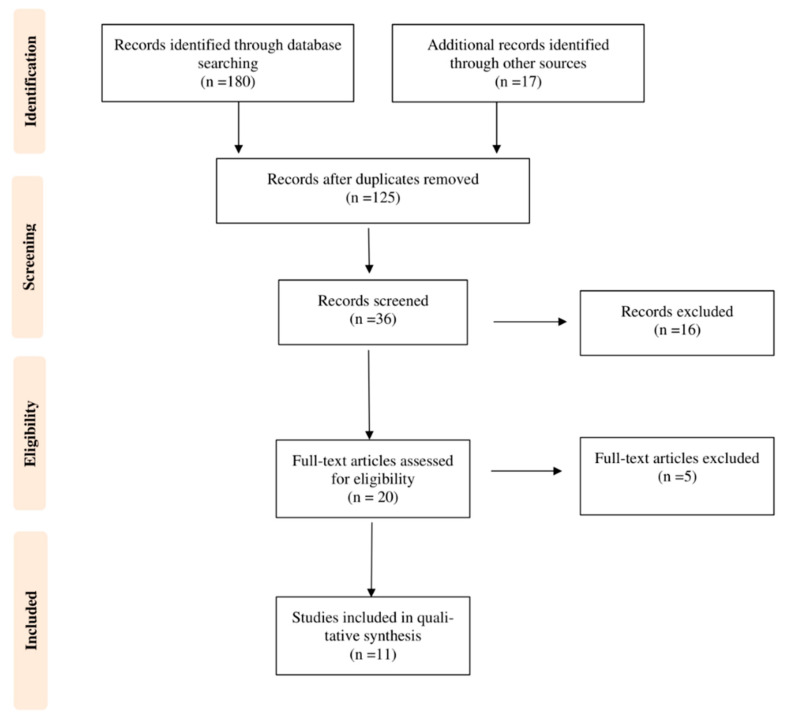
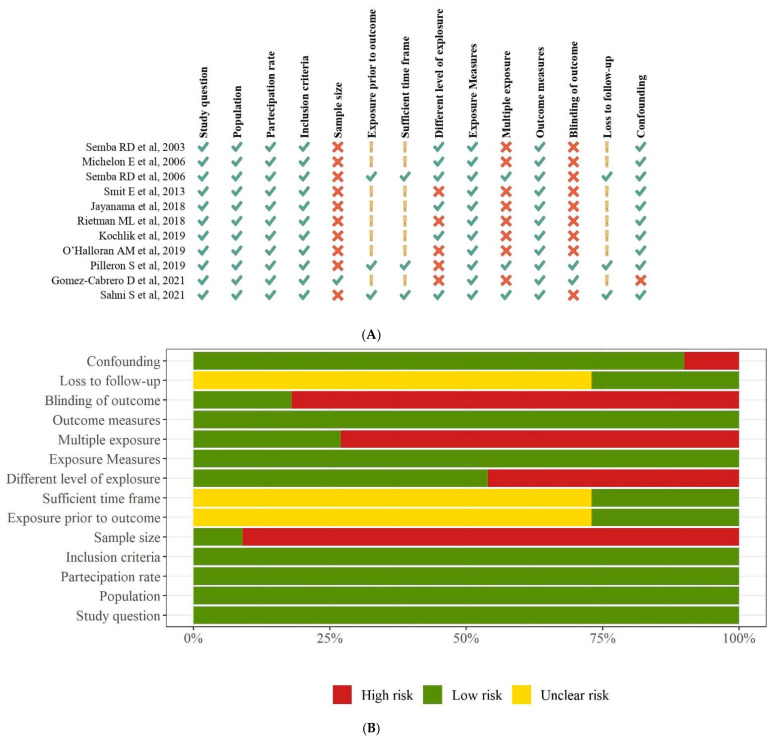
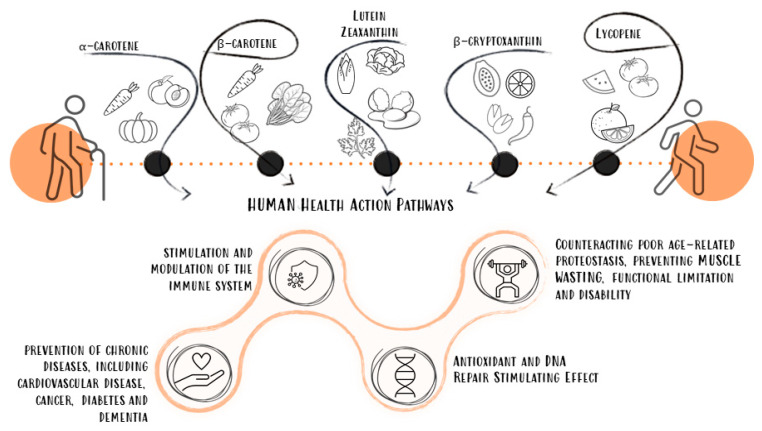
Unbalanced diets and altered micronutrient intake are prevalent in the aging adult population. We conducted a systematic review to appraise the evidence regarding the association between single (α-carotene, β-carotene, lutein, lycopene, β-cryptoxanthin) or total carotenoids and frailty syndrome in the adult population. The literature was screened from study inception to December 2021, using six different electronic databases. After establishing inclusion criteria, two independent researchers assessed the eligibility of 180 retrieved articles. Only 11 fit the eligibility requirements, reporting five carotenoid entries. No exclusion criteria were applied to outcomes, assessment tools, i.e., frailty constructs or surrogates, recruitment setting, general health status, country, and study type (cohort or cross-sectional). Carotenoid exposure was taken as either dietary intake or serum concentrations. Cross-sectional design was more common than longitudinal design ( = 8). Higher dietary and plasma levels of carotenoids, taken individually or cumulatively, were found to reduce the odds of physical frailty markedly, and the evidence showed consistency in the direction of association across all selected studies. Overall, the methodological quality was rated from moderate (27%) to high (73%). Prevention of micronutrient deficiencies has some potential to counteract physical decline. Considering carotenoids as biological markers, when monitoring micronutrient status, stressing increased fruit and vegetable intake may be part of potential multilevel interventions to prevent or better manage disability.
不均衡饮食和微量营养素摄入改变在老年人群中普遍存在。我们进行了一项系统综述,以评估关于单一(α-胡萝卜素、β-胡萝卜素、叶黄素、番茄红素、β-隐黄质)或总类胡萝卜素与成年人群体衰弱综合征之间关联的证据。从研究起始到2021年12月,使用六个不同的电子数据库筛选文献。在确定纳入标准后,两名独立研究人员评估了检索到的180篇文章的合格性。只有11篇符合合格要求,报告了五项类胡萝卜素条目。对结局、评估工具(即衰弱结构或替代指标)、招募环境、一般健康状况、国家和研究类型(队列研究或横断面研究)未应用排除标准。类胡萝卜素暴露被视为饮食摄入量或血清浓度。横断面设计比纵向设计更常见( = 8)。发现单独或累积的较高饮食和血浆类胡萝卜素水平可显著降低身体衰弱的几率,并且证据表明在所有选定研究中关联方向具有一致性。总体而言,方法学质量从中等(27%)到高(73%)不等。预防微量营养素缺乏有一定潜力抵消身体机能下降。将类胡萝卜素视为生物标志物,在监测微量营养素状态时,强调增加水果和蔬菜摄入量可能是预防或更好地管理残疾的潜在多层面干预措施的一部分。