Vidakis Nectarios, Petousis Markos, Grammatikos Sotirios, Papadakis Vassilis, Korlos Apostolos, Mountakis Nikolaos
Mechanical Engineering Department, Hellenic Mediterranean University, Estavromenos, 71410 Heraklion, Greece.
Group of Sustainable Composites, Department of Manufacturing and Civil Engineering, Norwegian University of Science and Technology, 2815 Gjovik, Norway.
Nanomaterials (Basel). 2022 Mar 24;12(7):1068. doi: 10.3390/nano12071068.
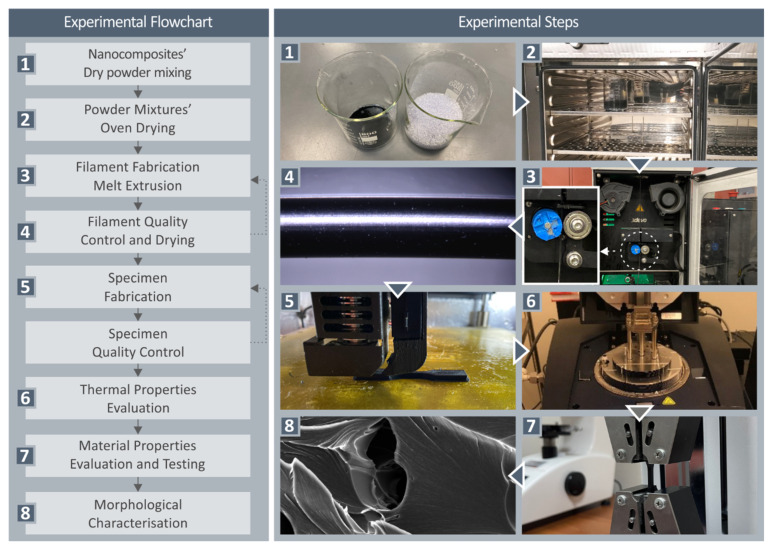
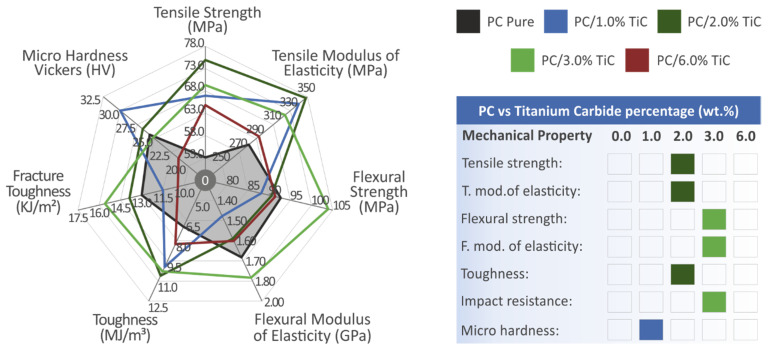
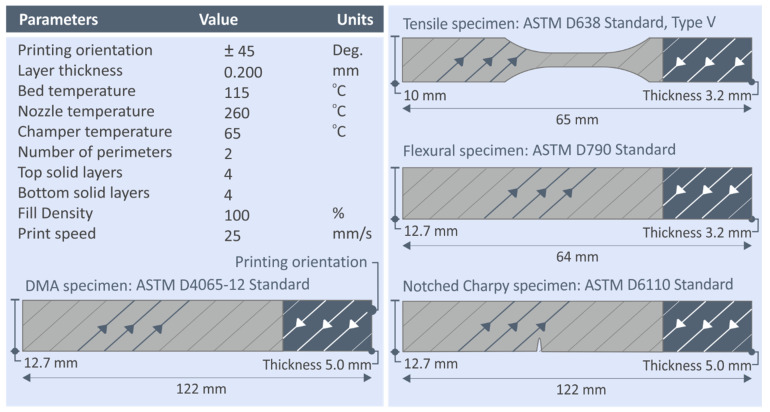
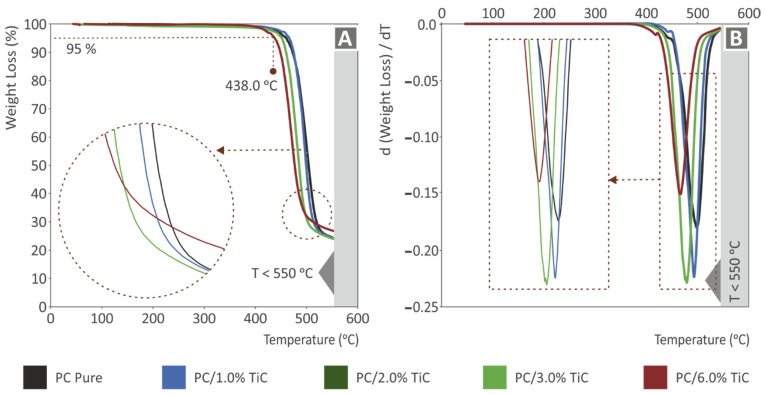
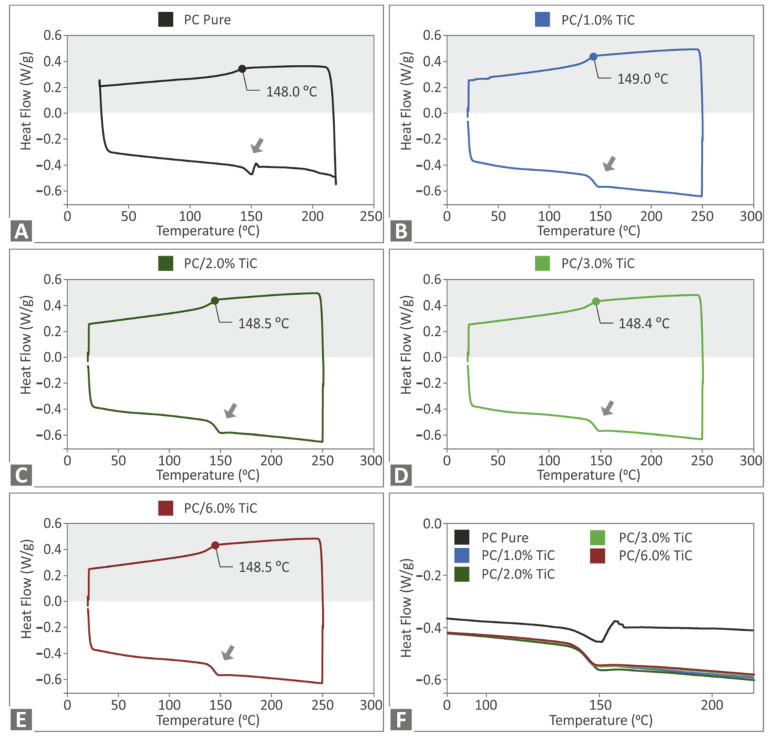
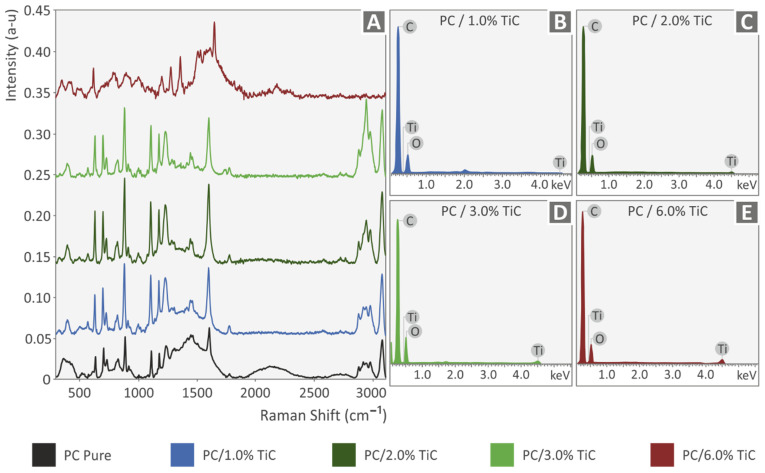
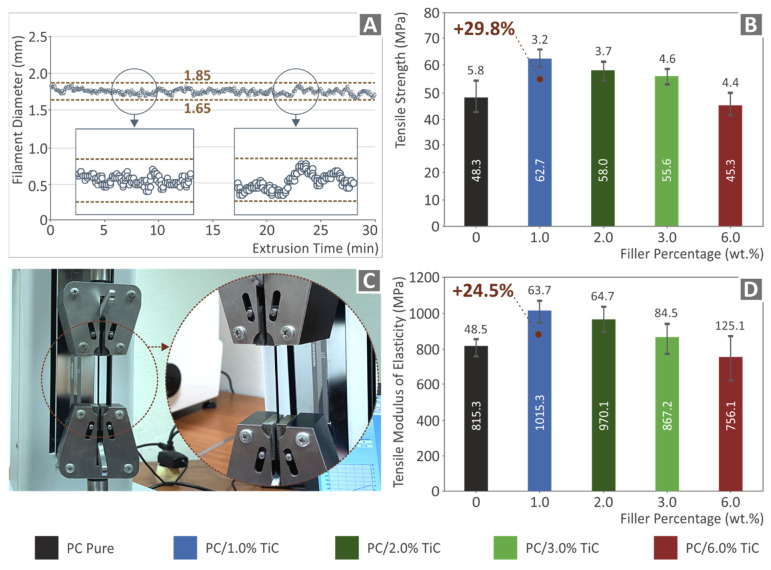
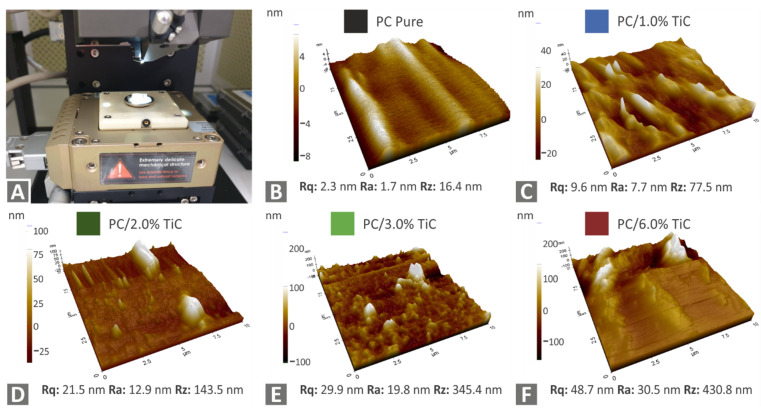
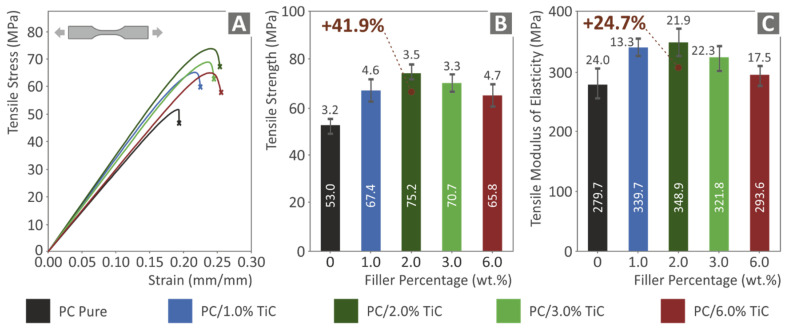
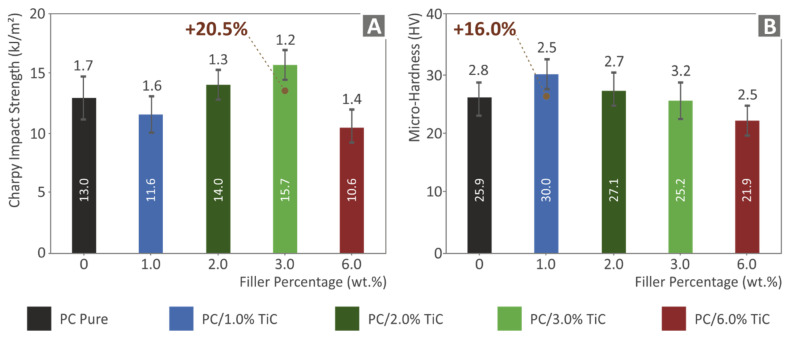
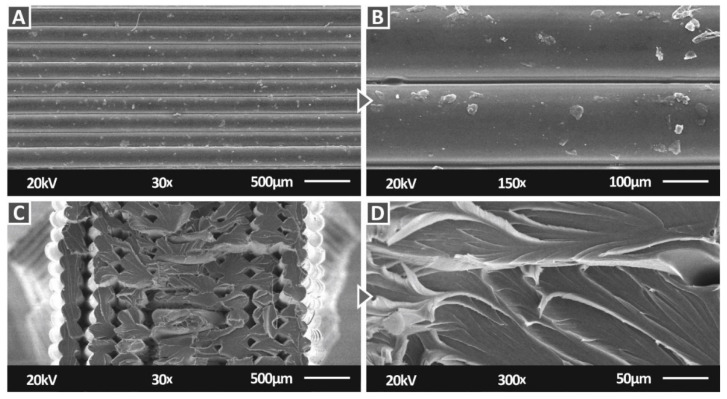
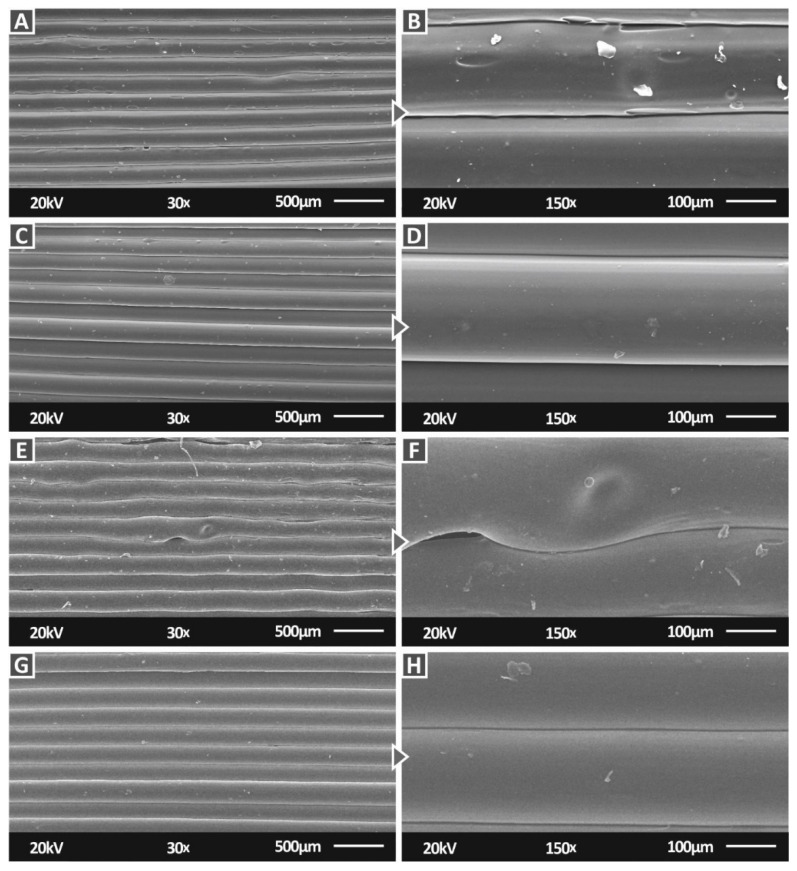
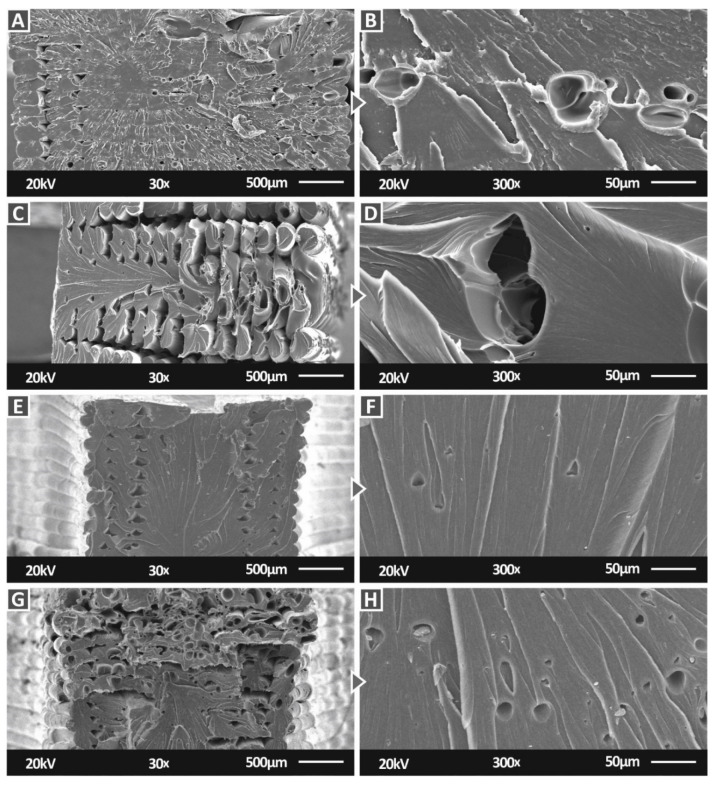
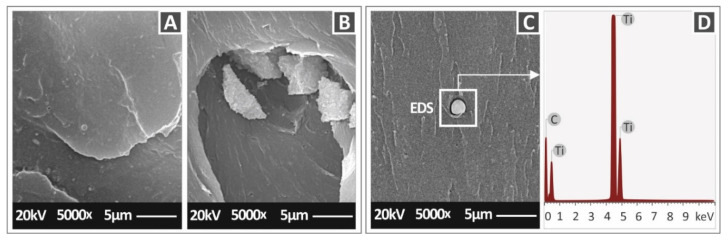
Herein, a polycarbonate (PC) polymer is melt extruded together with titanium carbide (TiC) nano powder for the development of advanced nanocomposite materials in material extrusion (MEX) 3D printing. Raw material for the 3D printing process was prepared in filament form with a thermomechanical extrusion process and specimens were built to be tested according to international standards. A thorough mechanical characterization testing course (tensile, flexural, impact, microhardness, and dynamic mechanical analysis-DMA) was conducted on the 3D printed specimens. The effect of the ceramic filler loading was also investigated. The nanocomposites' thermal and stoichiometric properties were investigated with thermogravimetric analysis (TGA), differential scanning calorimetry (DSC), energy-dispersive X-ray spectroscopy (EDS), and Raman respectively. The specimens' 3D printing morphology, quality, and fracture mechanism were investigated with atomic force microscopy (AFM) and scanning electron microscopy (SEM) respectively. The results depicted that the addition of the filler decidedly enhances the mechanical response of the virgin polymer, without compromising properties such as its processability or its thermal stability. The highest improvement of 41.9% was reported for the 2 wt.% filler loading, making the nanocomposite suitable for applications requiring a high mechanical response in 3D printing, in which the matrix material cannot meet the design requirements.
在此,将聚碳酸酯(PC)聚合物与碳化钛(TiC)纳米粉末一起进行熔融挤出,以开发用于材料挤出(MEX)3D打印的先进纳米复合材料。3D打印过程的原材料通过热机械挤出工艺制备成丝状,并根据国际标准制造试样进行测试。对3D打印试样进行了全面的力学性能表征测试(拉伸、弯曲、冲击、显微硬度和动态力学分析-DMA)。还研究了陶瓷填料负载量的影响。分别用热重分析(TGA)、差示扫描量热法(DSC)、能量色散X射线光谱(EDS)和拉曼光谱研究了纳米复合材料的热性能和化学计量性能。分别用原子力显微镜(AFM)和扫描电子显微镜(SEM)研究了试样的3D打印形态、质量和断裂机理。结果表明,填料的加入显著提高了原始聚合物的力学响应,而不影响其加工性能或热稳定性等性能。对于2 wt.%的填料负载量,报道的最高改善率为41.9%,这使得该纳米复合材料适用于3D打印中需要高力学响应而基体材料无法满足设计要求的应用。