Department of Chemistry, University of Tennessee, Knoxville, TN 37916, USA.
Pennington Biomedical Research Center, Louisiana State University System, Baton Rouge, LA 70808, USA.
Int J Mol Sci. 2022 Mar 26;23(7):3654. doi: 10.3390/ijms23073654.
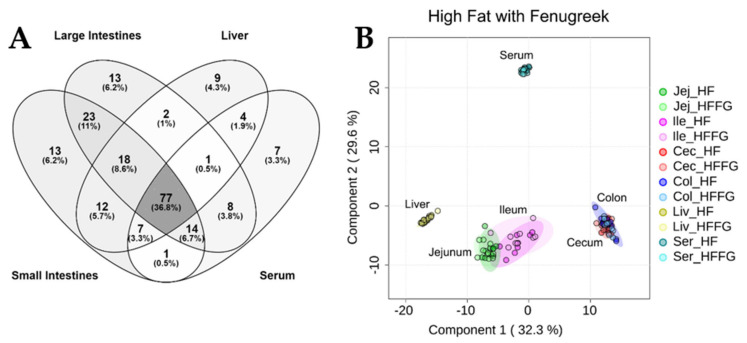
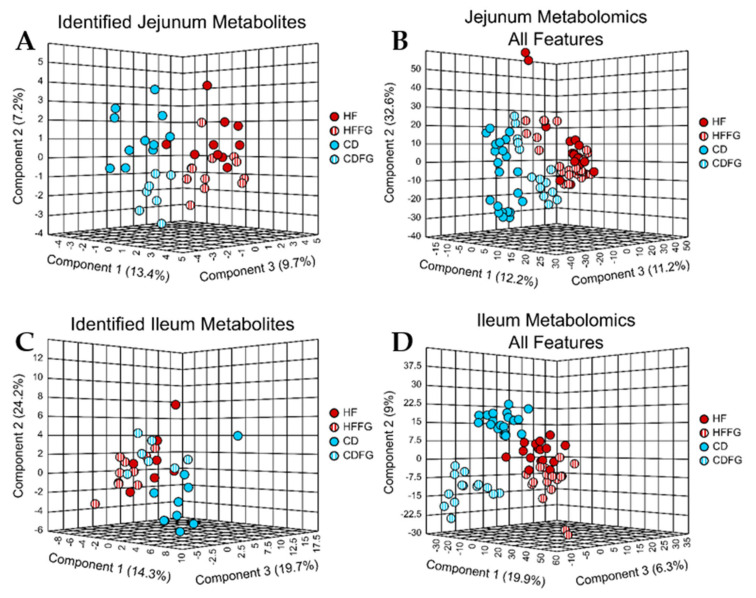
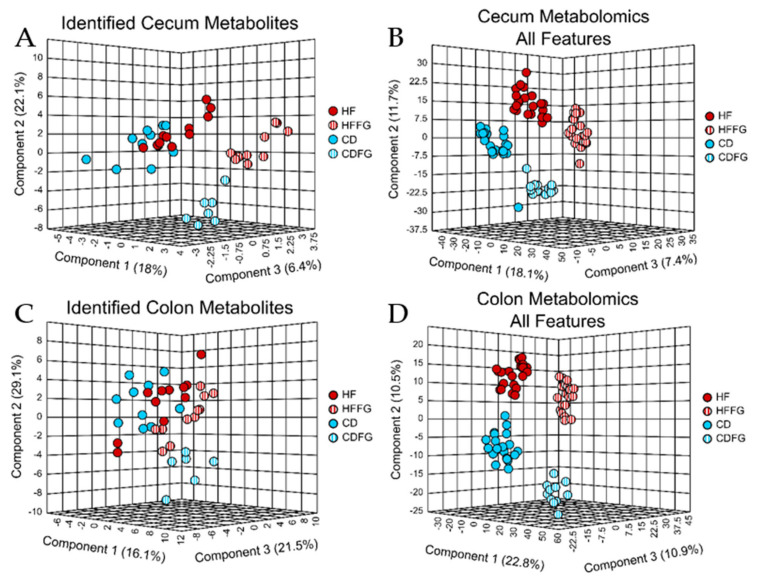
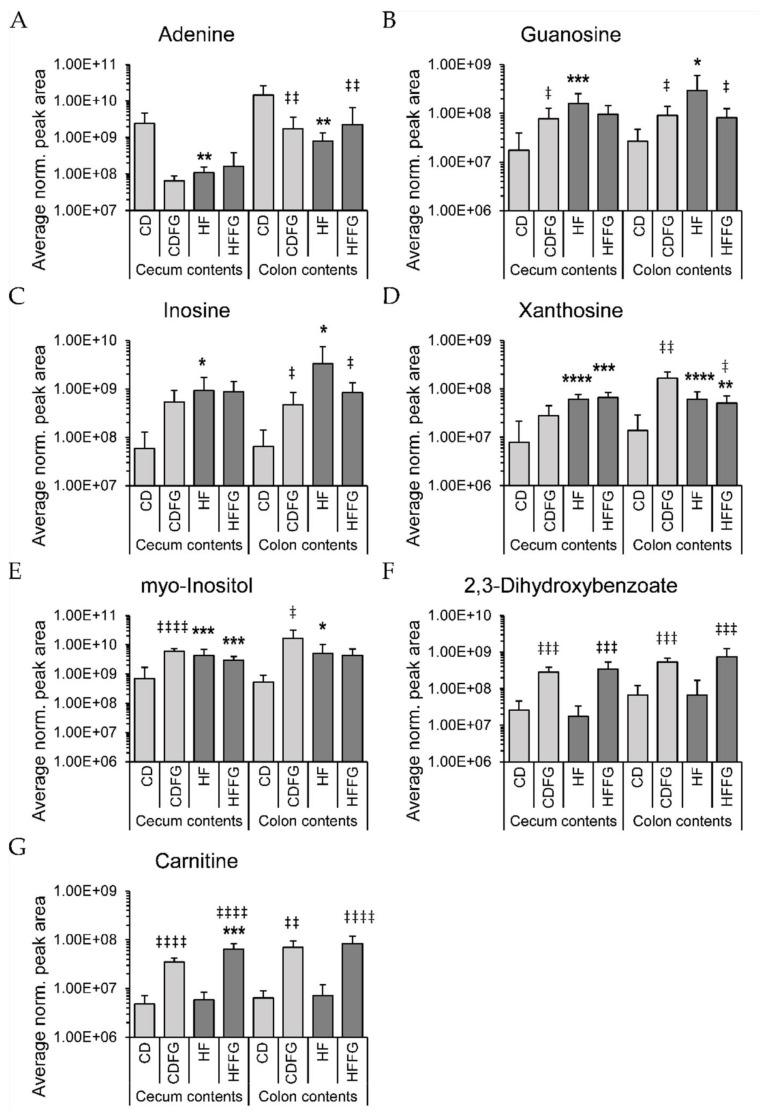
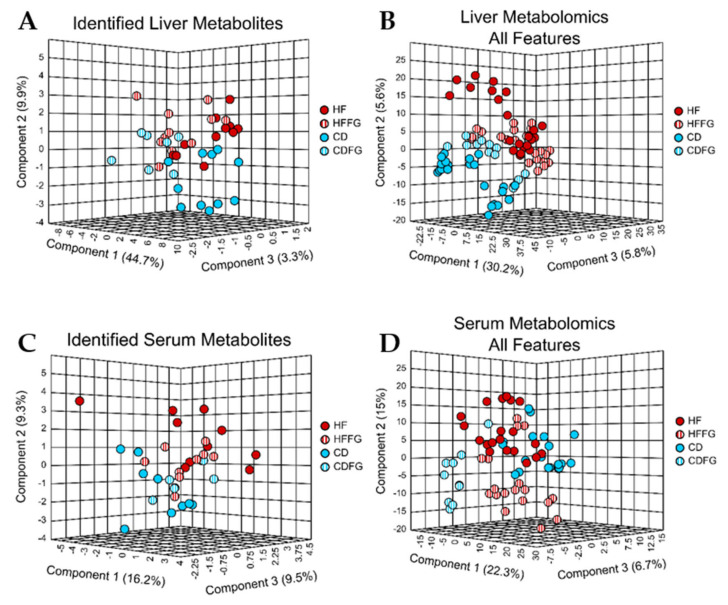
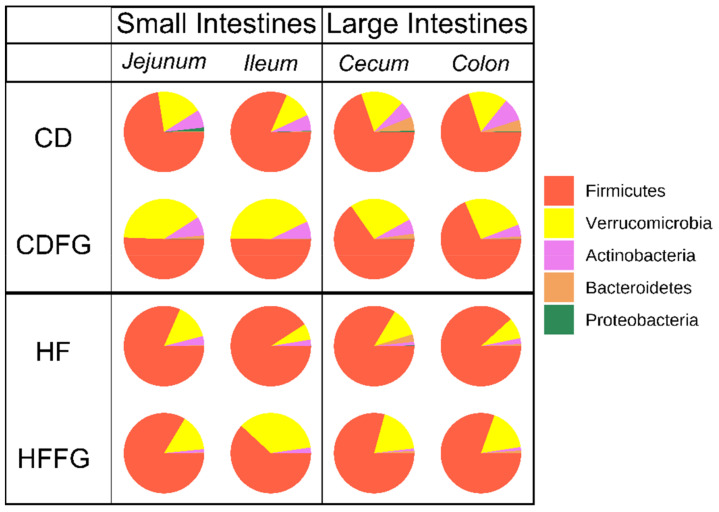
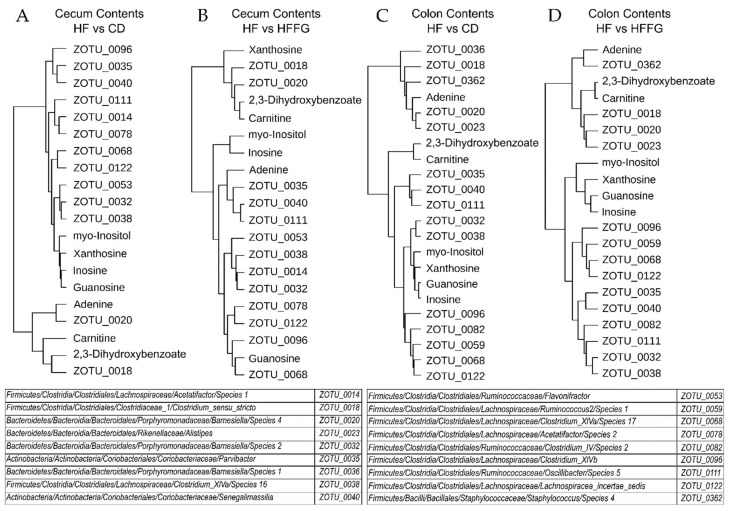
Herbal remedies are increasing in popularity as treatments for metabolic conditions such as obesity and Type 2 Diabetes. One potential therapeutic option is fenugreek seeds (), which have been used for treating high cholesterol and Type 2 diabetes. A proposed mechanism for these benefits is through alterations in the microbiome, which impact mammalian host metabolic function. This study used untargeted metabolomics to investigate the fenugreek-induced alterations in the intestinal, liver, and serum profiles of mice fed either a 60% high-fat or low-fat control diet each with or without fenugreek supplementation (2% /) for 14 weeks. Metagenomic analyses of intestinal contents found significant alterations in the relative composition of the gut microbiome resulting from fenugreek supplementation. Specifically, Verrucomicrobia, a phylum containing beneficial bacteria which are correlated with health benefits, increased in relative abundance with fenugreek. Metabolomics partial least squares discriminant analysis revealed substantial fenugreek-induced changes in the large intestines. However, it was observed that while the magnitude of changes was less, significant modifications were present in the liver tissues resulting from fenugreek supplementation. Further analyses revealed metabolic processes affected by fenugreek and showed broad ranging impacts in multiple pathways, including carnitine biosynthesis, cholesterol and bile acid metabolism, and arginine biosynthesis. These pathways may play important roles in the beneficial effects of fenugreek.
草药疗法作为治疗代谢疾病(如肥胖症和 2 型糖尿病)的方法越来越受欢迎。一种潜在的治疗选择是葫芦巴种子(),它已被用于治疗高胆固醇和 2 型糖尿病。这些益处的一个提出的机制是通过微生物组的改变,这影响哺乳动物宿主的代谢功能。本研究使用非靶向代谢组学来研究在高脂肪(60%)或低脂肪对照饮食喂养的小鼠的肠道、肝脏和血清谱中,由于补充葫芦巴(2%/)14 周而引起的变化。肠道内容物的宏基因组分析发现,由于补充葫芦巴,肠道微生物组的相对组成发生了显著改变。具体而言,厚壁菌门(Verrucomicrobia)增加了相对丰度,厚壁菌门包含与健康益处相关的有益细菌。代谢组学偏最小二乘判别分析显示,在大肠中存在大量的葫芦巴诱导的变化。然而,观察到虽然变化的幅度较小,但由于补充葫芦巴,肝脏组织中存在显著的修饰。进一步的分析揭示了受葫芦巴影响的代谢过程,并显示了在包括肉碱生物合成、胆固醇和胆汁酸代谢以及精氨酸生物合成在内的多个途径中的广泛影响。这些途径可能在葫芦巴的有益作用中发挥重要作用。