Xu Huiting, Yan Li, Zhang Mingdi, Chang Xiaoli, Zhu Dan, Wei Dengqin, Naeem Muhammd, Song Chun, Wu Xiaoling, Liu Taiguo, Chen Wanquan, Yang Wenyu
Department of Plant Protection, College of Agronomy & Sichuan Engineering Research Center for Crop Strip Intercropping System, Sichuan Agricultural University, Chengdu 611130, China.
State Key Laboratory for Biology of Plant Diseases and Insect Pests, Institute of Plant Protection, Chinese Academy of Agricultural Sciences, Beijing 100193, China.
Pathogens. 2022 Apr 16;11(4):478. doi: 10.3390/pathogens11040478.
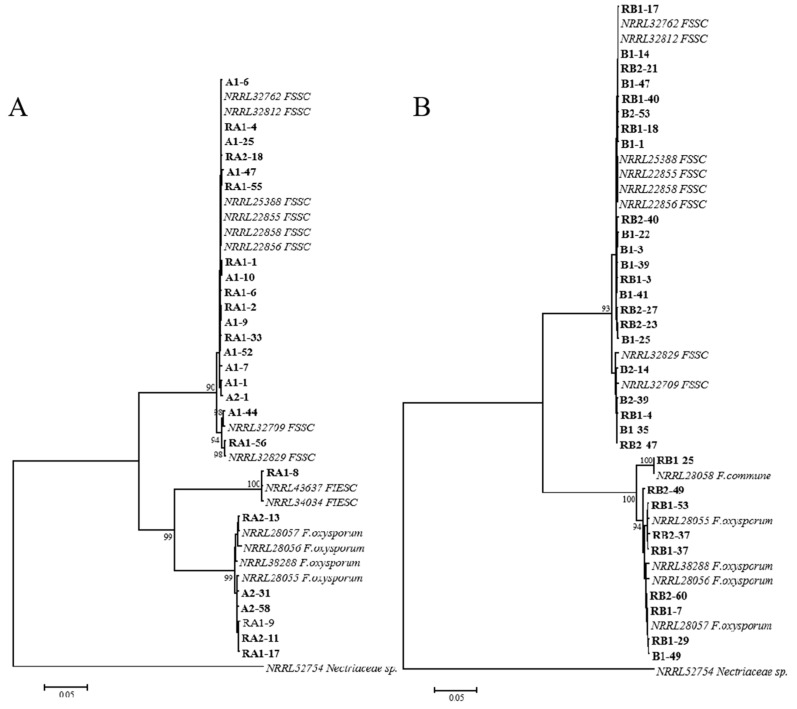
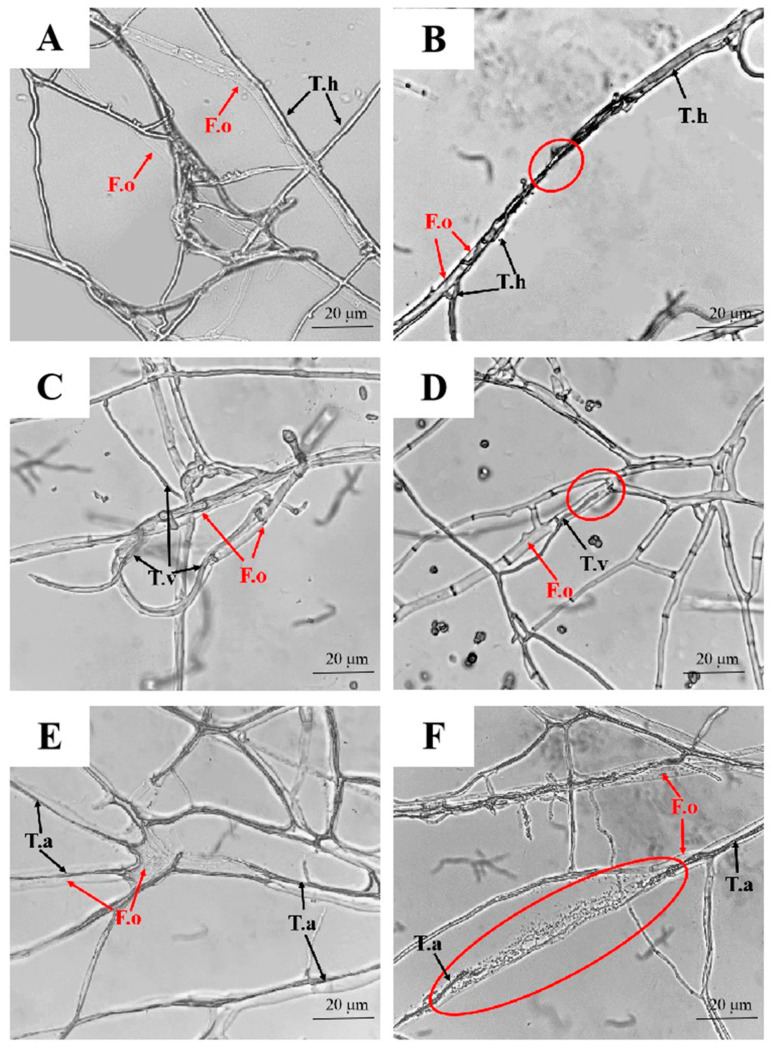
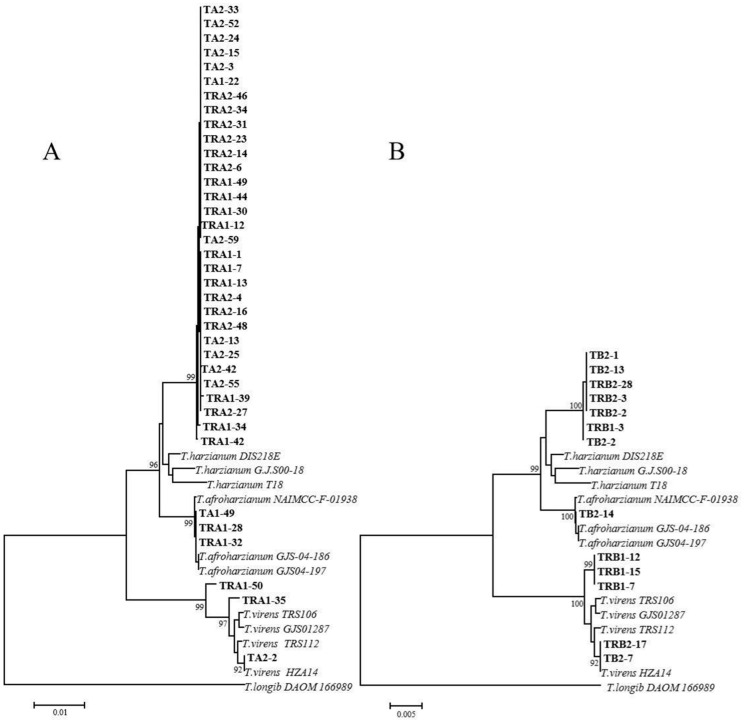
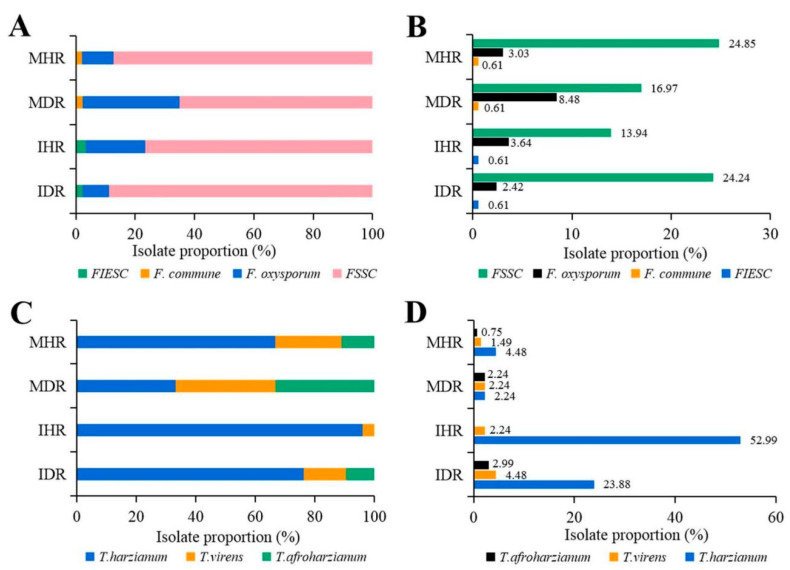
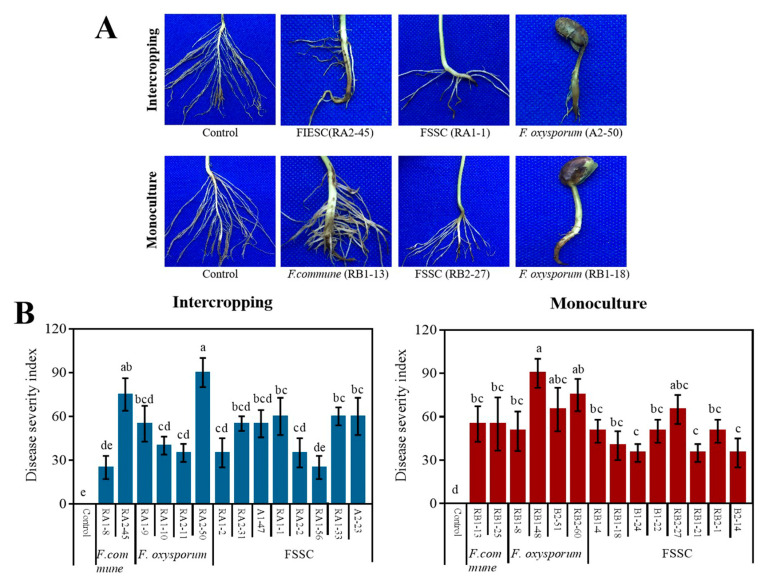
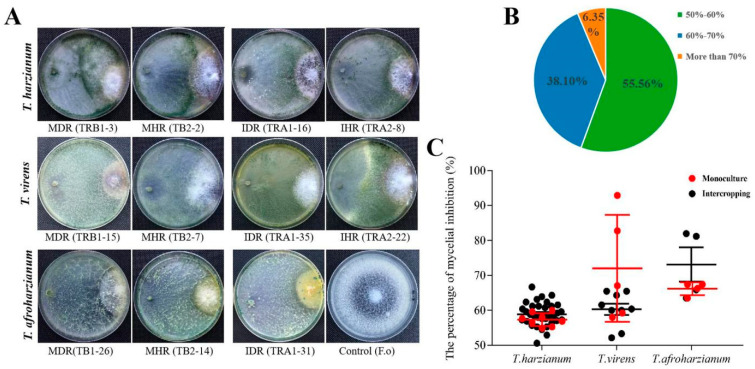
The dynamic of soil-borne disease is closely related to the rhizosphere microbial communities. Maize-soybean relay strip intercropping has been shown to significantly control the type of soybean root rot that tends to occur in monoculture. However, it is still unknown whether the rhizosphere microbial community participates in the regulation of intercropped soybean root rot. In this study, rhizosphere and communities were compared in either healthy or root-rotted rhizosphere soil from monocultured and intercropped soybean, and our results showed the abundance of rhizosphere in intercropping was remarkably different from monoculture. Of four species identified, was the most aggressive and more frequently isolated in diseased soil of monoculture. In contrast, was largely accumulated in healthy rhizosphere soil of intercropping rather than monoculture. dramatically increased in the rhizosphere of intercropping, while and also exhibited distinct isolation frequency. For the antagonism test in vitro, strains had antagonistic effects on with the percentage of mycelial inhibition ranging from 50.59-92.94%, and they displayed good mycoparasitic abilities against through coiling around and entering into the hyphae, expanding along the cell-cell lumen and even dissolving cell walls of the target fungus. These results indicate maize-soybean relay strip intercropping significantly increases the density and composition proportion of beneficial to antagonize the pathogenic species in rhizosphere, thus potentially contributing to the suppression of soybean root rot under the intercropping.
土传病害的动态变化与根际微生物群落密切相关。玉米-大豆带状套作已被证明能显著控制单作中易发生的大豆根腐病类型。然而,根际微生物群落是否参与套作大豆根腐病的调控仍不清楚。在本研究中,对单作和套作大豆的健康或根腐根际土壤中的根际微生物群落进行了比较,结果表明套作中根际微生物的丰度与单作显著不同。在鉴定出的四个物种中,[物种名称1]在单作患病土壤中最具侵略性且分离频率更高。相比之下,[物种名称2]在套作的健康根际土壤中大量积累,而非单作。[物种名称3]在套作根际中显著增加,而[物种名称4]和[物种名称5]也表现出不同的分离频率。在体外拮抗试验中,[菌株名称]菌株对[目标真菌名称]具有拮抗作用,菌丝抑制率在50.59 - 92.94%之间,它们通过缠绕并进入菌丝、沿细胞间腔扩展甚至溶解目标真菌的细胞壁,对[目标真菌名称]表现出良好的重寄生能力。这些结果表明,玉米-大豆带状套作显著增加了有益微生物的密度和组成比例,以拮抗根际致病微生物物种,从而可能有助于抑制套作下的大豆根腐病。