Department of Chemical Sciences, Università di Padova, via Marzolo 1, I-35131, Padova, Italy.
CNR - ICMATE, I-35131, Padova, Italy.
Chemphyschem. 2022 Nov 4;23(21):e202200136. doi: 10.1002/cphc.202200136. Epub 2022 Aug 11.
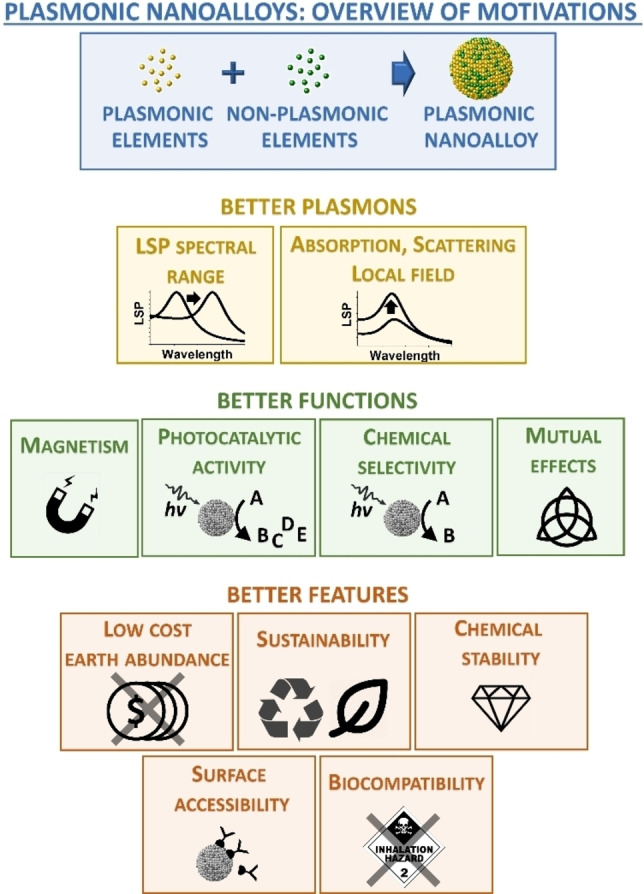
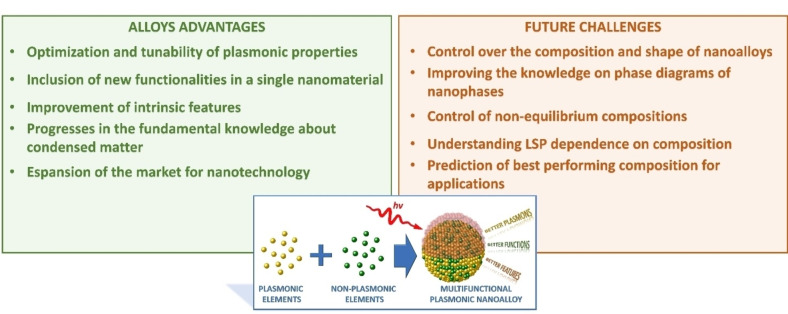
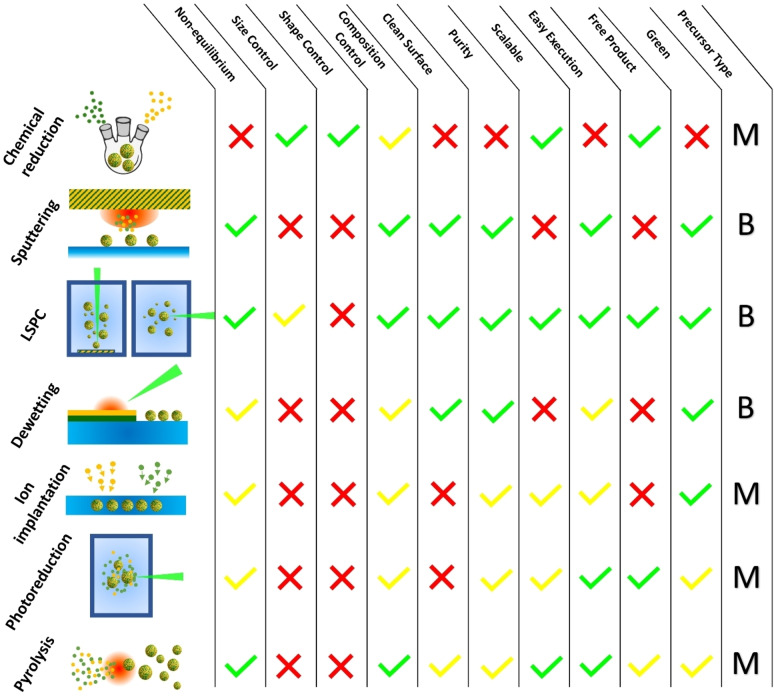
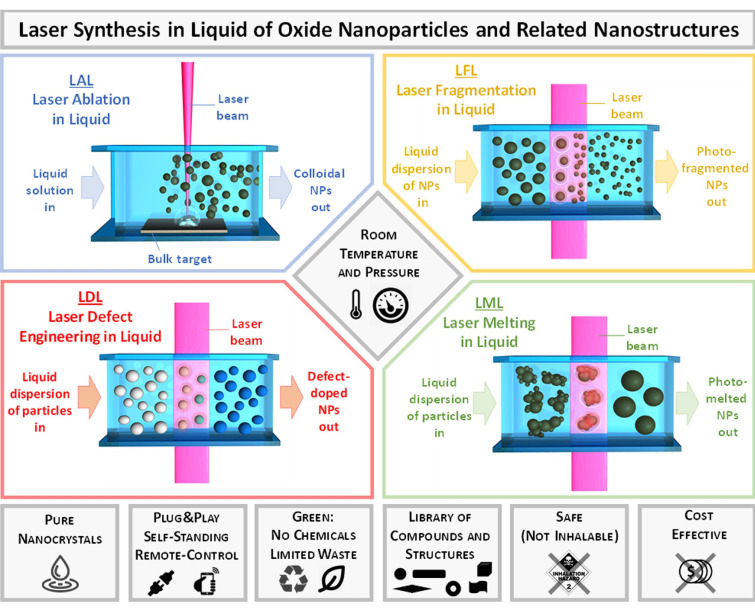
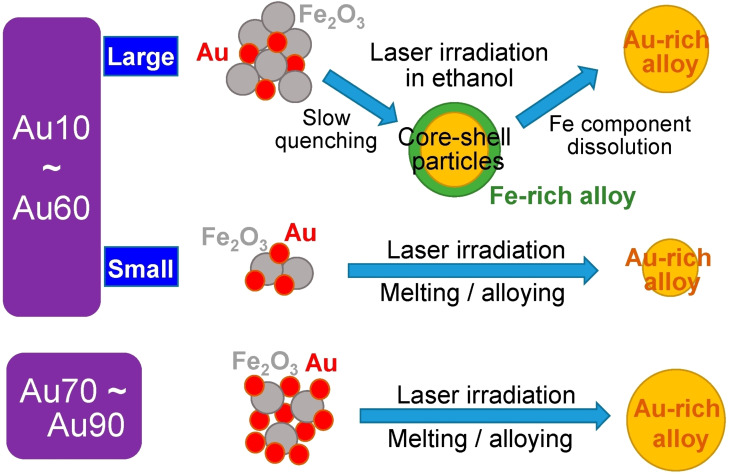
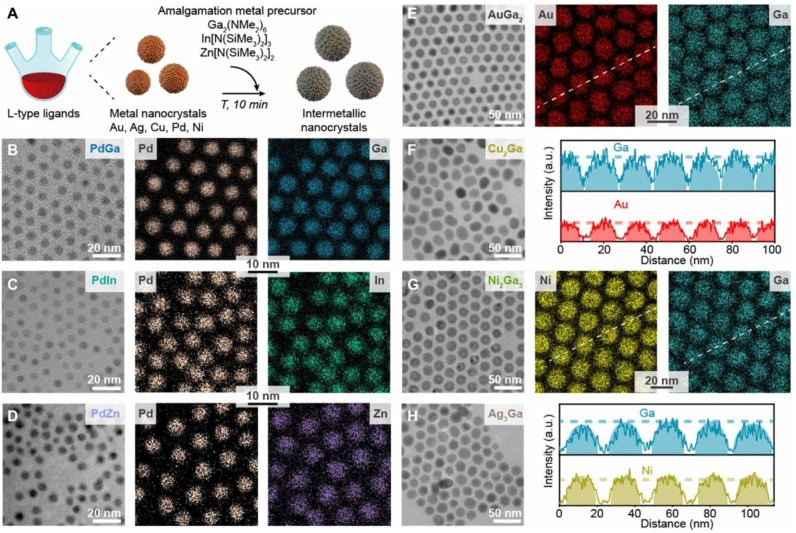
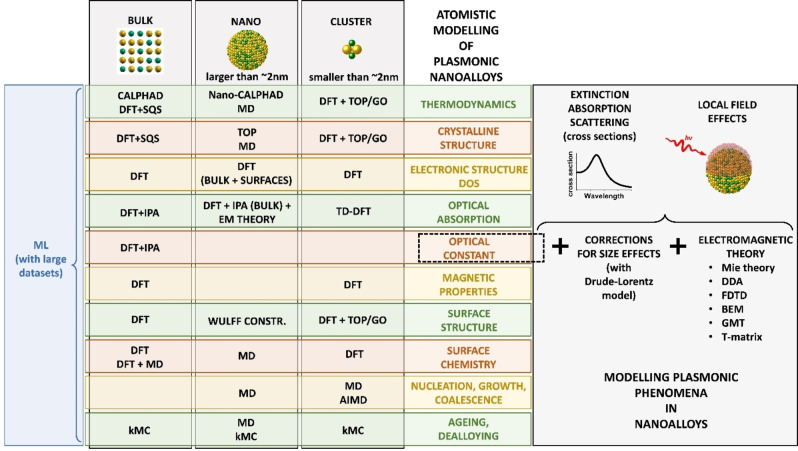
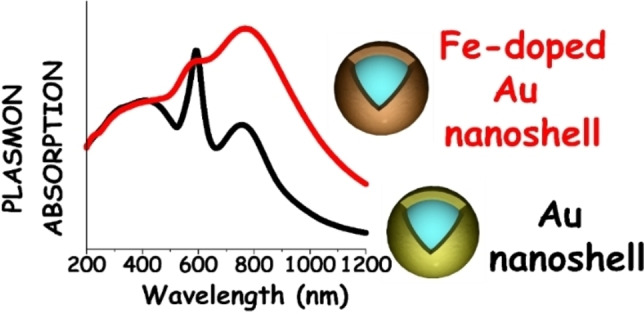
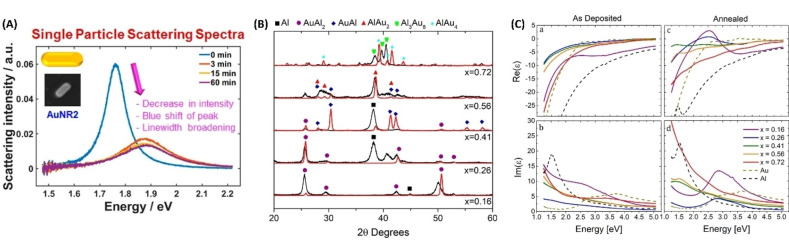
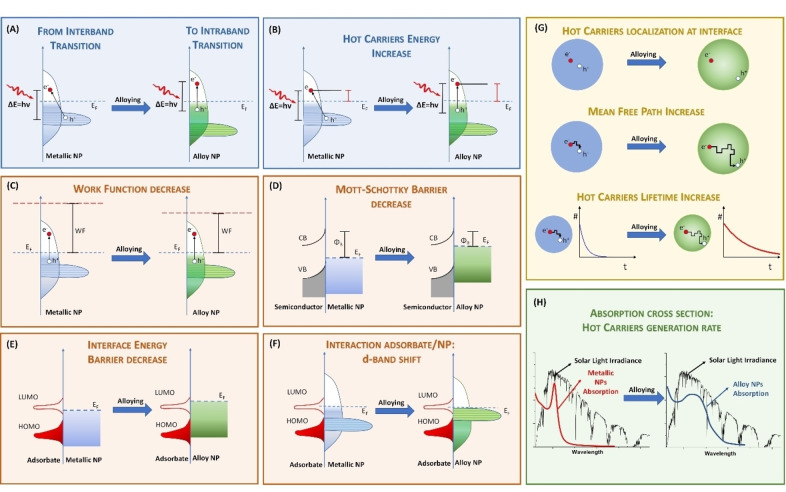
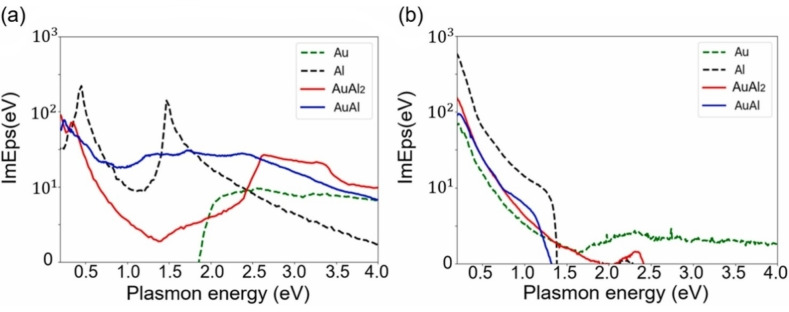
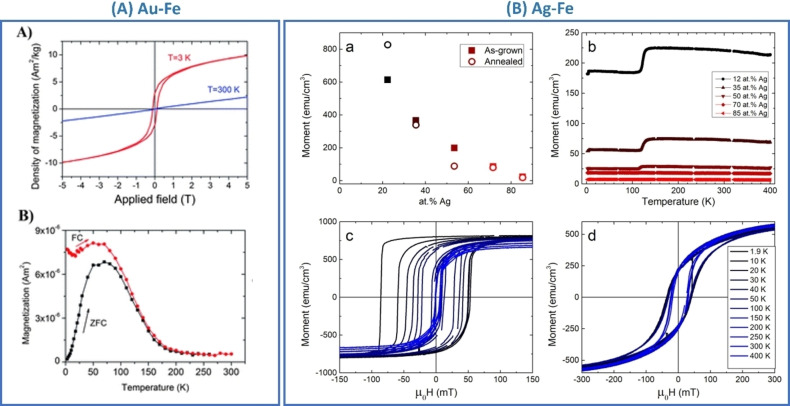
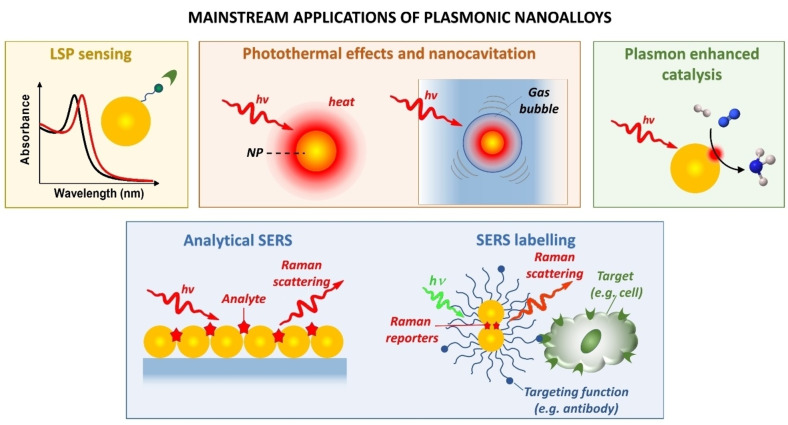
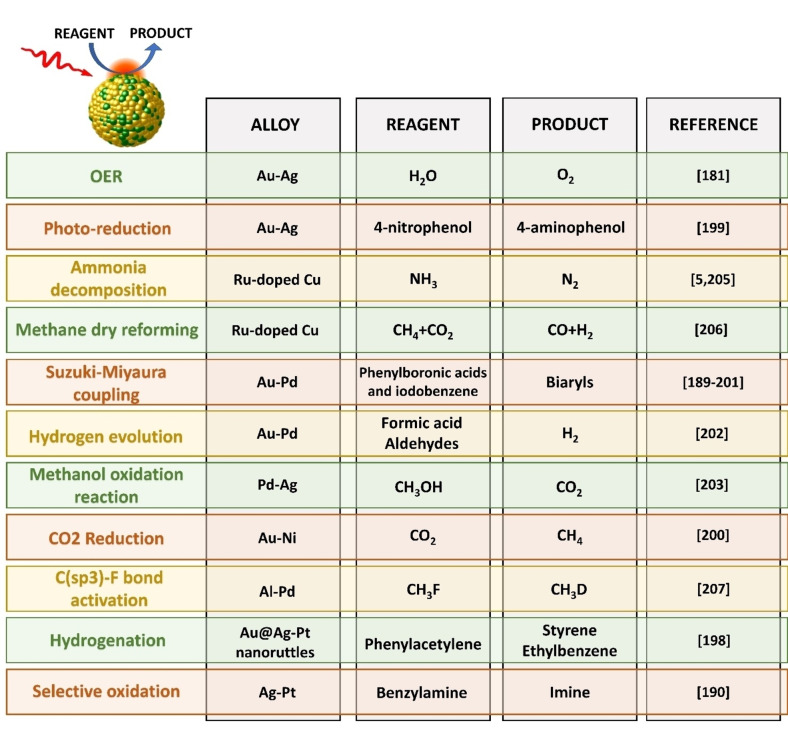
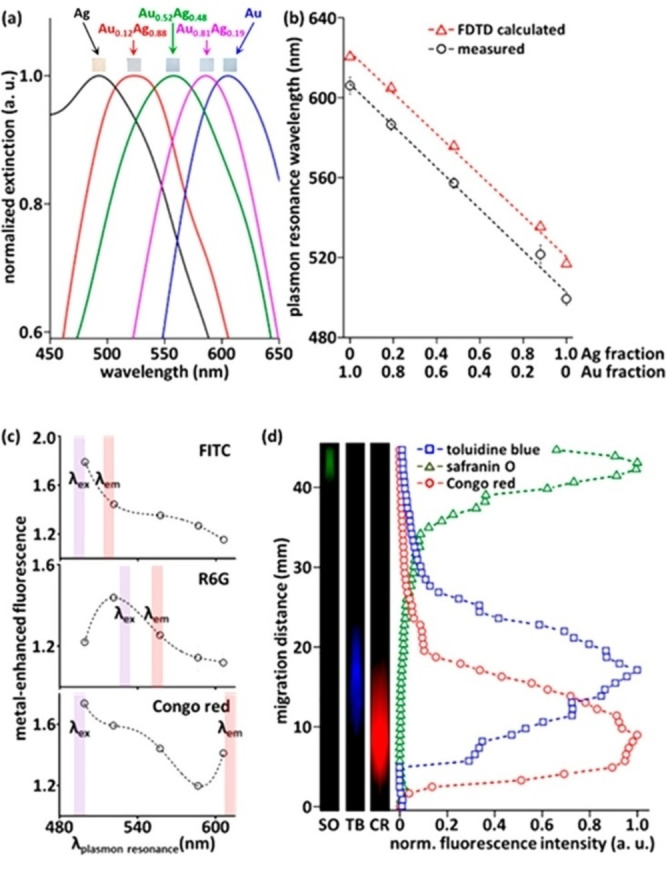
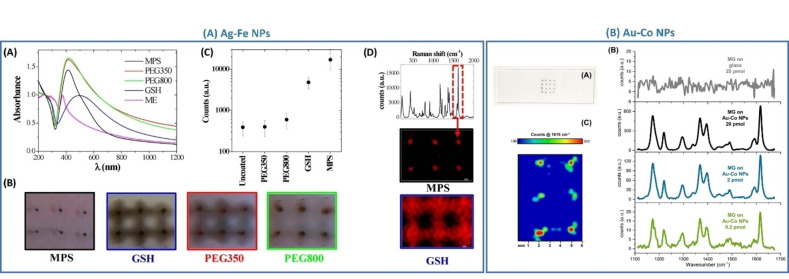
Despite the traditional plasmonic materials are counted on one hand, there are a lot of possible combinations leading to alloys with other elements of the periodic table, in particular those renowned for magnetic or catalytic properties. It is not a surprise, therefore, that nanoalloys are considered for their ability to open new perspectives in the panorama of plasmonics, representing a leading research sector nowadays. This is demonstrated by a long list of studies describing multiple applications of nanoalloys in photonics, photocatalysis, sensing and magneto-optics, where plasmons are combined with other physical and chemical phenomena. In some remarkable cases, the amplification of the conventional properties and even new effects emerged. However, this field is still in its infancy and several challenges must be overcome, starting with the synthesis (control of composition, crystalline order, size, processability, achievement of metastable phases and disordered compounds) as well as the modelling of the structure and properties (accuracy of results, reliability of structural predictions, description of disordered phases, evolution over time) of nanoalloys. To foster the research on plasmonic nanoalloys, here we provide an overview of the most recent results and developments in the field, organized according to synthetic strategies, modelling approaches, dominant properties and reported applications. Considering the several plasmonic nanoalloys under development as well as the large number of those still awaiting synthesis, modelling, properties assessment and technological exploitation, we expect a great impact on the forthcoming solutions for sustainability, ultrasensitive and accurate detection, information processing and many other fields.
尽管传统的等离子体材料屈指可数,但仍有许多可能的组合方式,可以将其与元素周期表中的其他元素形成合金,特别是那些具有磁性或催化性能的元素。因此,纳米合金因其在等离子体学领域开辟新视角的能力而备受关注,成为当今研究的热点领域。这一点可以从大量研究中得到证明,这些研究描述了纳米合金在光子学、光催化、传感和磁光等领域的多种应用,其中等离子体与其他物理和化学现象相结合。在一些引人注目的情况下,常规性能得到了增强,甚至出现了新的效应。然而,这个领域仍处于起步阶段,必须克服许多挑战,首先是合成(控制组成、晶体有序性、尺寸、可加工性、亚稳相和无序化合物的实现)以及结构和性能的建模(结果的准确性、结构预测的可靠性、无序相的描述、随时间的演变)。为了促进等离子体纳米合金的研究,我们在这里根据合成策略、建模方法、主导性能和报道的应用,对该领域的最新研究成果和进展进行了综述。考虑到正在开发的几种等离子体纳米合金以及仍在等待合成、建模、性能评估和技术开发的大量纳米合金,我们预计它们将对可持续性、超高灵敏度和精确检测、信息处理和许多其他领域的未来解决方案产生重大影响。