Raveendran Varsha, Suresh Babu Adukamparai Rajukrishnan, Renuka Neeroli Kizhakayil
Department of Chemistry, University of Calicut Kerala-673 635 India
RSC Adv. 2019 Apr 16;9(21):12070-12077. doi: 10.1039/c9ra02120e. eCollection 2019 Apr 12.
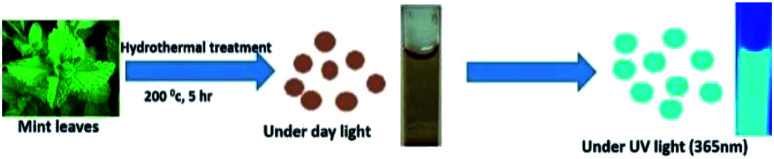
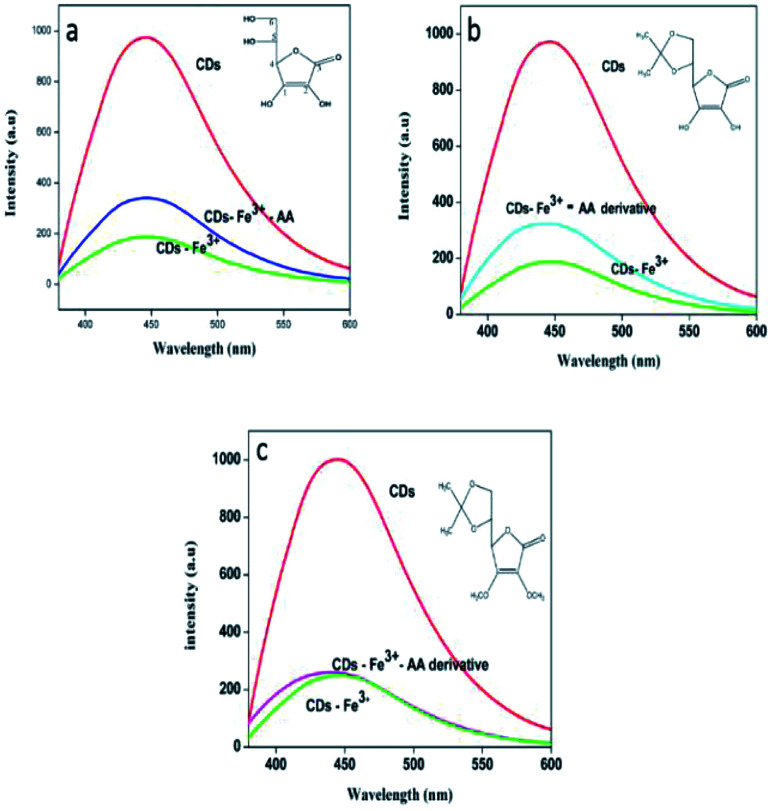
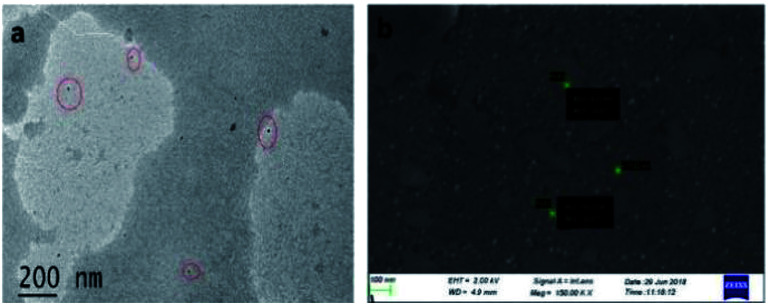
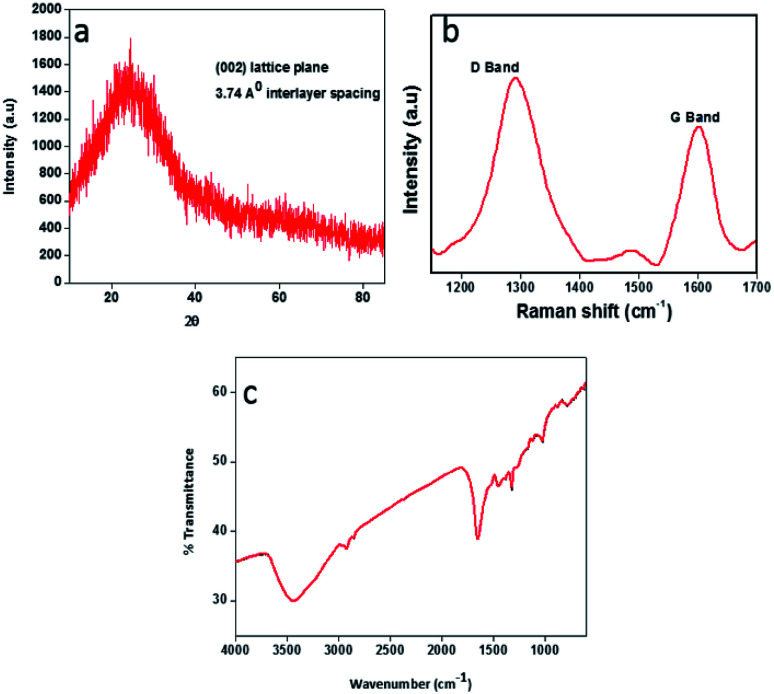
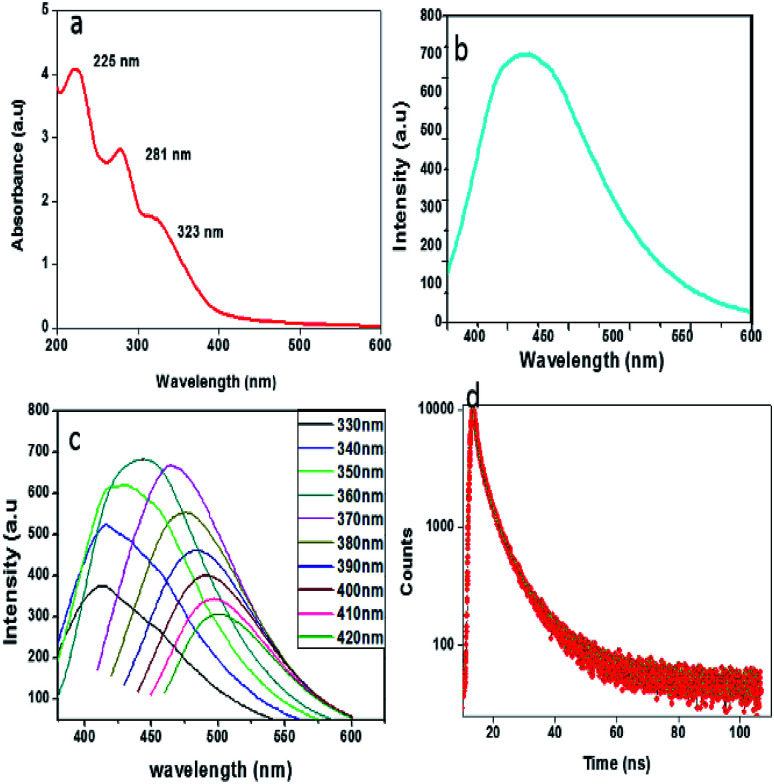
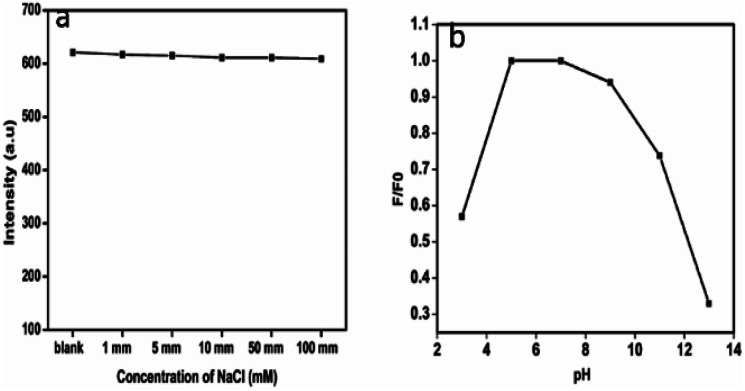
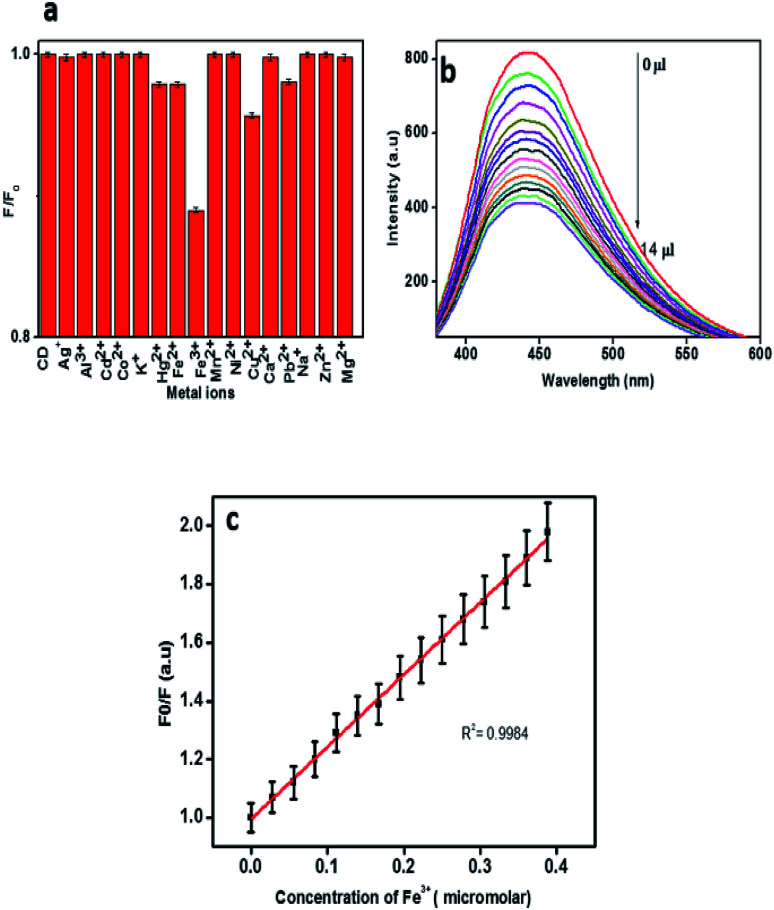
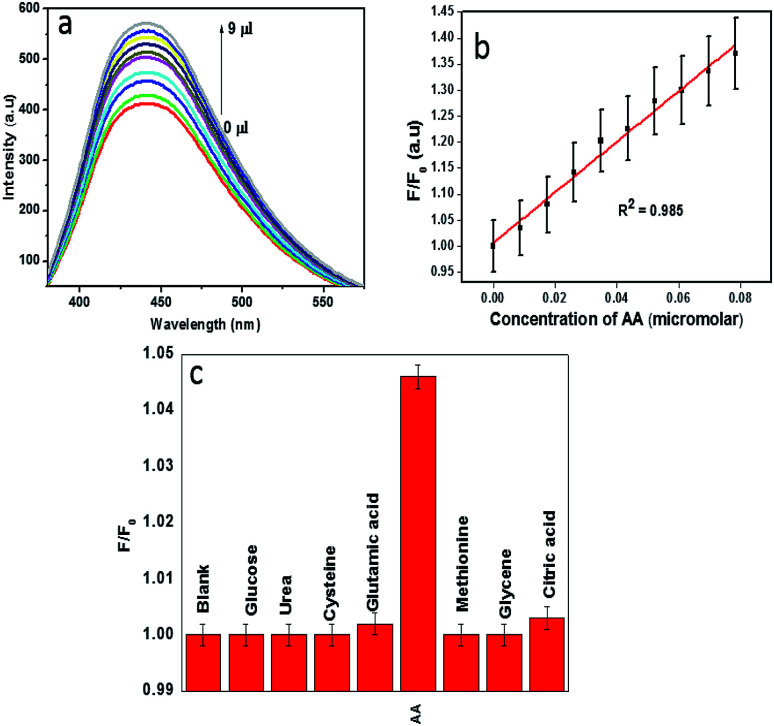
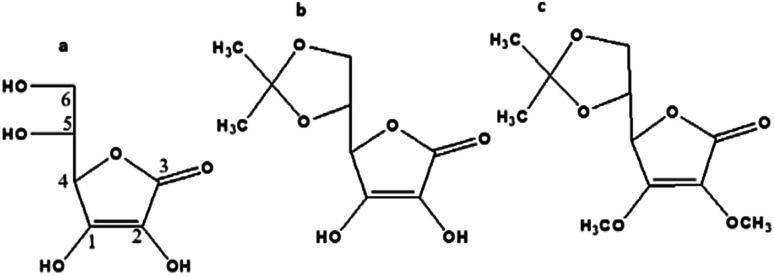
Highly luminescent carbon dots (CDs) are obtained from mint leaves adopting a simple and cost effective route devoid of additional chemical reagents and functionalization. The as-synthesized CDs are characterized by TEM, FE-SEM, XRD analysis, FTIR, Raman, UV-visible and photoluminescence spectral studies. The results reveal that the CDs have an average diameter of 4 nm with a hydroxyl-rich surface. The luminescence of the dots was excitation dependent and was stable towards variation in the medium. The system could perform as a promising on-off-on fluorescent sensor for the selective and sensitive dual analyte recognition of Fe and AA with a detection limit of 374 nM and 79 nM, respectively. The mechanism of ascorbic acid sensing by the CD-Fe unit is established by identifying the binding sites of the biomolecule with the metal ion by examining the behaviour of the sensor in the presence of ascorbic acid derivatives.
通过一种简单且经济高效的方法,无需额外的化学试剂和功能化处理,从薄荷叶中获得了高发光碳点(CDs)。采用透射电子显微镜(TEM)、场发射扫描电子显微镜(FE-SEM)、X射线衍射分析(XRD)、傅里叶变换红外光谱(FTIR)、拉曼光谱、紫外可见光谱和光致发光光谱研究对合成的碳点进行了表征。结果表明,碳点的平均直径为4nm,表面富含羟基。这些点的发光依赖于激发,并且对介质变化具有稳定性。该系统可以作为一种有前景的开-关-开荧光传感器,用于选择性和灵敏地双分析物识别铁(Fe)和抗坏血酸(AA),检测限分别为374 nM和79 nM。通过检查传感器在抗坏血酸衍生物存在下的行为,确定生物分子与金属离子的结合位点,从而建立了CD-Fe单元对抗坏血酸传感的机制。