Bai Yao, Chen Lingling, Chen Yao, Chen Xinmeng, Dong Yilong, Zheng Shangyong, Zhang Lei, Li Weiyuan, Du Jing, Li Hongliang
School of Medicine, Yunnan University 2 Cuihu North Road Kunming 650091 People Republic of China
School of Biomedical Sciences, The Chinese University of Hong Kong Shatin NT Hong Kong People Republic of China.
RSC Adv. 2019 Nov 13;9(64):37127-37135. doi: 10.1039/c9ra08245j.
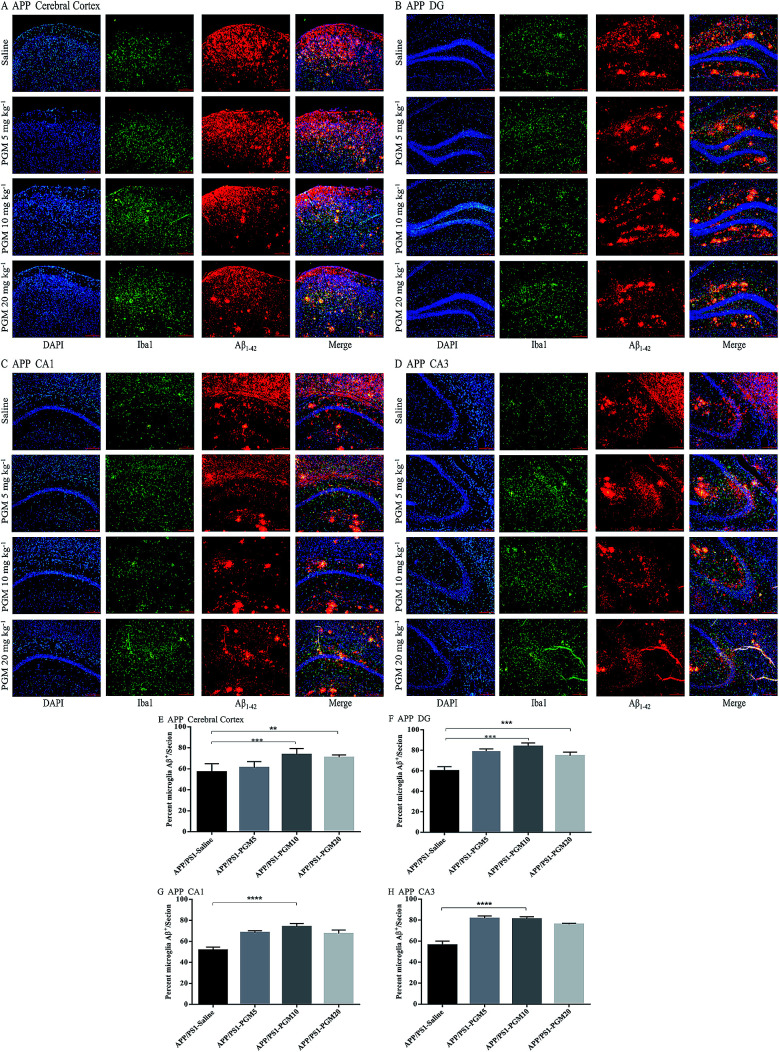
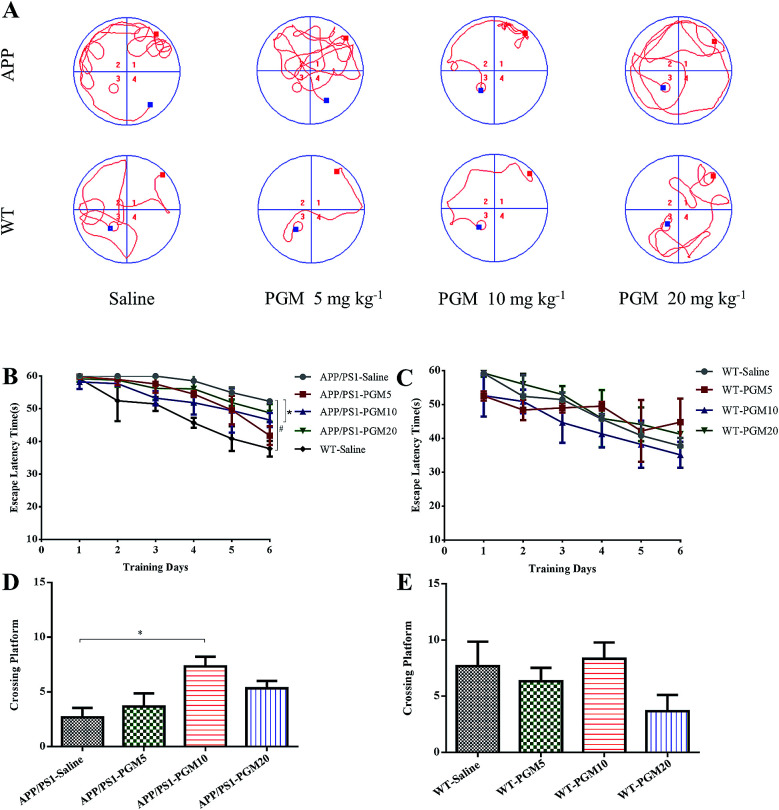
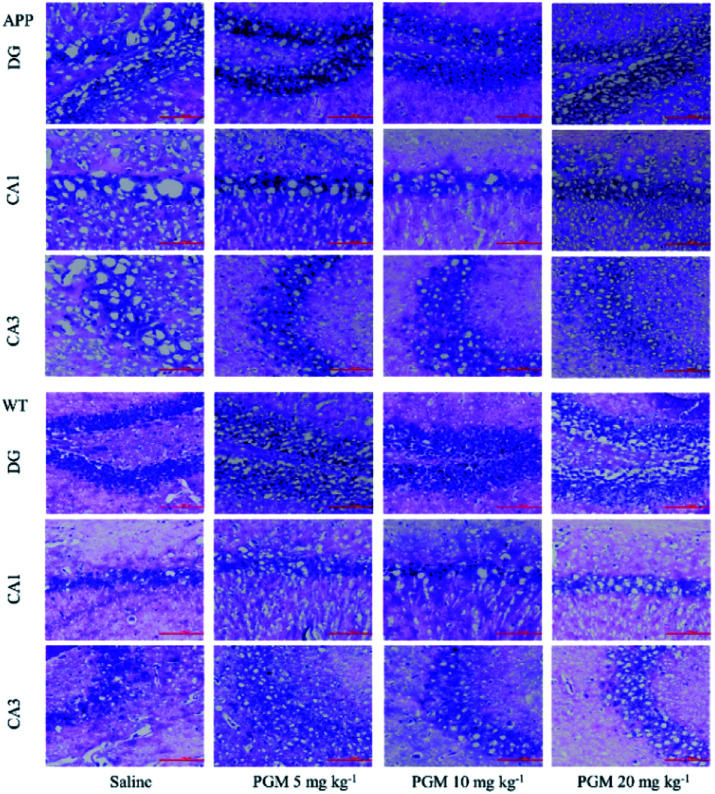
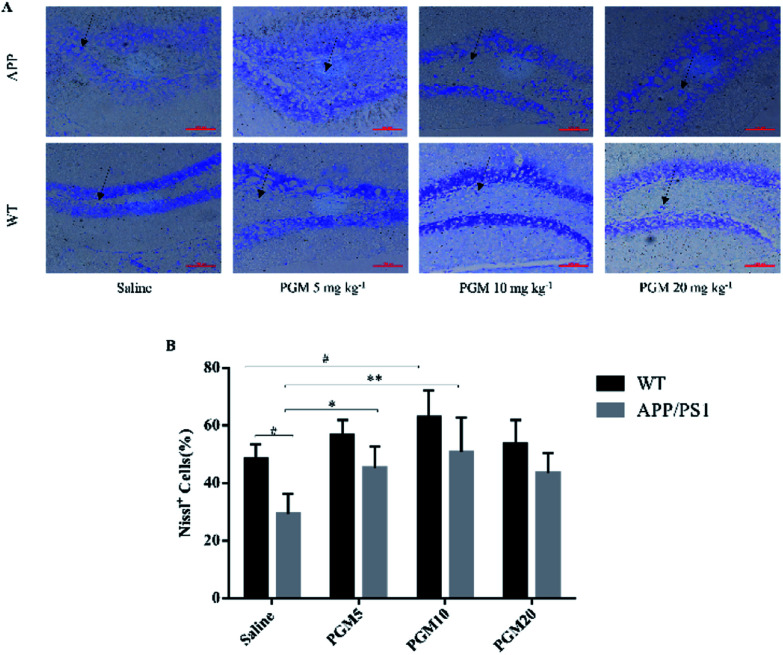
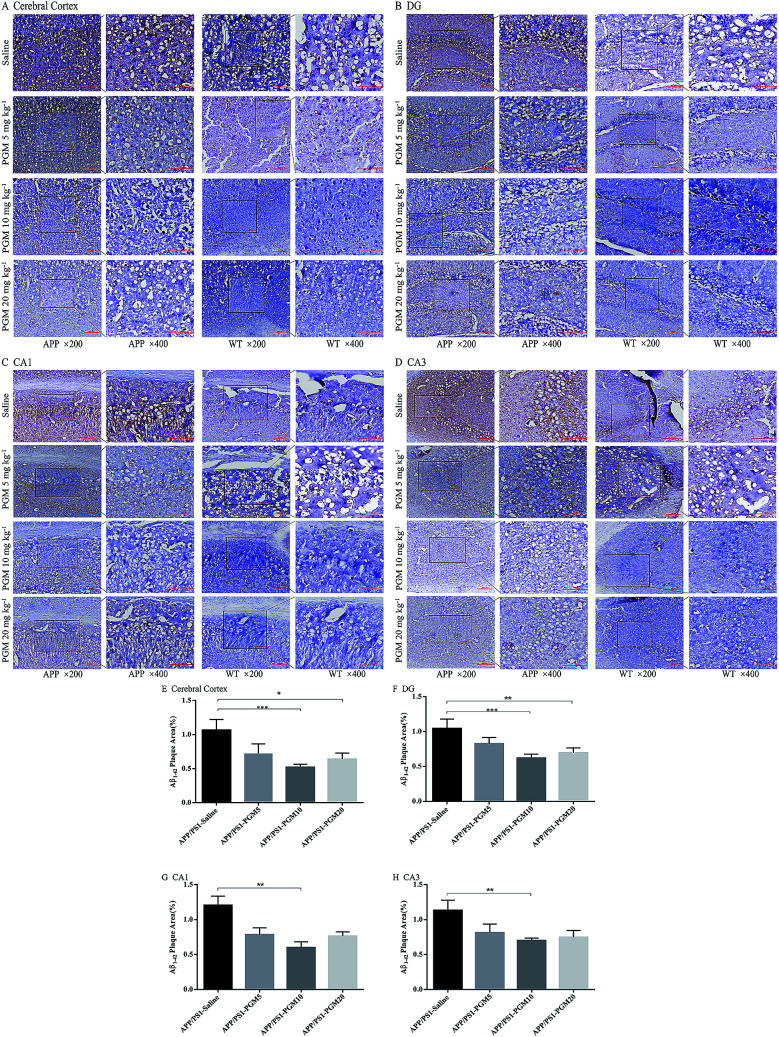
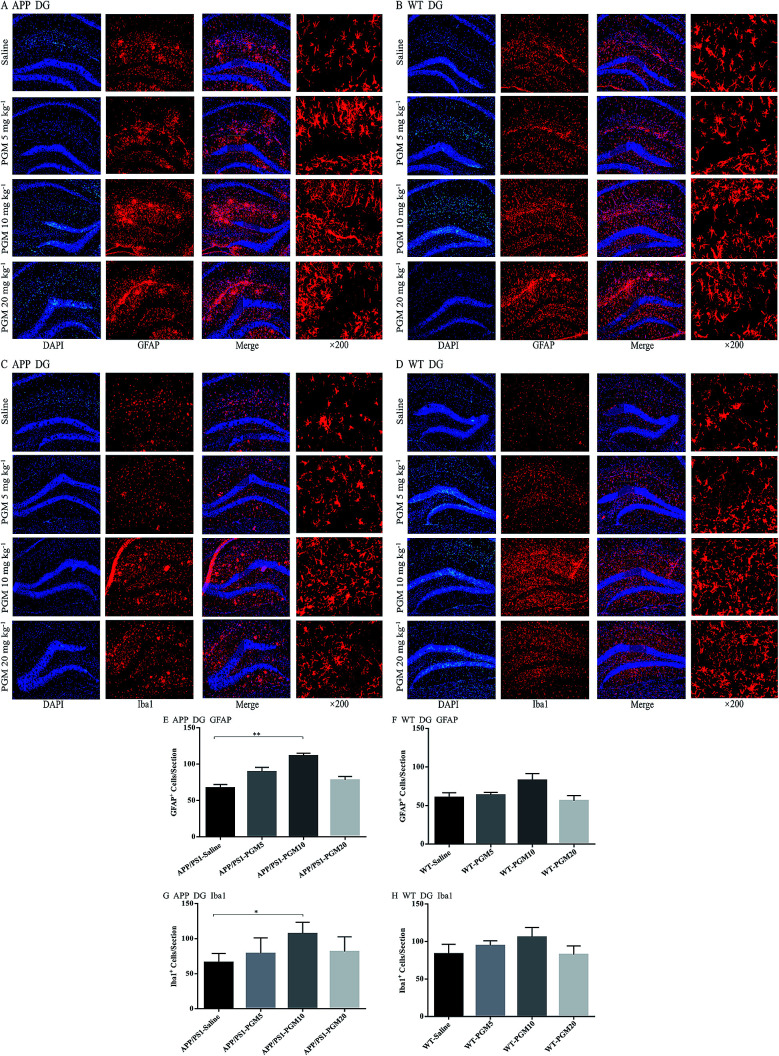
Alzheimer's disease (AD) is characterized by the deposition of amyloid-β (Aβ) plaques, neuronal loss and neurofibrillary tangles. In addition, neuroinflammatory processes are thought to contribute to AD pathophysiology. Maitake (), an edible/medicinal mushroom, exhibits high nutritional value and contains a great amount of health-beneficial, bioactive compounds. It has been reported that proteo-β-glucan, a polysaccharide derived from Maitake (PGM), possesses strong immunomodulatory activities. However, whether PGM is responsible for the immunomodulatory and neuroprotection effects on APP/PS1 (APP/PS1) transgenic mice, a widely used animal model of AD, remains unclear. In the present study, the results demonstrated that PGM could improve learning and memory impairment, attenuate neuron loss and histopathological abnormalities in APP/PS1 mice. In addition, PGM treatment could activate microglia and astrocytes and promote microglial recruitment to the Aβ plaques. Also, PGM could enhance Aβ phagocytosis, and thereby alleviate Aβ burden and the pathological changes in the cortex and hippocampus in APP/PS1 mice. Moreover, PGM showed no significant effect on mice body weight. In conclusion, these findings indicated that administration of PGM could improve memory impairment immunomodulatory action, and dietary supplementation with PGM may provide potential benefits on brain aging related memory dysfunction.
阿尔茨海默病(AD)的特征是β淀粉样蛋白(Aβ)斑块沉积、神经元丢失和神经原纤维缠结。此外,神经炎症过程被认为与AD的病理生理机制有关。舞茸(一种食药用菌)具有很高的营养价值,并且含有大量有益健康的生物活性化合物。据报道,从舞茸中提取的一种多糖——蛋白β-葡聚糖(PGM)具有强大的免疫调节活性。然而,PGM是否对APP/PS1转基因小鼠(一种广泛使用的AD动物模型)具有免疫调节和神经保护作用仍不清楚。在本研究中,结果表明PGM可以改善APP/PS1小鼠的学习和记忆障碍,减轻神经元丢失和组织病理学异常。此外,PGM治疗可以激活小胶质细胞和星形胶质细胞,并促进小胶质细胞向Aβ斑块募集。而且,PGM可以增强Aβ吞噬作用,从而减轻APP/PS1小鼠皮质和海马中的Aβ负担及病理变化。此外,PGM对小鼠体重没有显著影响。总之,这些发现表明给予PGM可以改善记忆障碍及免疫调节作用,并且饮食中补充PGM可能对与脑衰老相关的记忆功能障碍具有潜在益处。