Narayanamurthy Vigneswaran, Padmapriya P, Noorasafrin A, Pooja B, Hema K, Firus Khan Al'aina Yuhainis, Nithyakalyani K, Samsuri Fahmi
InnoFuTech No: 42/12, 7th Street, Vallalar Nagar, Pattabiram Chennai Tamil Nadu 600072 India
Faculty of Electrical and Electronics Engineering, University Malaysia Pahang Pekan 26600 Malaysia.
RSC Adv. 2018 Aug 6;8(49):28095-28130. doi: 10.1039/c8ra04164d. eCollection 2018 Aug 2.
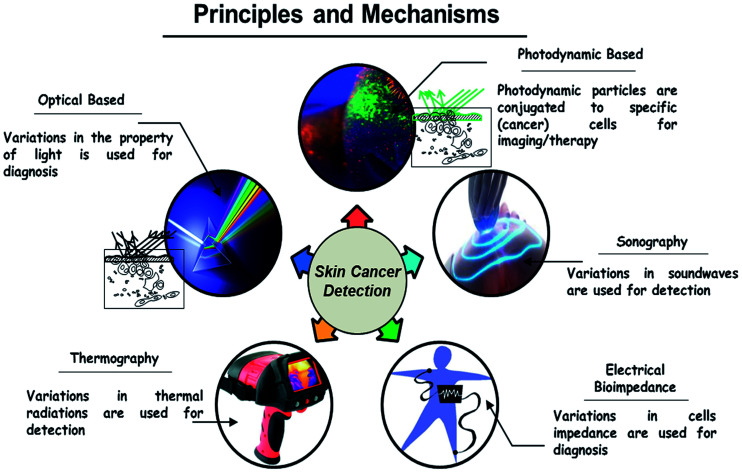
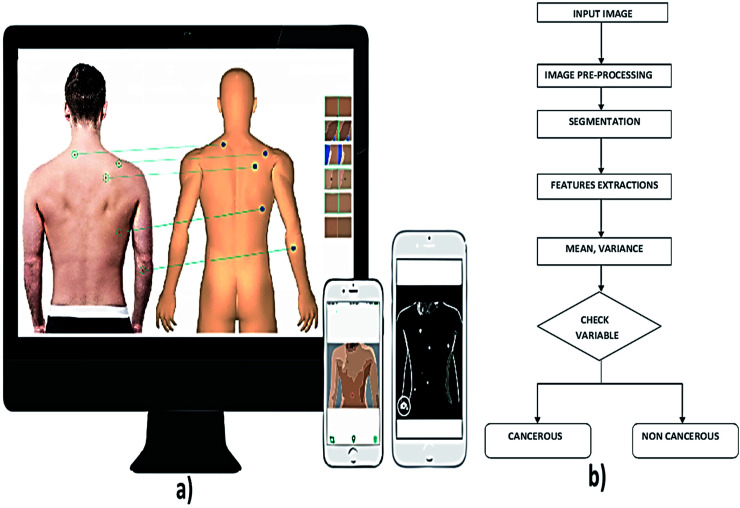
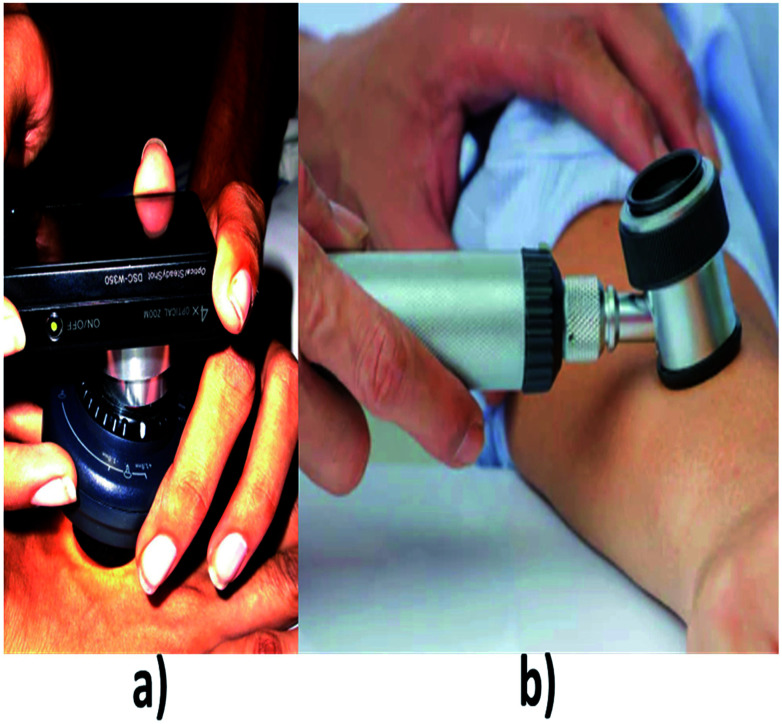
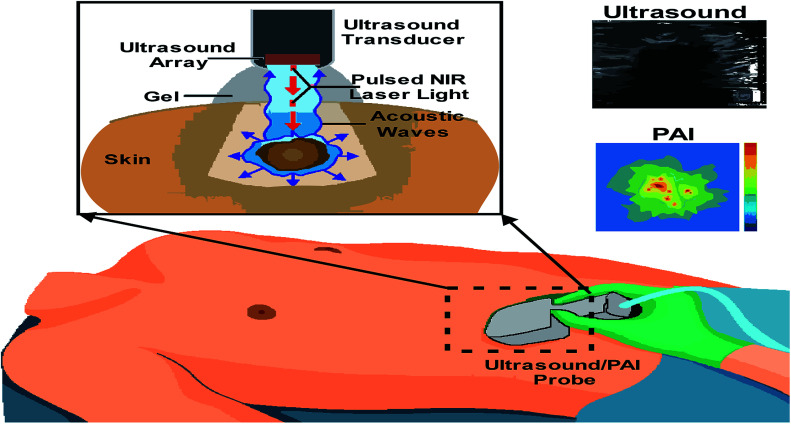
Skin cancer is the most common form of cancer and is globally rising. Historically, the diagnosis of skin cancers has depended on various conventional techniques which are of an invasive manner. A variety of commercial diagnostic tools and auxiliary techniques are available to detect skin cancer. This article explains in detail the principles and approaches involved for non-invasive skin cancer diagnostic methods such as photography, dermoscopy, sonography, confocal microscopy, Raman spectroscopy, fluorescence spectroscopy, terahertz spectroscopy, optical coherence tomography, the multispectral imaging technique, thermography, electrical bio-impedance, tape stripping and computer-aided analysis. The characteristics of an ideal screening test are outlined, and the authors pose several points for clinicians and scientists to consider in the evaluation of current and future studies of skin cancer detection and diagnosis. This comprehensive review critically analyses the literature associated with the field and summarises the recent updates along with their merits and demerits.
皮肤癌是最常见的癌症形式,且在全球范围内呈上升趋势。从历史上看,皮肤癌的诊断依赖于各种具有侵入性的传统技术。现在有多种商业诊断工具和辅助技术可用于检测皮肤癌。本文详细解释了非侵入性皮肤癌诊断方法(如摄影、皮肤镜检查、超声检查、共聚焦显微镜检查、拉曼光谱、荧光光谱、太赫兹光谱、光学相干断层扫描、多光谱成像技术、热成像、电阻抗、胶带剥离和计算机辅助分析)所涉及的原理和方法。概述了理想筛查测试的特征,作者提出了几点供临床医生和科学家在评估当前和未来皮肤癌检测与诊断研究时考虑。这篇全面的综述批判性地分析了与该领域相关的文献,并总结了最新进展及其优缺点。