Department of Rheumatology, Mianyang Central Hospital, School of Medicine, University of Electronic Science and Technology of China, Mianyang, China.
Department of Clinical Medicine, North Sichuan Medical College, Nanchong, China.
Front Immunol. 2022 May 11;13:874021. doi: 10.3389/fimmu.2022.874021. eCollection 2022.
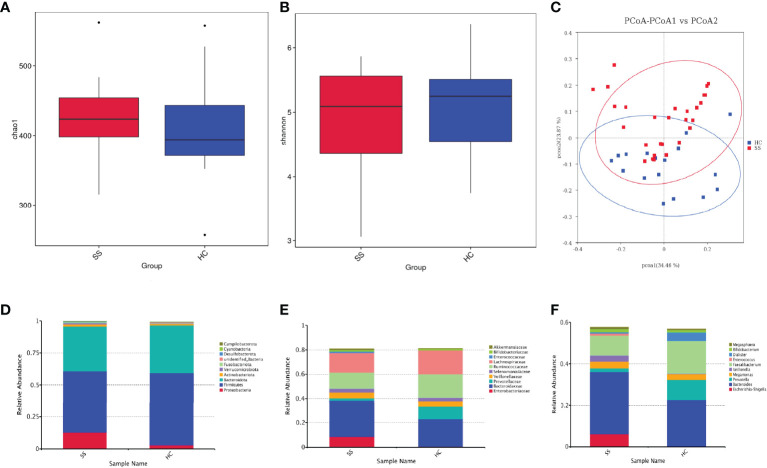
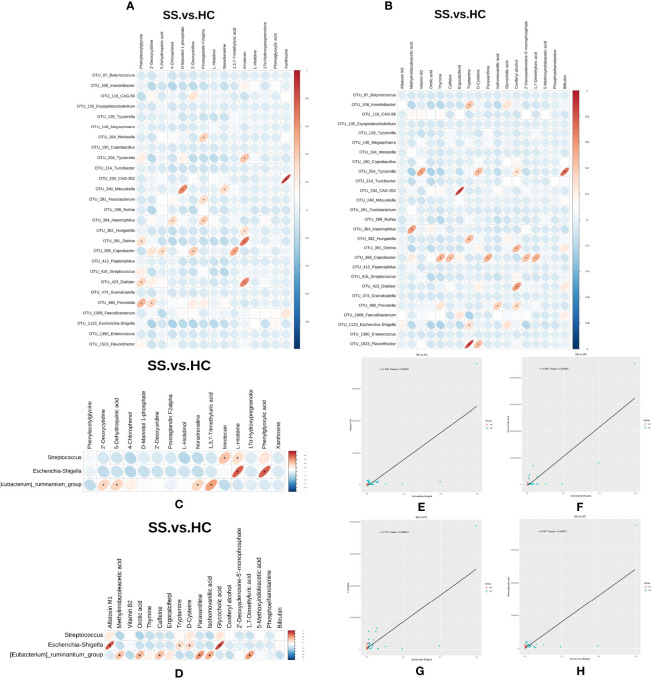
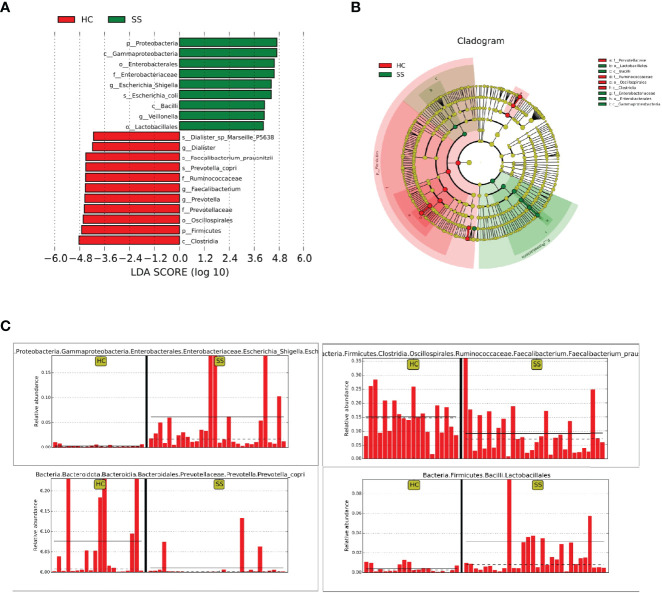
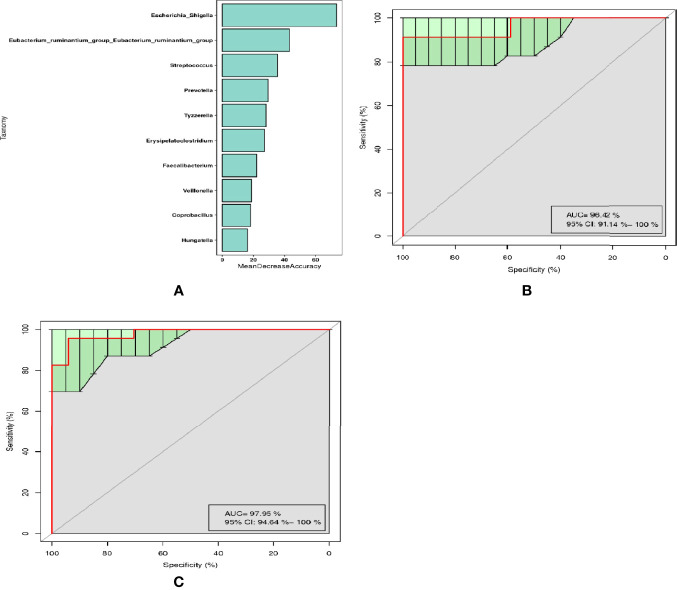
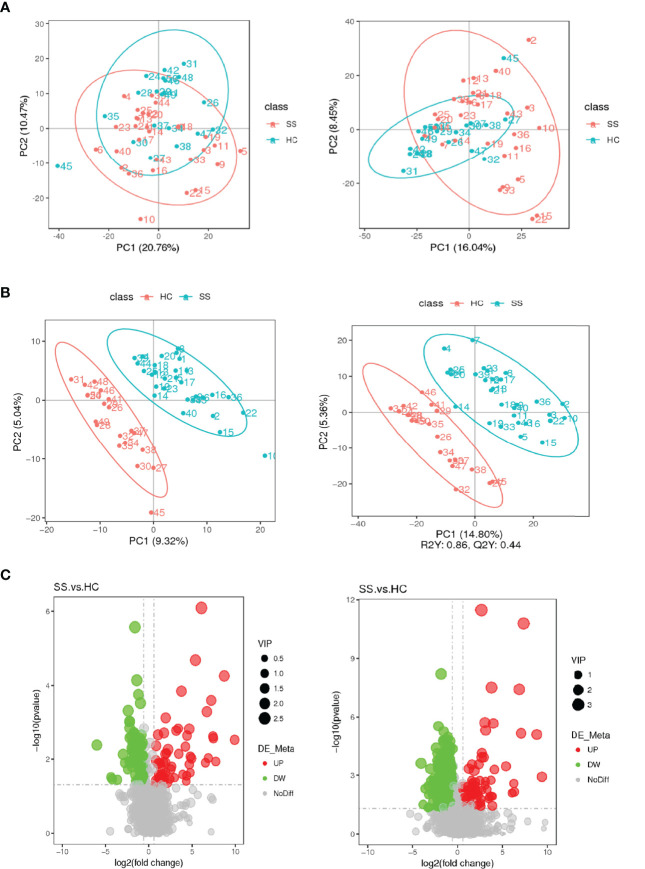
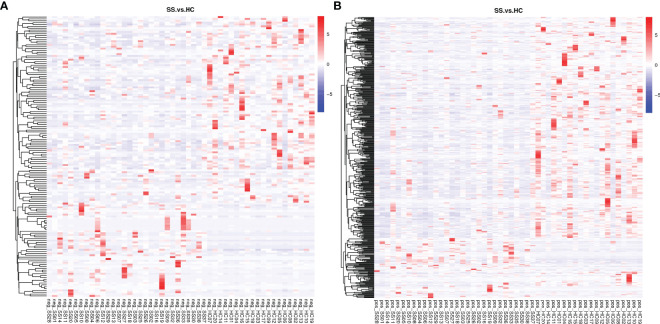
The gut microbiota has been associated with primary Sjogren's syndrome (pSS), yet the biological implications of these associations are often elusive. We analyzed the fecal microbiota through 16S rRNA gene amplification and sequencing in 30 patients with pSS and 20 healthy controls (HCs); At the same time, the fecal metabolome was characterized by ultrahigh-performance liquid chromatography-mass spectrometry. In addition, correlation analyses of microbiota and metabolome data were performed to identify meaningful associations. We found that the microbiota composition of pSS patients was significantly different from that of HCs. The pSS gut microbiota is characterized by increased abundances of proinflammatory microbes, especially , and decreased abundances of anti-inflammatory microbes. Concerning the metabolome, a multivariate model with 33 metabolites efficiently distinguished cases from controls. Through KEGG enrichment analysis, we found that these metabolites were mainly involved in amino acid metabolism and lipid metabolism. The correlation analysis indicated that there were certain correlations between the microbiota and metabolism in pSS patients. In addition, an abundance of was found to be correlated with high levels of four metabolites (aflatoxin M1, glycocholic acid, L-histidine and phenylglyoxylic acid). Our research suggests that in pSS patients, the gut microbiota is characterized by a specific combination of proinflammatory changes and metabolic states. is a factor related to gut dysbiosis, which may promote intestinal damage and affect amino acid metabolism.
肠道微生物群与原发性干燥综合征(pSS)有关,但这些关联的生物学意义常常难以捉摸。我们通过 16S rRNA 基因扩增和测序分析了 30 例 pSS 患者和 20 例健康对照者(HCs)的粪便微生物群;同时,通过超高效液相色谱-质谱法对粪便代谢组进行了特征分析。此外,还进行了微生物群和代谢组数据的相关分析,以确定有意义的关联。我们发现 pSS 患者的微生物群组成与 HCs 明显不同。pSS 肠道微生物群的特征是促炎微生物的丰度增加,特别是 ,抗炎微生物的丰度降低。关于代谢组,一个包含 33 种代谢物的多元模型可以有效地将病例与对照区分开来。通过 KEGG 富集分析,我们发现这些代谢物主要参与氨基酸代谢和脂质代谢。相关分析表明,pSS 患者的微生物群和代谢之间存在一定的相关性。此外,发现 的丰度与四种代谢物(黄曲霉 M1、甘胆酸、L-组氨酸和苯甘氨酸)的高水平相关。我们的研究表明,在 pSS 患者中,肠道微生物群的特征是炎症变化和代谢状态的特定组合。 是与肠道菌群失调相关的因素,可能会促进肠道损伤并影响氨基酸代谢。