Lee Yunjin, Liston Sean D, Lee Dongyeob, Robbins Nicole, Cowen Leah E
Department of Molecular Genetics, University of Toronto, Toronto, ON M5G 1M1, Canada.
iScience. 2022 May 18;25(6):104432. doi: 10.1016/j.isci.2022.104432. eCollection 2022 Jun 17.
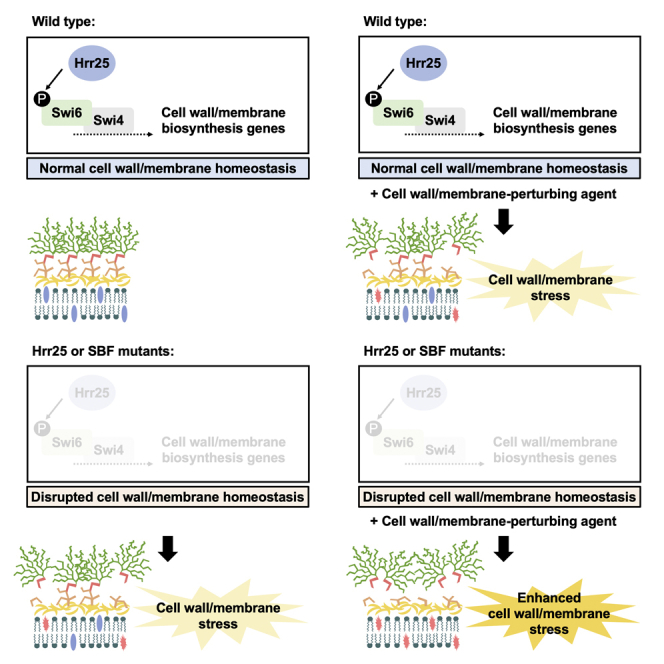
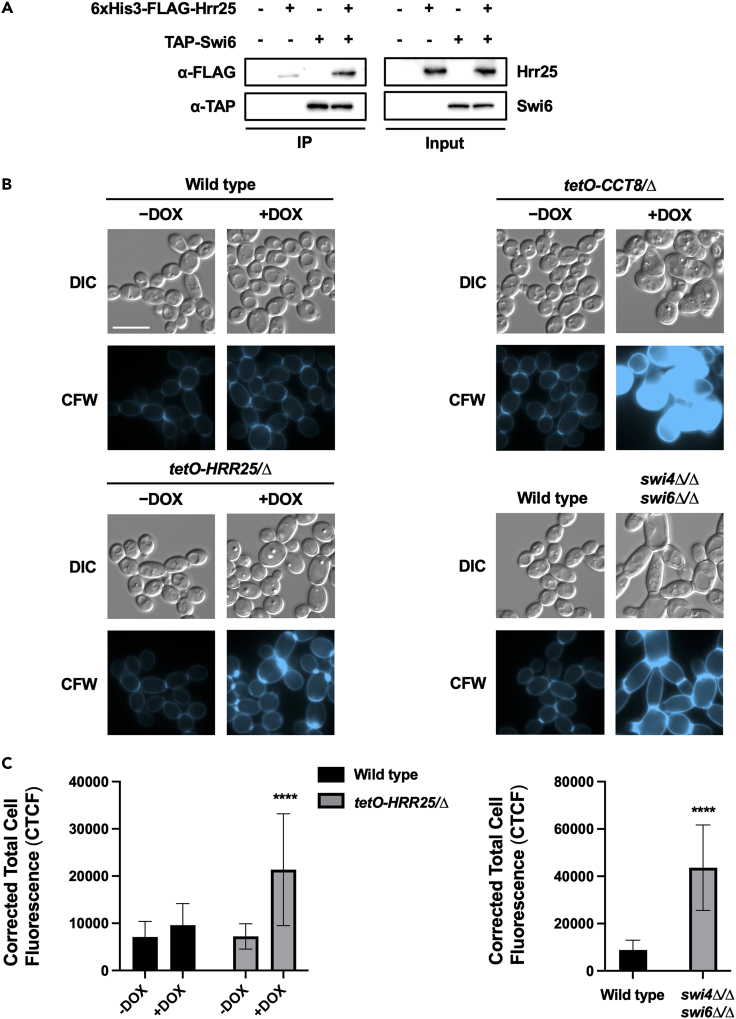
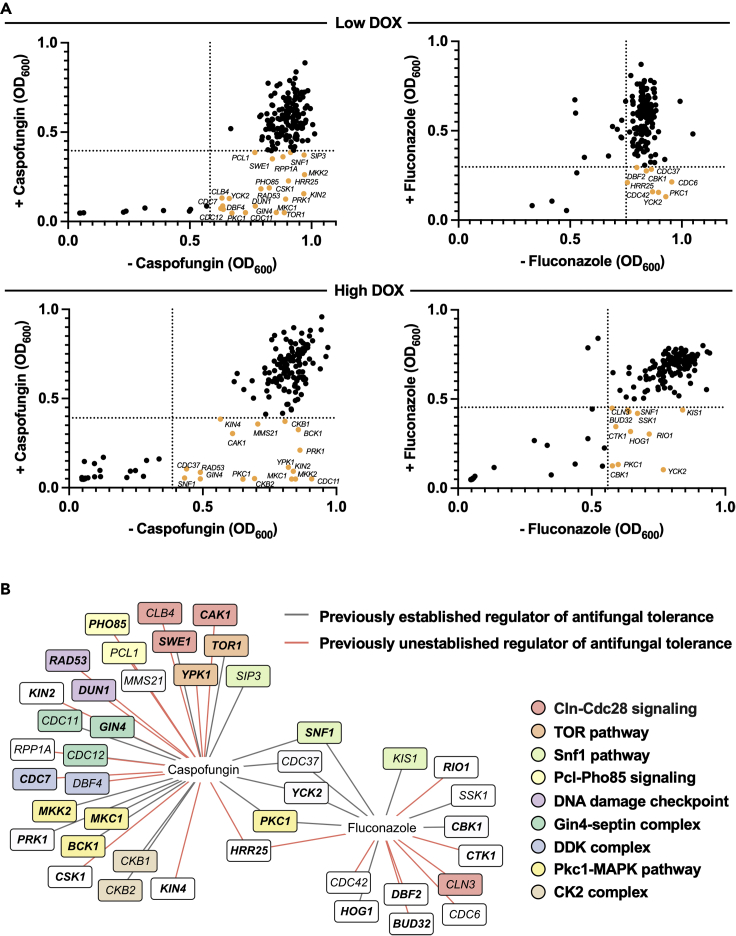
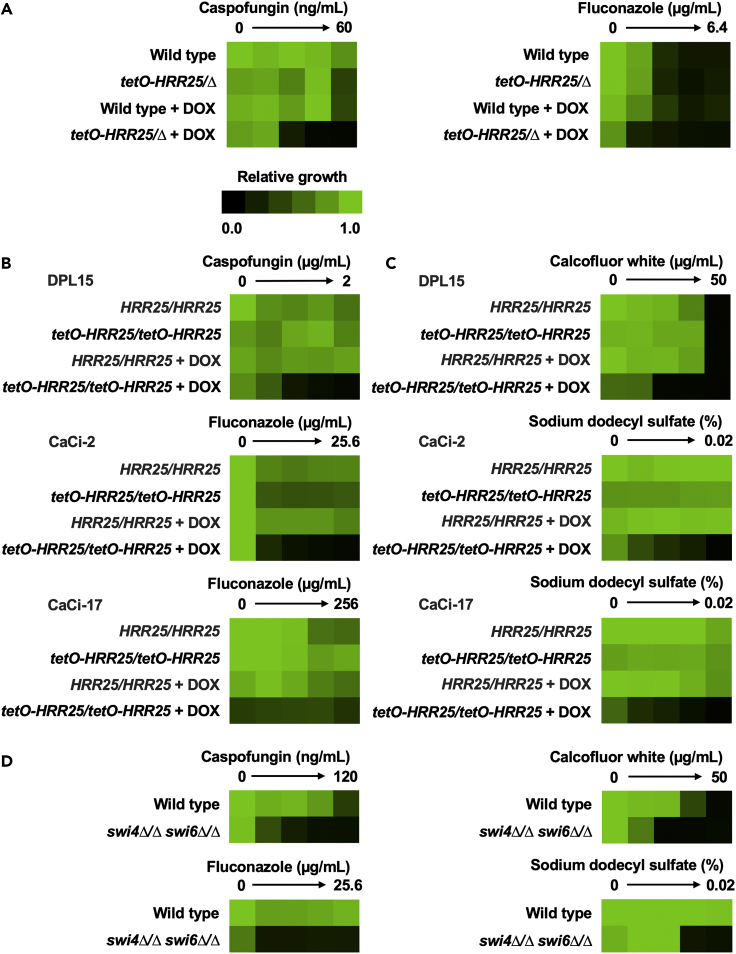
is a leading cause of death due to systemic fungal infections. Poor patient outcomes are attributable to the limited number of antifungal classes and the increasing prevalence of drug resistance. Protein kinases have emerged as rewarding targets in the development of drugs for diverse diseases, yet kinases remain untapped in the quest for new antifungals. Here, we performed a comprehensive analysis of the kinome to identify genes for which loss-of-function confers hypersensitivity to the two most widely deployed antifungals, echinocandins and azoles. Through this analysis, we found a role for the casein kinase 1 (CK1) homologue Hrr25 in regulating tolerance to both antifungals as well as target-mediated echinocandin resistance. Follow-up investigations established that Hrr25 regulates these responses through its interaction with the SBF transcription factor. Thus, we provide insights into the circuitry governing cellular responses to antifungals and implicate Hrr25 as a key mediator of drug resistance.
是系统性真菌感染导致死亡的主要原因。患者预后不佳归因于抗真菌药物种类有限以及耐药性的日益普遍。蛋白激酶已成为多种疾病药物开发中有价值的靶点,但在寻找新型抗真菌药物方面,激酶仍未得到充分利用。在此,我们对激酶组进行了全面分析,以确定功能丧失会导致对两种最广泛使用的抗真菌药物(棘白菌素和唑类)过敏的基因。通过该分析,我们发现酪蛋白激酶1(CK1)同源物Hrr25在调节对这两种抗真菌药物的耐受性以及靶点介导的棘白菌素耐药性中发挥作用。后续研究确定,Hrr25通过与SBF转录因子相互作用来调节这些反应。因此,我们深入了解了控制细胞对抗真菌药物反应的信号通路,并表明Hrr25是耐药性的关键介质。