Medical School of Chinese PLA, Beijing 100853, China.
Department of Stomatology, The First Medical Centre, Chinese PLA General Hospital, Beijing 100853, China.
Oxid Med Cell Longev. 2022 May 25;2022:4619760. doi: 10.1155/2022/4619760. eCollection 2022.
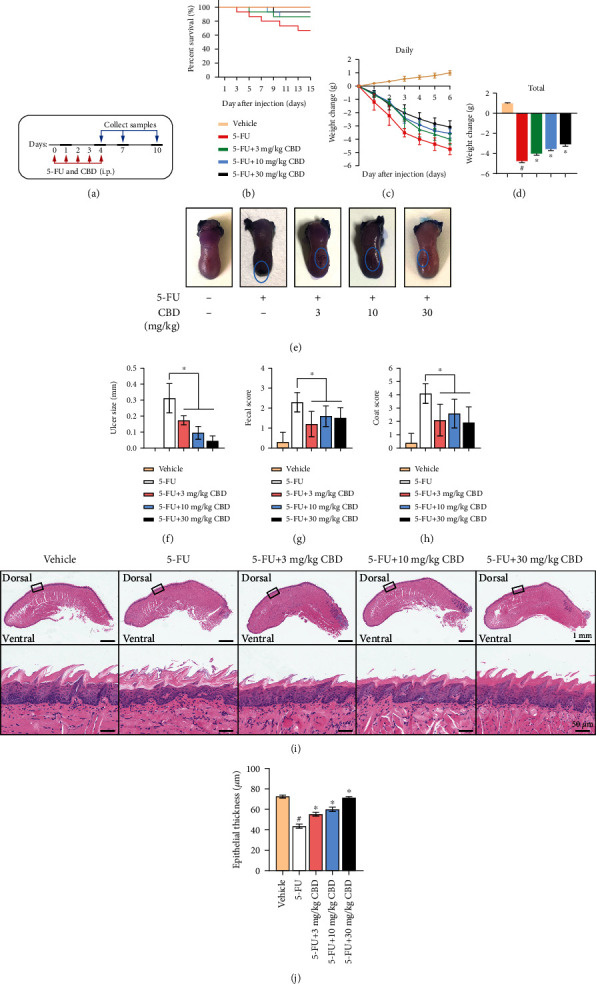
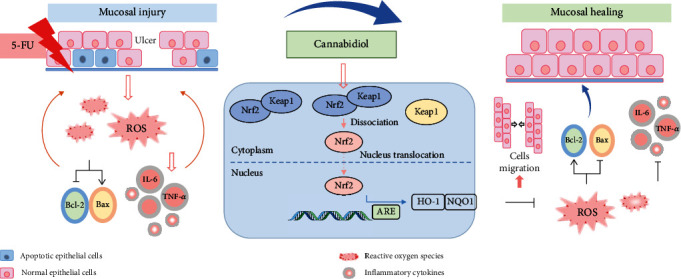
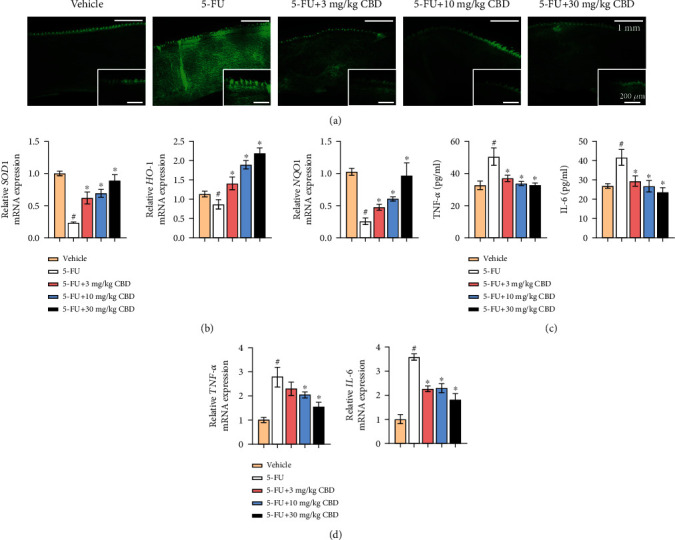
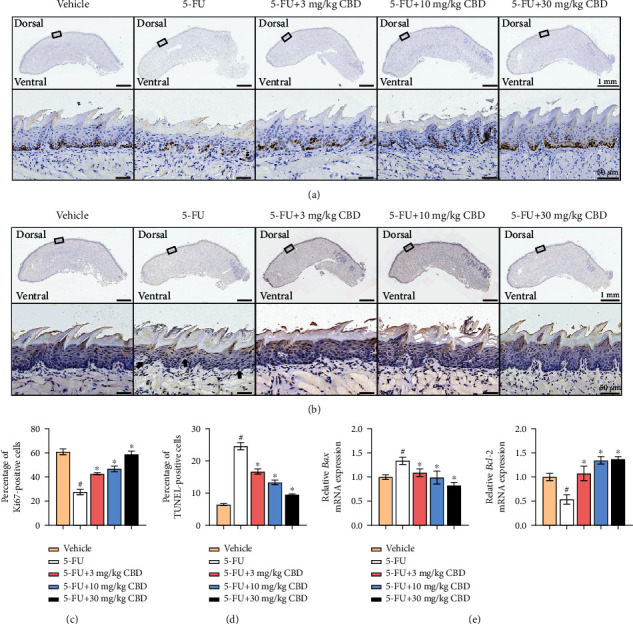
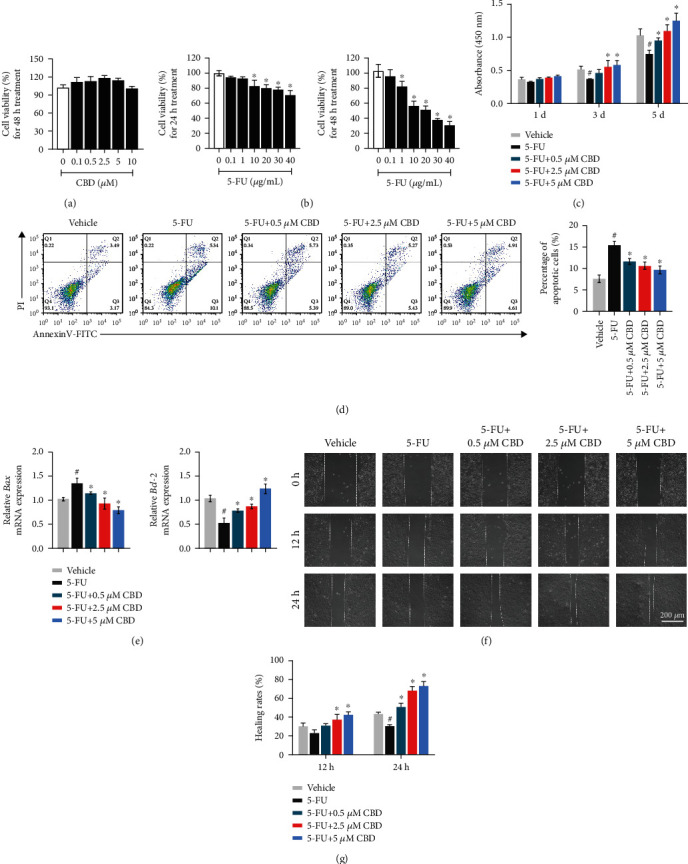
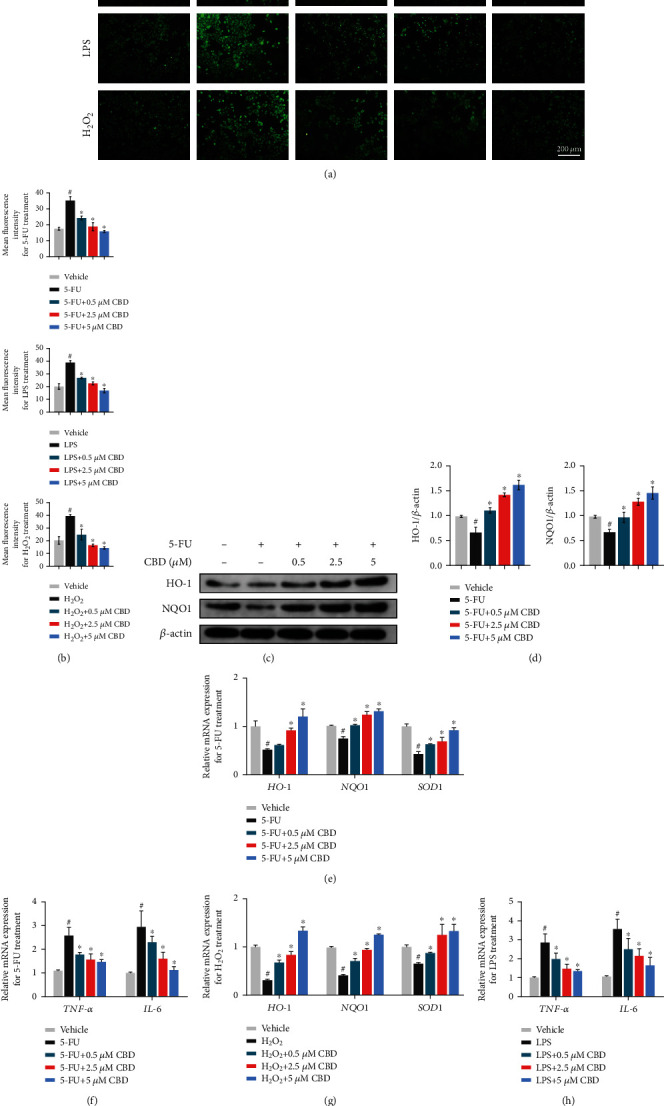
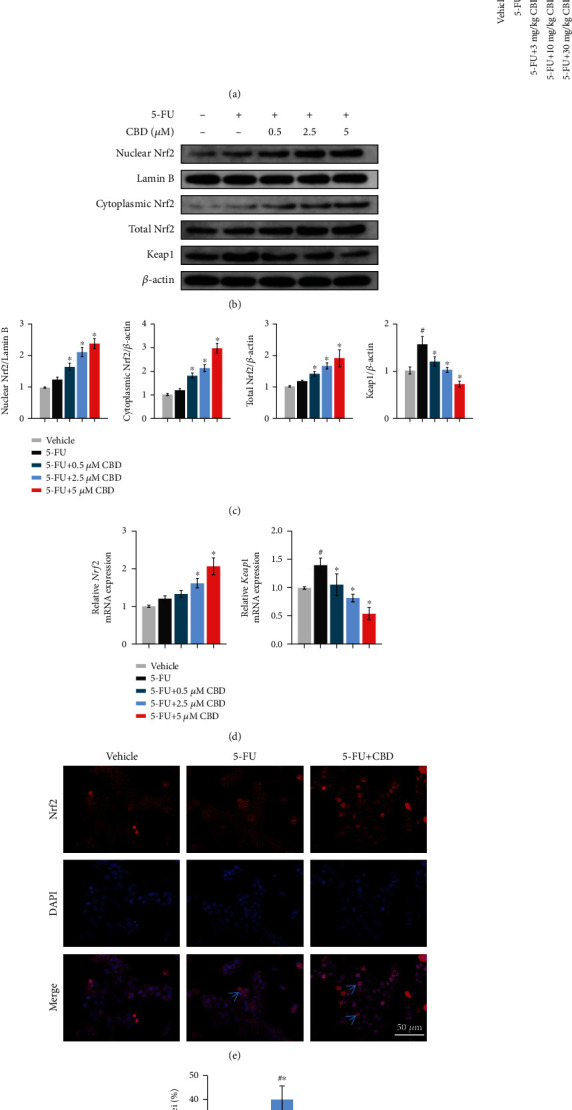
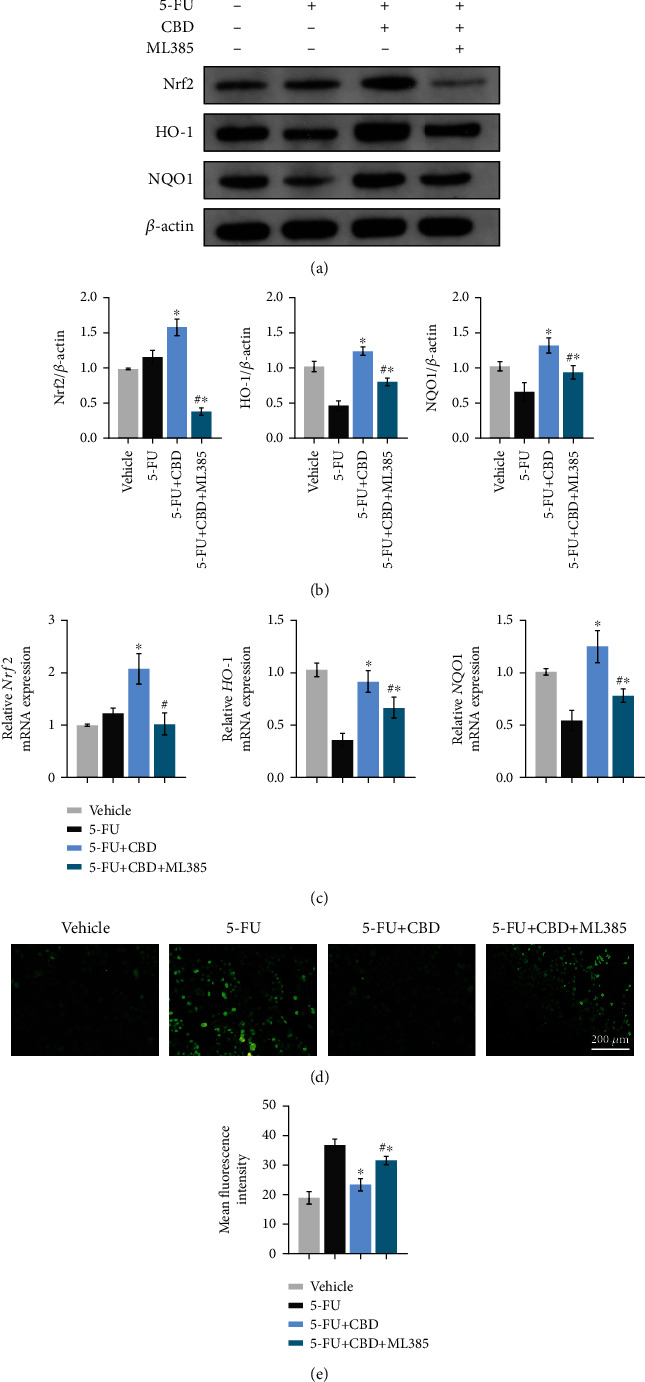
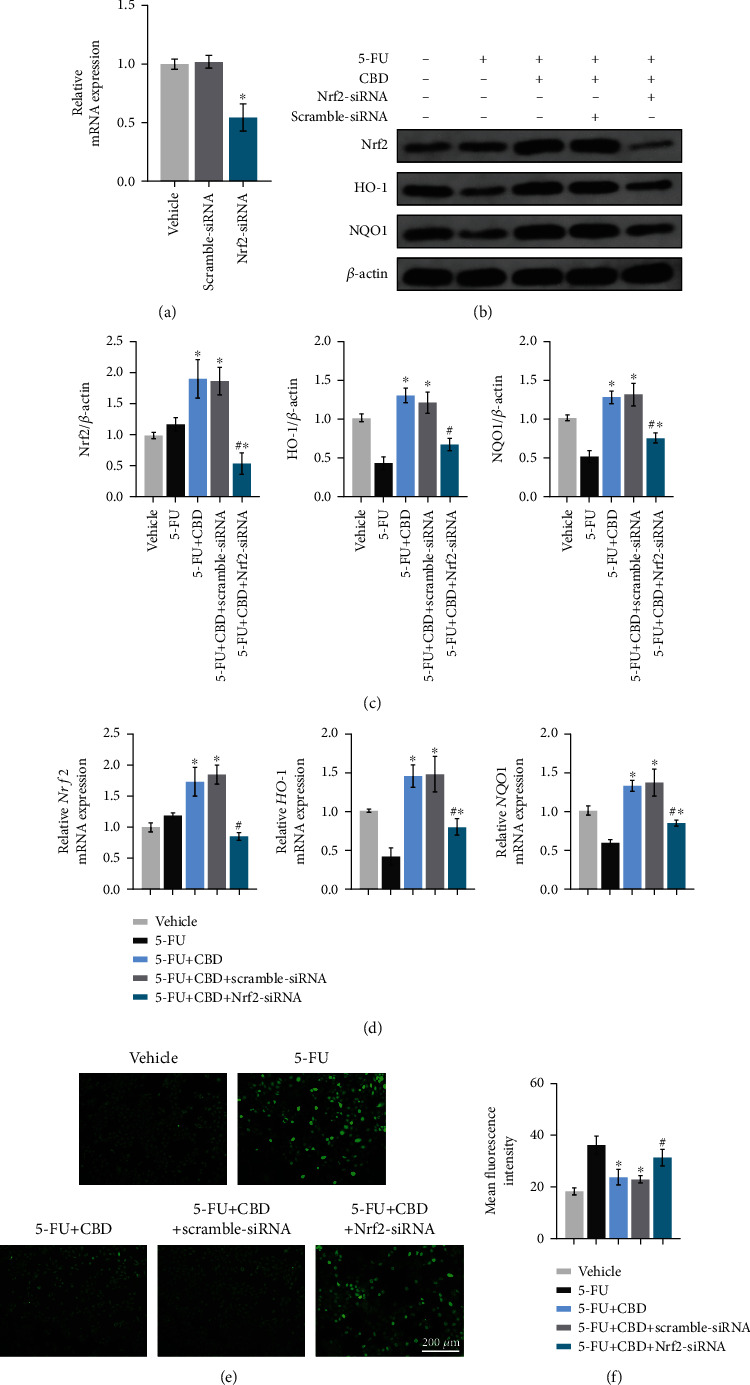
Oral mucositis (OM) is a common complication during chemotherapy characterized by ulceration, mucosa atrophy, and necrosis, which seriously interferes with nutritional intake and oncotherapy procedures among patients. However, the efficacy of current treatments for OM remains limited. Cannabidiol (CBD) is a natural cannabinoid with multiple biological activities, including antioxidant and anti-inflammatory potential. In this study, we aimed to investigate the chemopreventive effects and mechanisms of CBD in protecting C57BL/6N mice and human oral keratinocytes (HOK) from 5-fluorouracil- (5-FU-) induced OM. Here, we found that CBD alleviated the severity of 5-FU-induced OM in mice, including improved survival, decreased body weight loss, reduced ulcer sizes, and improved clinical scores. Histologically, CBD restored epithelial thickness and normal structure in tongue tissues. Meanwhile, CBD attenuated reactive oxygen species (ROS) overproduction and improved the antioxidant response, suppressed the inflammatory response, promoted the proliferation of epithelial cells, and inhibited 5-FU-induced apoptosis. , consistent outcomes showed that CBD suppressed cellular ROS levels, enhanced antioxidant ability, reduced inflammatory response, promoted proliferation, and inhibited apoptosis in 5-FU-treated HOK cells. In particular, CBD upregulated the expression levels of antioxidant enzymes, heme oxygenase-1 (HO-1) and NAD(P)H quinine oxidoreductase 1 (NQO1), by increasing the expression and nuclear translocation of nuclear factor erythroid 2-related factor 2 (Nrf2) and decreasing Kelch-like ECH-associated protein 1 (Keap1). Notably, the Nrf2 inhibitor ML385 reversed the protective effect of CBD. Nrf2-siRNA transfection also significantly blunted the antioxidant effect of CBD in OM model. Collectively, our findings suggested that CBD protected against 5-FU-induced OM injury at least partially via the Nrf2/Keap1/ARE signaling pathways, highlighting the therapeutic prospects of CBD as a novel strategy for chemotherapy-induced OM.
口腔黏膜炎(OM)是化疗中常见的并发症,其特征为溃疡、黏膜萎缩和坏死,严重干扰患者的营养摄入和肿瘤治疗过程。然而,目前针对 OM 的治疗效果仍然有限。大麻二酚(CBD)是一种具有多种生物活性的天然大麻素,包括抗氧化和抗炎潜力。在这项研究中,我们旨在研究 CBD 在保护 C57BL/6N 小鼠和人口腔角质细胞(HOK)免受 5-氟尿嘧啶(5-FU)诱导的 OM 中的化学预防作用和机制。在这里,我们发现 CBD 减轻了 5-FU 诱导的 OM 在小鼠中的严重程度,包括提高生存率、减少体重减轻、减少溃疡大小和改善临床评分。组织学上,CBD 恢复了舌组织的上皮厚度和正常结构。同时,CBD 减轻了活性氧(ROS)的过度产生并改善了抗氧化反应,抑制了炎症反应,促进了上皮细胞的增殖,并抑制了 5-FU 诱导的细胞凋亡。一致的结果表明,CBD 抑制了 5-FU 处理的 HOK 细胞中的细胞 ROS 水平,增强了抗氧化能力,减轻了炎症反应,促进了增殖,并抑制了细胞凋亡。特别是,CBD 通过增加核因子红细胞 2 相关因子 2(Nrf2)的表达和核易位以及减少 Kelch 样 ECH 相关蛋白 1(Keap1)来上调抗氧化酶血红素加氧酶-1(HO-1)和 NAD(P)H 醌氧化还原酶 1(NQO1)的表达水平。值得注意的是,Nrf2 抑制剂 ML385 逆转了 CBD 的保护作用。OM 模型中 CBD 的抗氧化作用也因 Nrf2-siRNA 转染而明显减弱。总的来说,我们的研究结果表明,CBD 通过 Nrf2/Keap1/ARE 信号通路至少部分保护了 5-FU 诱导的 OM 损伤,突出了 CBD 作为一种治疗化疗诱导的 OM 的新策略的治疗前景。