Department of Pediatrics, Division of Infectious Diseases, Center for Inflammation and Tolerance, Cincinnati Children's Hospital Medical Center, University of Cincinnati School of Medicine, Cincinnati, OH, USA.
Department of Pediatrics, Division of Neonatology, Cincinnati Children's Hospital Medical Center, University of Cincinnati School of Medicine, Cincinnati, OH, USA.
Nature. 2022 Jun;606(7915):769-775. doi: 10.1038/s41586-022-04816-9. Epub 2022 Jun 8.
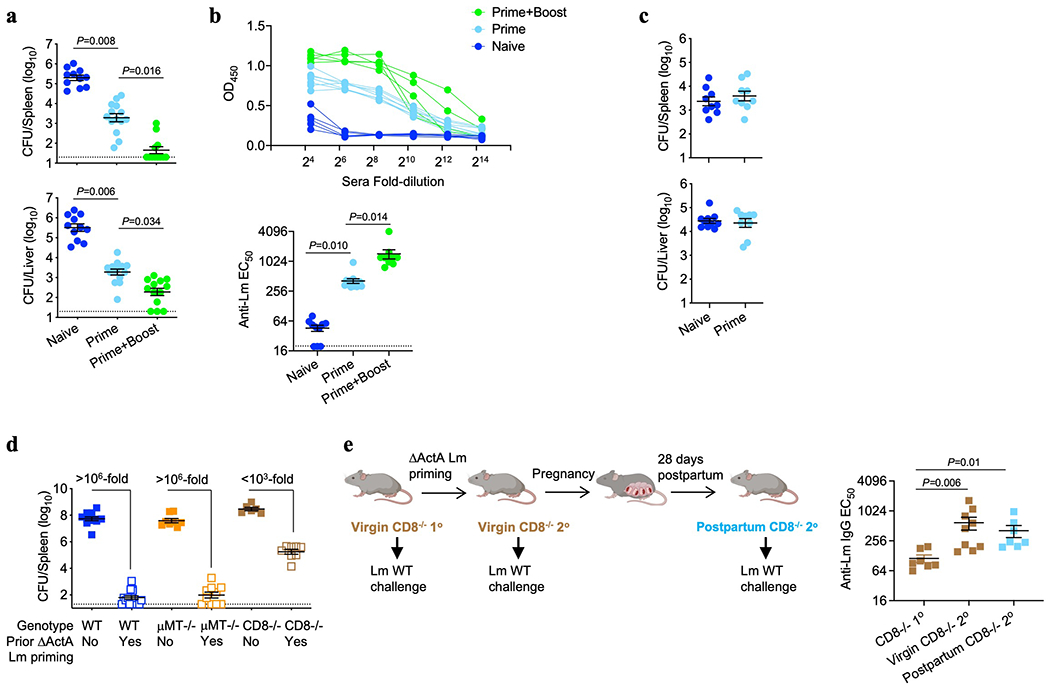
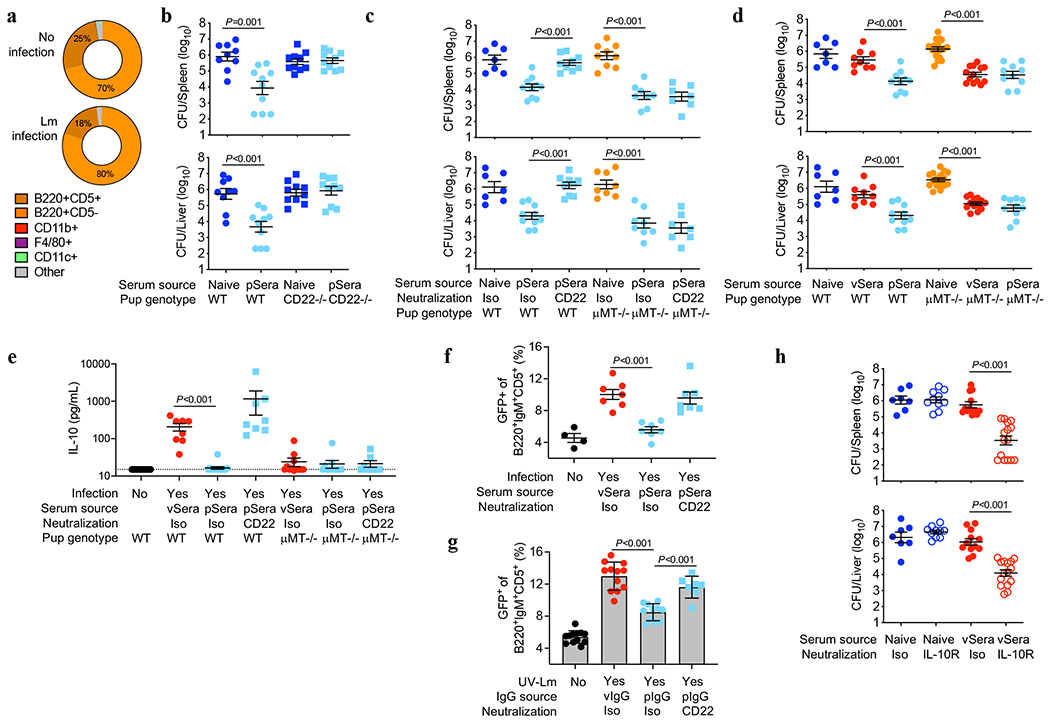
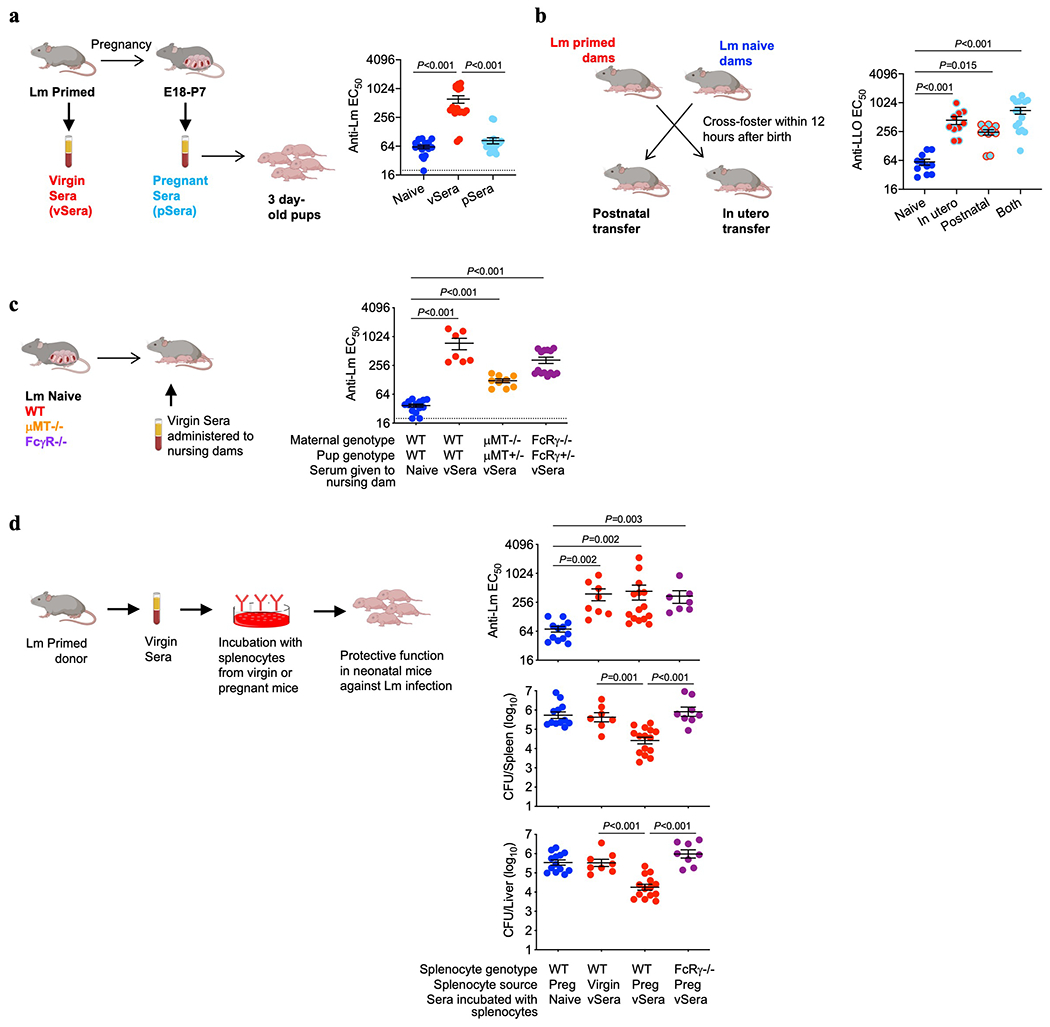
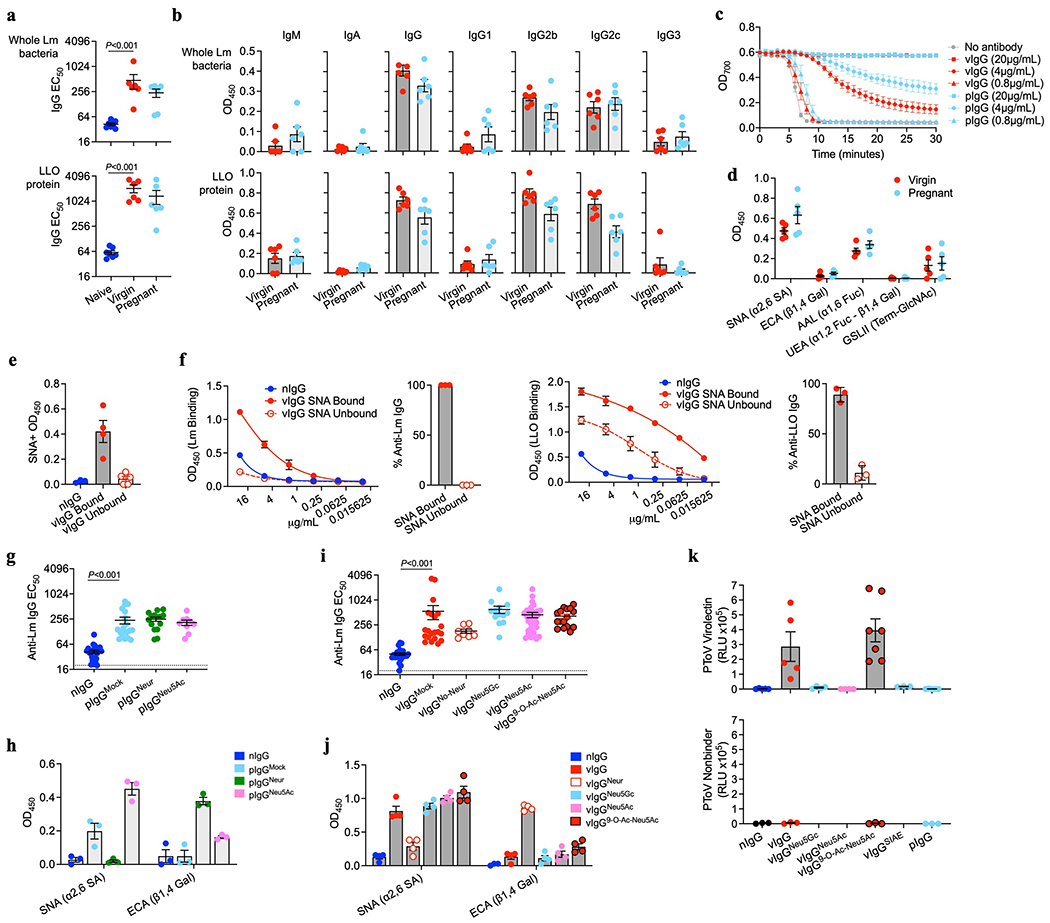
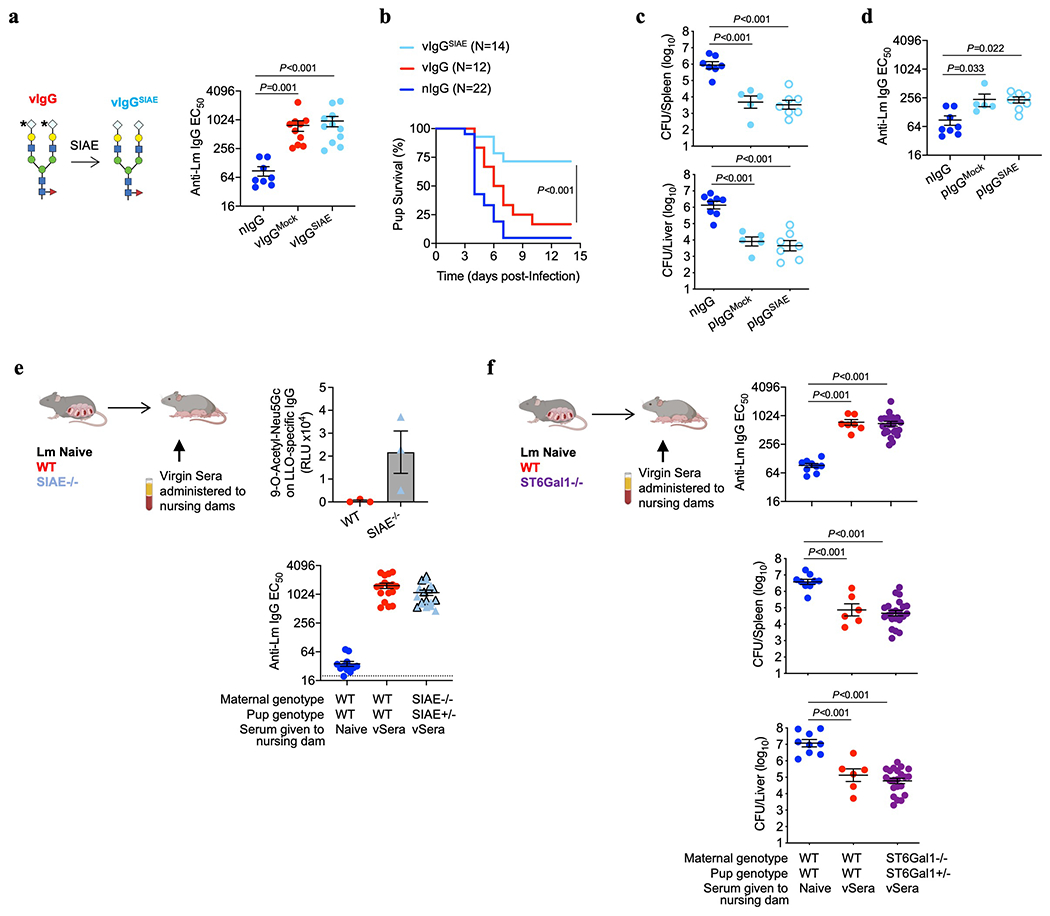
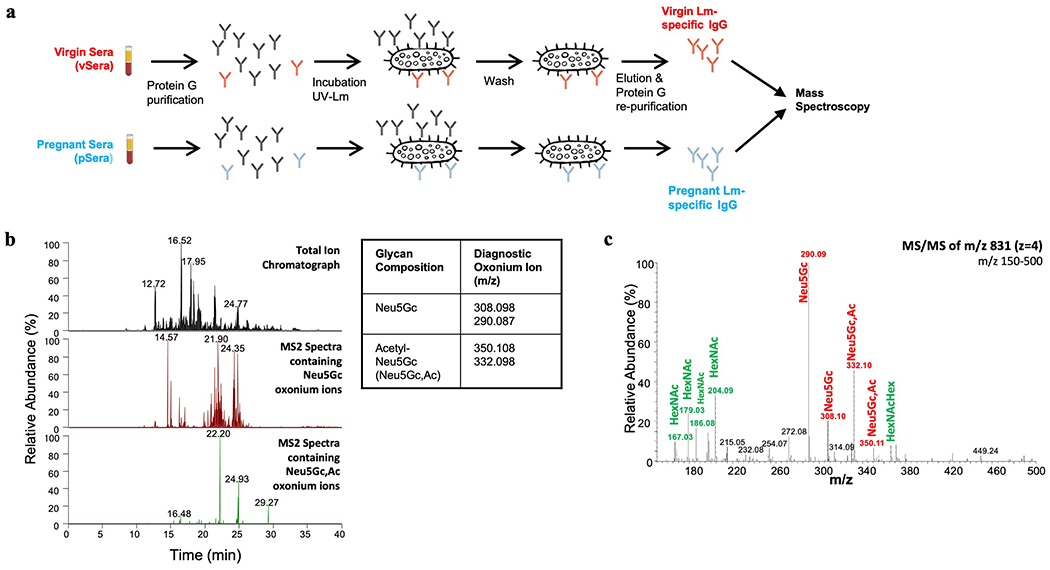
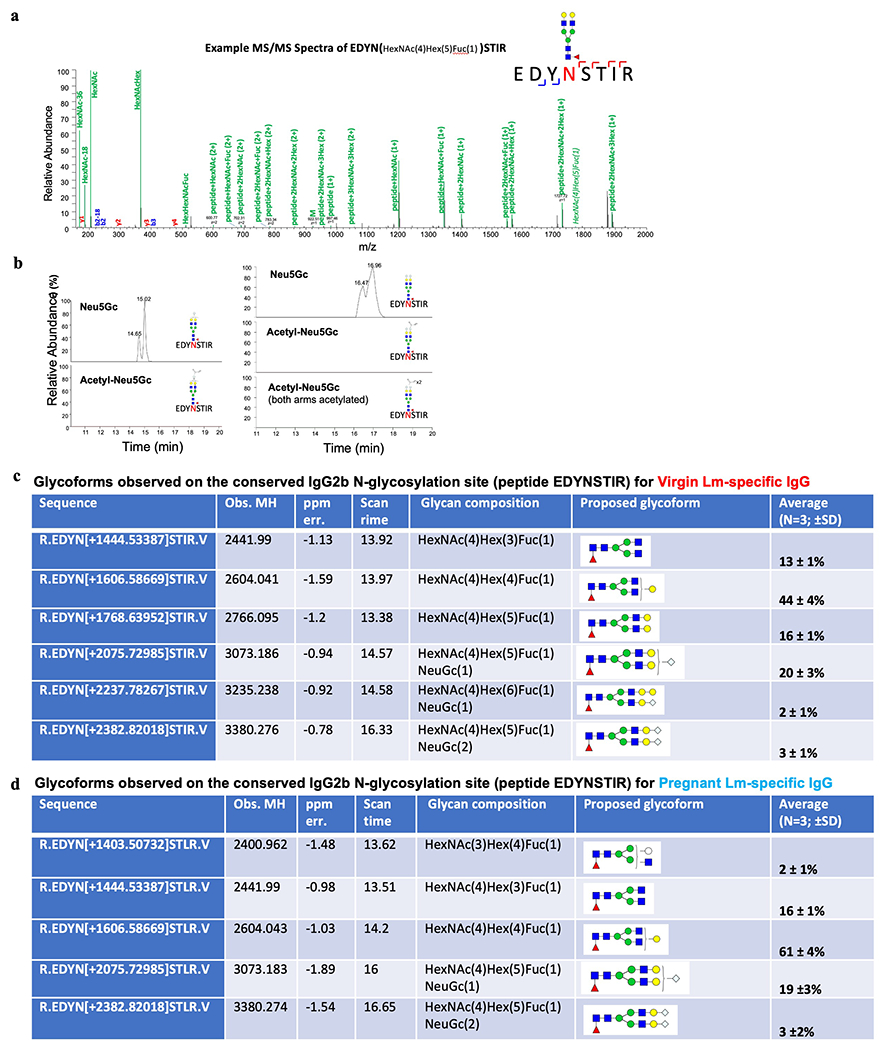
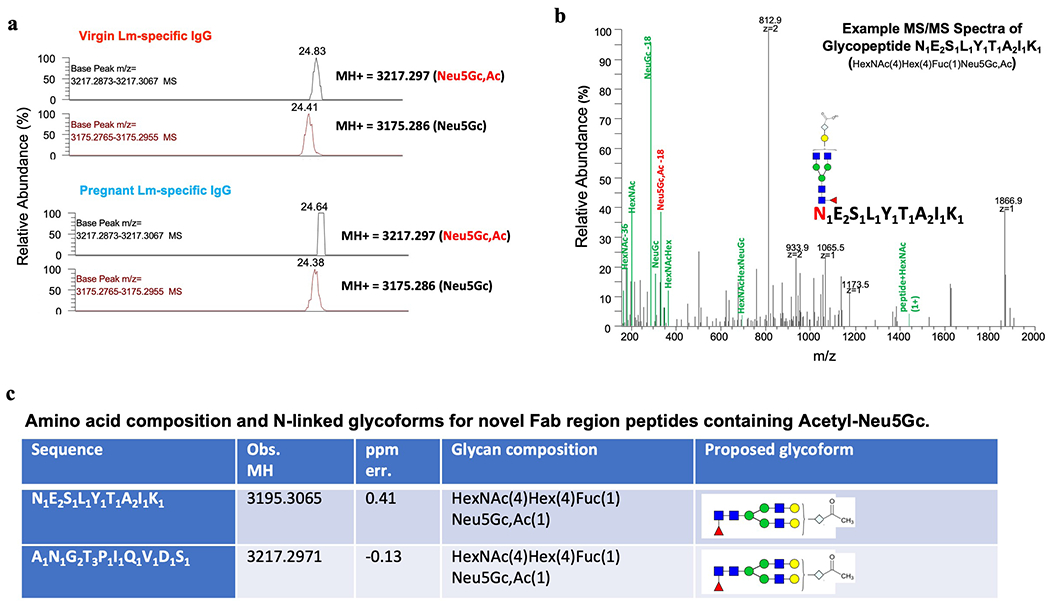
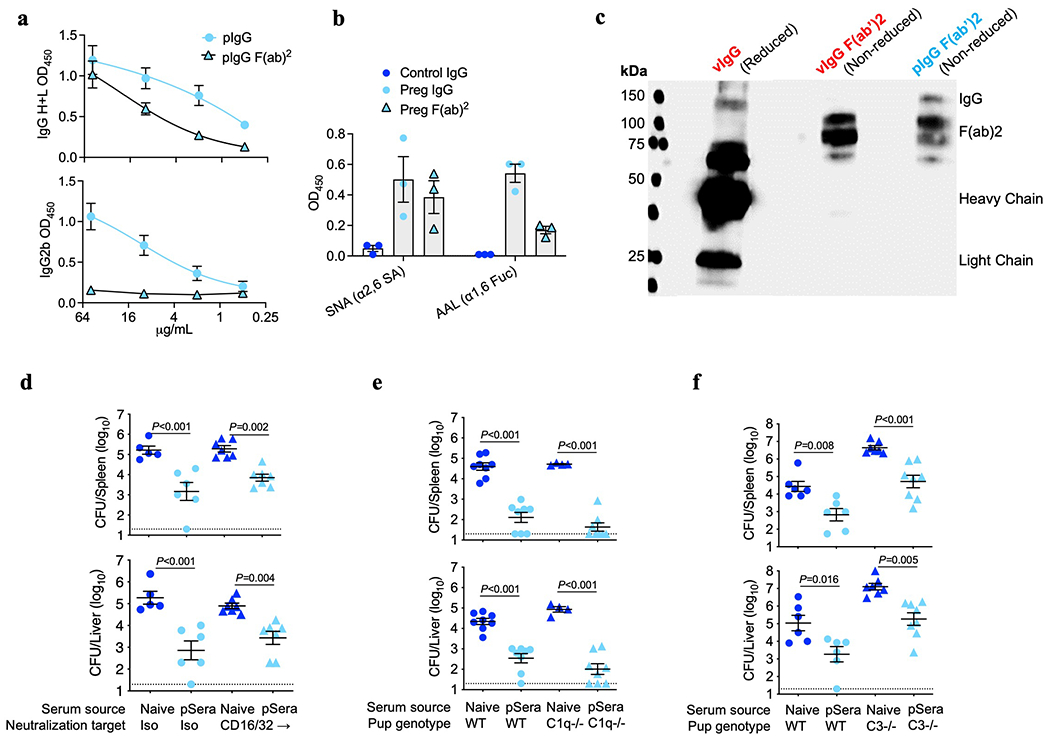
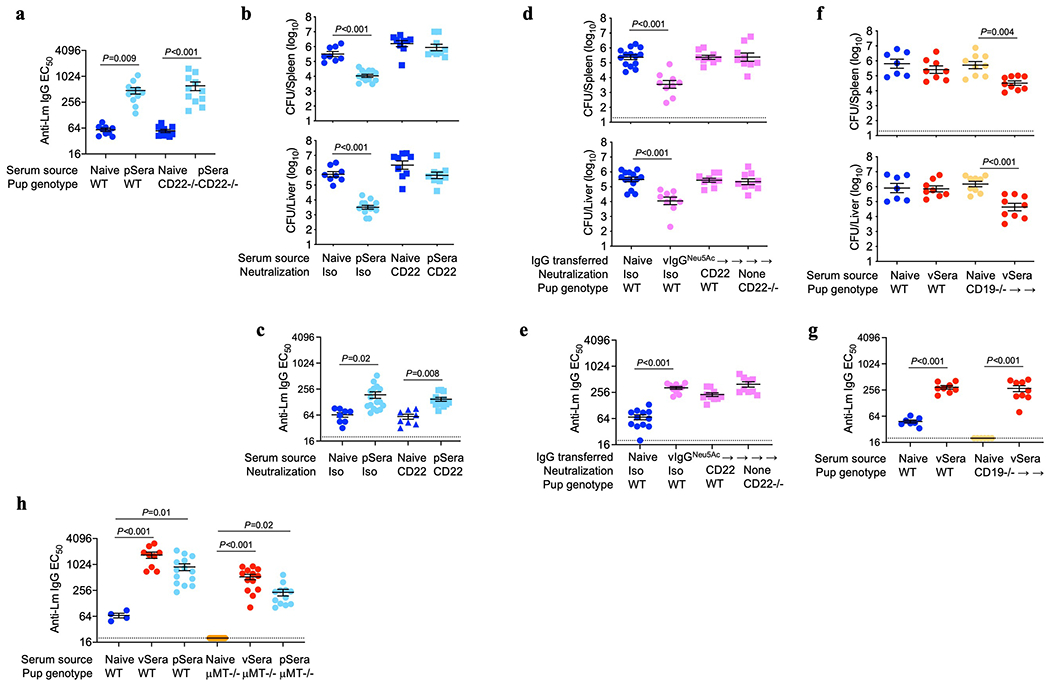
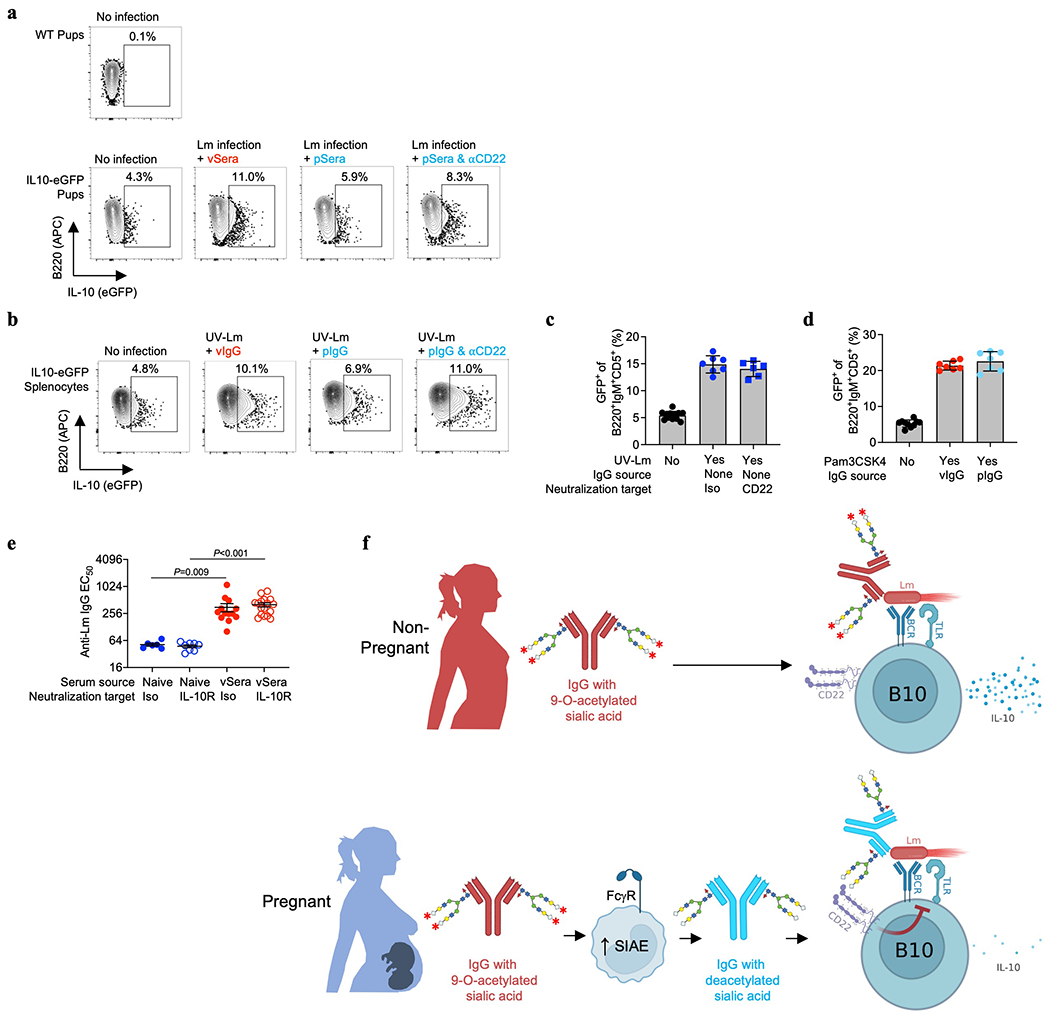
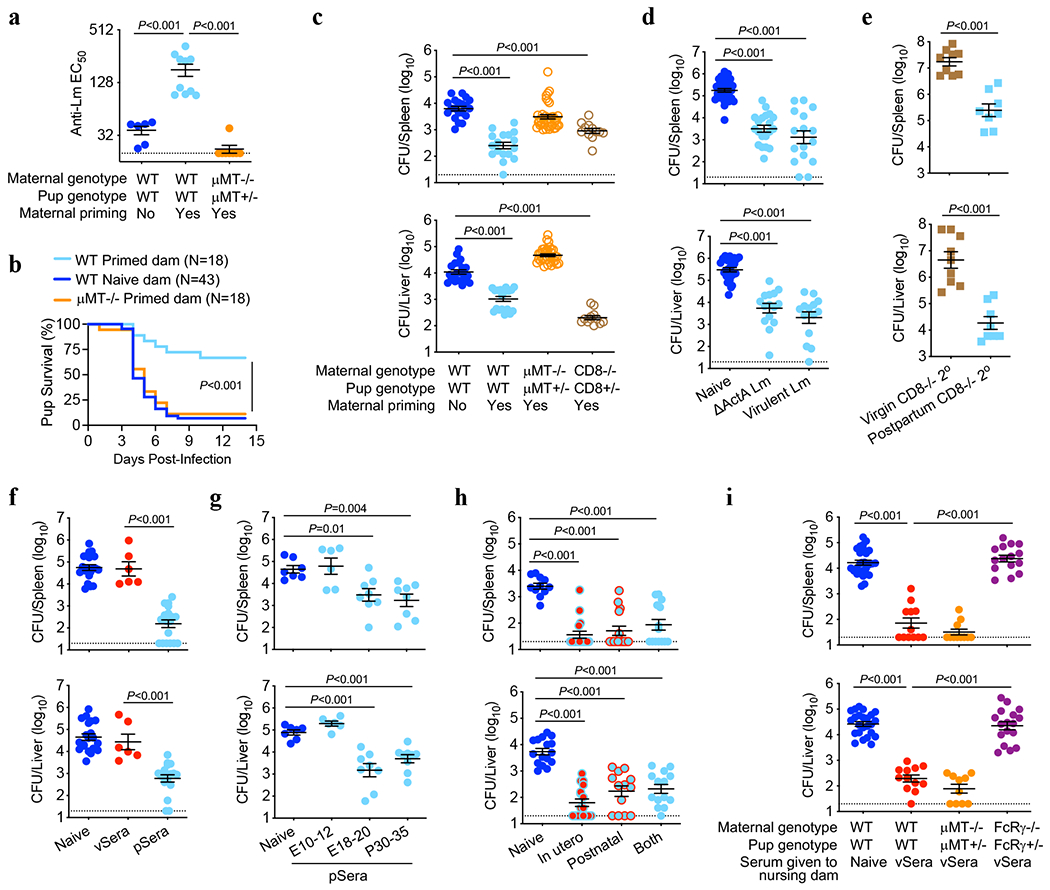
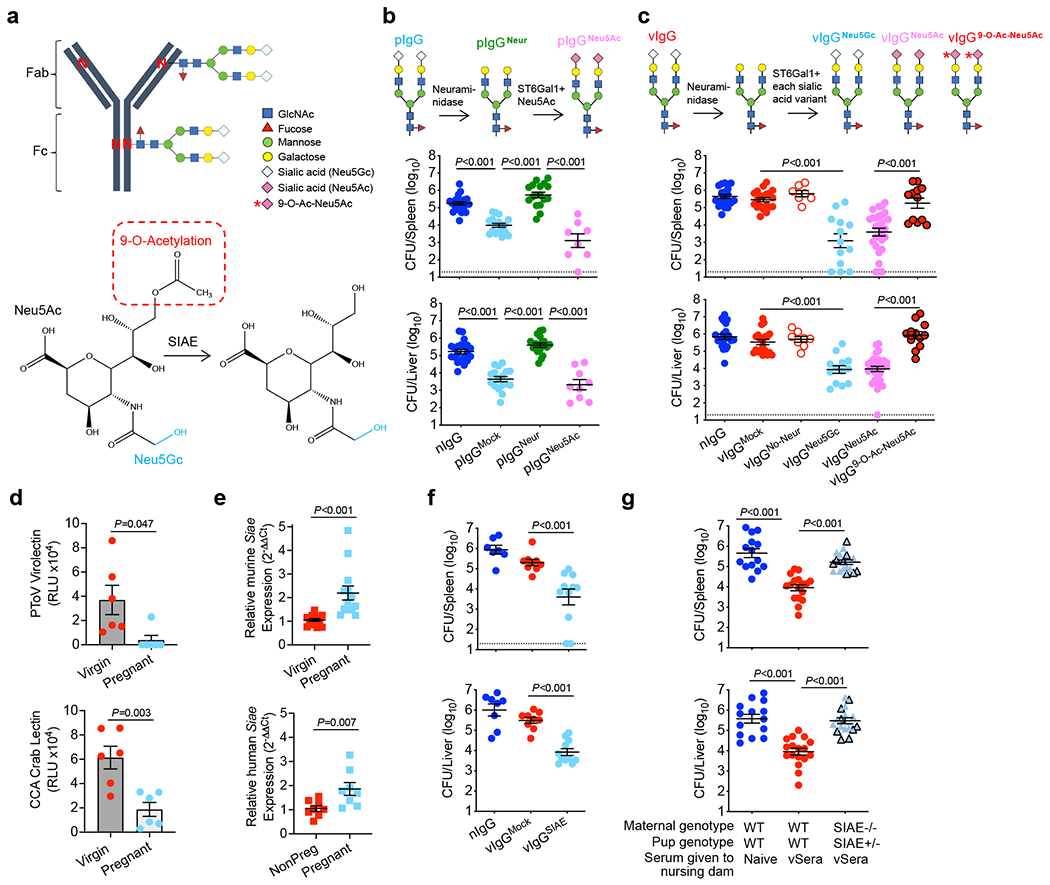
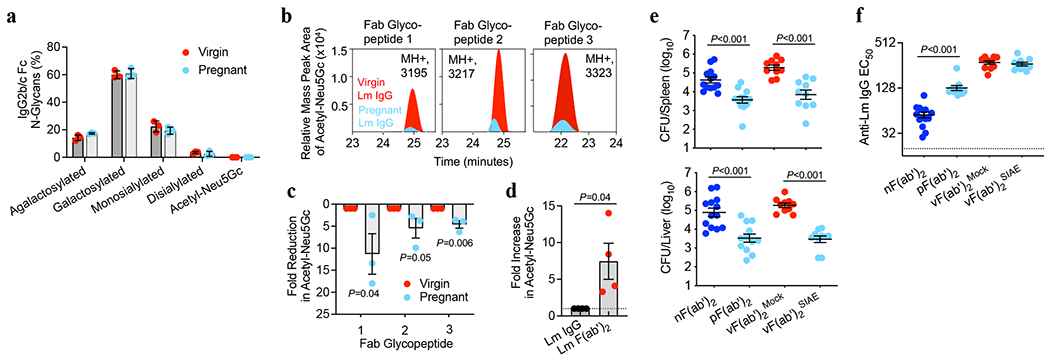
Adaptive immune components are thought to exert non-overlapping roles in antimicrobial host defence, with antibodies targeting pathogens in the extracellular environment and T cells eliminating infection inside cells. Reliance on antibodies for vertically transferred immunity from mothers to babies may explain neonatal susceptibility to intracellular infections. Here we show that pregnancy-induced post-translational antibody modification enables protection against the prototypical intracellular pathogen Listeria monocytogenes. Infection susceptibility was reversed in neonatal mice born to preconceptually primed mothers possessing L. monocytogenes-specific IgG or after passive transfer of antibodies from primed pregnant, but not virgin, mice. Although maternal B cells were essential for producing IgGs that mediate vertically transferred protection, they were dispensable for antibody acquisition of protective function, which instead required sialic acid acetyl esterase to deacetylate terminal sialic acid residues on IgG variable-region N-linked glycans. Deacetylated L. monocytogenes-specific IgG protected neonates through the sialic acid receptor CD22, which suppressed IL-10 production by B cells leading to antibody-mediated protection. Consideration of the maternal-fetal dyad as a joined immunological unit reveals protective roles for antibodies against intracellular infection and fine-tuned adaptations to enhance host defence during pregnancy and early life.
适应性免疫成分被认为在抗微生物宿主防御中发挥着互不重叠的作用,抗体针对细胞外环境中的病原体,而 T 细胞则消除细胞内的感染。依赖抗体从母亲向婴儿垂直传递的免疫力可能解释了新生儿对细胞内感染的易感性。在这里,我们表明妊娠诱导的抗体翻译后修饰使我们能够针对典型的细胞内病原体李斯特菌(Listeria monocytogenes)产生保护作用。预先致敏的母亲所产生的针对李斯特菌的 IgG 或从预先致敏的怀孕但不是处女的母亲被动转移的抗体可以逆转新生儿对李斯特菌感染的易感性。虽然母源 B 细胞对于产生介导垂直传递保护的 IgG 至关重要,但它们对于抗体获得保护功能是可有可无的,而获得保护功能需要唾液酸乙酰酯酶去乙酰化 IgG 可变区 N-连接糖链上的末端唾液酸残基。去乙酰化的李斯特菌特异性 IgG 通过唾液酸受体 CD22 保护新生儿,通过抑制 B 细胞产生 IL-10 来介导抗体保护。将母婴对子视为一个联合的免疫单位,可以揭示针对细胞内感染的抗体的保护作用,并对妊娠和生命早期增强宿主防御的适应性进行微调。