Li ZhanDong, Huang FeiMing, Chen Lei, Huang Tao, Cai Yu-Dong
College of Biological and Food Engineering, Jilin Engineering Normal University, Changchun, China.
School of Life Sciences, Shanghai University, Shanghai, China.
Front Bioeng Biotechnol. 2022 May 30;10:916309. doi: 10.3389/fbioe.2022.916309. eCollection 2022.
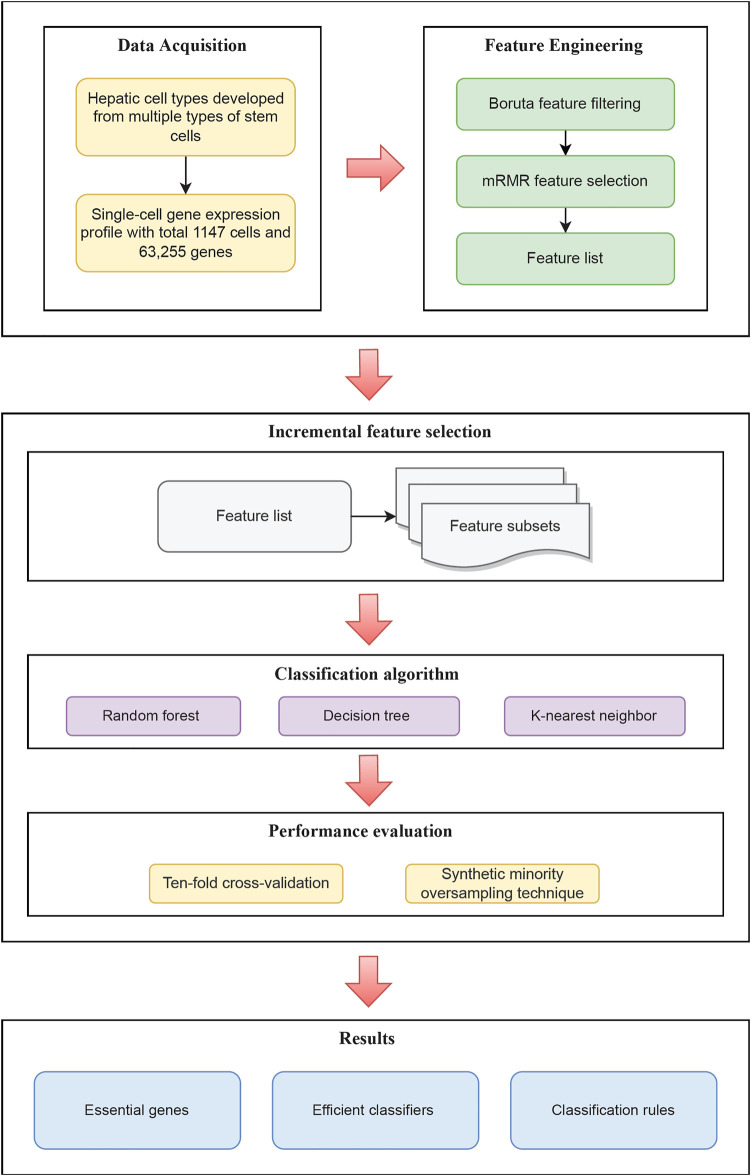
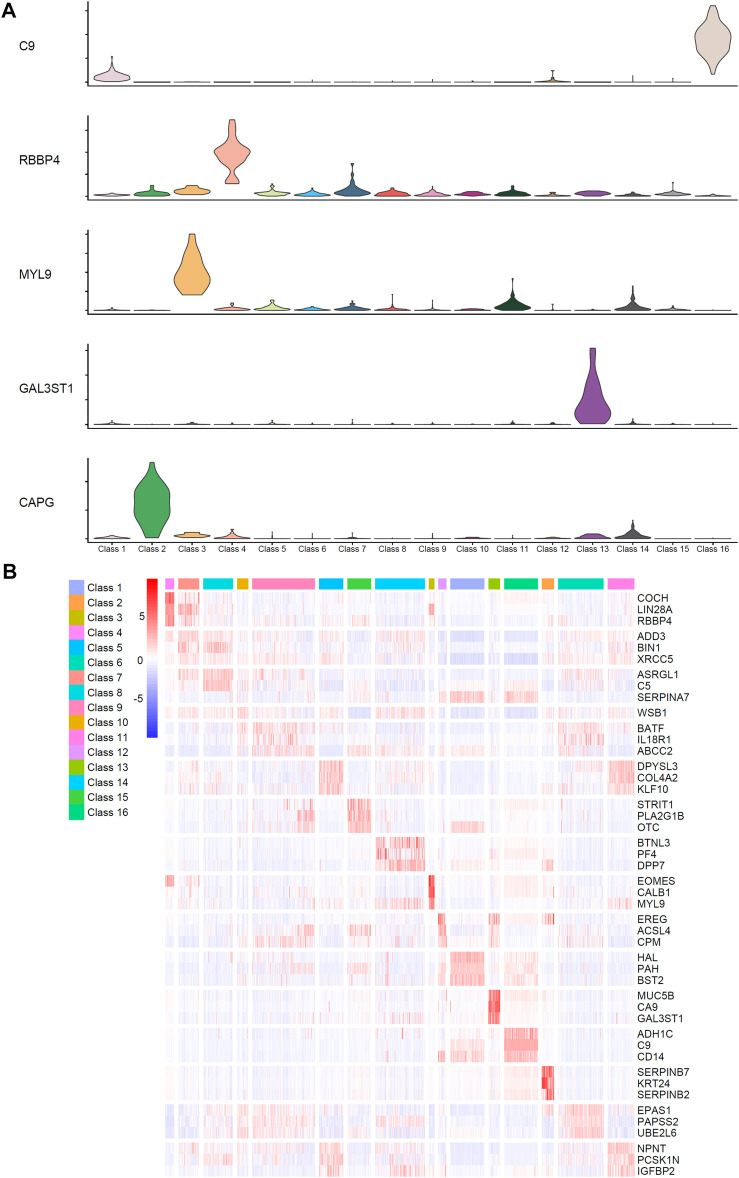
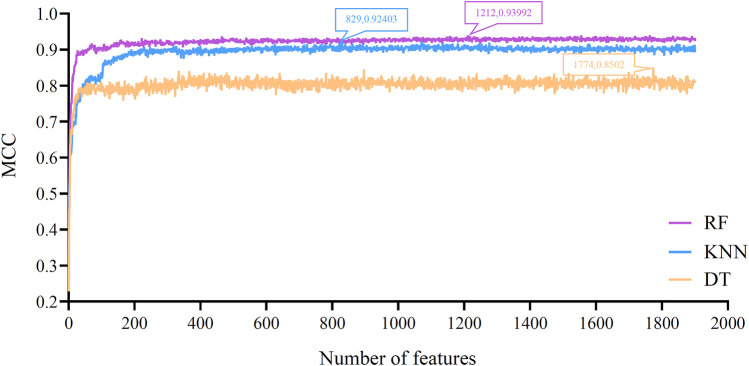
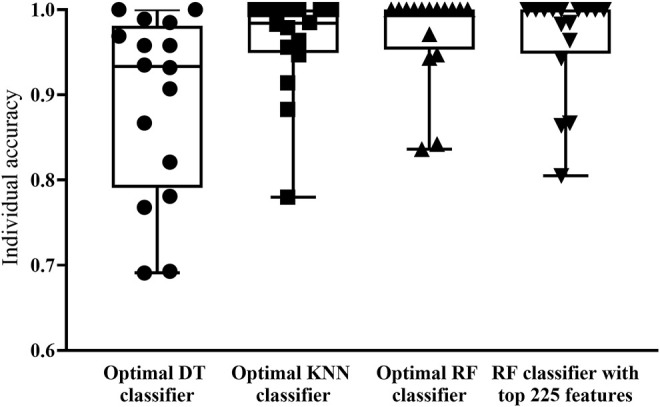
Cell transplantation is an effective method for compensating for the loss of liver function and improve patient survival. However, given that hepatocytes cultivated have diverse developmental processes and physiological features, obtaining hepatocytes that can properly function is difficult. In the present study, we present an advanced computational analysis on single-cell transcriptional profiling to resolve the heterogeneity of the hepatocyte differentiation process and to mine biomarkers at different periods of differentiation. We obtained a batch of compressed and effective classification features with the Boruta method and ranked them using the Max-Relevance and Min-Redundancy method. Some key genes were identified during the culture of hepatocytes, including , which not only regulates terminally differentiated cells in the liver but also affects cell differentiation. , which encodes a CD147 ligand, also appeared in the identified gene list, and the combination of the two proteins mediated multiple biological pathways. Other genes, such as , , and , which are involved in the maturation and differentiation of hepatocytes and assist different hepatic cell types in performing their roles were also identified. Then, several classifiers were trained and evaluated to obtain optimal classifiers and optimal feature subsets, using three classification algorithms (random forest, k-nearest neighbor, and decision tree) and the incremental feature selection method. The best random forest classifier with a 0.940 Matthews correlation coefficient was constructed to distinguish different hepatic cell types. Finally, classification rules were created for quantitatively describing hepatic cell types. In summary, This study provided potential targets for cell transplantation associated liver disease treatment strategies by elucidating the process and mechanism of hepatocyte development at both qualitative and quantitative levels.
细胞移植是一种补偿肝功能丧失和提高患者生存率的有效方法。然而,鉴于培养的肝细胞具有不同的发育过程和生理特征,获得能够正常发挥功能的肝细胞是困难的。在本研究中,我们对单细胞转录谱进行了先进的计算分析,以解决肝细胞分化过程的异质性,并挖掘分化不同时期的生物标志物。我们使用Boruta方法获得了一批压缩且有效的分类特征,并使用最大相关和最小冗余方法对其进行排序。在肝细胞培养过程中鉴定出了一些关键基因,包括[具体基因1],它不仅调节肝脏中的终末分化细胞,还影响细胞分化。[具体基因2],其编码一种CD147配体,也出现在鉴定出的基因列表中,并且这两种蛋白质的组合介导了多种生物学途径。还鉴定出了其他一些基因,如[具体基因3]、[具体基因4]和[具体基因5],它们参与肝细胞的成熟和分化,并协助不同类型的肝细胞发挥其作用。然后,使用三种分类算法(随机森林、k近邻和决策树)和增量特征选择方法训练和评估了几个分类器,以获得最优分类器和最优特征子集。构建了具有0.940马修斯相关系数的最佳随机森林分类器,以区分不同类型的肝细胞。最后,创建了分类规则来定量描述肝细胞类型。总之,本研究通过在定性和定量水平上阐明肝细胞发育的过程和机制,为细胞移植相关肝病治疗策略提供了潜在靶点。