Chen Yusi, Bukhari Qasim, Lin Tiger W, Sejnowski Terrence J
Computational Neurobiology Laboratory, Salk Institute for Biological Sciences, La Jolla, CA, USA.
Division of Biological Studies, University of California San Diego, La Jolla, CA, USA.
Netw Neurosci. 2022 Jun 1;6(2):614-633. doi: 10.1162/netn_a_00239. eCollection 2022 Jun.
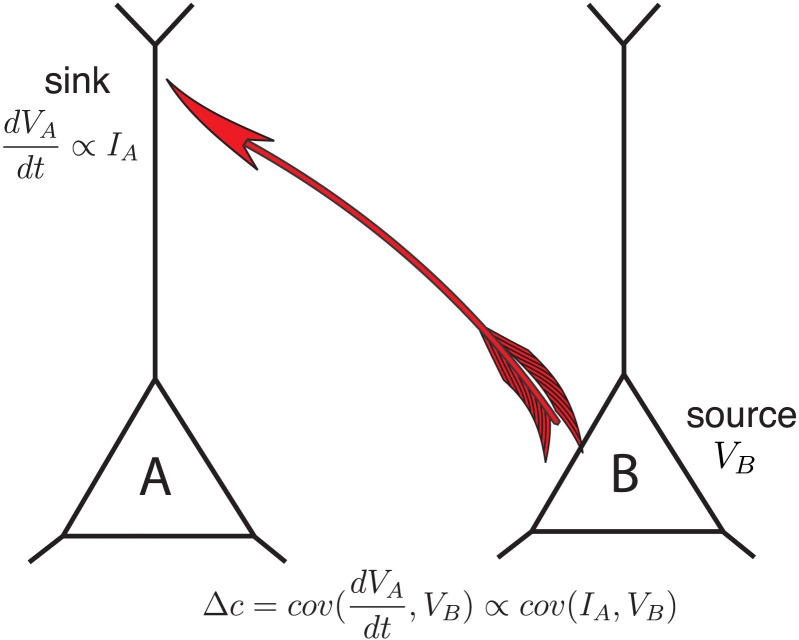
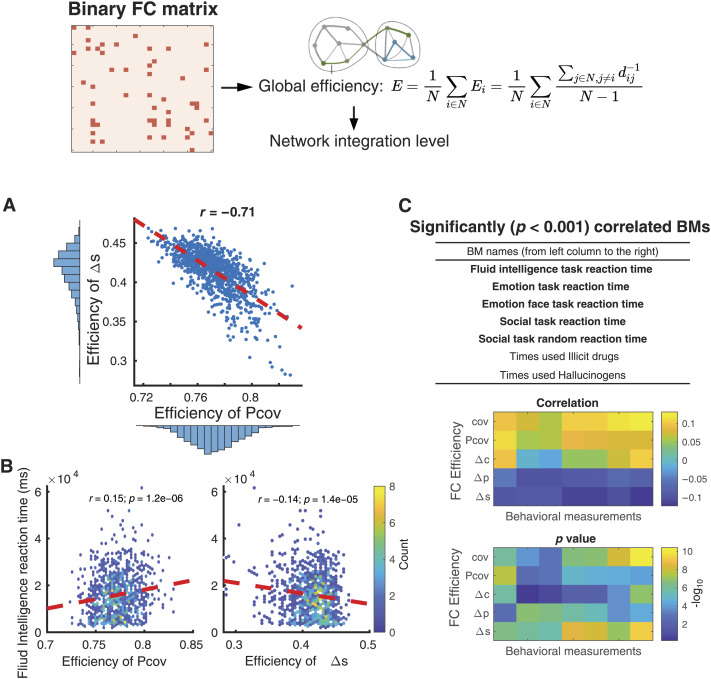
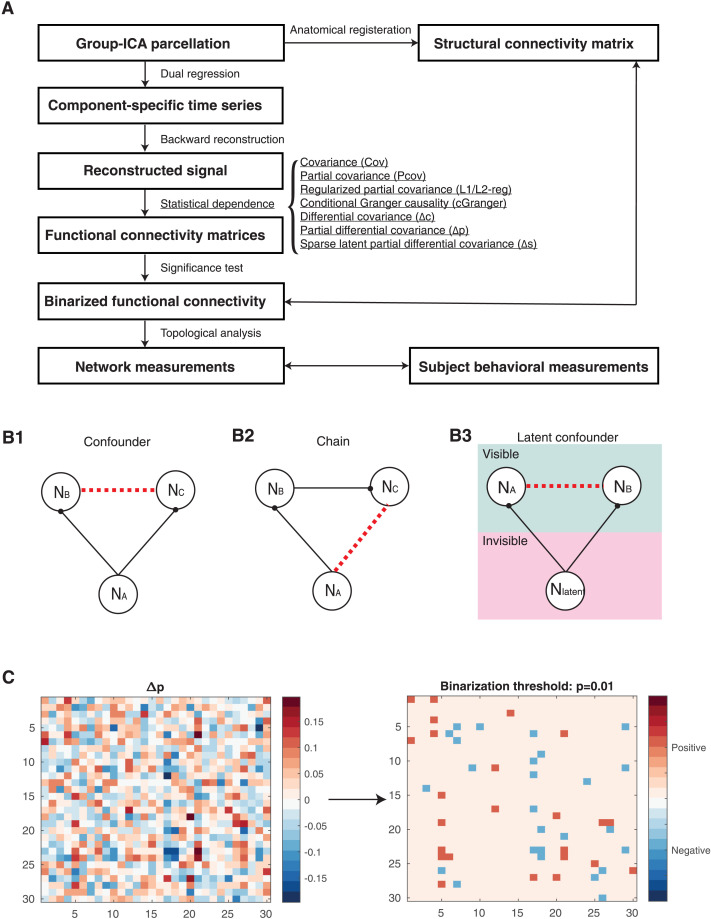
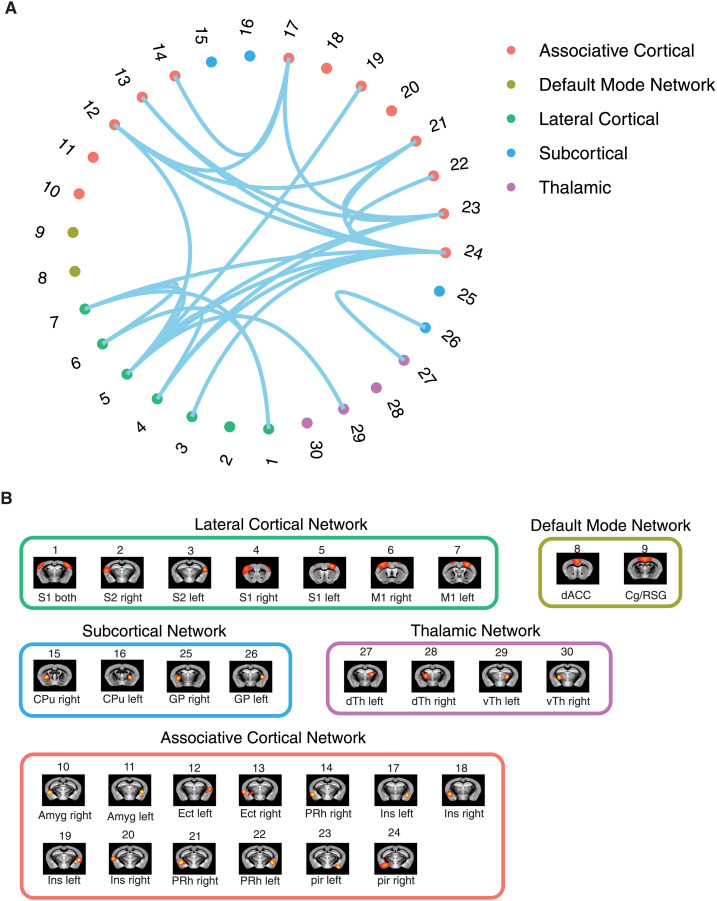
Recordings from resting-state functional magnetic resonance imaging (rs-fMRI) reflect the influence of pathways between brain areas. A wide range of methods have been proposed to measure this functional connectivity (FC), but the lack of "ground truth" has made it difficult to systematically validate them. Most measures of FC produce connectivity estimates that are symmetrical between brain areas. Differential covariance (dCov) is an algorithm for analyzing FC with directed graph edges. When we applied dCov to rs-fMRI recordings from the human connectome project (HCP) and anesthetized mice, dCov-FC accurately identified strong cortical connections from diffusion magnetic resonance imaging (dMRI) in individual humans and viral tract tracing in mice. In addition, those HCP subjects whose dCov-FCs were more integrated, as assessed by a graph-theoretic measure, tended to have shorter reaction times in several behavioral tests. Thus, dCov-FC was able to identify anatomically verified connectivity that yielded measures of brain integration significantly correlated with behavior.
静息态功能磁共振成像(rs-fMRI)记录反映了脑区之间通路的影响。人们已经提出了多种方法来测量这种功能连接性(FC),但由于缺乏“金标准”,难以对这些方法进行系统验证。大多数FC测量方法得出的连接性估计在脑区之间是对称的。差分协方差(dCov)是一种用于分析具有有向图边的FC的算法。当我们将dCov应用于人类连接组计划(HCP)的rs-fMRI记录以及麻醉小鼠时,dCov-FC能够准确地从个体人类的扩散磁共振成像(dMRI)和小鼠的病毒示踪中识别出强大的皮质连接。此外,通过图论测量评估,那些dCov-FC更具整合性的HCP受试者在多项行为测试中往往反应时间更短。因此,dCov-FC能够识别出经解剖学验证的连接性,这些连接性产生的脑整合测量值与行为显著相关。