Department of Biology, College of Science, Princess Nourah bint Abdulrahman University, Riyadh, Saudi Arabia.
Botany and Microbiology Department, Faculty of Science, Helwan University, Cairo, 11795, Egypt.
Int J Nanomedicine. 2022 Jun 29;17:2843-2863. doi: 10.2147/IJN.S356724. eCollection 2022.
Biogenic agents in nanoparticles fabrication are gaining great interest due to their lower possible negative environmental impacts. The present study aimed to isolate fungal strains from deserts in Saudi Arabia and assess their ability in silver nanoparticles (AgNPs) fabrication and evaluate their antibacterial effect.
Soil fungi were identified using 18s rDNA, and their ability in NPs fabrication was assessed as extracellular synthesis, then UV-vis spectroscopy, dynamic light scattering (DLS), energy-dispersive X-ray spectroscopy, and transmission electron microscopy were used for AgNPs characterization. The antibacterial activity of fungal-based NPs was assessed against one Gram-positive methicillin-resistant (MRSA) and three Gram-negative bacteria (, , and ). Ultrastructural changes caused by fungal-based NPs on were investigated using TEM along with SDS-PAGE for protein profile patterns.
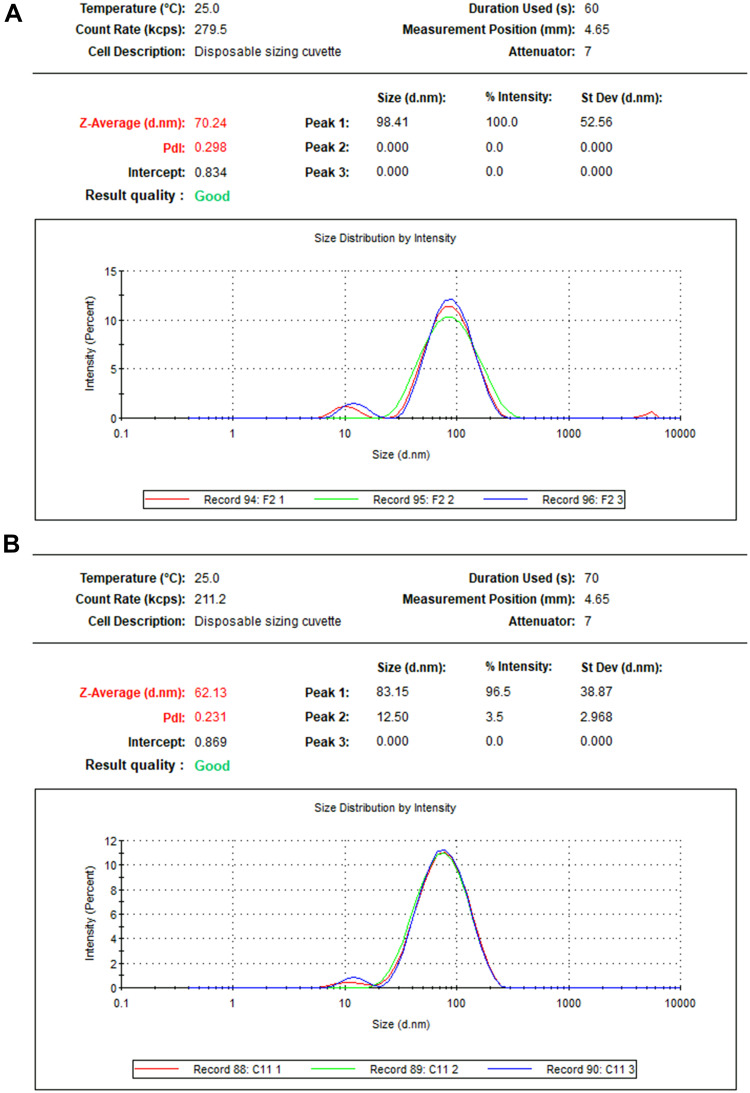
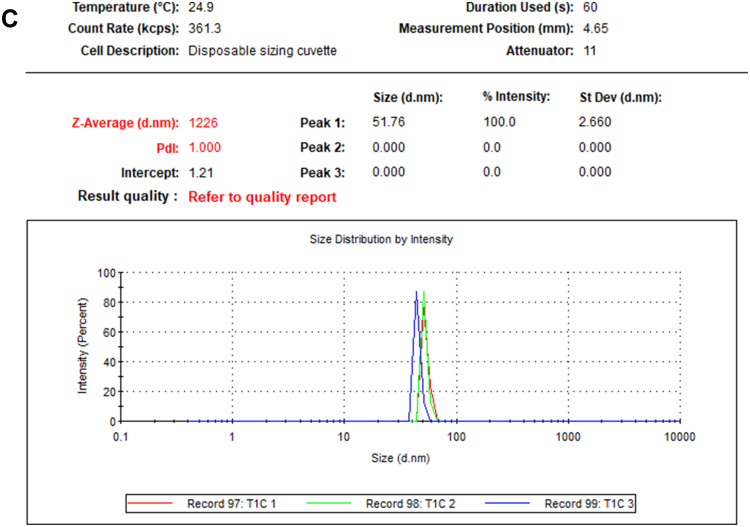
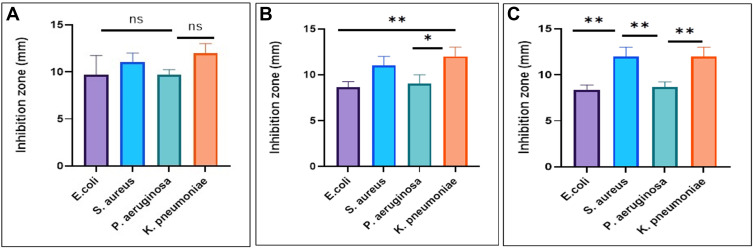
The three fungal isolates were identified as sp. (MN995524), (MN995493), and sp. (MN995550), and their filtrate reduced Ag ions into spherical P-AgNPs, G-AgNPs, and C-AgNPs, respectively. DLS data showed an average size between 12.26 and 70.24 nm, where EDX spectrums represent Ag at 3.0 keV peak. G-AgNPs displayed strong antibacterial activities against , and the ultrastructural changes caused by NPs were noted. Additionally, SDS-PAGE analysis of treated revealed fewer bands compared to control, which could be related to protein degradation.
Present findings have consequently developed an eco-friendly approach in NPs formation by environmentally isolated fungal strains to yield NPs as antibacterial agents.
由于生物源纳米颗粒制造中的制剂对环境的负面影响较小,因此它们越来越受到关注。本研究旨在从沙特阿拉伯沙漠中分离真菌菌株,并评估其在银纳米颗粒(AgNPs)制造中的能力,并评估其抗菌效果。
使用 18s rDNA 鉴定土壤真菌,评估其 NPs 制造能力,作为细胞外合成,然后使用紫外可见分光光度法、动态光散射(DLS)、能量色散 X 射线光谱法和透射电子显微镜法对 AgNPs 进行表征。真菌基 NPs 的抗菌活性针对一株革兰氏阳性耐甲氧西林金黄色葡萄球菌(MRSA)和三株革兰氏阴性菌( 、 和 )进行评估。使用 TEM 结合 SDS-PAGE 研究真菌基 NPs 对 引起的超微结构变化,以获取蛋白质图谱模式。
三种真菌分离物分别鉴定为 sp.(MN995524)、 (MN995493)和 sp.(MN995550),它们的滤液分别将银离子还原成球形 P-AgNPs、G-AgNPs 和 C-AgNPs。DLS 数据显示平均粒径在 12.26 至 70.24nm 之间,EDX 光谱显示 3.0keV 峰处的 Ag。G-AgNPs 对 、 和 表现出强烈的抗菌活性,并且注意到 NPs 引起的超微结构变化。此外,与对照相比,处理过的 的 SDS-PAGE 分析显示出较少的条带,这可能与蛋白质降解有关。
本研究通过环境分离的真菌菌株开发了一种环保的 NPs 形成方法,以产生抗菌剂 NPs。