Vanderbilt University Institute of Imaging Science, Vanderbilt University Medical Center, Nashville, Tennessee.
Chemical and Physical Biology Program, Vanderbilt University, Nashville, Tennessee.
Cancer Res. 2022 Oct 4;82(19):3603-3613. doi: 10.1158/0008-5472.CAN-21-2929.
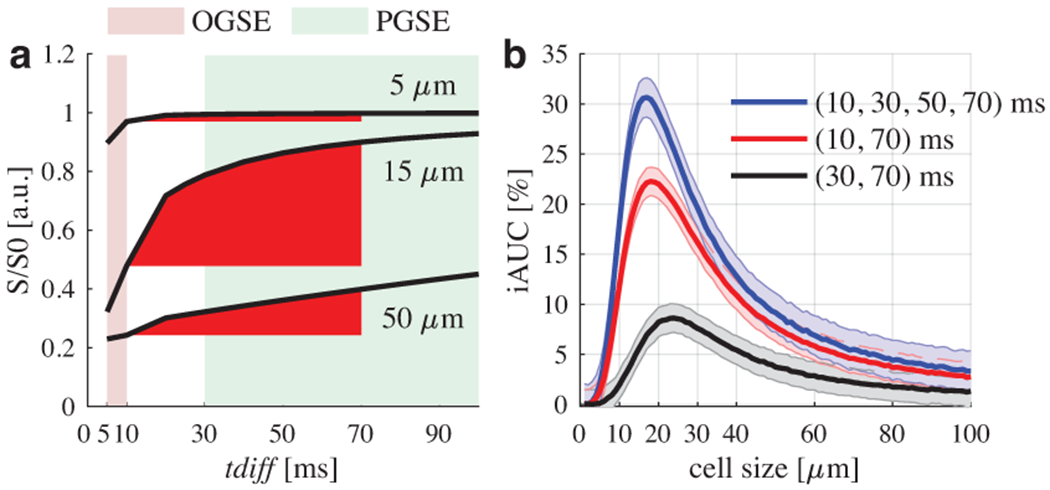
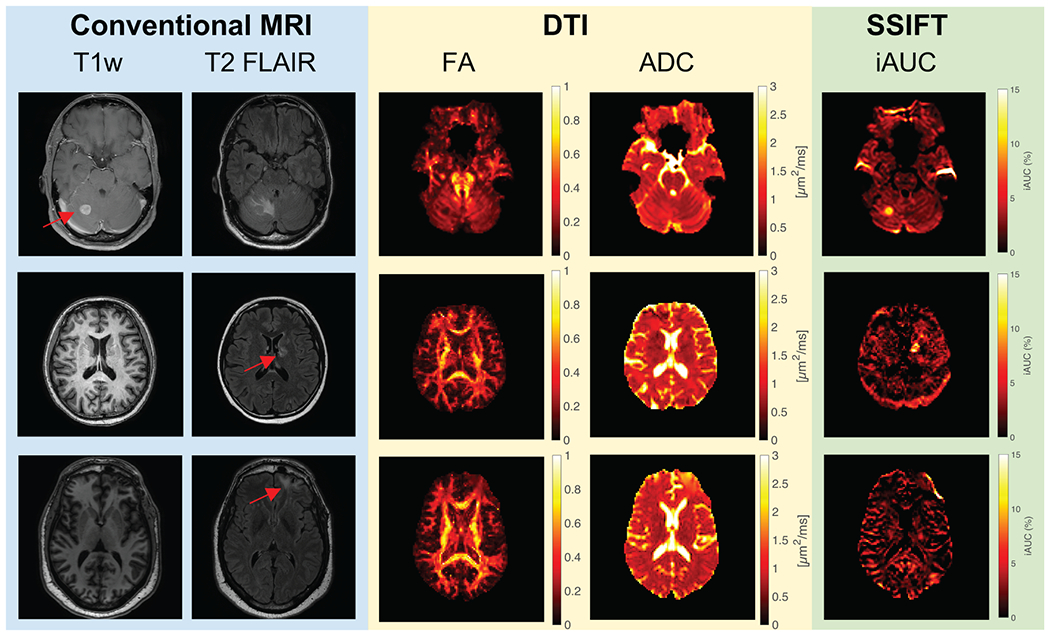
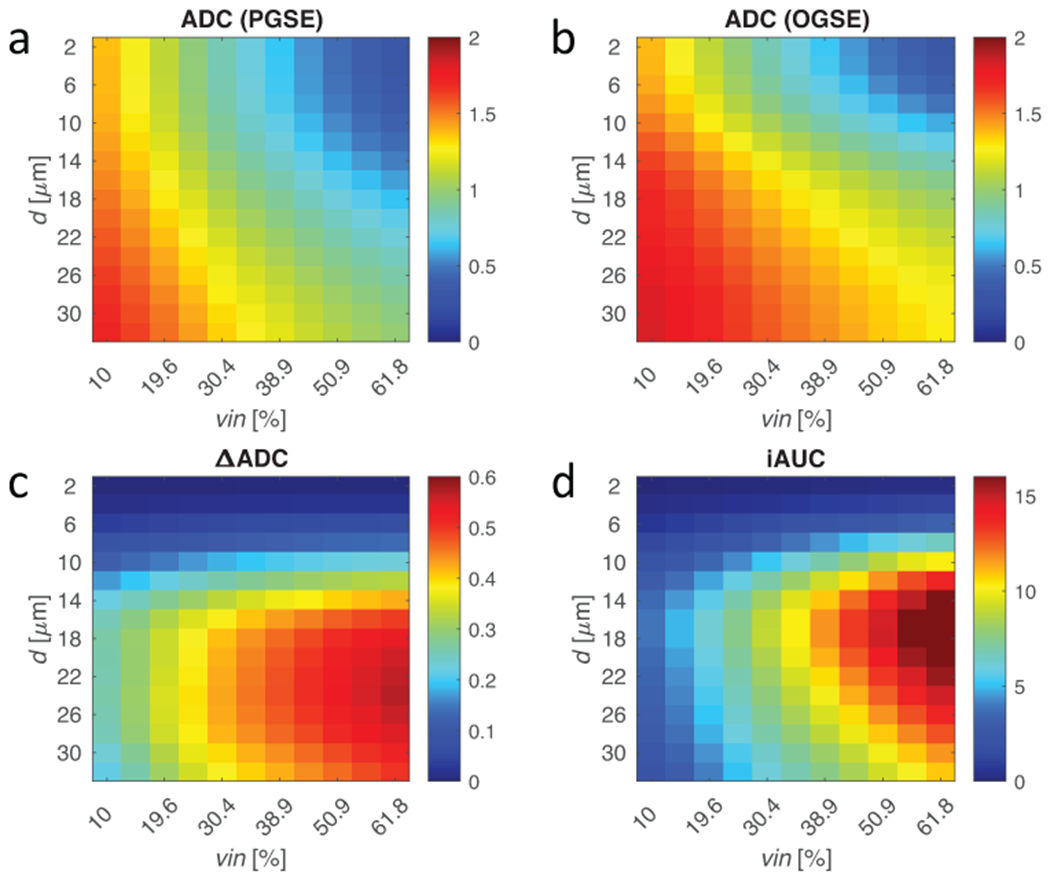
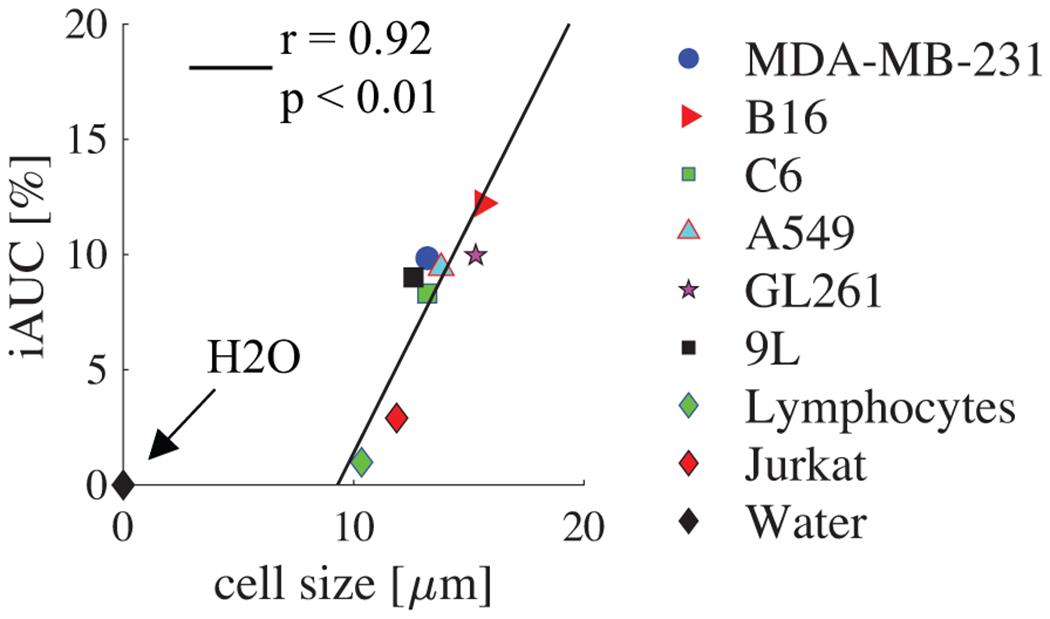
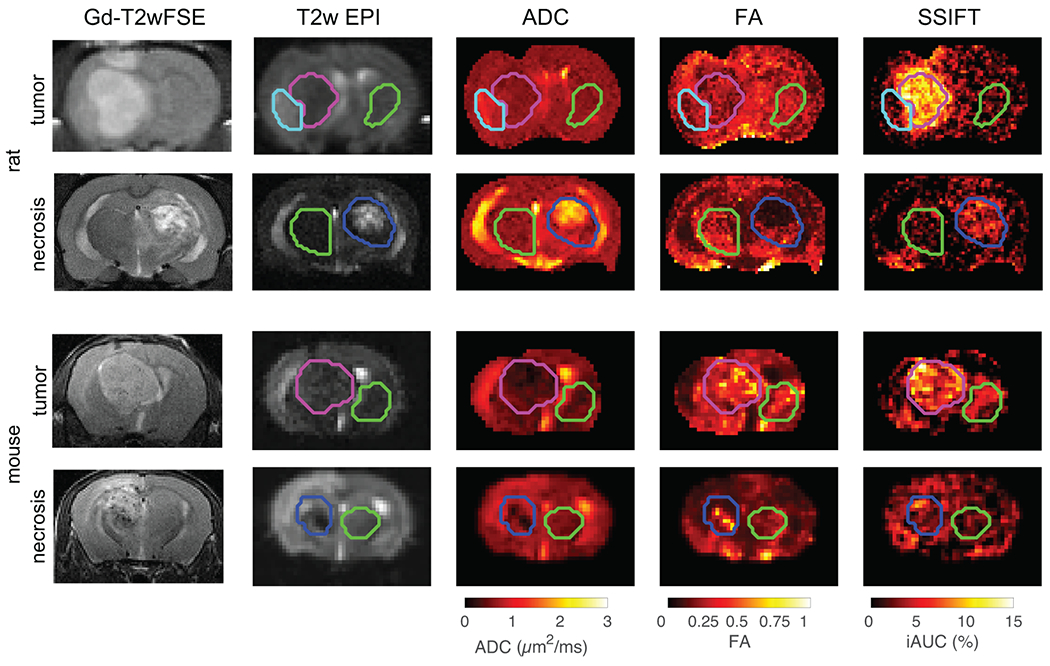
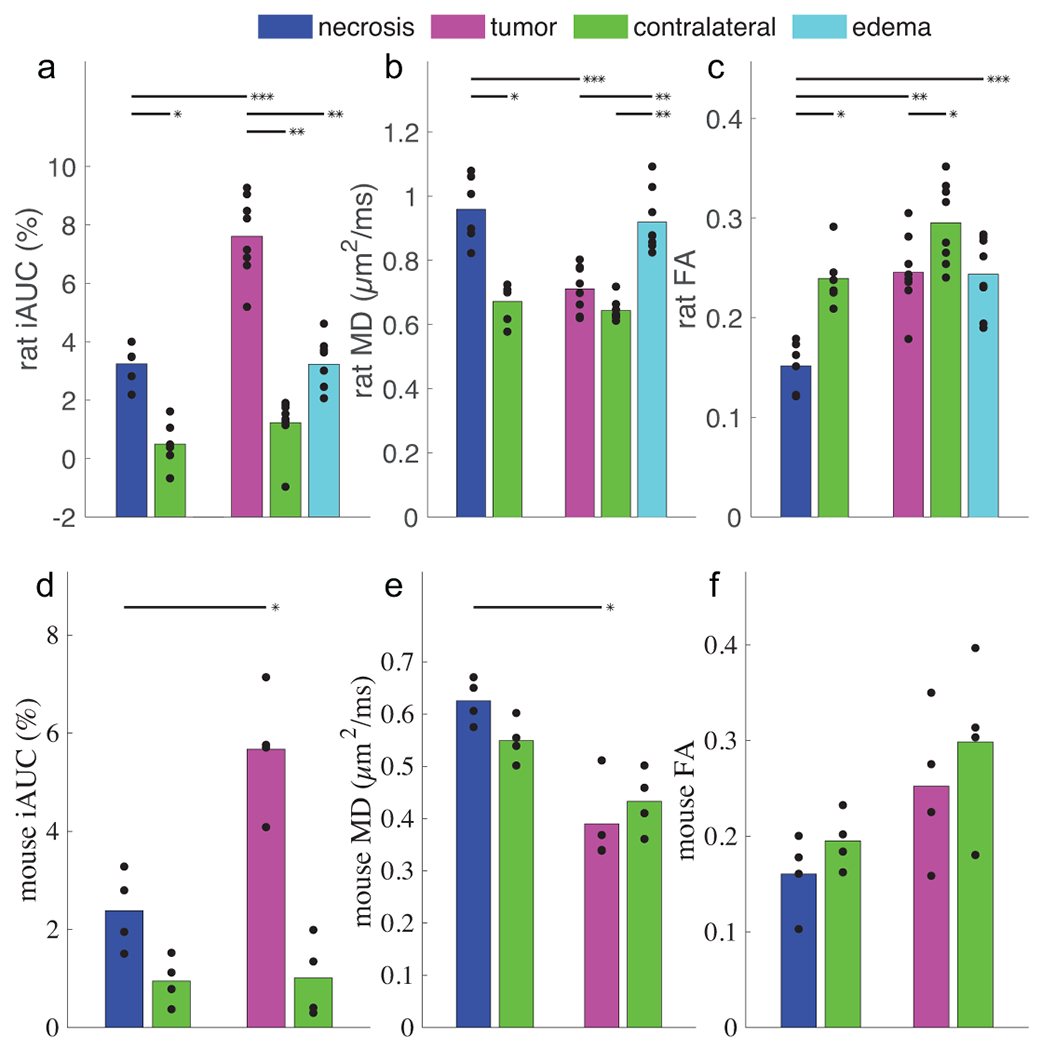
Brain metastasis is a common characteristic of late-stage lung cancers. High doses of targeted radiotherapy can control tumor growth in the brain but can also result in radiotherapy-induced necrosis. Current methods are limited for distinguishing whether new parenchymal lesions following radiotherapy are recurrent tumors or radiotherapy-induced necrosis, but the clinical management of these two classes of lesions differs significantly. Here, we developed, validated, and evaluated a new MRI technique termed selective size imaging using filters via diffusion times (SSIFT) to differentiate brain tumors from radiotherapy necrosis in the brain. This approach generates a signal filter that leverages diffusion time dependence to establish a cell size-weighted map. Computer simulations in silico, cultured cancer cells in vitro, and animals with brain tumors in vivo were used to comprehensively validate the specificity of SSIFT for detecting typical large cancer cells and the ability to differentiate brain tumors from radiotherapy necrosis. SSIFT was also implemented in patients with metastatic brain cancer and radiotherapy necrosis. SSIFT showed high correlation with mean cell sizes in the relevant range of less than 20 μm. The specificity of SSIFT for brain tumors and reduced contrast in other brain etiologies allowed SSIFT to differentiate brain tumors from peritumoral edema and radiotherapy necrosis. In conclusion, this new, cell size-based MRI method provides a unique contrast to differentiate brain tumors from other pathologies in the brain.
This work introduces and provides preclinical validation of a new diffusion MRI method that exploits intrinsic differences in cell sizes to distinguish brain tumors and radiotherapy necrosis.
脑转移是晚期肺癌的一个常见特征。高剂量的靶向放疗可以控制脑部肿瘤的生长,但也会导致放疗引起的坏死。目前的方法在区分放疗后新的实质病变是复发性肿瘤还是放疗引起的坏死方面存在局限性,但这两种病变的临床处理有很大的不同。在这里,我们开发、验证和评估了一种新的 MRI 技术,称为通过扩散时间使用滤波器的选择性大小成像(SSIFT),以区分脑部的肿瘤和放疗引起的坏死。这种方法生成一个信号滤波器,利用扩散时间依赖性来建立一个细胞大小加权图。在计算机模拟、体外培养的癌细胞和体内脑瘤动物中进行了全面验证,证明了 SSIFT 具有检测典型大癌细胞的特异性,以及区分脑瘤和放疗坏死的能力。SSIFT 还在转移性脑癌和放疗坏死的患者中得到了实施。SSIFT 与相关范围内小于 20μm 的平均细胞大小高度相关。SSIFT 对脑瘤的特异性和其他脑部病因对比度的降低,使 SSIFT 能够区分脑瘤与肿瘤周围水肿和放疗坏死。总之,这种新的基于细胞大小的 MRI 方法为区分脑部的肿瘤和其他病变提供了独特的对比。
这项工作介绍并提供了一种新的扩散 MRI 方法的临床前验证,该方法利用细胞大小的内在差异来区分脑瘤和放疗引起的坏死。