Pharmaceutical Nanotechnology Department, Shiraz University of Medical Sciences, P. O. Box 71345-1583, Shiraz, Iran.
Center for Nanotechnology in Drug Delivery, Shiraz University of Medical Sciences, P. O. Box 71345-1583, Shiraz, Iran.
Stem Cell Res Ther. 2022 Jul 26;13(1):344. doi: 10.1186/s13287-022-03045-1.
Mesenchymal-based therapy has been utilized as a practical approach in the treatment of renal ischemia/reperfusion (I/R) injury. However, low cell retention and survival in the ischemic site have remained challenging issues. To bridge this gap, the integrin receptor-binding RGD peptide-functionalized, s-nitroso-n-acetyl penicillamine (SNAP)-loaded hydrogel was used to transplant Wharton's jelly-mesenchymal stem cells (WJ-MSCs).
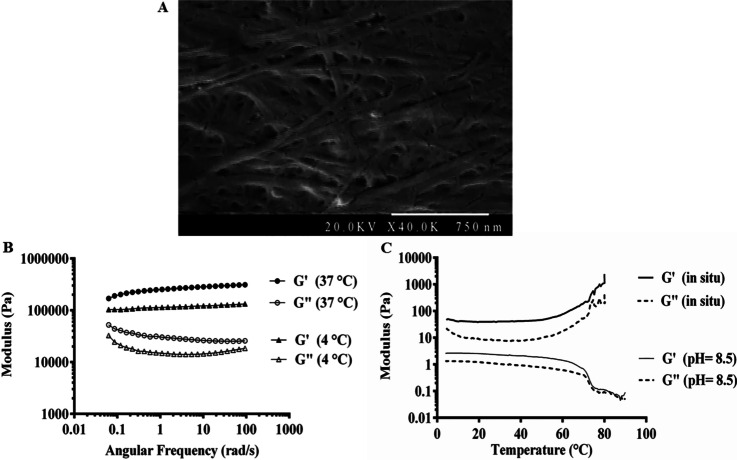
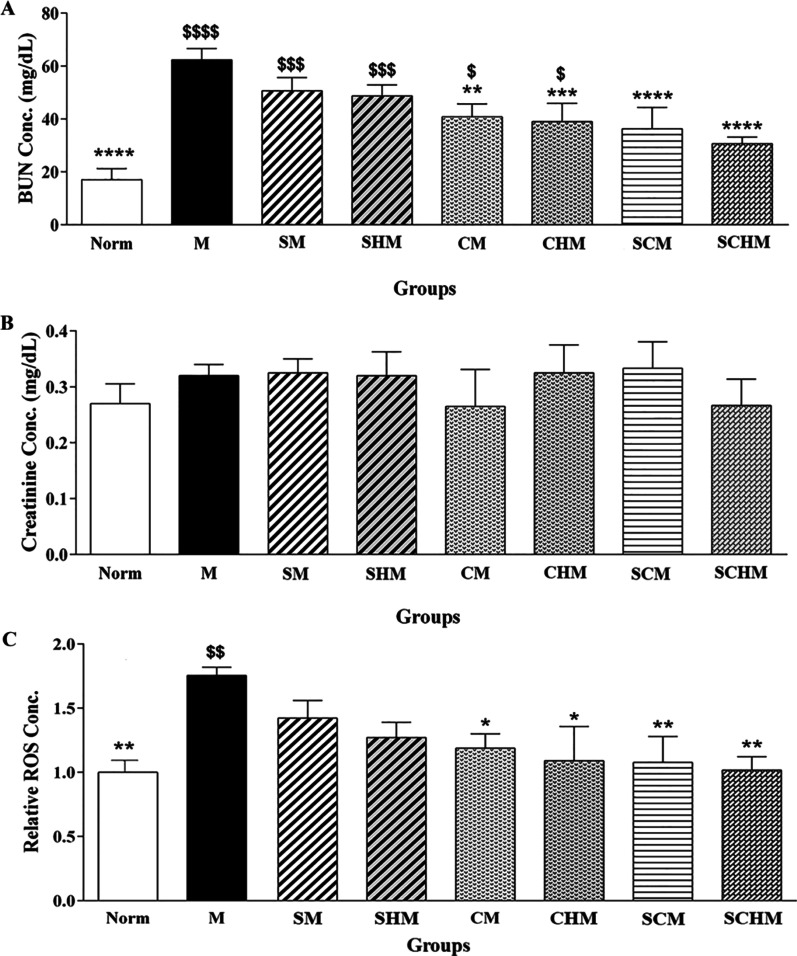
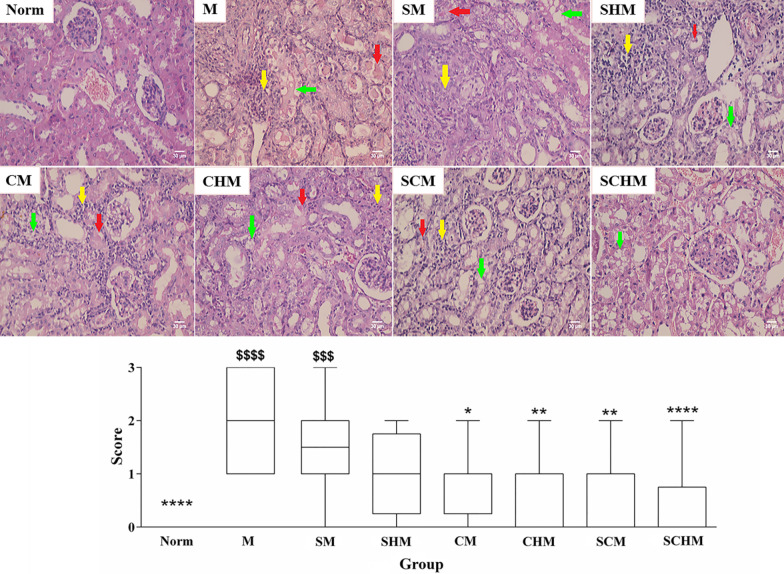
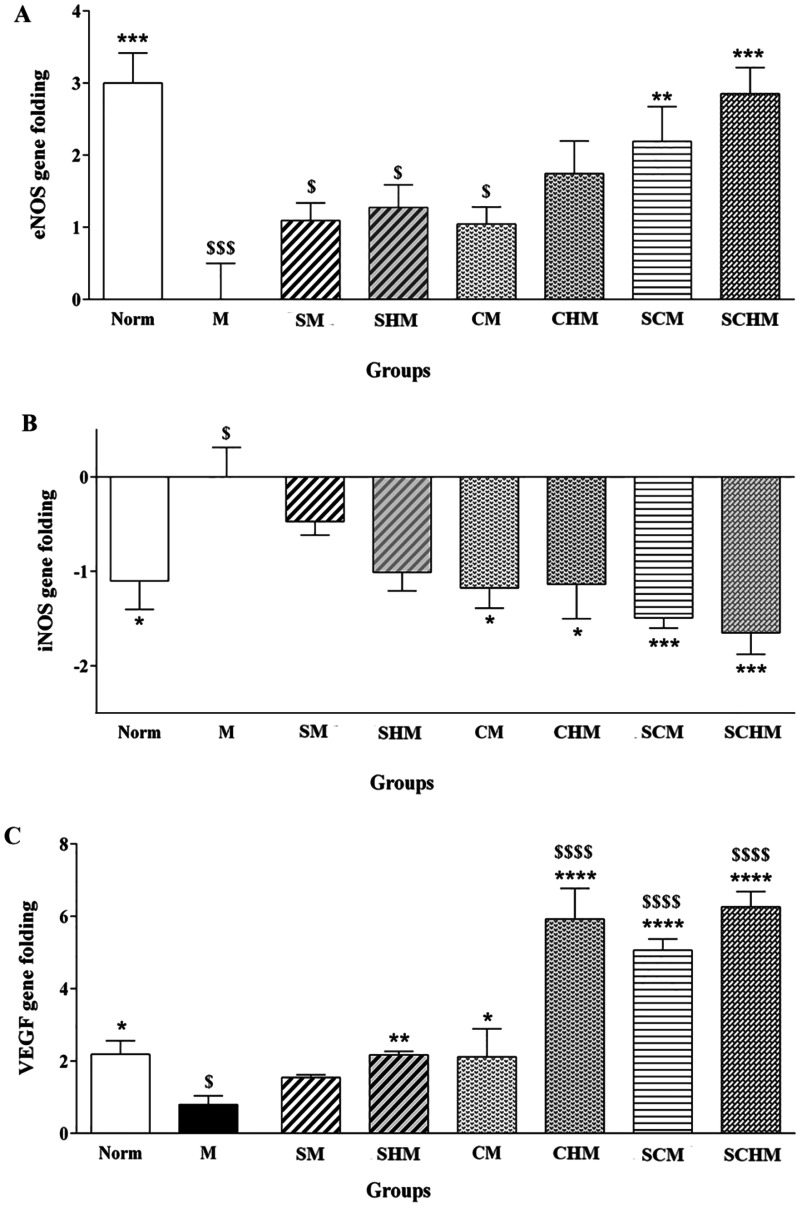
Apart from physicochemical and rheological characterizations that confirmed entangled interlocking β-sheets with nanofibrous morphology, real-time RT-PCR, ROS production, serum biomarker concentrations, and histopathological alterations were explored in a mouse model to assess the therapeutic efficacy of formulations in the treatment of renal I/R injury.
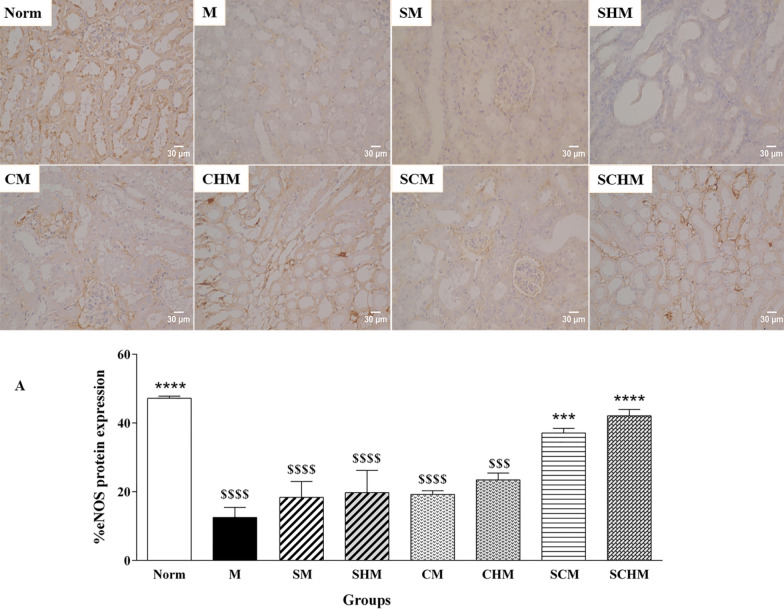
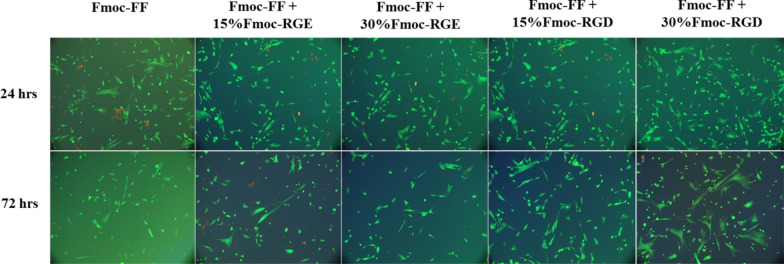
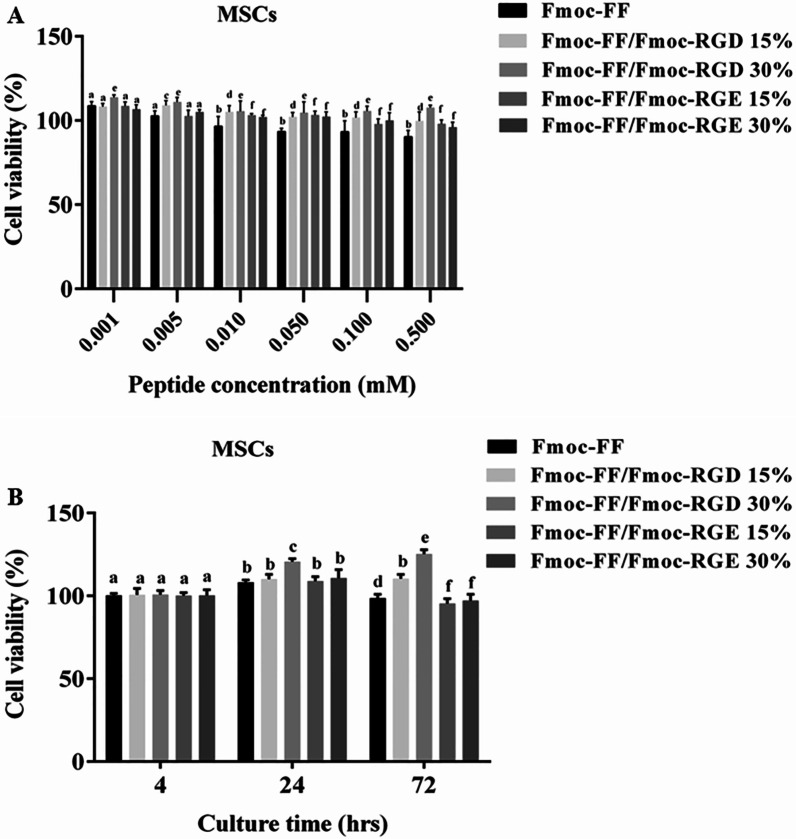
The RGD-functionalized Fmoc-diphenylalanine (Fmoc-FF + Fmoc-RGD) hydrogel supported the spread and proliferation of WJ-MSCs in vivo. Notably, intralesional injection of nitric oxide donor combined with the embedded WJ-MSCs caused superior recovery of renal I/R injury compared to free WJ-MSCs alone in terms of histopathological scores and renal function indices. Compared to the I/R control group, oxidative stress and inducible nitric oxide synthase (iNOS) expression biomarkers showed a significant decline, whereas endothelial nitric oxide synthase (eNOS) and vascular endothelial growth factor (VEGF) expression exhibited a significant increment, indicating regeneration of the injured endothelial tissue.
The findings confirmed that the hydrogels containing WJ-MSCs and nitric oxide donors can promote the regeneration of renal I/R injuries by increasing angiogenic factors and cell engraftment.
间充质疗法已被用作治疗肾缺血/再灌注(I/R)损伤的一种实用方法。然而,在缺血部位的细胞保留和存活仍然是具有挑战性的问题。为了解决这一差距,整合素受体结合的 RGD 肽功能化、负载 s-亚硝基-N-乙酰青霉胺(SNAP)的水凝胶被用于移植 Wharton 胶-间充质干细胞(WJ-MSCs)。
除了证实具有纳米纤维形态的缠结互锁β-折叠的物理化学和流变特性外,还在小鼠模型中探索了实时 RT-PCR、ROS 产生、血清生物标志物浓度和组织病理学改变,以评估配方在治疗肾 I/R 损伤中的治疗效果。
RGD 功能化 Fmoc-二苯丙氨酸(Fmoc-FF+Fmoc-RGD)水凝胶支持 WJ-MSCs 在体内的扩散和增殖。值得注意的是,与单独使用游离 WJ-MSCs 相比,局部注射一氧化氮供体与嵌入的 WJ-MSCs 结合可导致肾 I/R 损伤的恢复更好,表现在组织病理学评分和肾功能指标方面。与 I/R 对照组相比,氧化应激和诱导型一氧化氮合酶(iNOS)表达生物标志物显著下降,而内皮型一氧化氮合酶(eNOS)和血管内皮生长因子(VEGF)表达显著增加,表明受损的内皮组织得到了再生。
这些发现证实,含有 WJ-MSCs 和一氧化氮供体的水凝胶可以通过增加血管生成因子和细胞植入来促进肾 I/R 损伤的再生。