Cecere Andrew G, Miyashiro Tim I
Department of Biochemistry and Molecular Biology, The Pennsylvania State University, University Park, PA, USA.
Lab Anim Res. 2022 Jul 30;38(1):25. doi: 10.1186/s42826-022-00135-2.
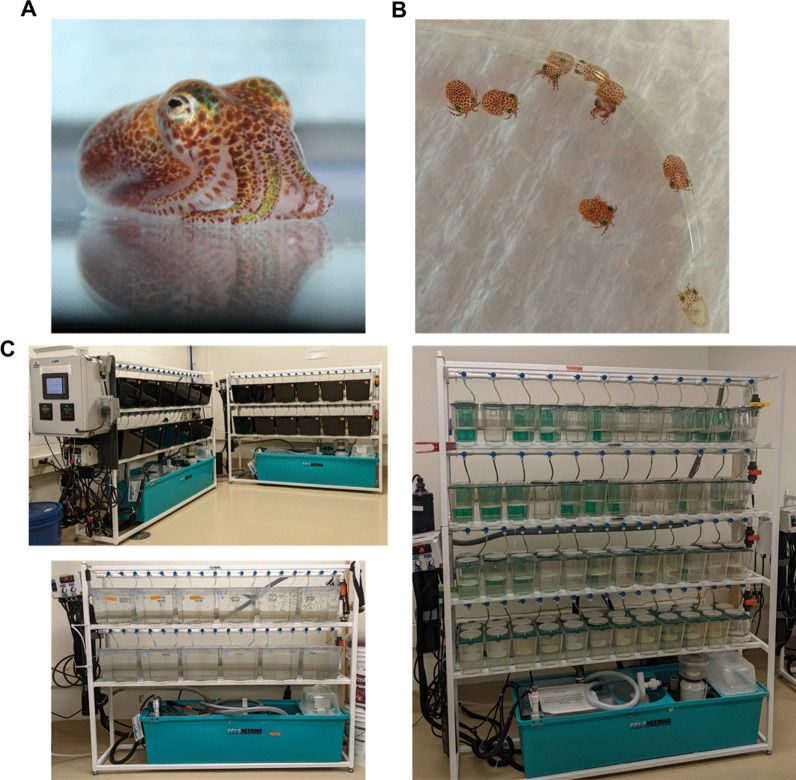
The Hawaiian bobtail squid Euprymna scolopes hosts various marine bacterial symbionts, and these symbioses have served as models for the animal-microbe relationships that are important for host health. Within a light organ, E. scolopes harbors populations of the bacterium Vibrio fischeri, which produce low levels of bioluminescence that the squid uses for camouflage. The symbiosis is initially established after a juvenile squid hatches from its egg and acquires bacterial symbionts from the ambient marine environment. The relative ease with which a cohort of wild-caught E. scolopes can be maintained in a mariculture facility has facilitated over 3 decades of research involving juvenile squid. However, because E. scolopes is native to the Hawaiian archipelago, their transport from Hawaii to research facilities often represents a stress that has the potential to impact their physiology.
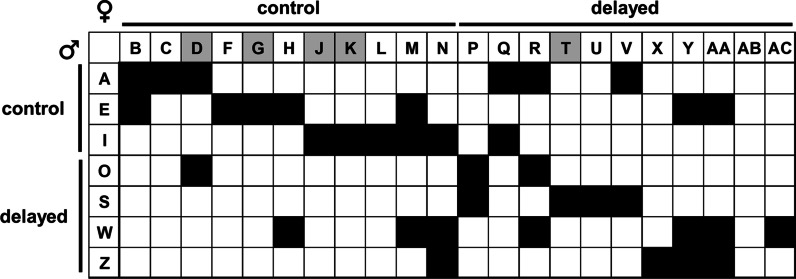
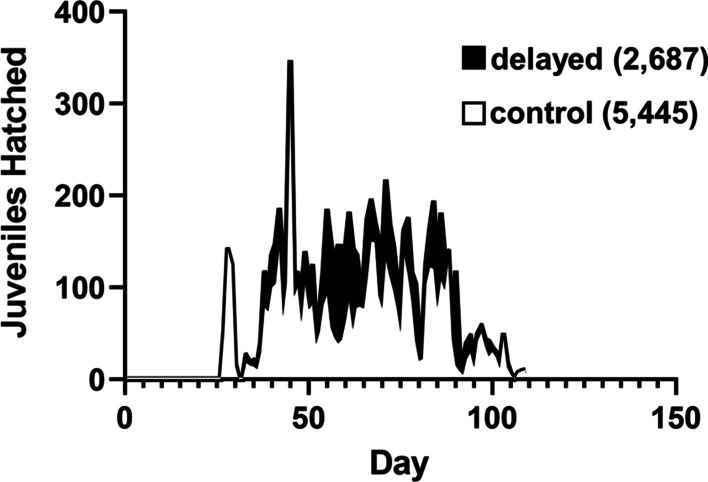
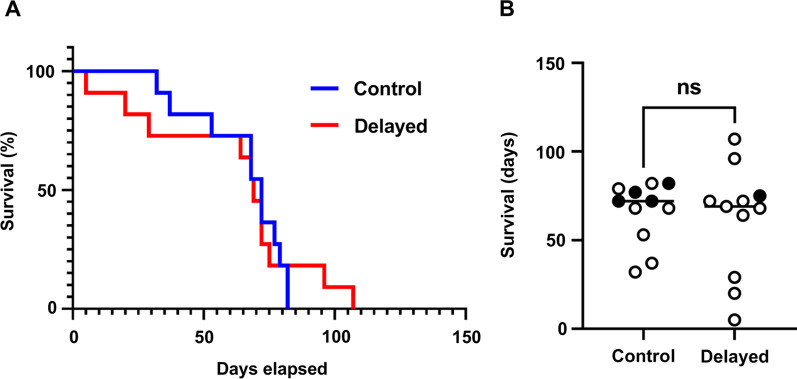
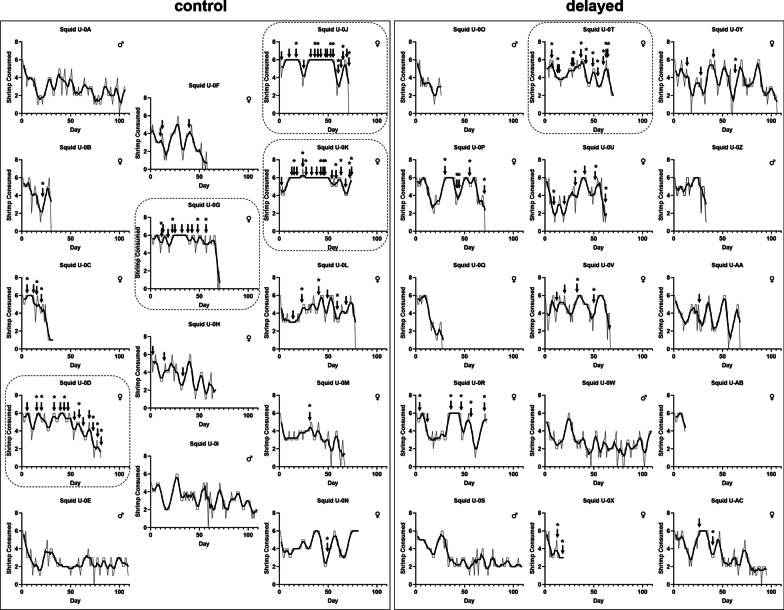
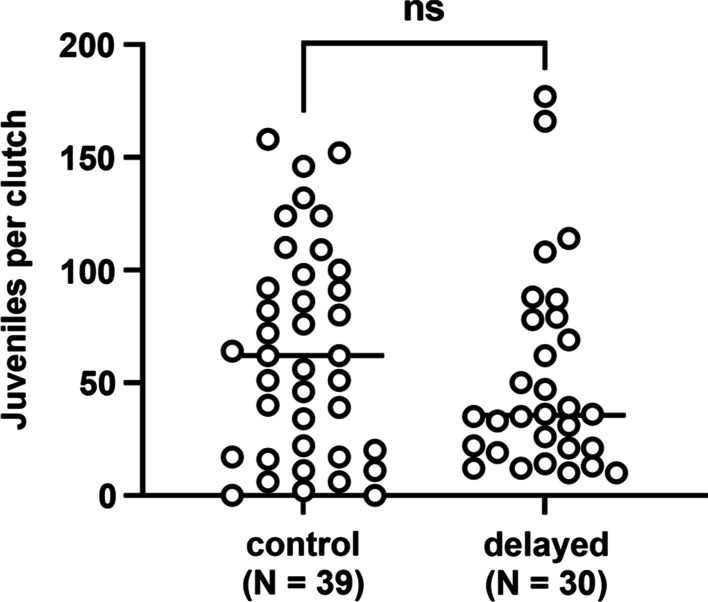
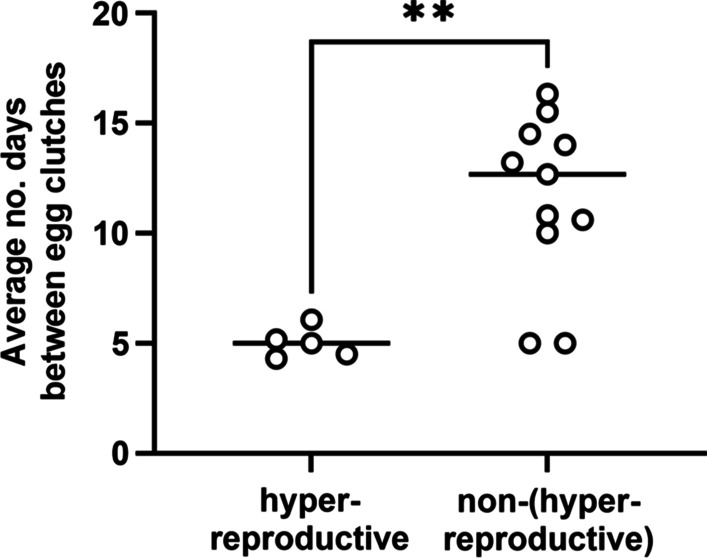
Here, we describe animal survival and reproductive capacity associated with a cohort of squid assembled from two shipments with markedly different transit times. We found that the lower juvenile squid counts generated by animals with the longer transit time were not due to the discrepancy in shipment but instead to fewer female squid that produced egg clutches at an elevated rate, which we term hyper-reproductivity. We find that hyper-reproductive females were responsible for 58% of the egg clutches laid.
The significance of these findings for E. scolopes biology and husbandry is discussed, thereby providing a platform for future investigation and further development of this cephalopod as a valuable lab animal for microbiology research.
夏威夷短尾乌贼(Euprymna scolopes)宿主多种海洋细菌共生体,这些共生关系已成为对宿主健康至关重要的动物 - 微生物关系的模型。在其发光器官内,短尾乌贼容纳费氏弧菌种群,该细菌产生低水平的生物发光,乌贼利用其进行伪装。这种共生关系最初是在幼年乌贼从卵中孵化并从周围海洋环境中获取细菌共生体后建立的。一批野生捕获的短尾乌贼相对容易在海水养殖设施中饲养,这促进了30多年来涉及幼年乌贼的研究。然而,由于短尾乌贼原产于夏威夷群岛,将它们从夏威夷运输到研究设施往往会带来压力,有可能影响它们的生理机能。
在这里,我们描述了与两批运输时间明显不同的乌贼群体相关的动物存活率和繁殖能力。我们发现,运输时间较长的动物产生的幼年乌贼数量较少,并非由于运输差异,而是由于产卵率较高的雌性乌贼数量较少,我们将其称为超繁殖力。我们发现,超繁殖力的雌性乌贼产下了58%的卵块。
讨论了这些发现对短尾乌贼生物学和饲养的意义,从而为未来的研究以及将这种头足类动物进一步开发为微生物学研究中有价值的实验动物提供了一个平台。