Social Determinants of Health Research Center, Research Institute for Prevention of Non-Communicable Diseases, Qazvin University of Medical Sciences, Qazvin 34197-59811, Iran.
Departments of Psychiatry and Neuroscience, The Child Study Center, School of Medicine, Yale University, New Haven, CT 06511, USA.
Int J Environ Res Public Health. 2022 Aug 6;19(15):9707. doi: 10.3390/ijerph19159707.
Binge-watching, the viewing of online videos or streamed content, may be associated with different types of mental health problems. The present study aimed to investigate the associations between binge-watching and five mental health concerns including depression, loneliness, sleep problems, anxiety, and stress.
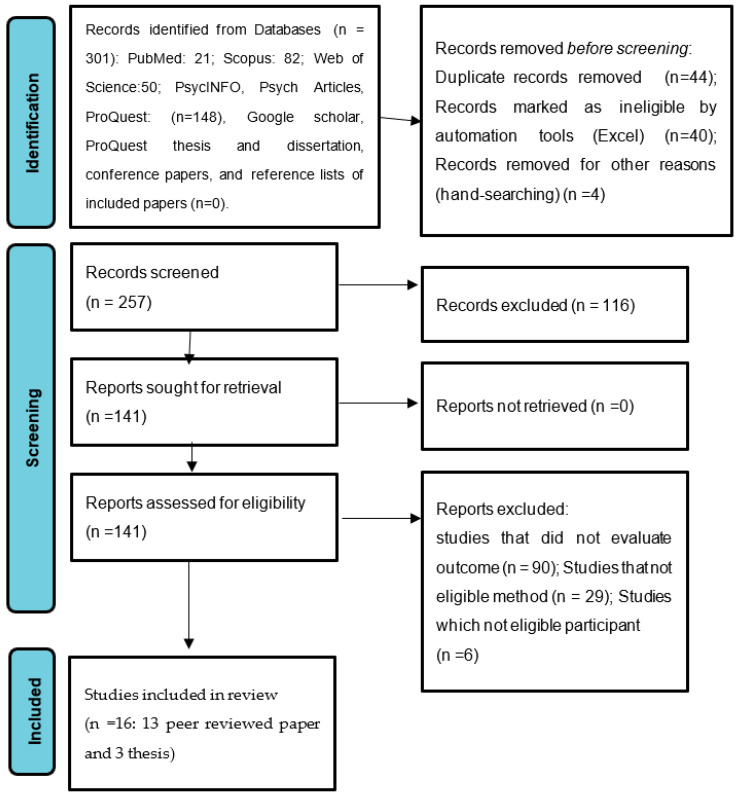
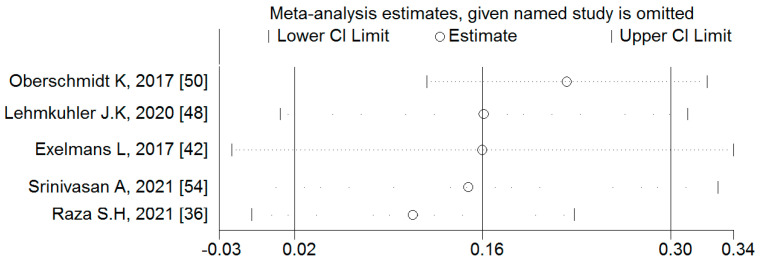
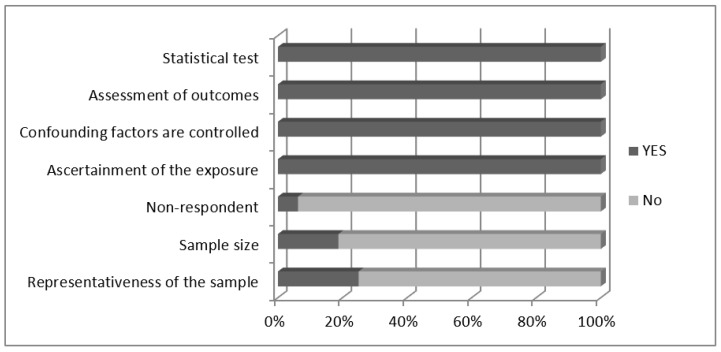
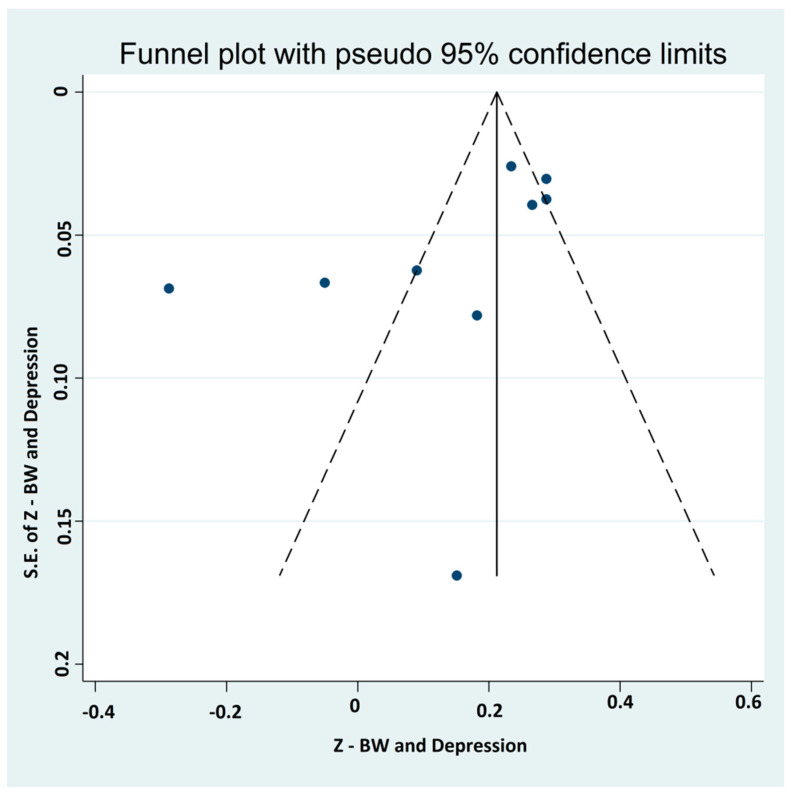
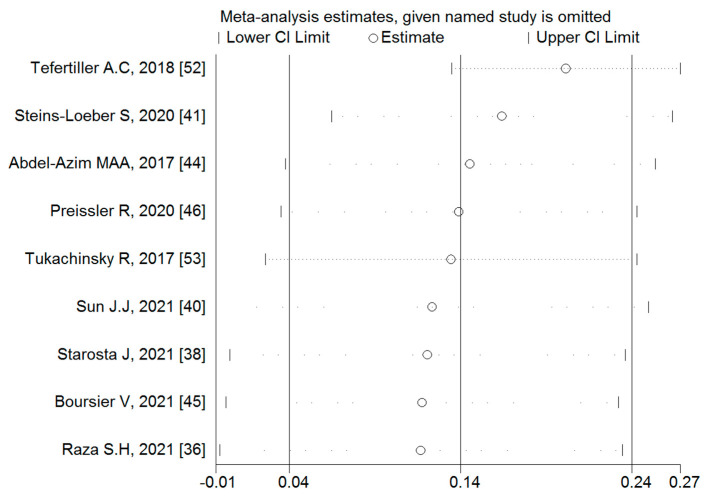
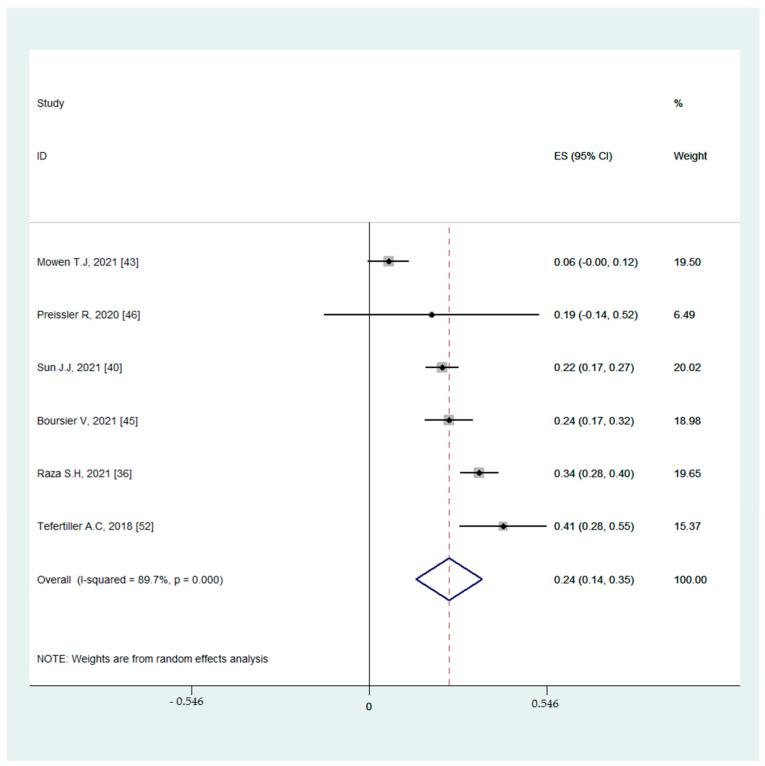
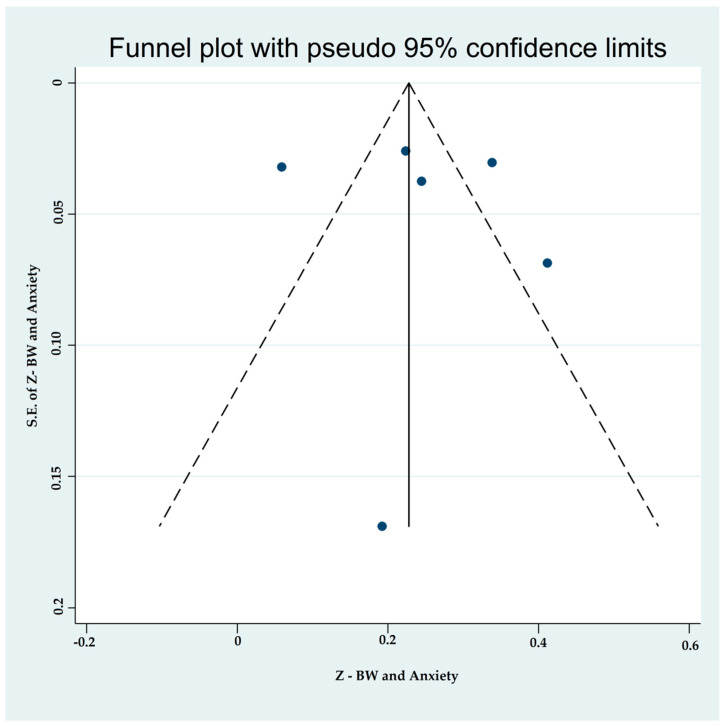
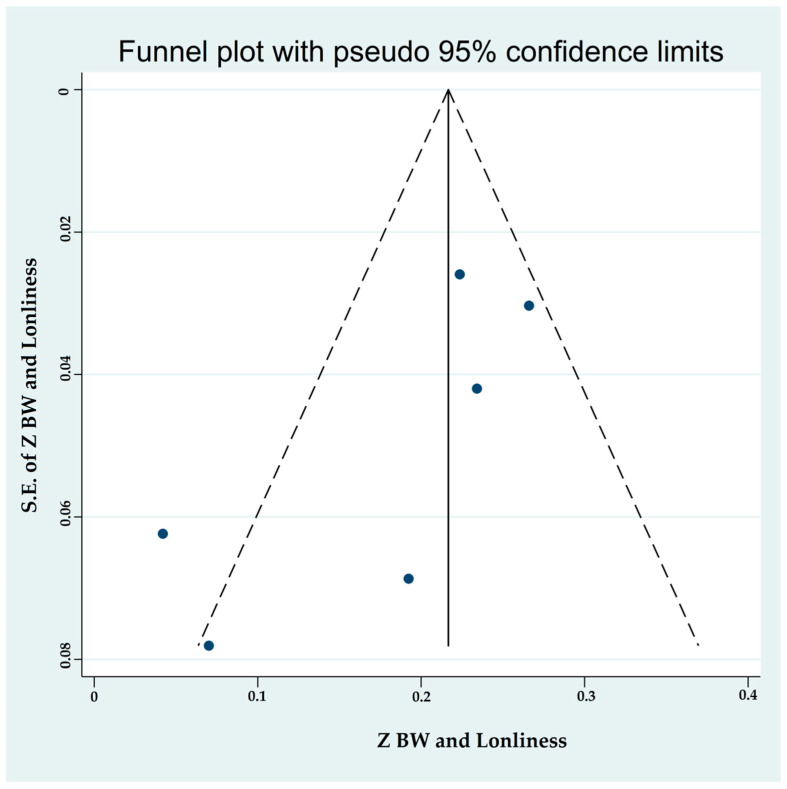
Academic databases of PubMed, Scopus, Web of Science, ProQuest, PsycINFO, and Psych Articles were systematically searched through February of 2022. The Newcastle-Ottawa Scale was used to assess the methodological quality. A meta-analysis was performed on Fisher's z values as effect sizes, using a random effect model. Publication bias, small study effect, and moderators in this association were assessed.
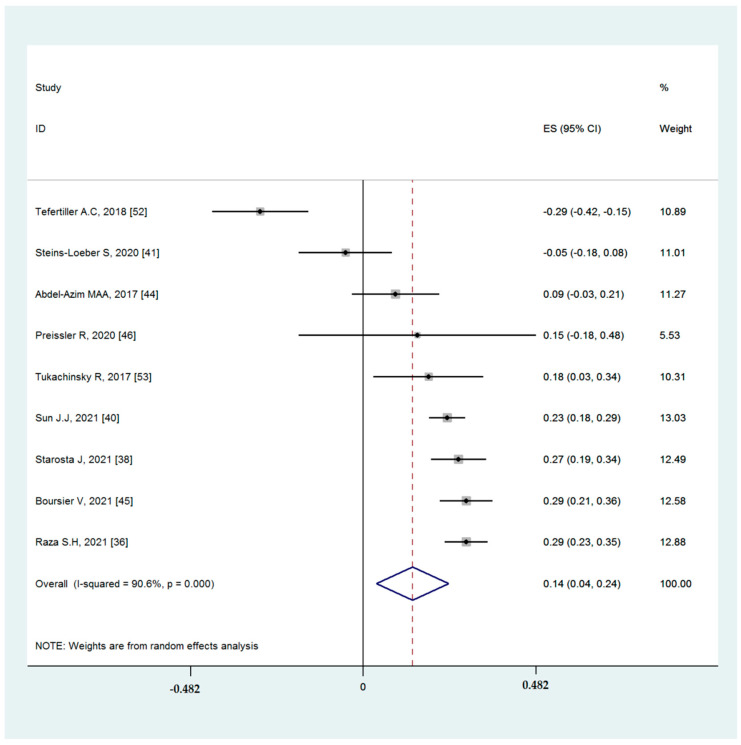
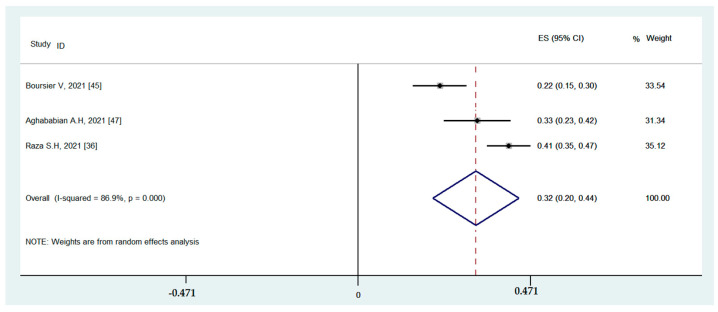
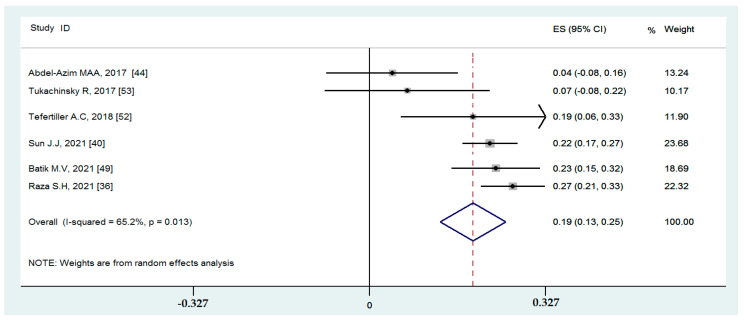
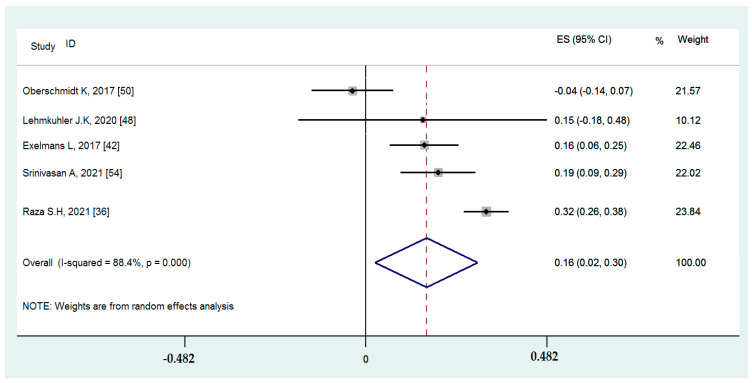
Binge-watching was significantly associated with the five types of mental health concerns with the most robust correlations found with stress (0.32) and anxiety (0.25). Stronger associations between binge-watching and two types of mental health problems (depression and sleep problems) were found during the COVID-19 pandemic than before the pandemic. Moreover, stronger associations between binge-watching and two types of mental health problems (stress and sleep problems) were found in developing countries than in developed countries.
The associations between binge-watching and mental health concerns were significant and positive. Programs and interventions to reduce binge-watching should be considered and tested.
binge-watching(即狂刷剧)是指观看在线视频或流媒体内容,可能与不同类型的心理健康问题有关。本研究旨在调查 binge-watching 与五种心理健康问题的关联,包括抑郁、孤独、睡眠问题、焦虑和压力。
通过系统检索 PubMed、Scopus、Web of Science、ProQuest、PsycINFO 和 Psych Articles 学术数据库,截至 2022 年 2 月。采用纽卡斯尔-渥太华量表评估方法学质量。使用随机效应模型,对 Fisher's z 值作为效应量进行荟萃分析。评估该关联中的发表偏倚、小样本效应和调节因素。
binge-watching 与五种心理健康问题显著相关,与压力(0.32)和焦虑(0.25)的相关性最强。在 COVID-19 大流行期间,binge-watching 与两种心理健康问题(抑郁和睡眠问题)之间的关联比大流行前更强。此外,在发展中国家,binge-watching 与两种心理健康问题(压力和睡眠问题)之间的关联比发达国家更强。
binge-watching 与心理健康问题之间存在显著的正相关关系。应考虑并测试减少 binge-watching 的计划和干预措施。