Department of Chemistry, Institute of Science, Banaras Hindu University, Varanasi 221005, Uttar Pradesh, India.
Department of Physics, Institute of Science, Banaras Hindu University, Varanasi 221005, Uttar Pradesh, India.
Biosensors (Basel). 2022 Aug 13;12(8):637. doi: 10.3390/bios12080637.
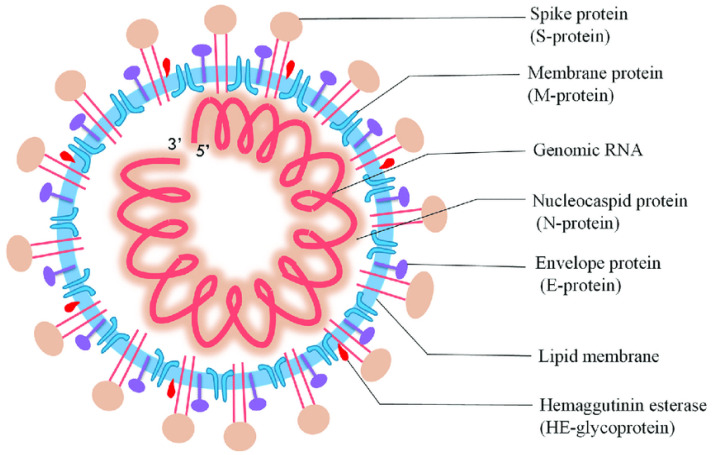
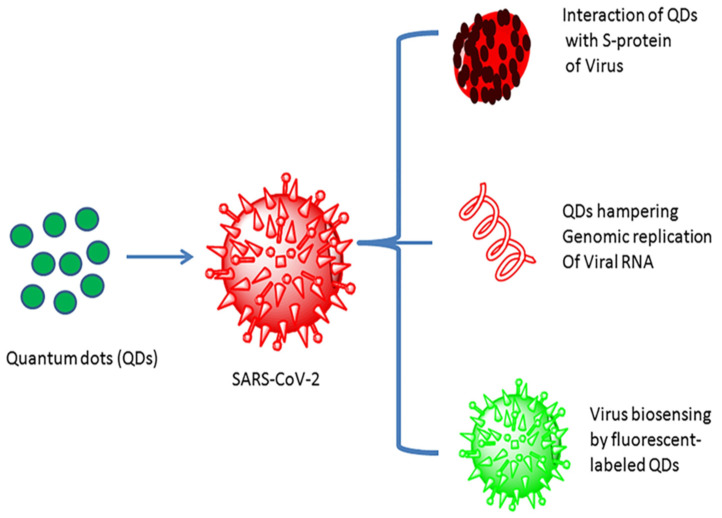
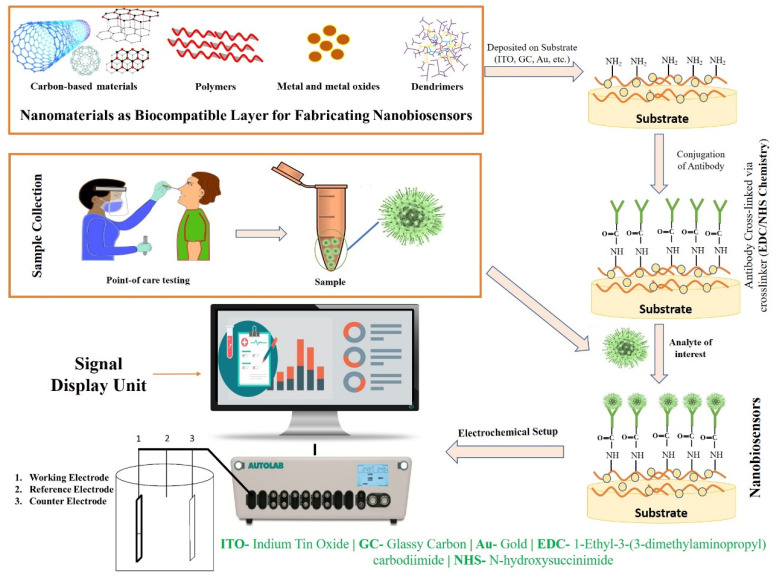
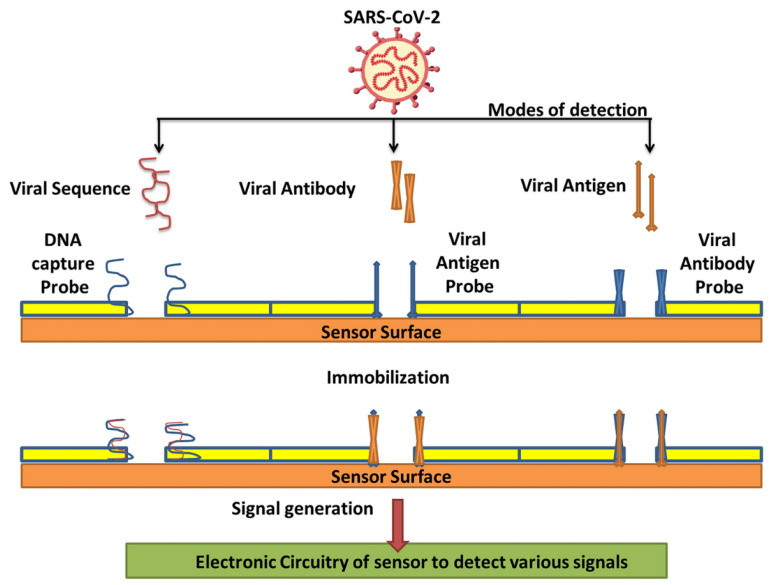
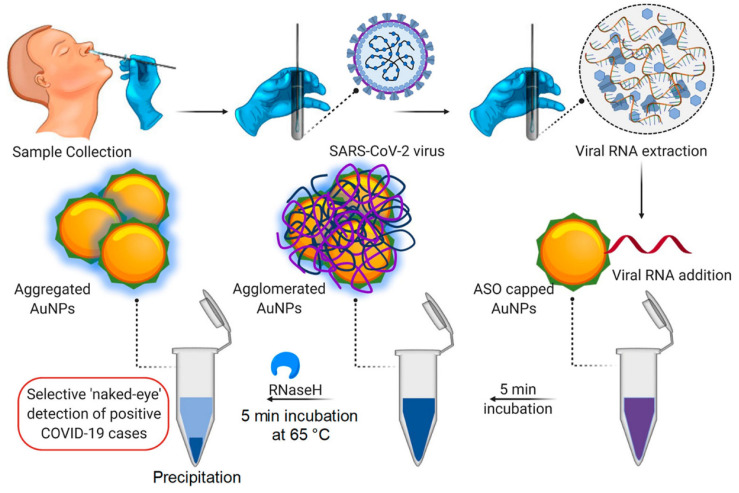
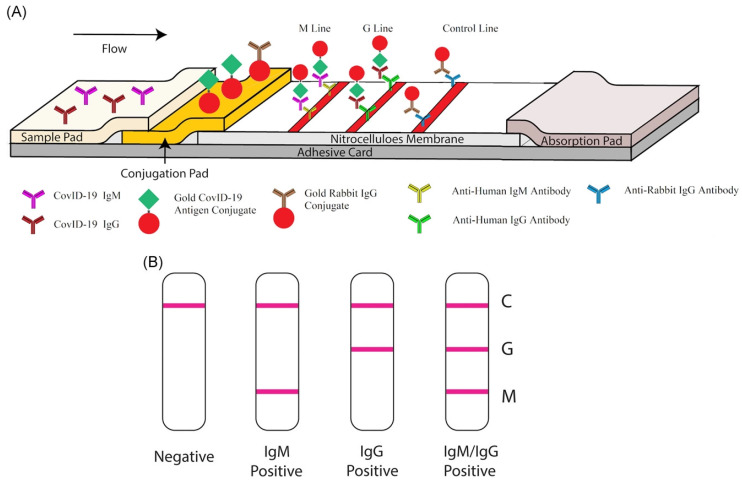
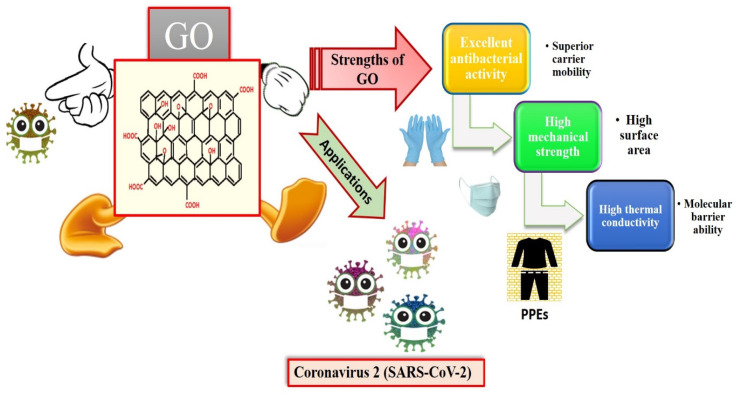
The novel coronavirus appeared to be a milder infection initially, but the unexpected outbreak of severe acute respiratory syndrome coronavirus 2 (SARS-CoV-2), commonly called COVID-19, was transmitted all over the world in late 2019 and caused a pandemic. Human health has been disastrously affected by SARS-CoV-2, which is still evolving and causing more serious concerns, leading to the innumerable loss of lives. Thus, this review provides an outline of SARS-CoV-2, of the traditional tools to diagnose SARS-CoV-2, and of the role of emerging nanomaterials with unique properties for fabricating biosensor devices to diagnose SARS-CoV-2. Smart and intelligent nanomaterial-enabled biosensors (nanobiosensors) have already proven their utility for the diagnosis of several viral infections, as various detection strategies based on nanobiosensor devices are already present, and several other methods are also being investigated by researchers for the determination of SARS-CoV-2 disease; however, considerably more is undetermined and yet to be explored. Hence, this review highlights the utility of various nanobiosensor devices for SARS-CoV-2 determination. Further, it also emphasizes the future outlook of nanobiosensing technologies for SARS-CoV-2 diagnosis.
新型冠状病毒最初似乎感染症状较轻,但 2019 年底,严重急性呼吸综合征冠状病毒 2(SARS-CoV-2,通常称为 COVID-19)在全球范围内意外爆发,并引发大流行。SARS-CoV-2 仍在不断演变,导致更严重的问题,造成了无数生命的损失,对人类健康造成了灾难性的影响。因此,本综述概述了 SARS-CoV-2、用于诊断 SARS-CoV-2 的传统工具以及具有独特性能的新兴纳米材料在用于诊断 SARS-CoV-2 的生物传感器设备中的作用。智能和智能纳米材料生物传感器(纳米生物传感器)已经证明了它们在诊断多种病毒感染方面的实用性,因为已经存在基于纳米生物传感器设备的各种检测策略,并且研究人员还在研究其他几种方法来确定 COVID-19 疾病;然而,还有很多不确定因素和有待探索的地方。因此,本综述强调了各种纳米生物传感器设备在 SARS-CoV-2 检测中的应用。此外,它还强调了纳米生物传感技术在 SARS-CoV-2 诊断方面的未来前景。