Department of Biology, University of Central Arkansas, 201 Donaghey Ave., Conway, AR 72035, USA.
Int J Mol Sci. 2022 Aug 20;23(16):9402. doi: 10.3390/ijms23169402.
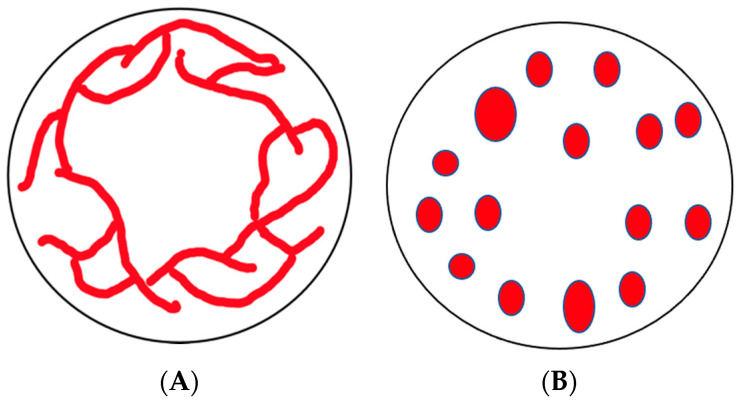
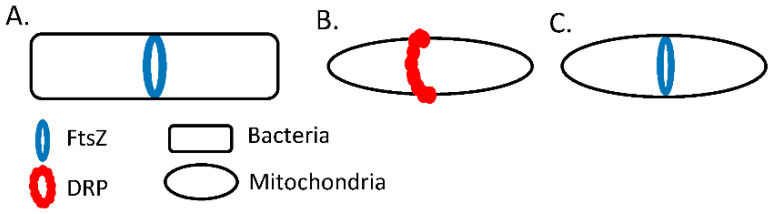
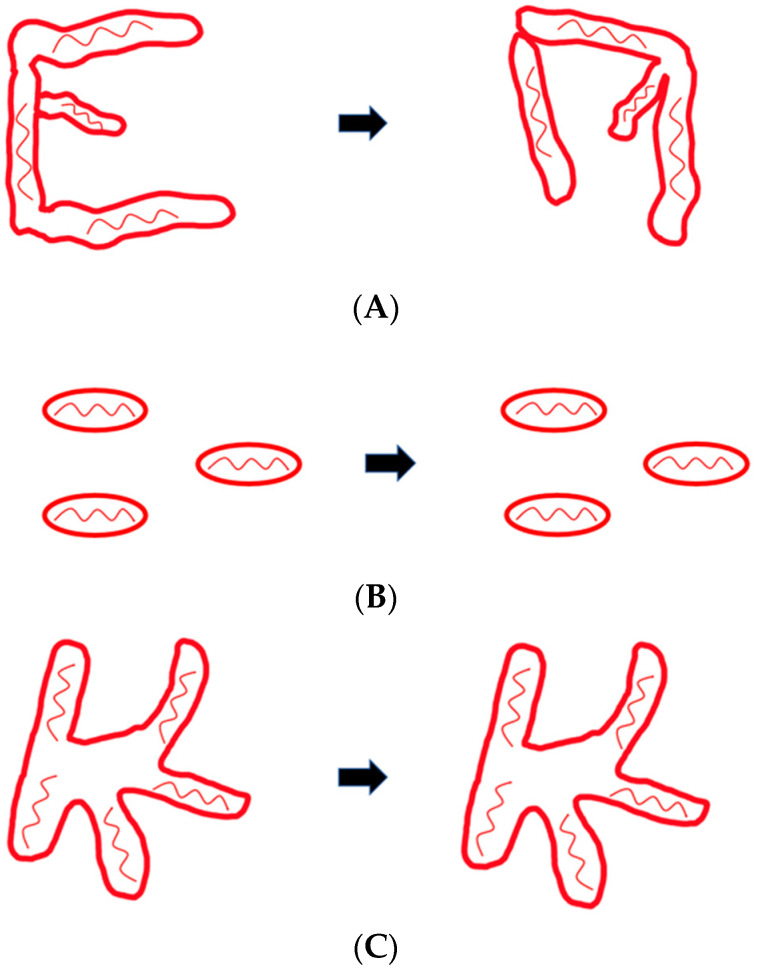
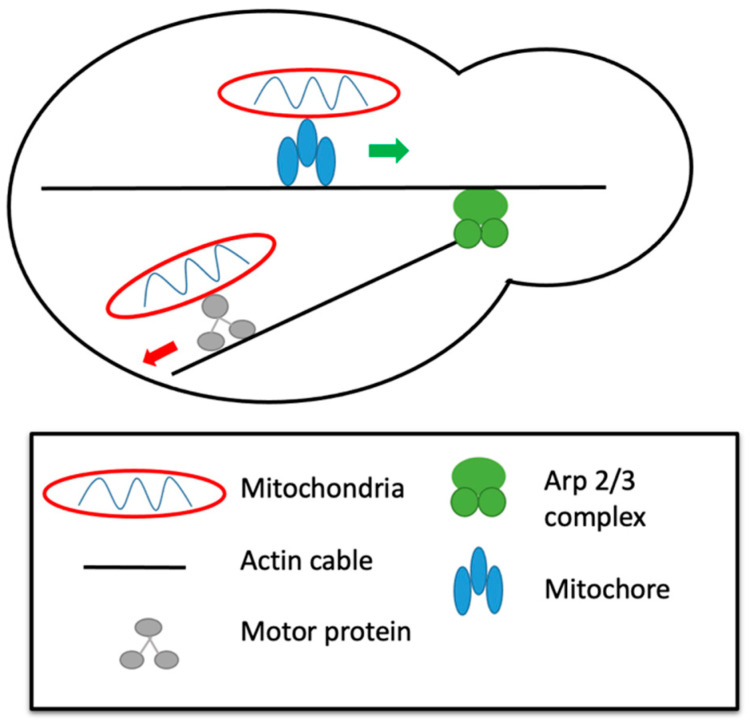
Mitochondria are complex organelles that provide energy for the cell in the form of adenosine triphosphate (ATP) and have very specific structures. For most organisms, this is a reticular or tubular mitochondrial network, while others have singular oval-shaped organelles. Nonetheless, maintenance of this structure is dependent on the mitochondrial dynamics, fission, fusion, and motility. Recently, studies have shown that the cytoskeleton has a significant role in the regulation of mitochondrial dynamics. In this review, we focus on microtubules and actin filaments and look at what is currently known about the cytoskeleton's role in mitochondrial dynamics in complex models like mammals and yeast, as well as what is known in the simple model system, . Understanding how the cytoskeleton is involved in mitochondrial dynamics increases our understanding of mitochondrial disease, especially neurodegenerative diseases. Increases in fission, loss of fusion, and fragmented mitochondria are seen in several neurodegenerative diseases such as Parkinson's, Alzheimer's, and Huntington's disease. There is no known cure for these diseases, but new therapeutic strategies using drugs to alter mitochondrial fusion and fission activity are being considered. The future of these therapeutic studies is dependent on an in-depth understanding of the mechanisms of mitochondrial dynamics. Understanding the cytoskeleton's role in dynamics in multiple model organisms will further our understanding of these mechanisms and could potentially uncover new therapeutic targets for these neurodegenerative diseases.
线粒体是提供细胞能量的复杂细胞器,其形式为三磷酸腺苷(ATP),并且具有非常特定的结构。对于大多数生物体来说,这是一种网状或管状的线粒体网络,而其他生物体则具有单个的椭圆形细胞器。然而,这种结构的维持依赖于线粒体的动力学,包括分裂、融合和运动。最近的研究表明,细胞骨架在调节线粒体动力学方面起着重要作用。在这篇综述中,我们专注于微管和肌动蛋白丝,并研究了细胞骨架在哺乳动物和酵母等复杂模型以及简单模型系统 中对线粒体动力学的作用的已知情况。了解细胞骨架如何参与线粒体动力学可以增加我们对线粒体疾病的理解,特别是神经退行性疾病。在几种神经退行性疾病中,如帕金森病、阿尔茨海默病和亨廷顿病,都观察到分裂增加、融合丧失和线粒体碎片化。这些疾病目前没有治愈方法,但正在考虑使用药物改变线粒体融合和分裂活性的新治疗策略。这些治疗研究的未来取决于对线粒体动力学机制的深入理解。了解细胞骨架在多种模式生物中的动力学作用将进一步加深我们对这些机制的理解,并可能为这些神经退行性疾病发现新的治疗靶点。