Department of Human Development and Quantitative Methodology, University of Maryland, College Park, MD, USA.
Department of Psychology, Florida International University, Miami, FL, USA.
J Child Psychol Psychiatry. 2023 Apr;64(4):537-561. doi: 10.1111/jcpp.13702. Epub 2022 Sep 19.
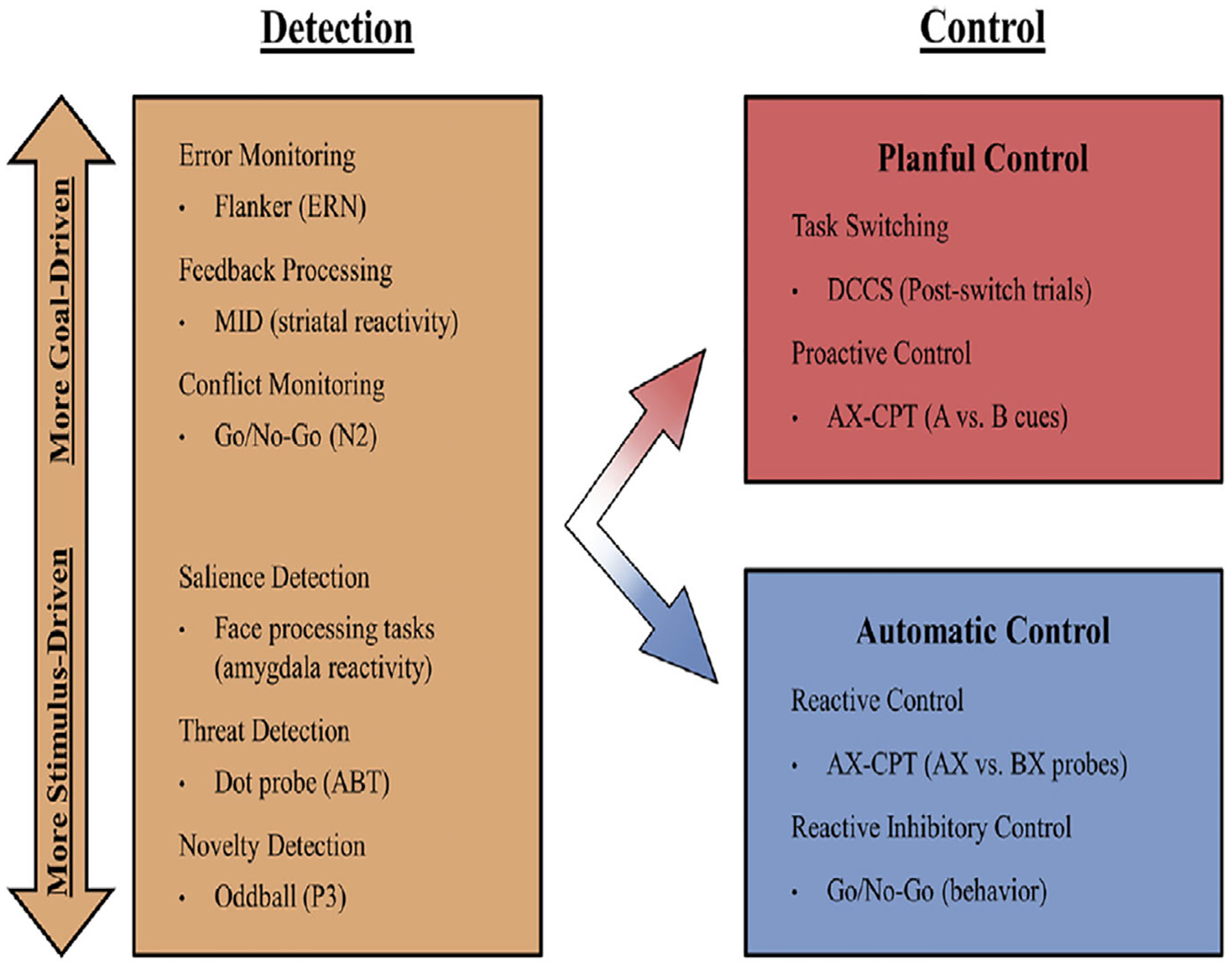
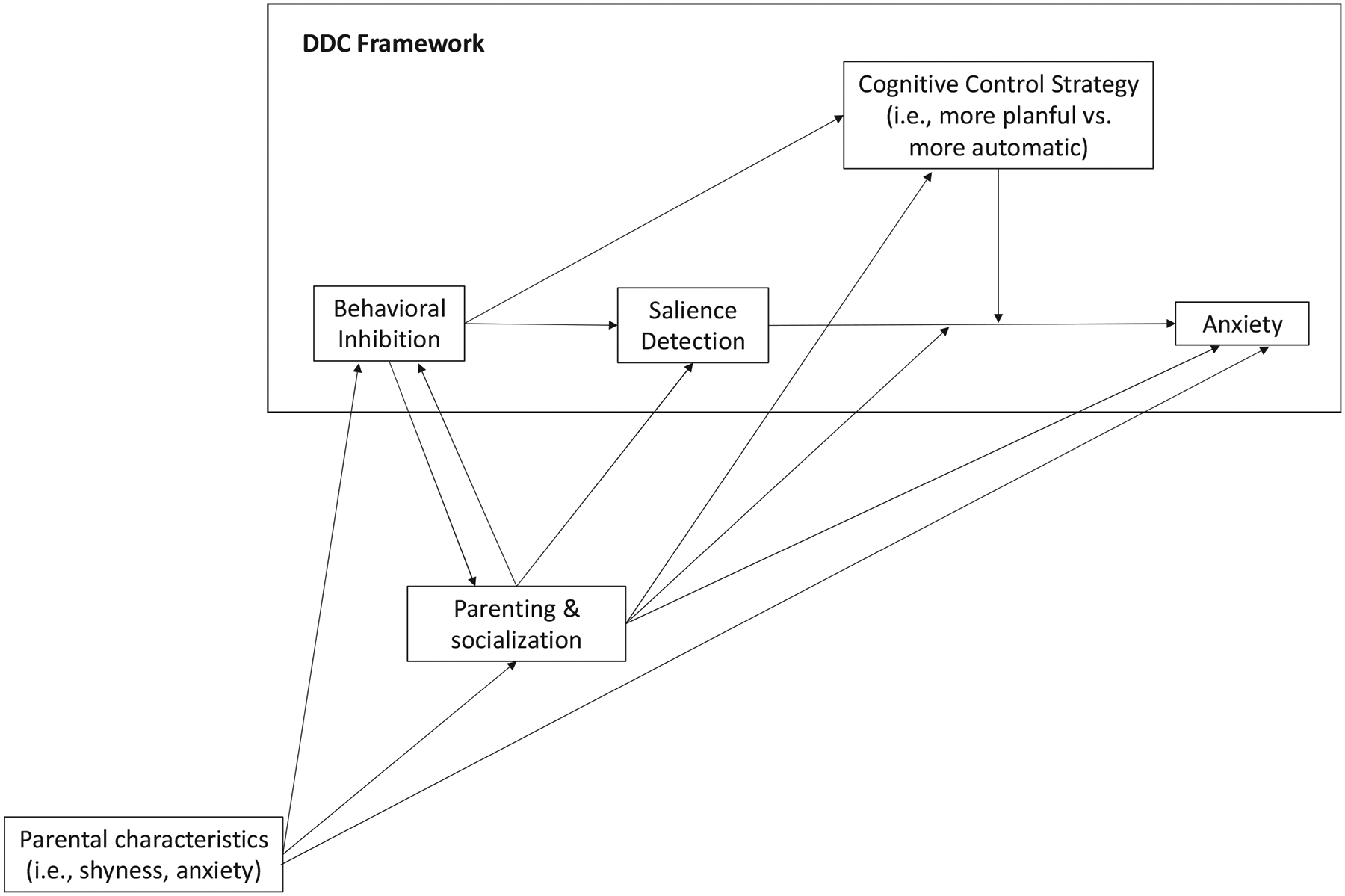
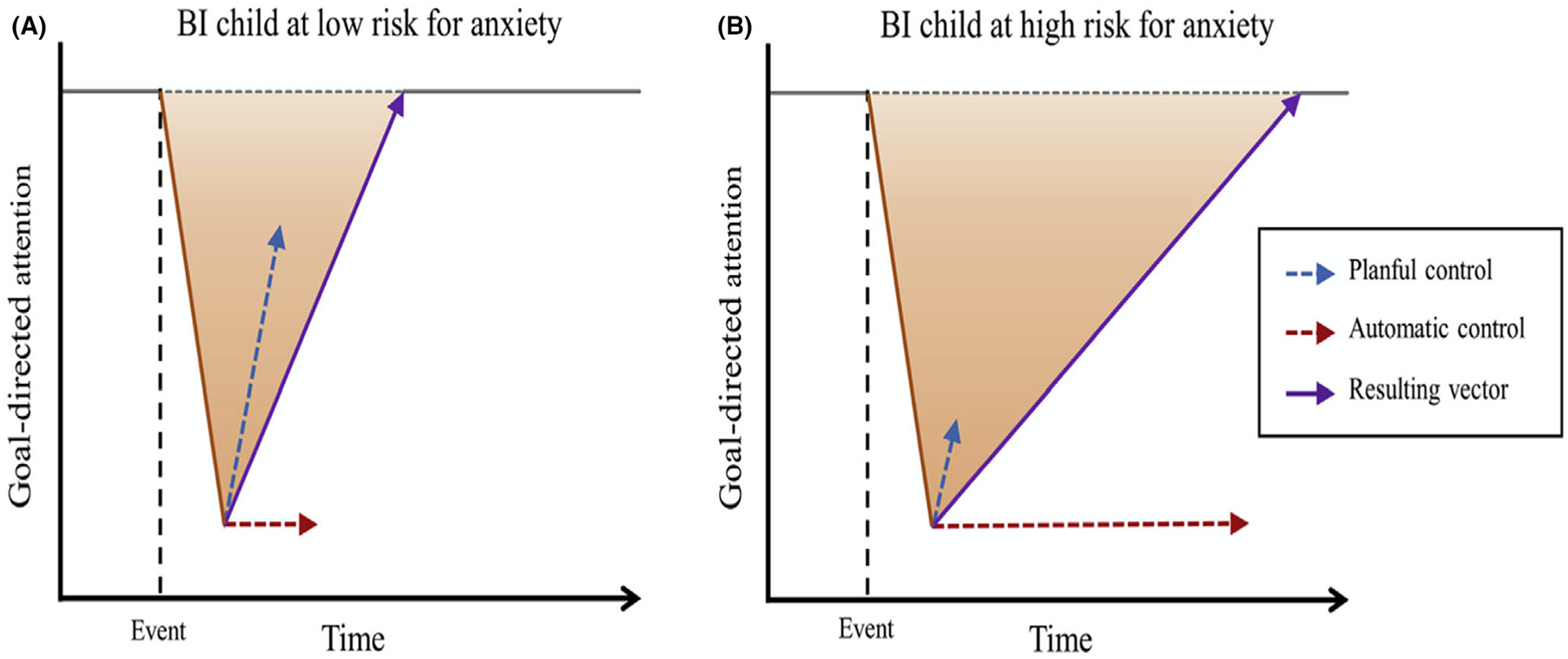
Behavioral Inhibition is a temperament identified in the first years of life that enhances the risk for development of anxiety during late childhood and adolescence. Amongst children characterized with this temperament, only around 40 percent go on to develop anxiety disorders, meaning that more than half of these children do not. Over the past 20 years, research has documented within-child and socio-contextual factors that support differing developmental pathways. This review provides a historical perspective on the research documenting the origins of this temperament, its biological correlates, and the factors that enhance or mitigate risk for development of anxiety. We review as well, research findings from two longitudinal cohorts that have identified moderators of behavioral inhibition in understanding pathways to anxiety. Research on these moderators has led us to develop the Detection and Dual Control (DDC) framework to understand differing developmental trajectories among behaviorally inhibited children. In this review, we use this framework to explain why and how specific cognitive and socio-contextual factors influence differential pathways to anxiety versus resilience.
行为抑制是一种在生命的最初几年中表现出来的气质,它会增加儿童晚期和青少年期发展为焦虑症的风险。在具有这种气质的儿童中,只有大约 40%的儿童会发展为焦虑症,这意味着超过一半的儿童不会发展为焦虑症。在过去的 20 年中,研究已经记录了支持不同发展途径的个体内部和社会环境因素。本综述提供了关于该气质起源、生物学相关性以及增强或减轻焦虑症发展风险的因素的研究的历史视角。我们还回顾了两项纵向队列研究的研究结果,这些研究确定了行为抑制的调节因素,以了解焦虑症的发展途径。对这些调节因素的研究使我们开发了检测和双重控制(DDC)框架,以了解行为抑制儿童的不同发展轨迹。在本综述中,我们使用该框架来解释特定认知和社会环境因素为什么以及如何影响焦虑症与适应之间的不同发展途径。