Fierascu Ioana Catalina, Fierascu Irina, Baroi Anda Maria, Ungureanu Camelia, Ortan Alina, Avramescu Sorin Marius, Somoghi Raluca, Fierascu Radu Claudiu, Dinu-Parvu Cristina Elena
Faculty of Pharmacy, University of Medicine and Pharmacy "Carol Davila", 37 Dionisie Lupu Str., 030167 Bucharest, Romania.
National Institute for Research & Development in Chemistry and Petrochemistry-ICECHIM Bucharest, 202 Spl. Independentei, 060021 Bucharest, Romania.
Materials (Basel). 2022 Oct 20;15(20):7327. doi: 10.3390/ma15207327.
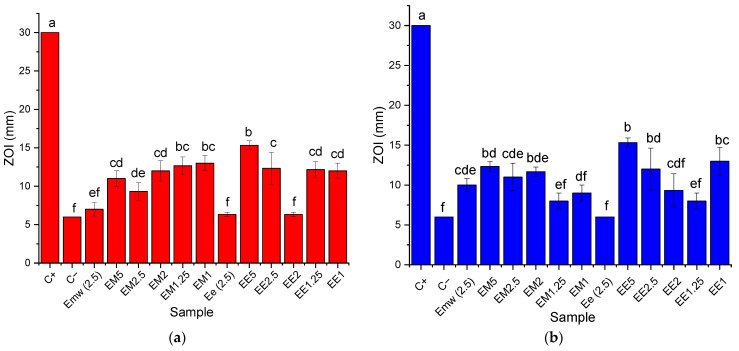
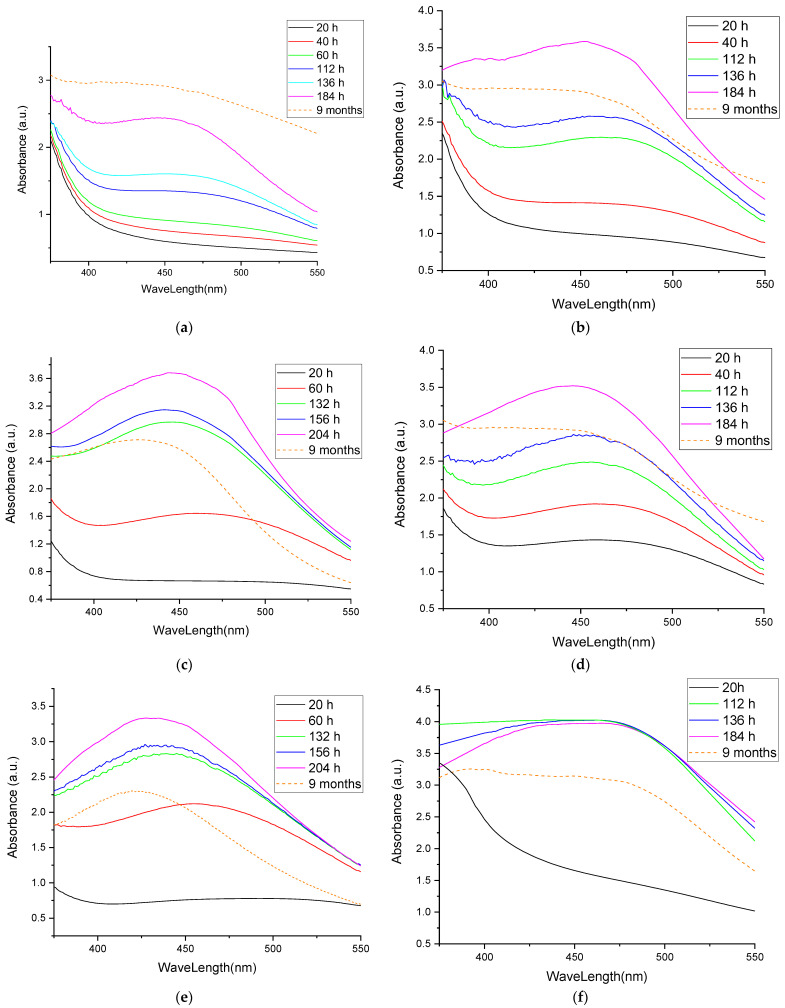
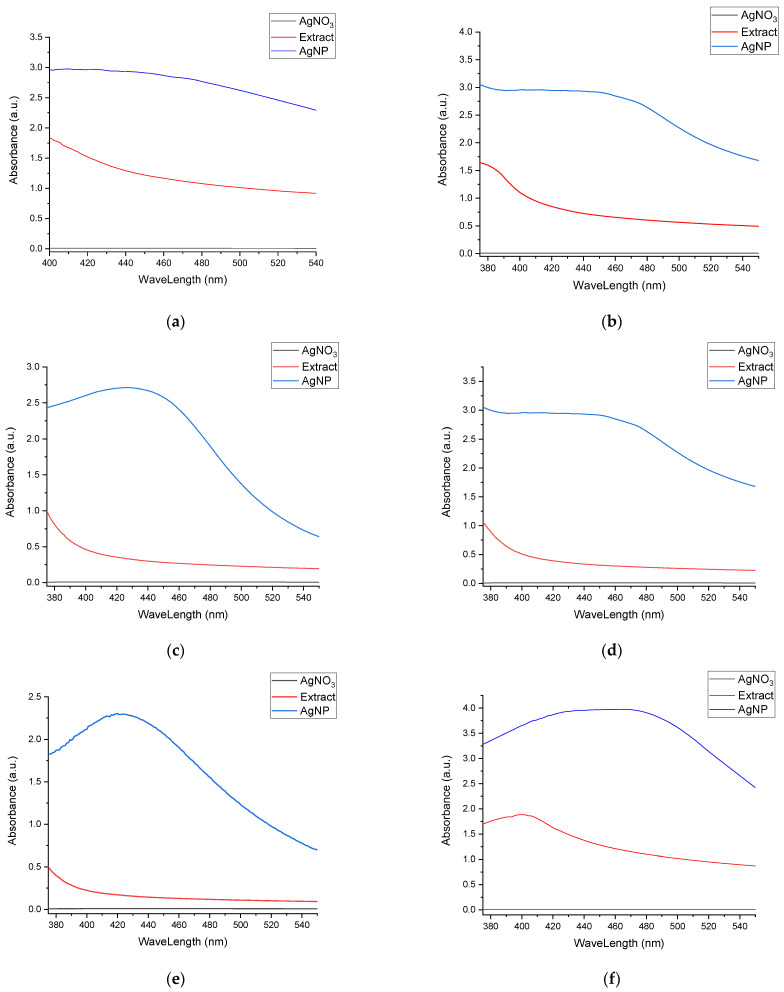
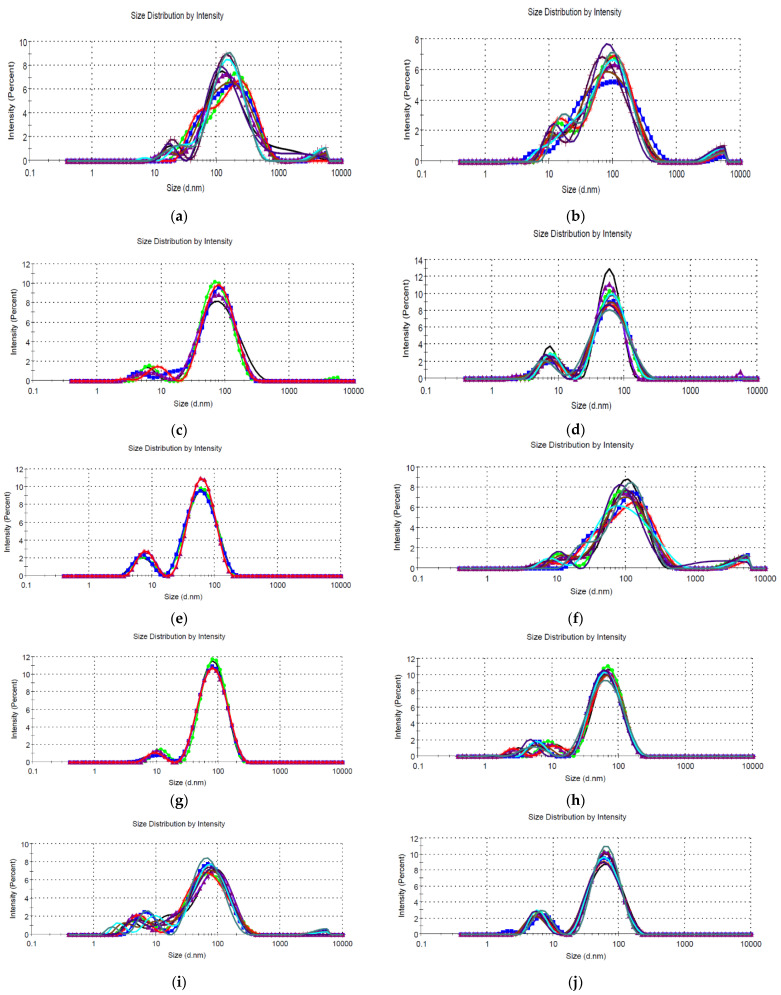
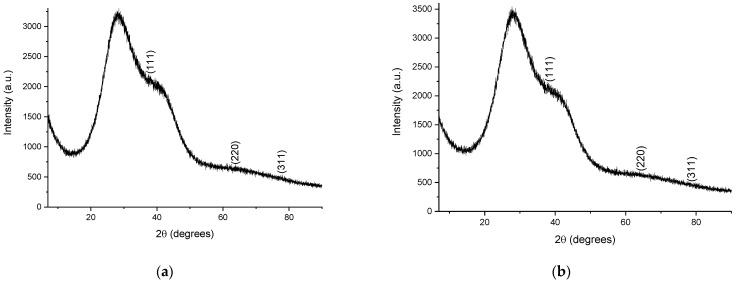
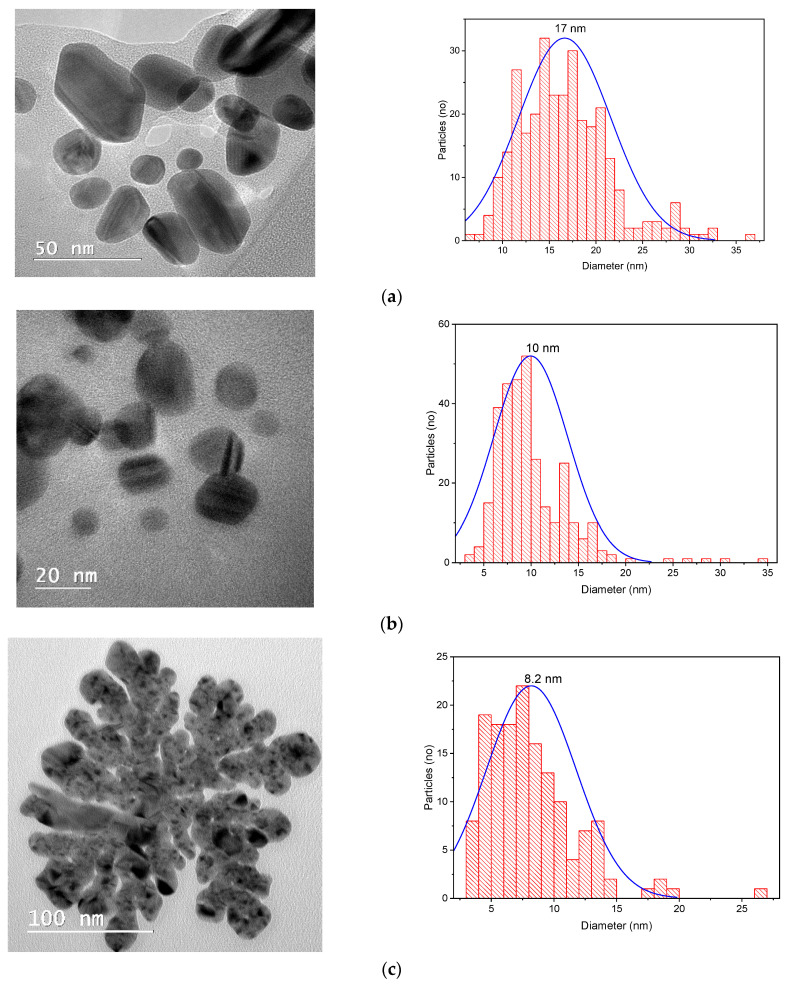
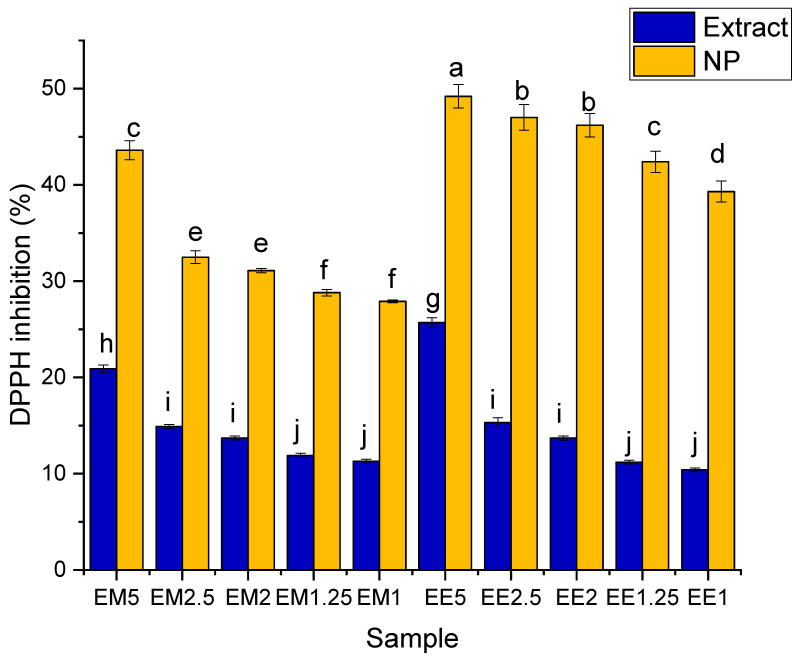
With their phytoconstituents acting as reducing and capping agents, natural extracts can be considered a viable alternative for the obtaining of metallic nanoparticles. The properties of phytosynthesized nanoparticles are dependent upon size and morphology, which, in turn, can be tailored by adjusting different parameters of the phytosynthesis process (such as the extracts' composition). In the present study, we aimed to evaluate, for the first time in the literature, the influence of the extraction method and extract concentration on the morphological and biological properties (antioxidant and antibacterial activity) of silver nanoparticles phytosynthesized using L. extracts. The obtained results revealed that the use of the low-concentration hydro-alcoholic extract obtained via classical temperature extraction led to the development of nanoparticles with the smallest dimensions (less than 10 nm), compared with the use of extracts obtained with higher concentrations and the extract obtained via the microwave method. The developed nanomaterials exhibited enhanced antioxidant effects (determined via the DPPH assay) and antimicrobial properties (against and ), compared with the parent extracts.
由于其植物成分可作为还原剂和封端剂,天然提取物可被视为获取金属纳米颗粒的一种可行替代方法。植物合成纳米颗粒的性质取决于尺寸和形态,而这又可以通过调整植物合成过程的不同参数(如提取物的组成)来进行定制。在本研究中,我们旨在首次在文献中评估提取方法和提取物浓度对使用罗勒提取物植物合成的银纳米颗粒的形态和生物学特性(抗氧化和抗菌活性)的影响。所得结果表明,与使用高浓度提取物和通过微波法获得的提取物相比,使用通过经典温度提取获得的低浓度水醇提取物可生成尺寸最小(小于10纳米)的纳米颗粒。与母体提取物相比,所开发的纳米材料表现出增强的抗氧化作用(通过DPPH测定法确定)和抗菌性能(针对大肠杆菌和金黄色葡萄球菌)。