Garcia Gonçalo, Pinto Sara, Ferreira Sofia, Lopes Daniela, Serrador Maria João, Fernandes Adelaide, Vaz Ana Rita, Mendonça Alexandre de, Edenhofer Frank, Malm Tarja, Koistinaho Jari, Brites Dora
Neuroinflammation, Signaling and Neuroregeneration Lab, Research Institute for Medicines (iMed.ULisboa), Faculty of Pharmacy, Universidade de Lisboa, 1649-003 Lisbon, Portugal.
Department of Pharmaceutical Sciences and Medicines, Faculty of Pharmacy, Universidade de Lisboa, 1649-003 Lisbon, Portugal.
Cells. 2022 Oct 26;11(21):3377. doi: 10.3390/cells11213377.
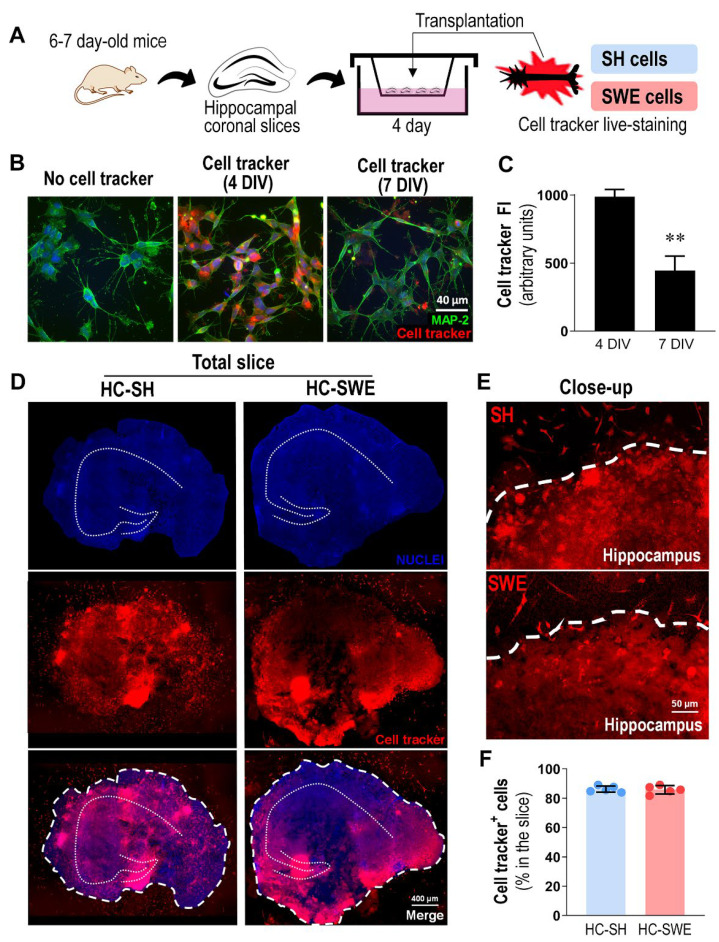
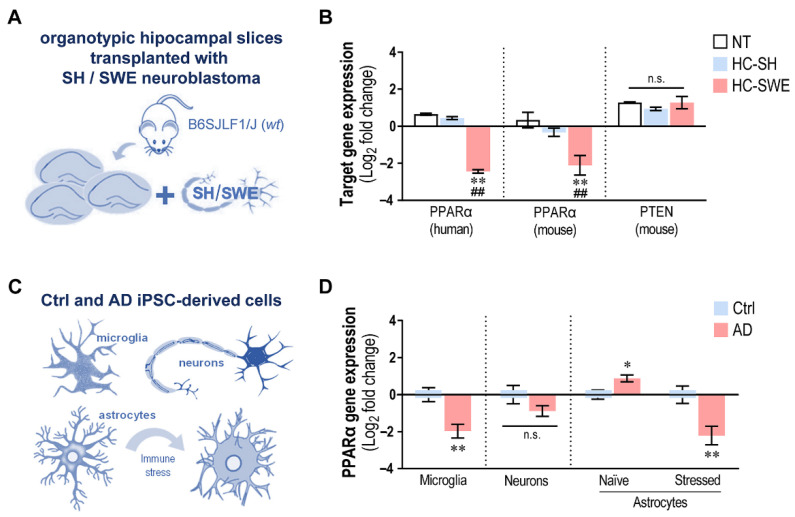
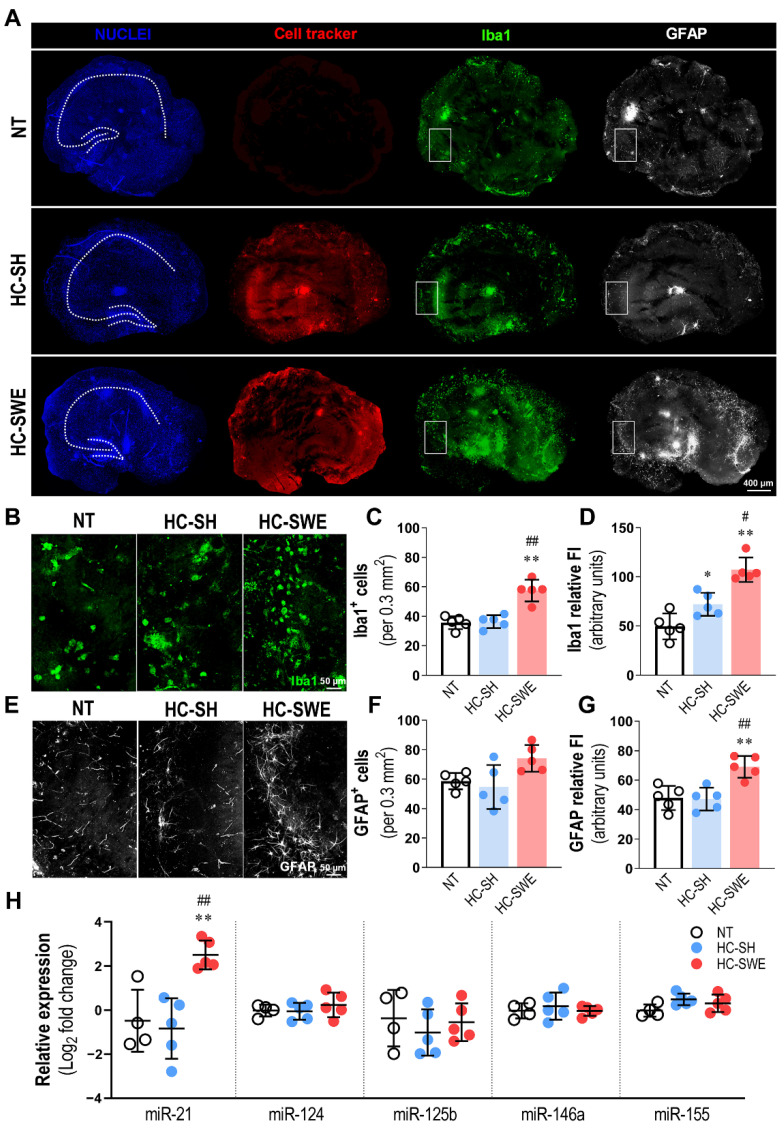
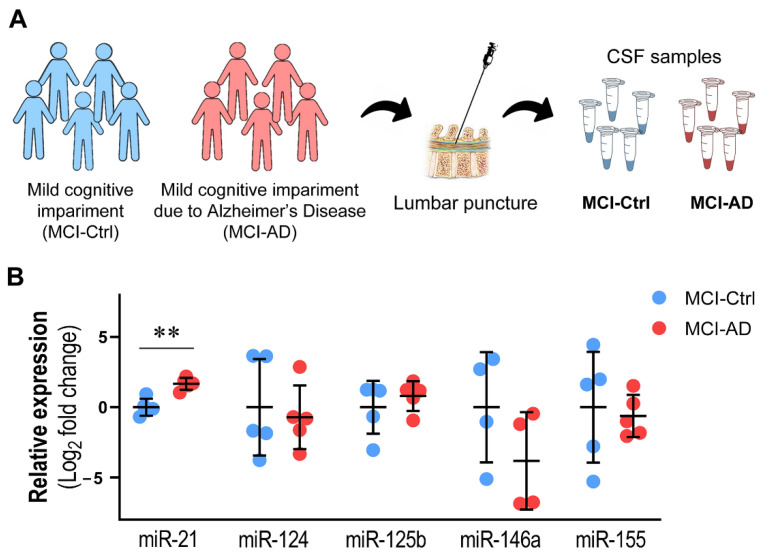
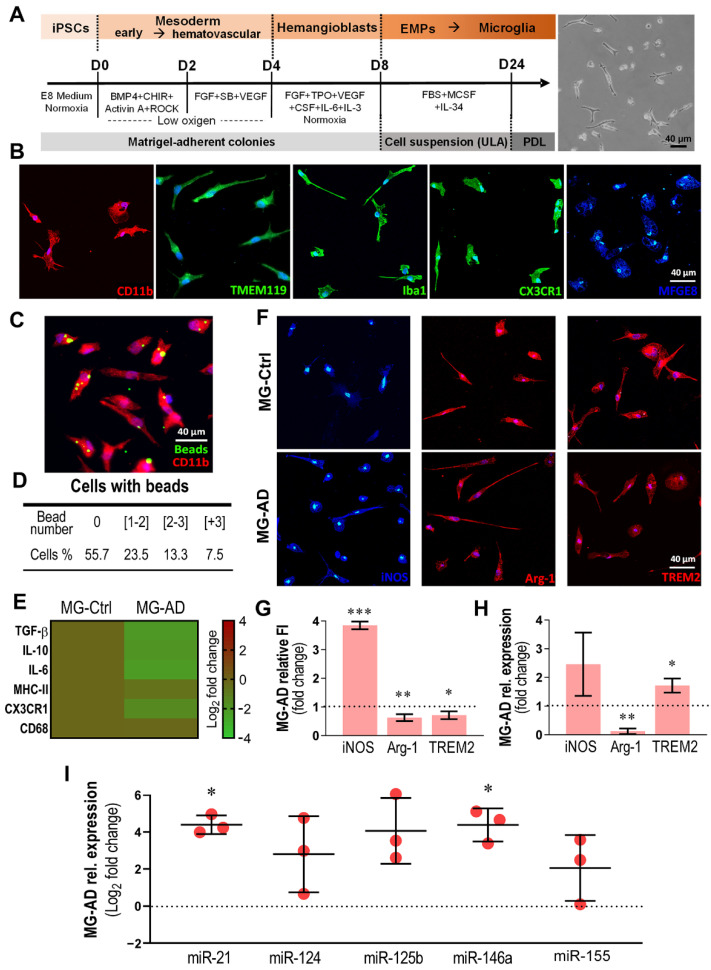
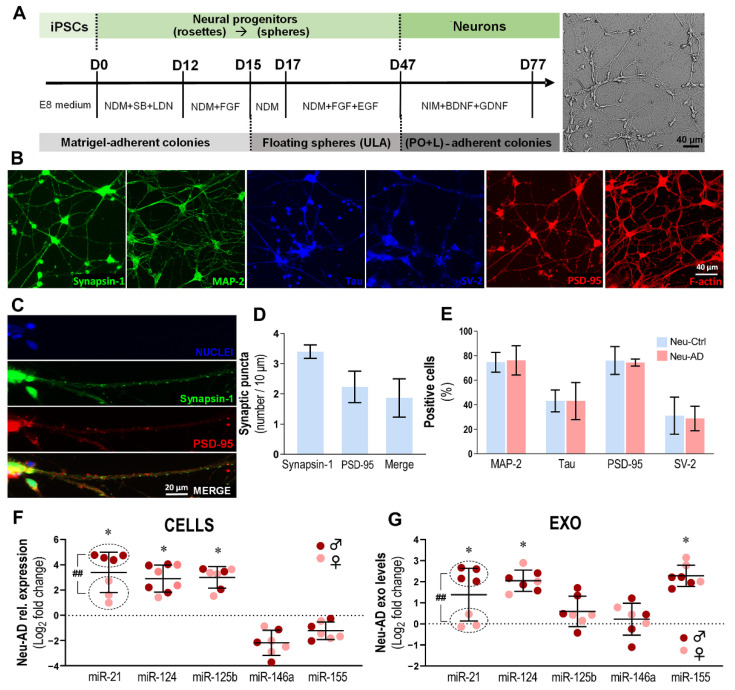
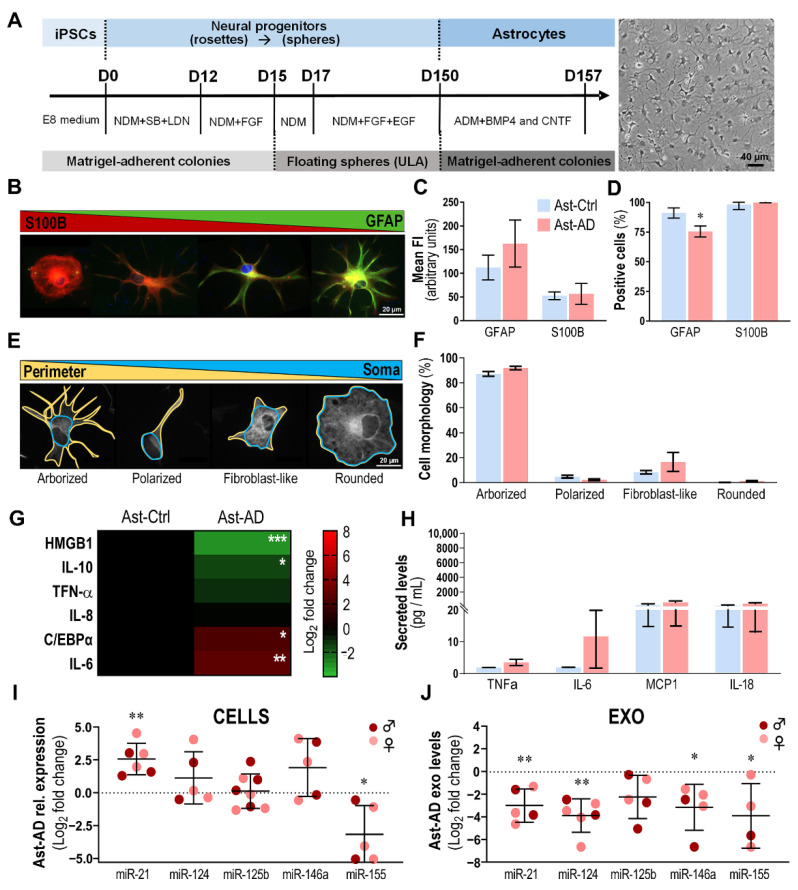
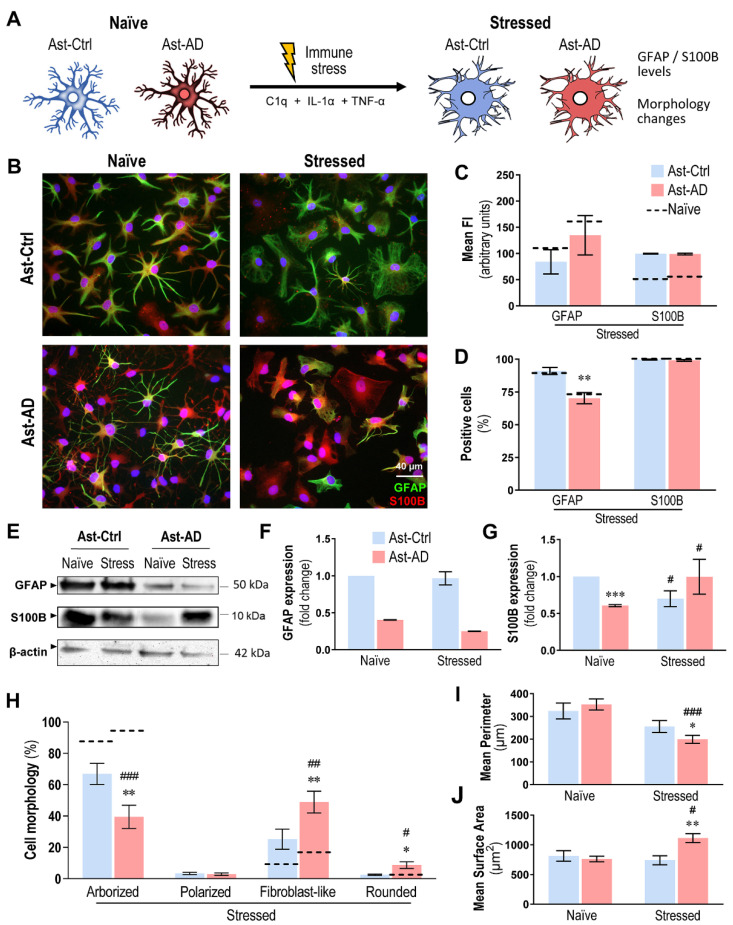
Alzheimer's disease (AD) is a neurodegenerative disorder associated with neuron-glia dysfunction and dysregulated miRNAs. We previously reported upregulated miR-124/miR-21 in AD neurons and their exosomes. However, their glial distribution, phenotypic alterations and exosomal spread are scarcely documented. Here, we show glial cell activation and miR-21 overexpression in mouse organotypic hippocampal slices transplanted with SH-SY5Y cells expressing the human mutation. The upregulation of miR-21 only in the CSF from a small series of mild cognitive impairment (MCI) AD patients, but not in non-AD MCI individuals, supports its discriminatory potential. Microglia, neurons, and astrocytes differentiated from the same induced pluripotent stem cells from AD patients all showed miR-21 elevation. In AD neurons, miR-124/miR-21 overexpression was recapitulated in their exosomes. In AD microglia, the upregulation of iNOS and miR-21/miR-146a supports their activation. AD astrocytes manifested a restrained inflammatory profile, with high miR-21 but low miR-155 and depleted exosomal miRNAs. Their immunostimulation with C1q + IL-1α + TNF-α induced morphological alterations and increased S100B, inflammatory transcripts, sAPPβ, cytokine release and exosomal miR-21. PPARα, a target of miR-21, was found to be repressed in all models, except in neurons, likely due to concomitant miR-125b elevation. The data from these AD models highlight miR-21 as a promising biomarker and a disease-modifying target to be further explored.
阿尔茨海默病(AD)是一种与神经元-胶质细胞功能障碍和微小RNA(miRNA)失调相关的神经退行性疾病。我们之前报道过AD神经元及其外泌体中miR-124/miR-21上调。然而,它们在胶质细胞中的分布、表型改变和外泌体传播情况鲜有记载。在此,我们展示了在移植了表达人类突变的SH-SY5Y细胞的小鼠海马脑片培养物中胶质细胞的激活和miR-21的过表达。仅在一小部分轻度认知障碍(MCI)AD患者的脑脊液中miR-21上调,而非AD的MCI个体中则未上调,这支持了其鉴别潜力。源自AD患者同一诱导多能干细胞分化而来的小胶质细胞、神经元和星形胶质细胞均显示miR-21升高。在AD神经元中,其外泌体中也重现了miR-124/miR-21过表达。在AD小胶质细胞中,诱导型一氧化氮合酶(iNOS)和miR-21/miR-146a的上调支持了它们的激活。AD星形胶质细胞表现出受抑制的炎症特征,miR-21高表达但miR-155低表达且外泌体miRNA减少。用C1q + IL-1α + TNF-α对其进行免疫刺激会诱导形态改变,并增加S100B、炎症转录本、可溶性淀粉样前体蛋白β(sAPPβ)、细胞因子释放和外泌体miR-21。发现miR-21的靶标过氧化物酶体增殖物激活受体α(PPARα)在所有模型中均受到抑制,但神经元除外,这可能是由于miR-125b同时升高所致。这些AD模型的数据突出了miR-21作为一种有前景的生物标志物和有待进一步探索的疾病修饰靶点的地位。