Panico Sonia, Capolla Sara, Bozzer Sara, Toffoli Giuseppe, Dal Bo Michele, Macor Paolo
Department of Life Sciences, University of Trieste, 34127 Trieste, Italy.
Experimental and Clinical Pharmacology Unit, Centro di Riferimento Oncologico di Aviano (CRO), Istituto di Ricovero e Cura a Carattere Scientifico (IRCCS), 33081 Aviano, Italy.
Pharmaceutics. 2022 Nov 26;14(12):2605. doi: 10.3390/pharmaceutics14122605.
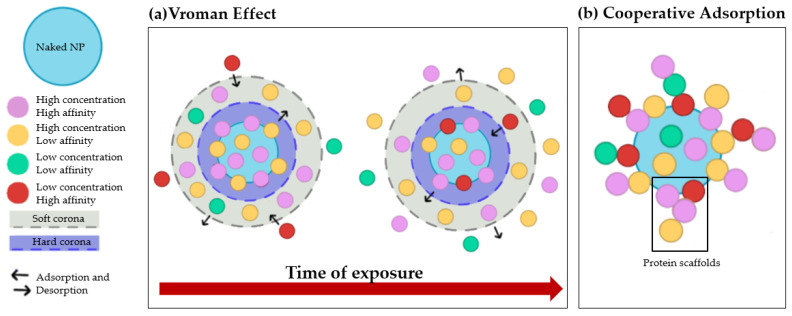
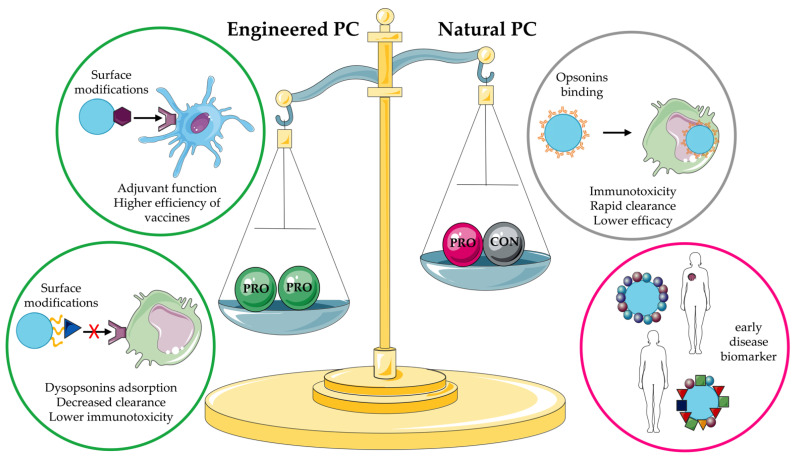
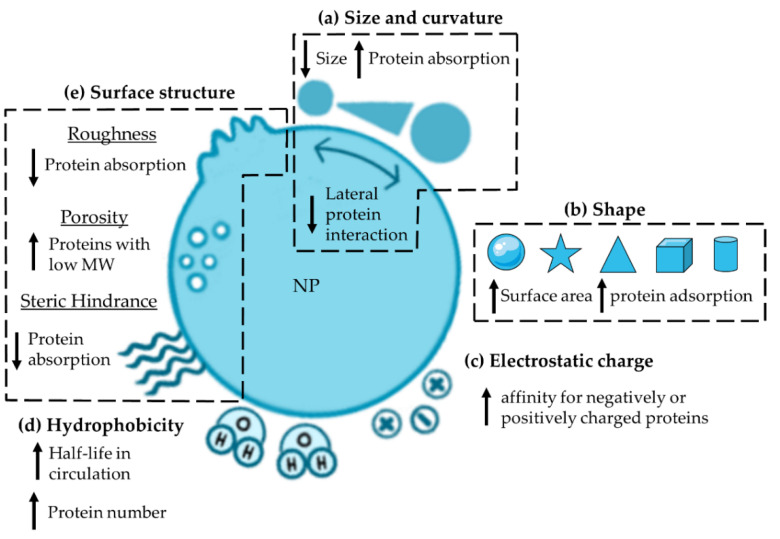
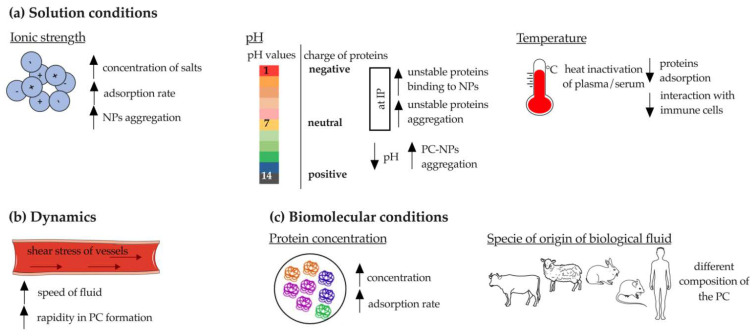
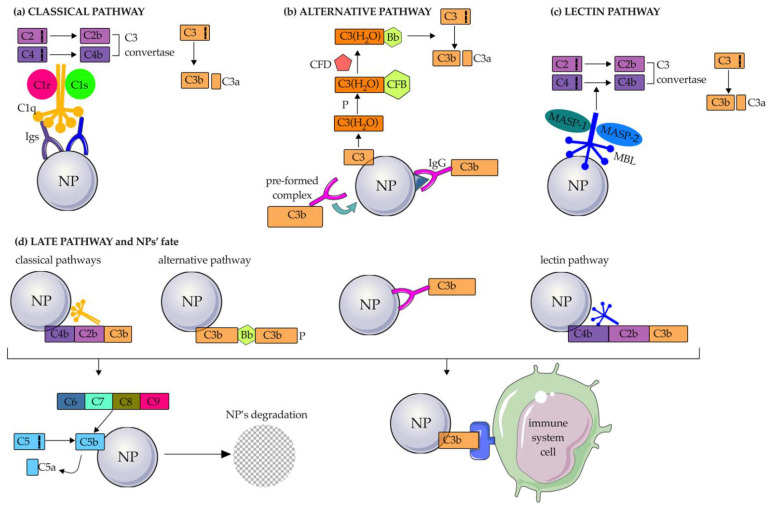
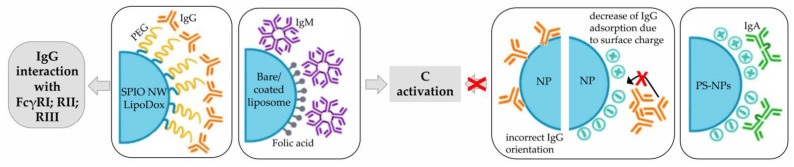
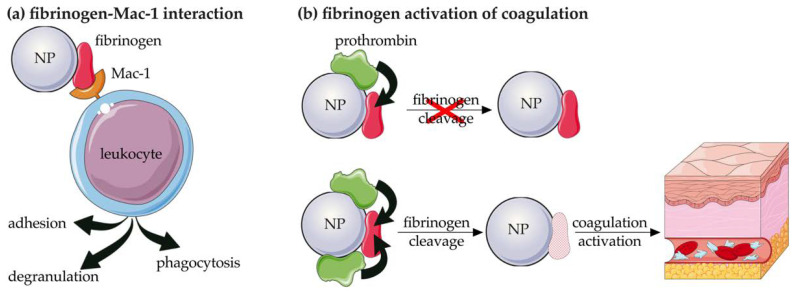
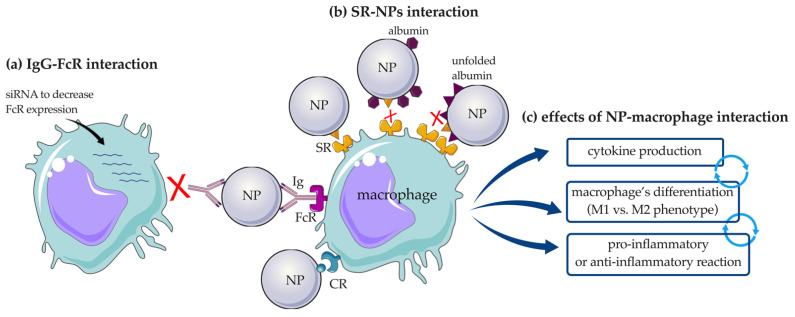
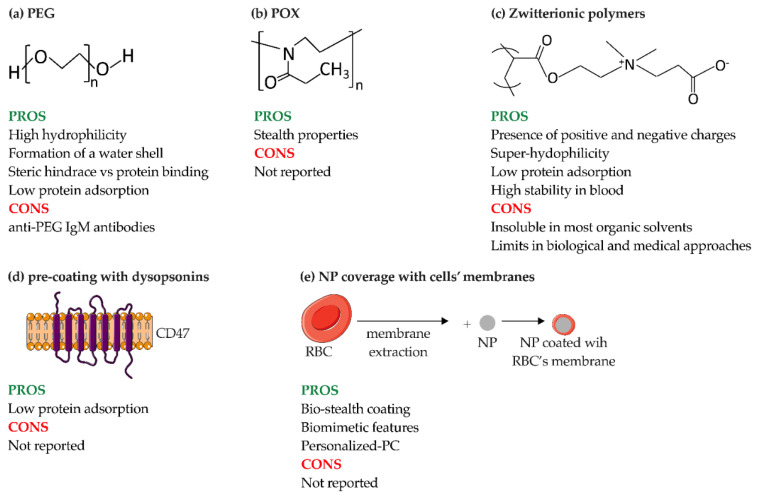
Nanoparticles (NPs) are versatile candidates for nanomedical applications due to their unique physicochemical properties. However, their clinical applicability is hindered by their undesirable recognition by the immune system and the consequent immunotoxicity, as well as their rapid clearance in vivo. After injection, NPs are usually covered with layers of proteins, called protein coronas (PCs), which alter their identity, biodistribution, half-life, and efficacy. Therefore, the characterization of the PC is for in predicting the fate of NPs in vivo. The aim of this review was to summarize the state of the art regarding the intrinsic factors closely related to the NP structure, and extrinsic factors that govern PC formation in vitro. In addition, well-known opsonins, including complement, immunoglobulins, fibrinogen, and dysopsonins, such as histidine-rich glycoprotein, apolipoproteins, and albumin, are described in relation to their role in NP detection by immune cells. Particular emphasis is placed on their role in mediating the interaction of NPs with innate and adaptive immune cells. Finally, strategies to reduce PC formation are discussed in detail.
纳米颗粒(NPs)因其独特的物理化学性质,是纳米医学应用的多功能候选物。然而,它们的临床适用性受到免疫系统对其不良识别以及随之而来的免疫毒性的阻碍,同时还受到其在体内快速清除的影响。注射后,纳米颗粒通常会被称为蛋白质冠(PCs)的蛋白质层覆盖,这会改变它们的特性、生物分布、半衰期和功效。因此,蛋白质冠的表征对于预测纳米颗粒在体内的命运至关重要。本综述的目的是总结与纳米颗粒结构密切相关的内在因素以及体外控制蛋白质冠形成的外在因素的研究现状。此外,还描述了包括补体、免疫球蛋白、纤维蛋白原等著名的调理素,以及富含组氨酸的糖蛋白、载脂蛋白和白蛋白等失调理素在免疫细胞检测纳米颗粒中的作用。特别强调了它们在介导纳米颗粒与先天性和适应性免疫细胞相互作用中的作用。最后,详细讨论了减少蛋白质冠形成的策略。