Health Effects Laboratory Division, National Institute for Occupational Safety and Health, Morgantown, WV 26505, USA.
Int J Mol Sci. 2023 Jan 23;24(3):2272. doi: 10.3390/ijms24032272.
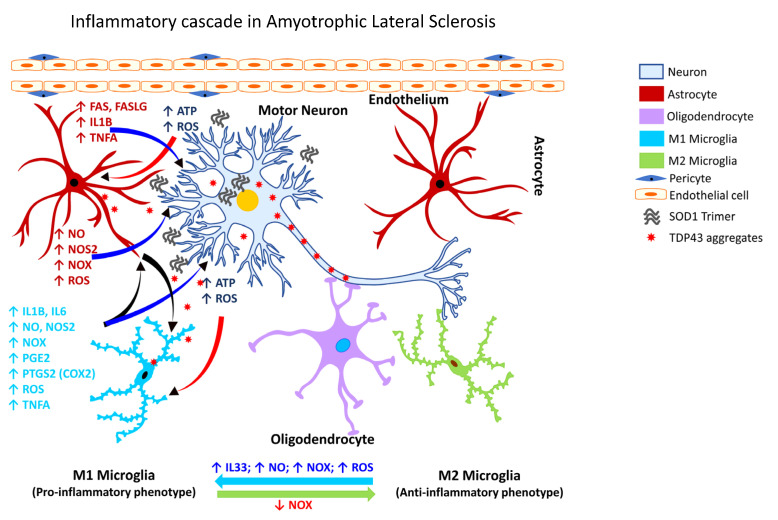
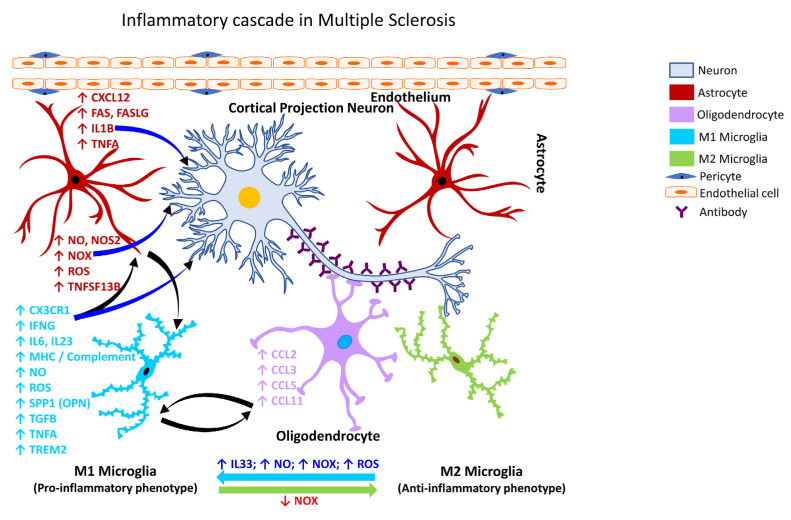
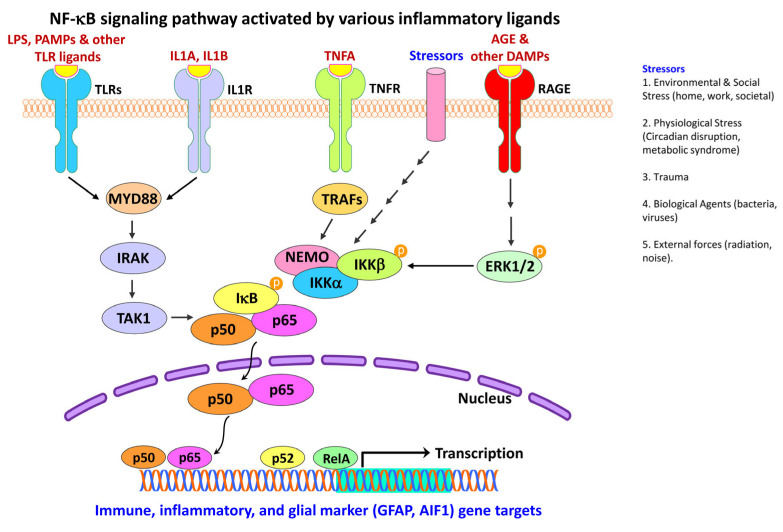
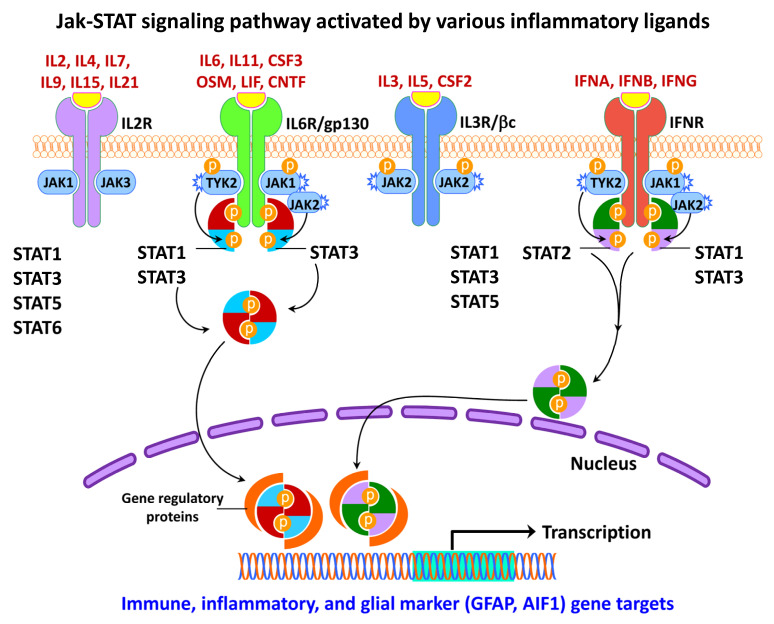
Occupational injuries and toxicant exposures lead to the development of neuroinflammation by activating distinct mechanistic signaling cascades that ultimately culminate in the disruption of neuronal function leading to neurological and neurodegenerative disorders. The entry of toxicants into the brain causes the subsequent activation of glial cells, a response known as 'reactive gliosis'. Reactive glial cells secrete a wide variety of signaling molecules in response to neuronal perturbations and thus play a crucial role in the progression and regulation of central nervous system (CNS) injury. In parallel, the roles of protein phosphorylation and cell signaling in eliciting neuroinflammation are evolving. However, there is limited understanding of the molecular underpinnings associated with toxicant- or occupational injury-mediated neuroinflammation, gliosis, and neurological outcomes. The activation of signaling molecules has biological significance, including the promotion or inhibition of disease mechanisms. Nevertheless, the regulatory mechanisms of synergism or antagonism among intracellular signaling pathways remain elusive. This review highlights the research focusing on the direct interaction between the immune system and the toxicant- or occupational injury-induced gliosis. Specifically, the role of occupational injuries, e.g., trips, slips, and falls resulting in traumatic brain injury, and occupational toxicants, e.g., volatile organic compounds, metals, and nanoparticles/nanomaterials in the development of neuroinflammation and neurological or neurodegenerative diseases are highlighted. Further, this review recapitulates the recent advancement related to the characterization of the molecular mechanisms comprising protein phosphorylation and cell signaling, culminating in neuroinflammation.
职业性损伤和毒物暴露通过激活不同的机制信号级联导致神经炎症的发生,最终导致神经元功能障碍,从而导致神经和神经退行性疾病。毒物进入大脑会导致随后的神经胶质细胞激活,这一反应被称为“反应性神经胶质增生”。反应性神经胶质细胞会针对神经元的扰动分泌各种信号分子,因此在中枢神经系统(CNS)损伤的进展和调节中发挥着关键作用。与此同时,蛋白质磷酸化和细胞信号在引发神经炎症中的作用也在不断发展。然而,对于与毒物或职业性损伤介导的神经炎症、神经胶质增生和神经学结局相关的分子基础,我们的了解仍然有限。信号分子的激活具有生物学意义,包括促进或抑制疾病机制。然而,细胞内信号通路之间协同或拮抗的调节机制仍不清楚。本综述强调了聚焦于免疫系统与毒物或职业性损伤诱导的神经胶质增生之间直接相互作用的研究。具体来说,突出了职业性损伤(例如,导致外伤性脑损伤的绊倒、滑倒和跌倒)和职业性毒物(例如,挥发性有机化合物、金属和纳米颗粒/纳米材料)在神经炎症和神经或神经退行性疾病发展中的作用。此外,本综述还总结了与蛋白质磷酸化和细胞信号相关的分子机制的最新进展,这些分子机制最终导致了神经炎症。