Microbial Ecology Laboratory, Department of Microbial Biochemistry and Genomic, Biological Research Institute "Clemente Estable", Avenida Italia 3318, CP: 11600, Montevideo, Uruguay.
Instituto de Investigaciones en Ingeniería Genética Y Biología Molecular "Dr Héctor N. Torres" (INGEBI-CONICET), Buenos Aires, Argentina.
BMC Microbiol. 2023 Feb 21;23(1):45. doi: 10.1186/s12866-023-02765-5.
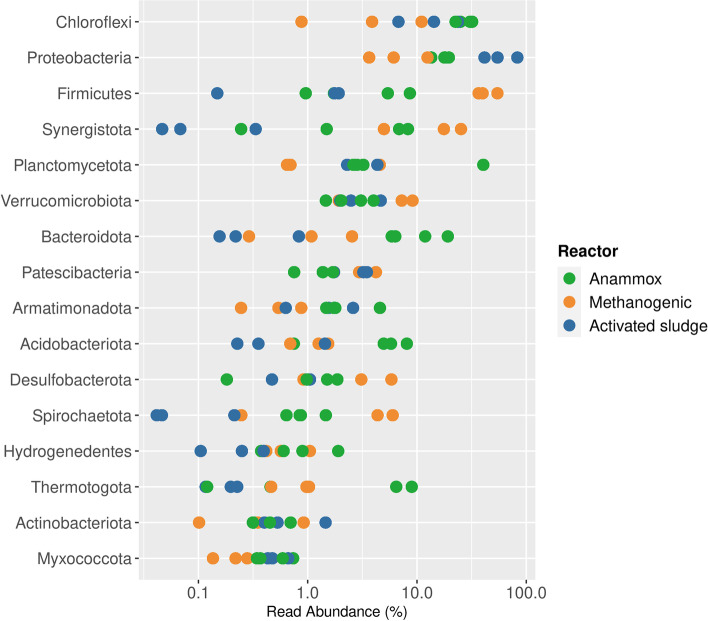
The phylum Chloroflexi is highly abundant in a wide variety of wastewater treatment bioreactors. It has been suggested that they play relevant roles in these ecosystems, particularly in degrading carbon compounds and on structuring flocs or granules. Nevertheless, their function is not yet well understood as most species have not been isolated in axenic cultures. Here we used a metagenomic approach to investigate Chloroflexi diversity and their metabolic potential in three environmentally different bioreactors: a methanogenic full-scale reactor, a full-scale activated sludge reactor and a lab scale anammox reactor.
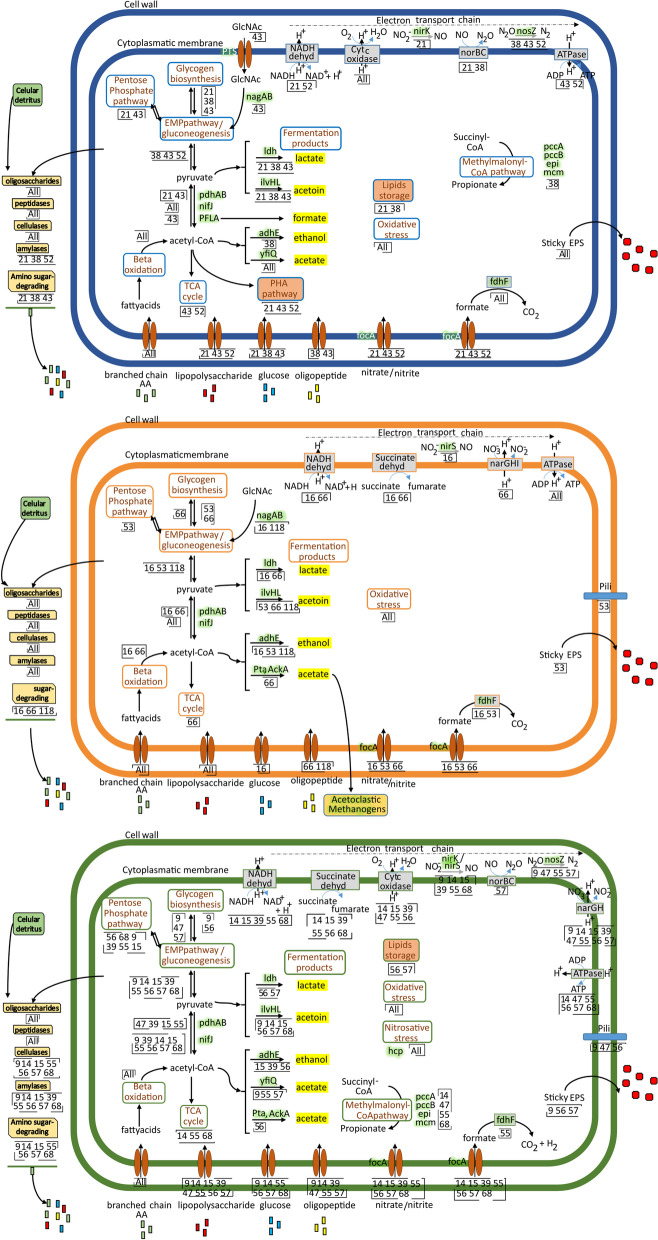
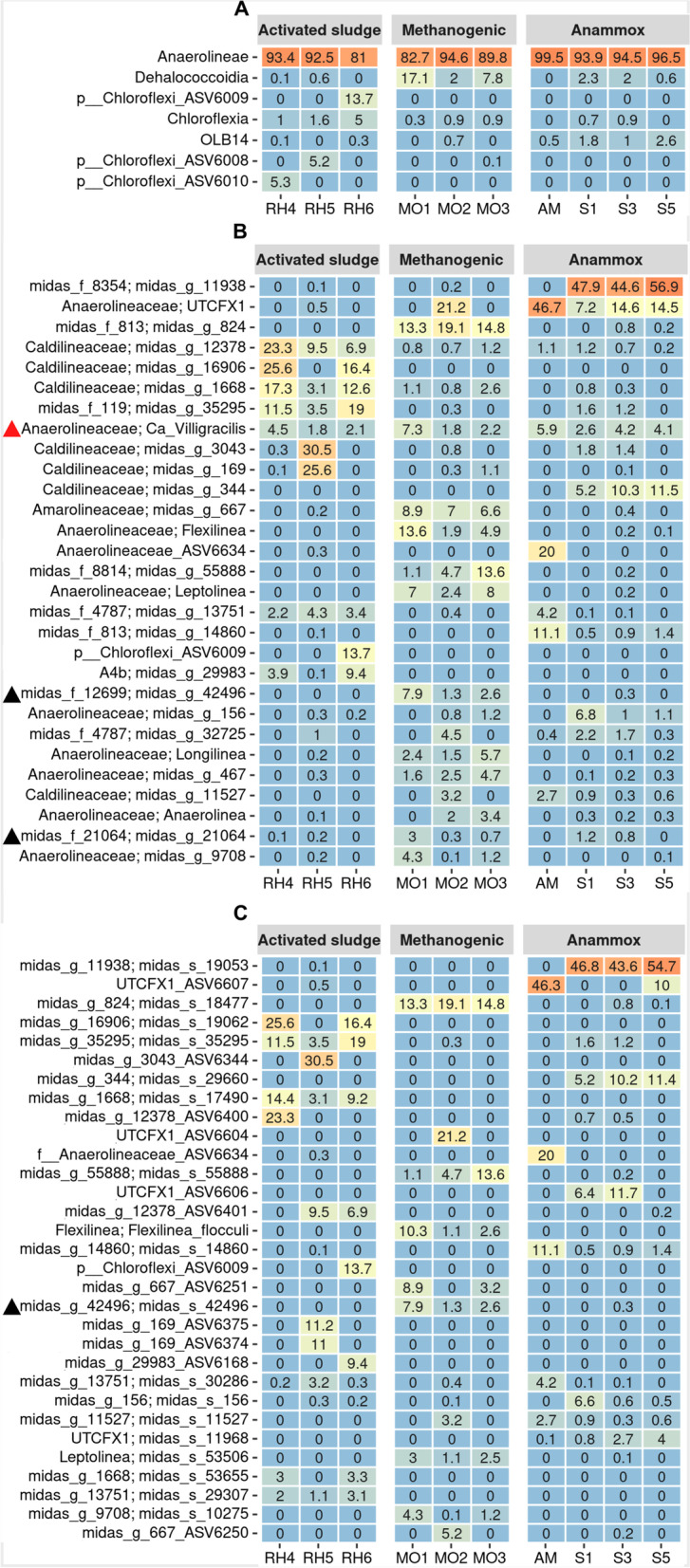
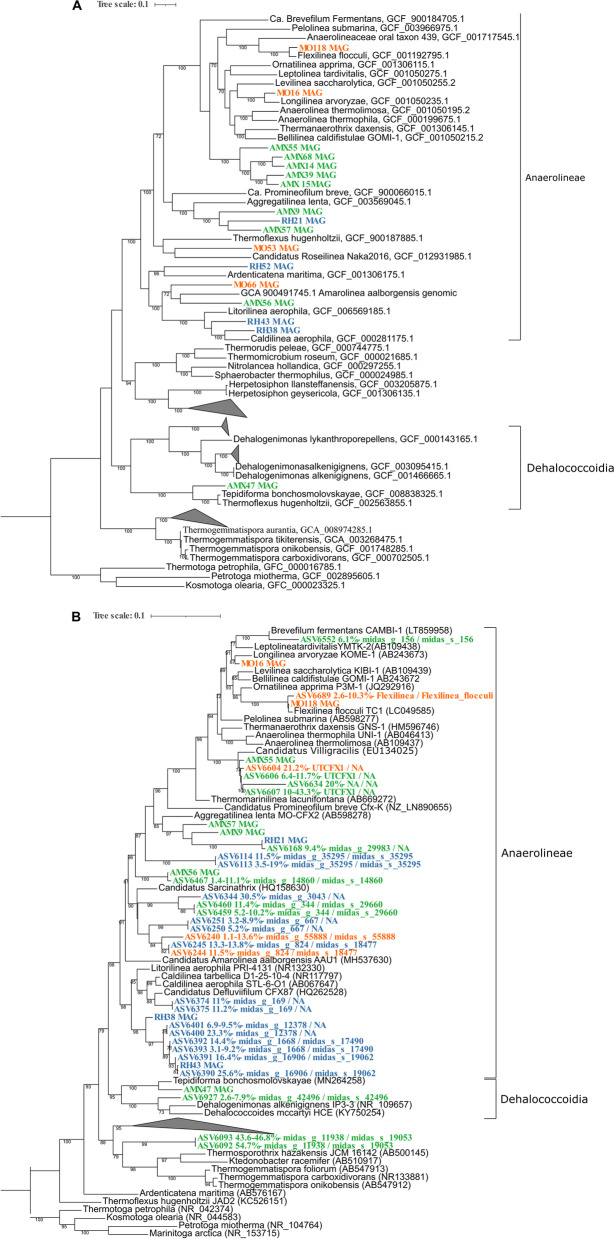
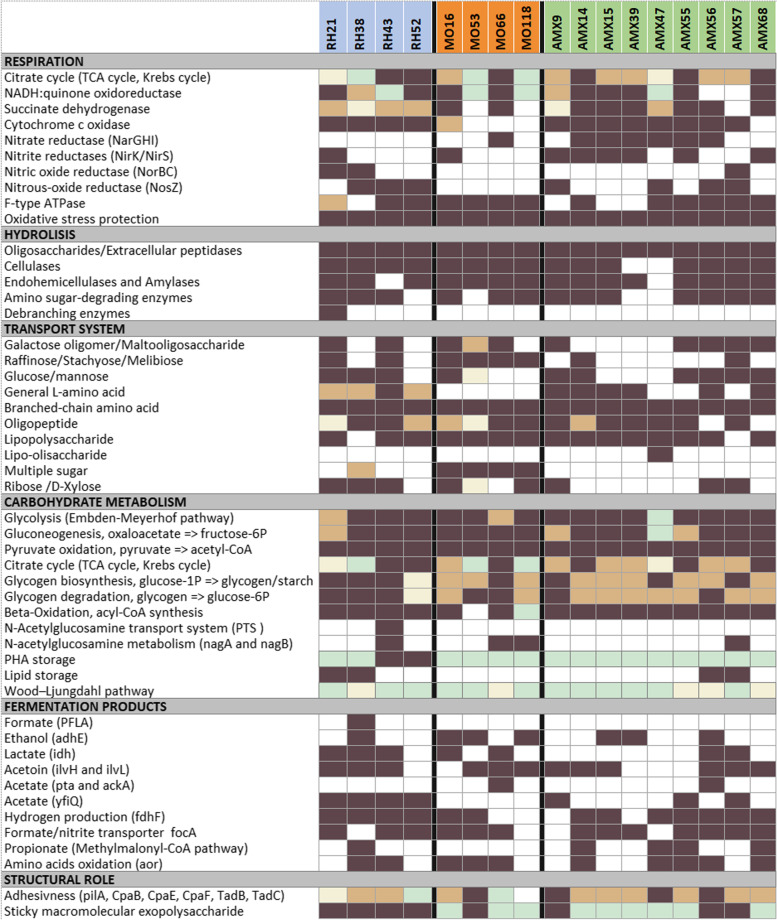
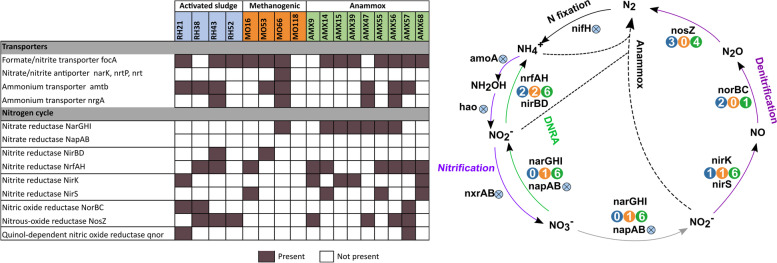
Differential coverage binning approach was used to assemble the genomes of 17 new Chloroflexi species, two of which are proposed as new Candidatus genus. In addition, we recovered the first representative genome belonging to the genus 'Ca. Villigracilis'. Even though samples analyzed were collected from bioreactors operating under different environmental conditions, the assembled genomes share several metabolic features: anaerobic metabolism, fermentative pathways and several genes coding for hydrolytic enzymes. Interestingly, genome analysis from the anammox reactor indicated a putative role of Chloroflexi in nitrogen conversion. Genes related to adhesiveness and exopolysaccharides production were also detected. Complementing sequencing analysis, filamentous morphology was detected by Fluorescent in situ hybridization.
Our results suggest that Chloroflexi participate in organic matter degradation, nitrogen removal and biofilm aggregation, playing different roles according to the environmental conditions.
绿弯菌门在各种废水处理生物反应器中高度丰富。有人认为它们在这些生态系统中发挥着相关作用,特别是在降解碳化合物和构建絮体或颗粒方面。然而,由于大多数物种尚未在无菌培养中分离出来,因此它们的功能尚未得到很好的理解。在这里,我们使用宏基因组学方法研究了三个环境不同的生物反应器中的绿弯菌门多样性及其代谢潜力:一个产甲烷的全规模反应器、一个全规模活性污泥反应器和一个实验室规模的厌氧氨氧化反应器。
使用差异覆盖分箱方法组装了 17 种新的绿弯菌门物种的基因组,其中两种被提议为新的候选属。此外,我们还恢复了属于“Ca. Villigracilis”属的第一个代表基因组。尽管分析的样本是从在不同环境条件下运行的生物反应器中收集的,但组装的基因组具有几种代谢特征:厌氧代谢、发酵途径和几种编码水解酶的基因。有趣的是,来自厌氧氨氧化反应器的基因组分析表明绿弯菌门可能在氮转化中起作用。还检测到与粘附性和胞外多糖产生相关的基因。补充测序分析,通过荧光原位杂交检测到丝状形态。
我们的结果表明,绿弯菌门参与有机物降解、氮去除和生物膜聚集,根据环境条件发挥不同的作用。