Bauer Kornelia, Nayem Shahran, Lehmann Martin, Wenig Marion, Shu Lin-Jie, Ranf Stefanie, Geigenberger Peter, Vlot A Corina
Department of Environmental Science, Institute of Biochemical Plant Pathology, Helmholtz Munich, Neuherberg, Germany.
Faculty of Biology, Ludwig-Maximilians University of Munich, Munich, Germany.
Front Plant Sci. 2023 Feb 2;13:1096800. doi: 10.3389/fpls.2022.1096800. eCollection 2022.
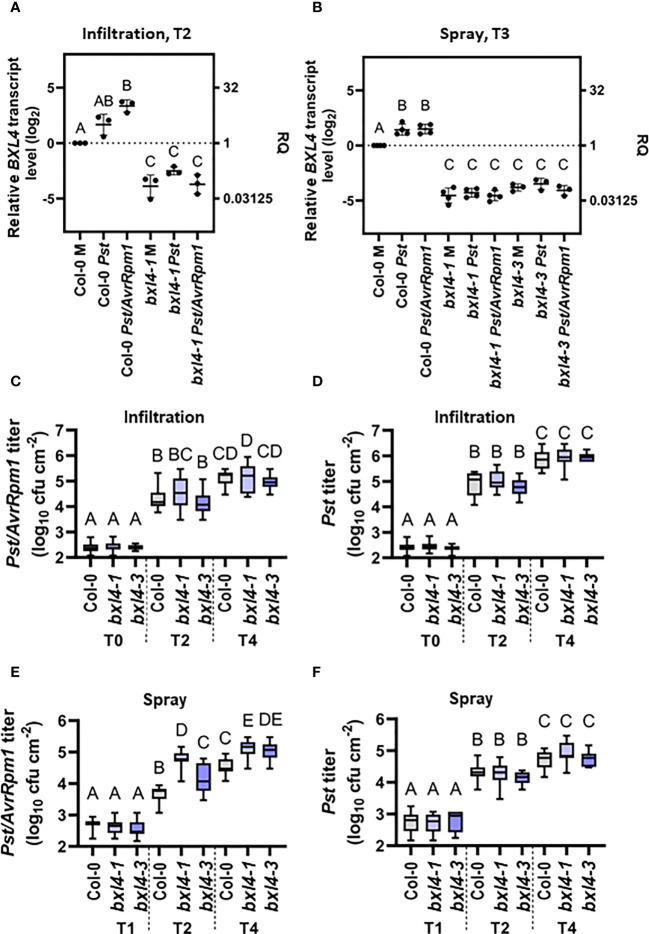
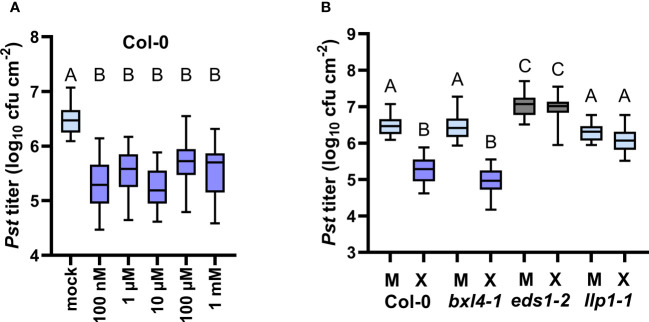
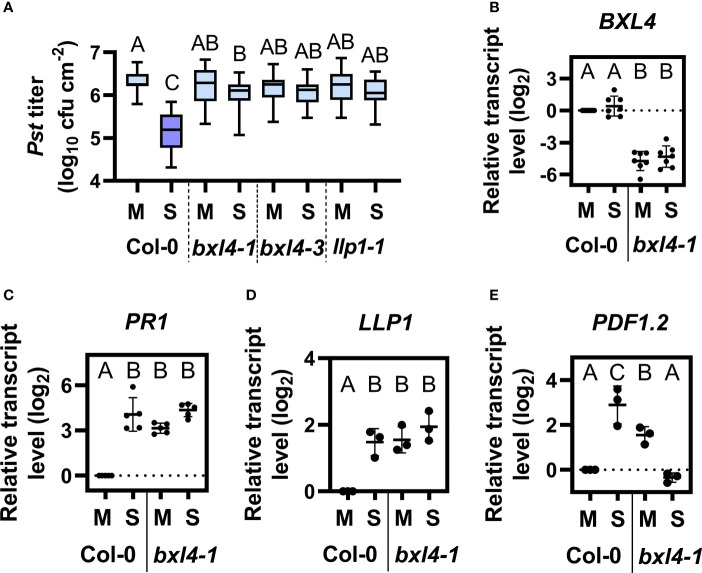
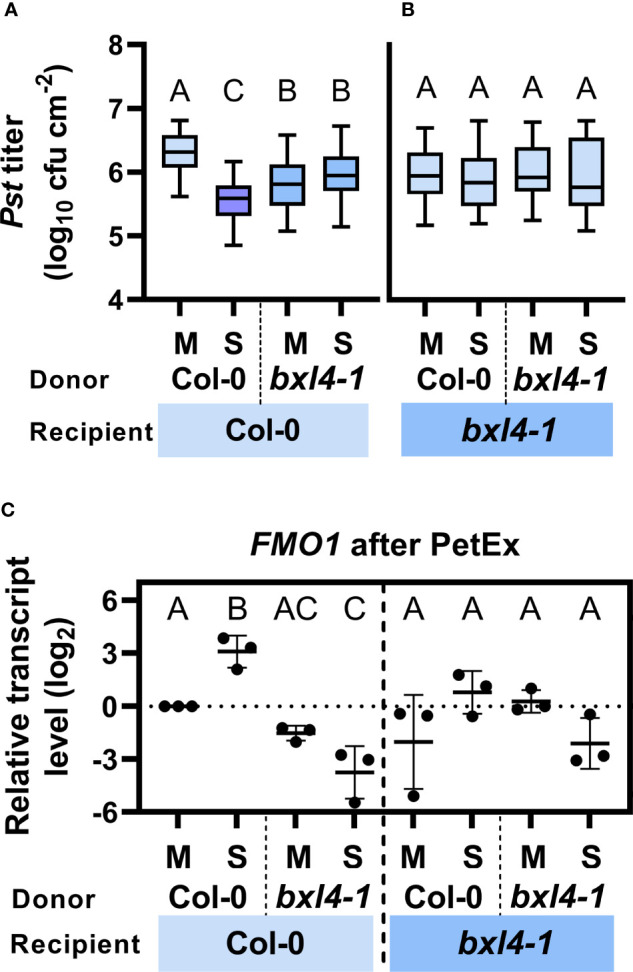
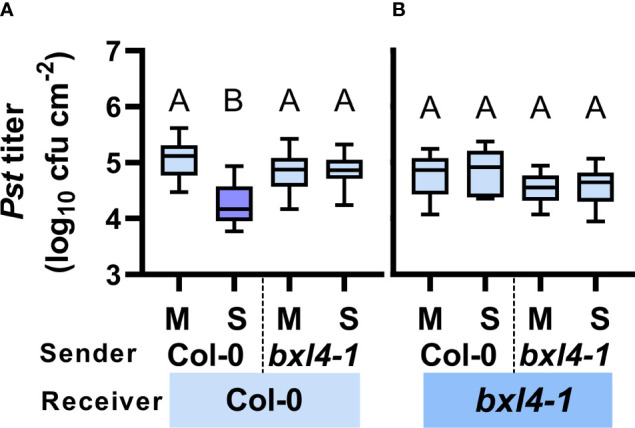
Pectin- and hemicellulose-associated structures of plant cell walls participate in defense responses against pathogens of different parasitic lifestyles. The resulting immune responses incorporate phytohormone signaling components associated with salicylic acid (SA) and jasmonic acid (JA). SA plays a pivotal role in systemic acquired resistance (SAR), a form of induced resistance that - after a local immune stimulus - confers long-lasting, systemic protection against a broad range of biotrophic invaders. β-D-XYLOSIDASE 4 (BXL4) protein accumulation is enhanced in the apoplast of plants undergoing SAR. Here, two independent mutants of displayed compromised systemic defenses, while local resistance responses to remained largely intact. Because both phloem-mediated and airborne systemic signaling were abrogated in the mutants, the data suggest that BXL4 is a central component in SAR signaling mechanisms. Exogenous xylose, a possible product of BXL4 enzymatic activity in plant cell walls, enhanced systemic defenses. However, GC-MS analysis of SAR-activated plants revealed BXL4-associated changes in the accumulation of certain amino acids and soluble sugars, but not xylose. In contrast, the data suggest a possible role of pectin-associated fucose as well as of the polyamine putrescine as regulatory components of SAR. This is the first evidence of a central role of cell wall metabolic changes in systemic immunity. Additionally, the data reveal a so far unrecognized complexity in the regulation of SAR, which might allow the design of (crop) plant protection measures including SAR-associated cell wall components.
植物细胞壁中与果胶和半纤维素相关的结构参与了对不同寄生生活方式病原体的防御反应。由此产生的免疫反应包含了与水杨酸(SA)和茉莉酸(JA)相关的植物激素信号成分。SA在系统获得性抗性(SAR)中起关键作用,这是一种诱导抗性形式,在局部免疫刺激后,能对多种活体营养型入侵者提供持久的系统保护。在经历SAR的植物质外体中,β-D-木糖苷酶4(BXL4)蛋白积累增加。在这里,两个独立的突变体表现出系统防御受损,而对[病原体名称未给出]的局部抗性反应基本保持完整。由于韧皮部介导的和空气传播的系统信号在突变体中都被消除,数据表明BXL4是SAR信号机制的核心成分。外源木糖是BXL4在植物细胞壁中酶促活性的可能产物,增强了系统防御。然而,对经历SAR激活的植物进行气相色谱-质谱分析发现,某些氨基酸和可溶性糖的积累与BXL4有关,但与木糖无关。相反,数据表明果胶相关的岩藻糖以及多胺腐胺可能作为SAR的调节成分。这是细胞壁代谢变化在系统免疫中起核心作用的首个证据。此外,数据揭示了SAR调控中迄今未被认识到的复杂性,这可能有助于设计包括与SAR相关的细胞壁成分在内的(作物)植物保护措施。