Department of Orthopedics and Physiotherapy, Faculty of Health Sciences, Jagiellonian University Medical College, 30-688 Krakow, Poland.
Department of Medical Biology and Biochemistry, Ludwik Rydygier Collegium Medicum in Bydgoszcz, Nicolaus Copernicus University in Torun, 85-092 Bydgoszcz, Poland.
Int J Mol Sci. 2023 Mar 14;24(6):5559. doi: 10.3390/ijms24065559.
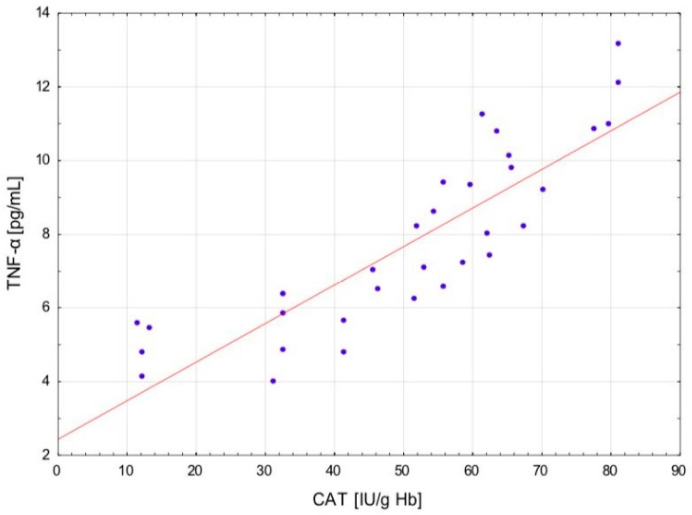
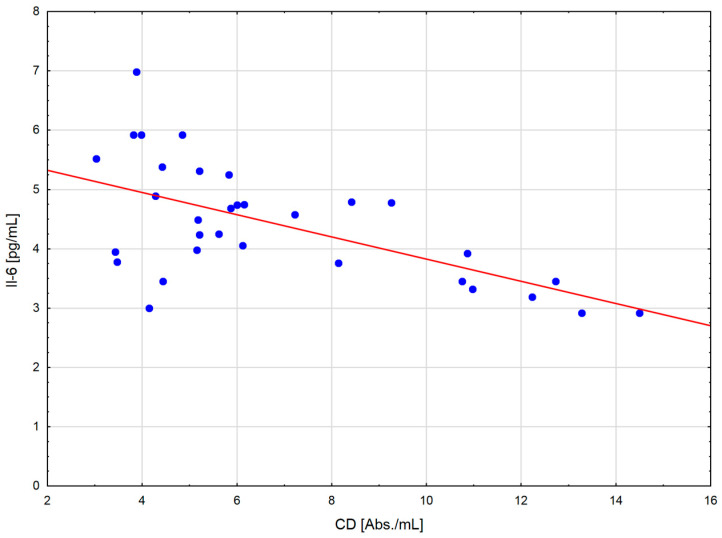
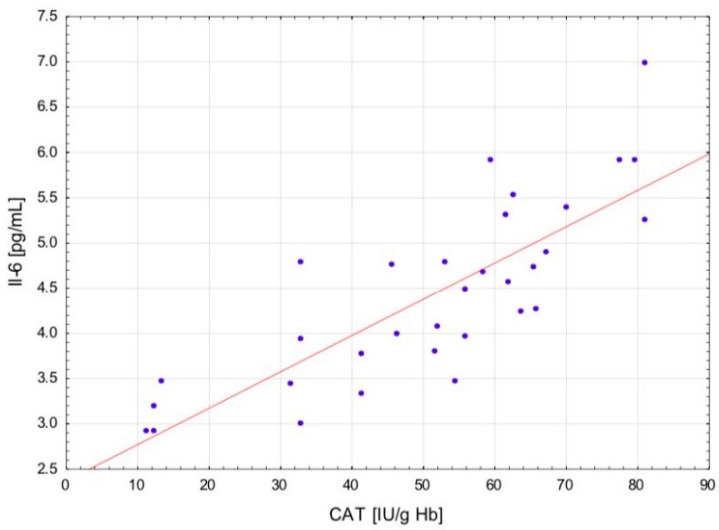
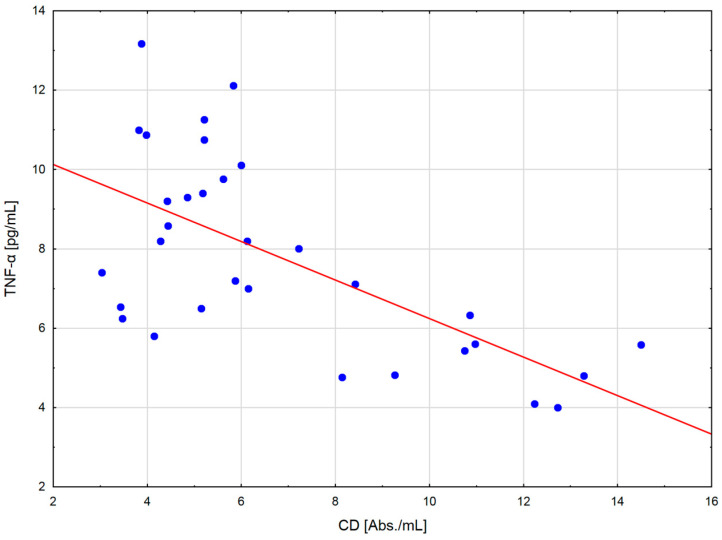
The purpose of the study was to assess the impact of single whole-body cryostimulation (WBC) preceding submaximal exercise on oxidative stress and inflammatory biomarkers in professional, male athletes. The subjects ( = 32, age 25.2 ± 37) were exposed to low temperatures (-130 °C) in a cryochamber and then participated in 40 min of exercise (85% HRmax). Two weeks afterwards, the control exercise (without WBC) was performed. Blood samples were taken before the start of the study, immediately after the WBC procedure, after exercise preceded by WBC (WBC exercise) and after exercise without WBC. It has been shown that catalase activity after WBC exercise is lower in comparison with activity after control exercise. The interleukin 1β (IL-1-1β) level was higher after control exercise than after WBC exercise, after the WBC procedure and before the start of the study ( < 0.01). The WBC procedure interleukin 6 (IL-6) level was compared with the baseline level ( < 0.01). The level of Il-6 was higher both after WBC exercise and after control exercise compared with the level recorded after the WBC procedure ( < 0.05). Several significant correlations between the studied parameters were shown. In conclusion, the changes in the cytokine concentration in the athletes' blood confirm that body exposition to extremely low temperatures before exercise could regulate the inflammatory reaction course and secretion of cytokines during exercise. A single session of WBC in the case of well-trained, male athletes does not significantly affect the level of oxidative stress indicators.
这项研究的目的是评估在亚最大运动前单次全身冷冻刺激(WBC)对专业男性运动员的氧化应激和炎症生物标志物的影响。研究对象(n=32,年龄 25.2±37 岁)在 cryochamber 中暴露于低温(-130°C),然后进行 40 分钟的运动(85%HRmax)。两周后,进行了对照运动(无 WBC)。在研究开始前、WBC 程序后、WBC 运动后和无 WBC 运动后采集血样。结果表明,与对照运动后相比,WBC 运动后过氧化氢酶活性较低。与 WBC 运动后相比,IL-1β(IL-1β)水平在对照运动后更高,在 WBC 程序后和研究开始前更高(<0.01)。与基线水平相比,WBC 程序中白细胞介素 6(IL-6)水平较低(<0.01)。与 WBC 程序后相比,WBC 运动后和对照运动后 Il-6 水平均较高(<0.05)。研究参数之间显示出几个显著的相关性。总之,运动员血液中细胞因子浓度的变化证实,运动前暴露于极低温度可调节运动过程中的炎症反应过程和细胞因子的分泌。对于训练有素的男性运动员来说,单次 WBC 不会显著影响氧化应激指标的水平。