Centre for Research in Biotechnology for Agriculture (CEBAR), Universiti Malaya, Kuala Lumpur 50603, Malaysia.
Peptide Laboratory, Drug Design & Development Research Group (DDDRG), Department of Chemistry, Faculty of Science, Universiti Malaya, Kuala Lumpur 50603, Malaysia.
Molecules. 2023 Mar 16;28(6):2700. doi: 10.3390/molecules28062700.
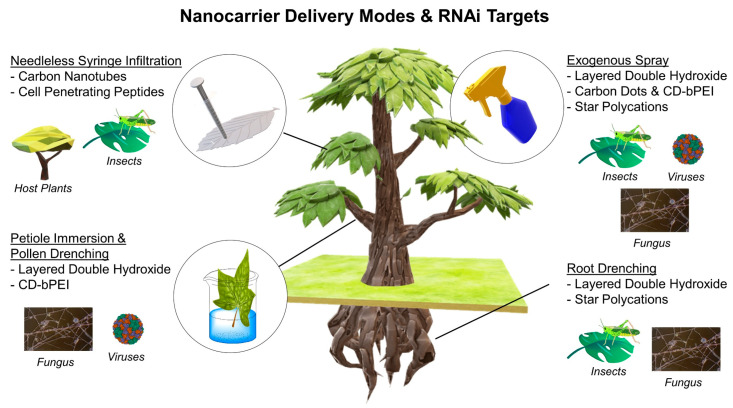
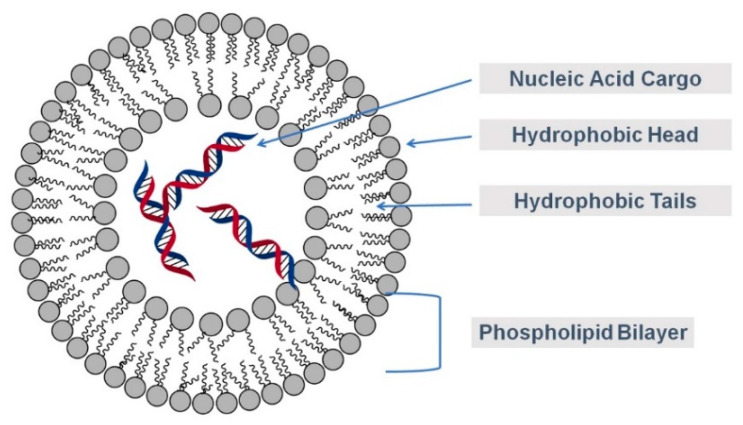
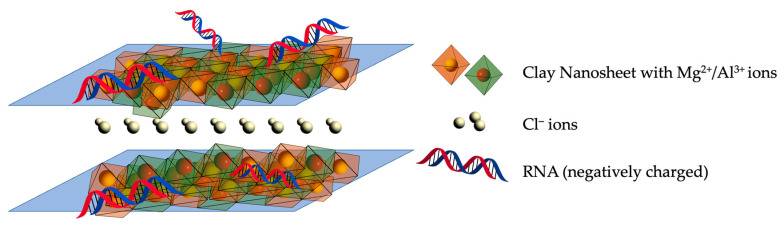
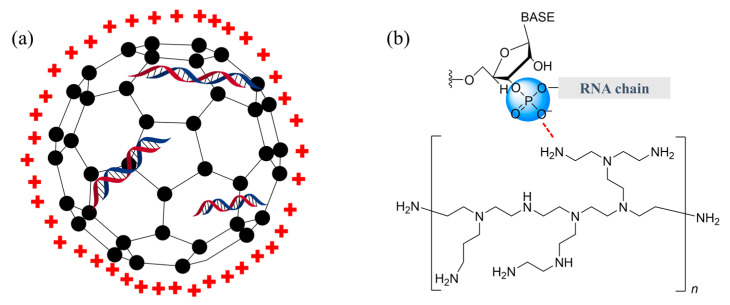
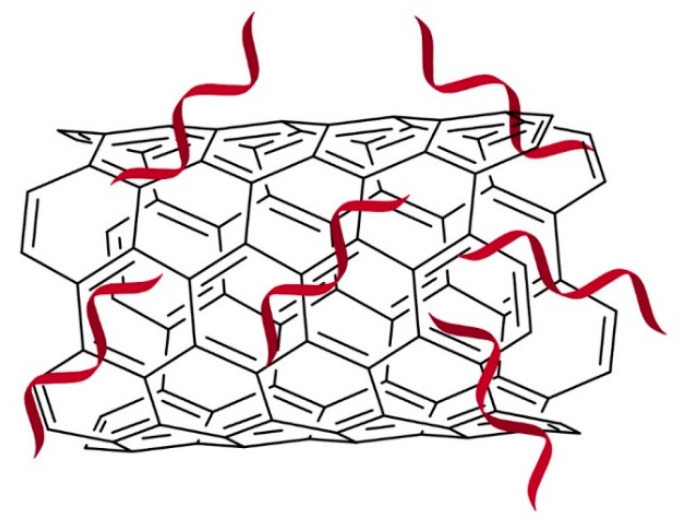
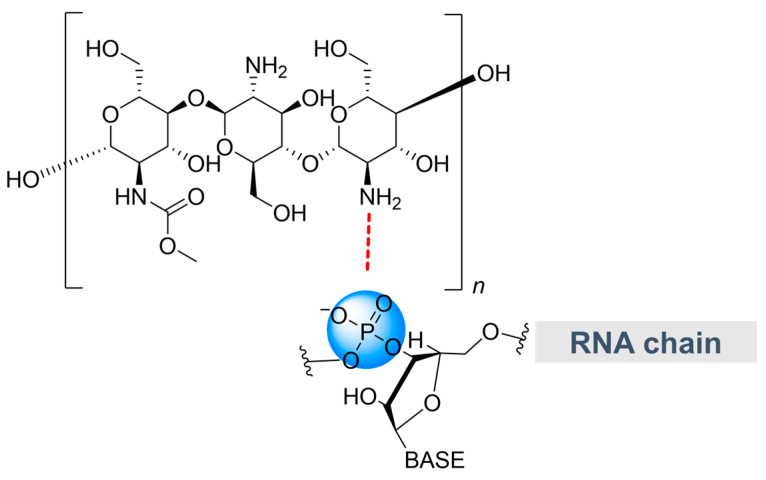
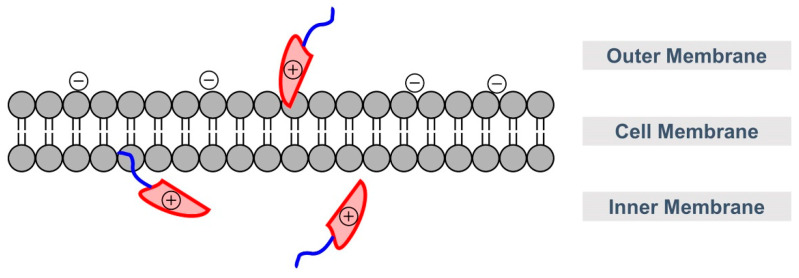
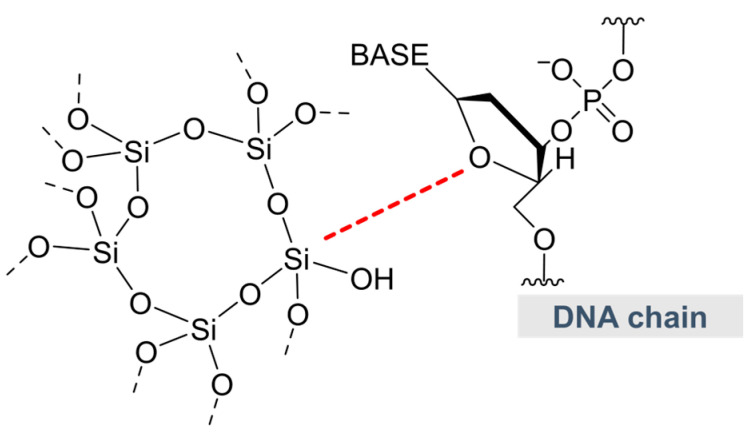
To fulfil the growing needs of the global population, sustainability in food production must be ensured. Insect pests and pathogens are primarily responsible for one-third of food losses and harmful synthetic pesticides have been applied to protect crops from these pests and other pathogens such as viruses and fungi. An alternative pathogen control mechanism that is more "friendly" to the environment can be developed by externally applying double-stranded RNAs (dsRNAs) to suppress gene expression. However, the use of dsRNA sprays in open fields is complicated with respect to variable efficiencies in the dsRNA delivery, and the stability of the dsRNA on and in the plants, and because the mechanisms of gene silencing may differ between plants and between different pathogen targets. Thus, nanocarrier delivery systems have been especially used with the goal of improving the efficacy of dsRNAs. Here, we highlight recent developments in nanoparticle-mediated nanocarriers to deliver dsRNA, including layered double hydroxide, carbon dots, carbon nanotubes, gold nanoparticles, chitosan nanoparticles, silica nanoparticles, liposomes, and cell-penetrating peptides, by review of the literature and patent landscape. The effects of nanoparticle size and surface modification on the dsRNA uptake efficiency in plants are also discussed. Finally, we emphasize the overall limitation of dsRNA sprays, the risks associated, and the potential safety concerns for spraying dsRNAs on crops.
为了满足全球人口不断增长的需求,必须确保粮食生产的可持续性。昆虫和病原体是造成三分之一粮食损失的主要原因,有害的合成农药已被用于保护作物免受这些害虫和其他病原体(如病毒和真菌)的侵害。通过向外部应用双链 RNA(dsRNA)来抑制基因表达,可以开发出一种对环境更“友好”的替代病原体控制机制。然而,由于 dsRNA 在植物上和植物内的递送效率存在差异,以及基因沉默的机制可能因植物和不同的病原体靶标而异,因此在开阔田地中使用 dsRNA 喷雾变得复杂。因此,纳米载体递送系统特别用于提高 dsRNA 的功效。在这里,我们通过文献综述和专利全景图,重点介绍了用于递送 dsRNA 的纳米颗粒介导的纳米载体的最新进展,包括层状双氢氧化物、碳点、碳纳米管、金纳米颗粒、壳聚糖纳米颗粒、二氧化硅纳米颗粒、脂质体和细胞穿透肽。还讨论了纳米颗粒大小和表面修饰对植物中 dsRNA 摄取效率的影响。最后,我们强调了 dsRNA 喷雾的总体局限性、相关风险以及向作物喷洒 dsRNA 的潜在安全问题。