Meng Xin, Guo Mingxue, Gao Ziyou, Kang Liujiang
School of Traffic and Transportation, Beijing Jiaotong University, Beijing, 100044, China.
Transp Policy (Oxf). 2023 Jun;136:209-227. doi: 10.1016/j.tranpol.2023.04.002. Epub 2023 Apr 11.
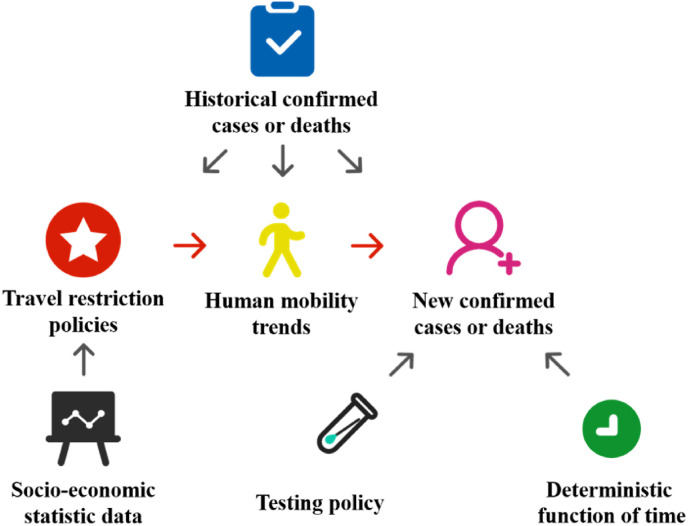
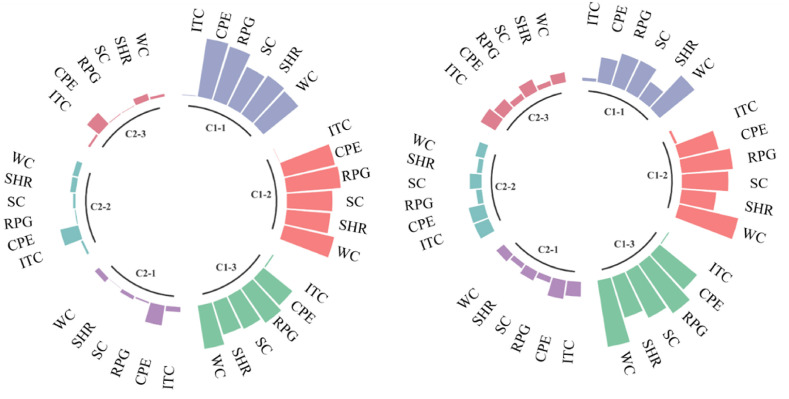
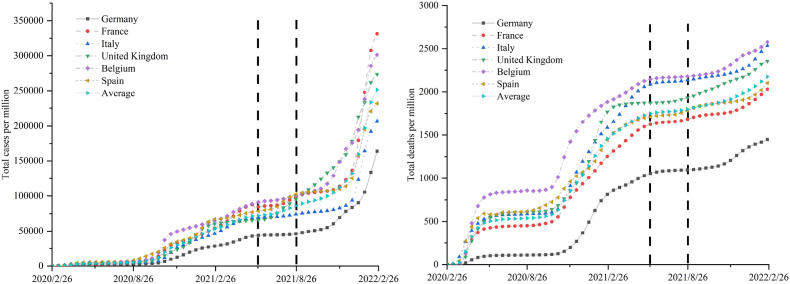
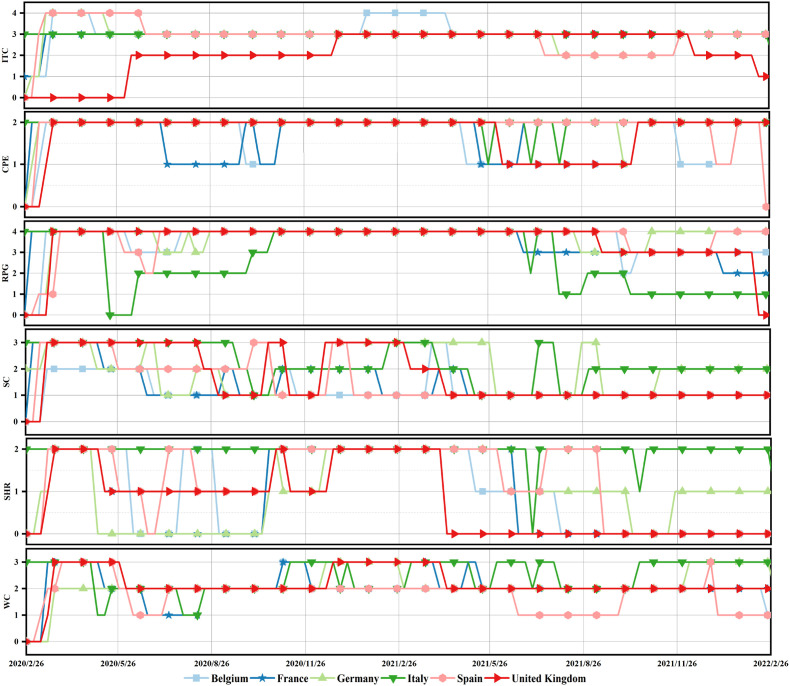
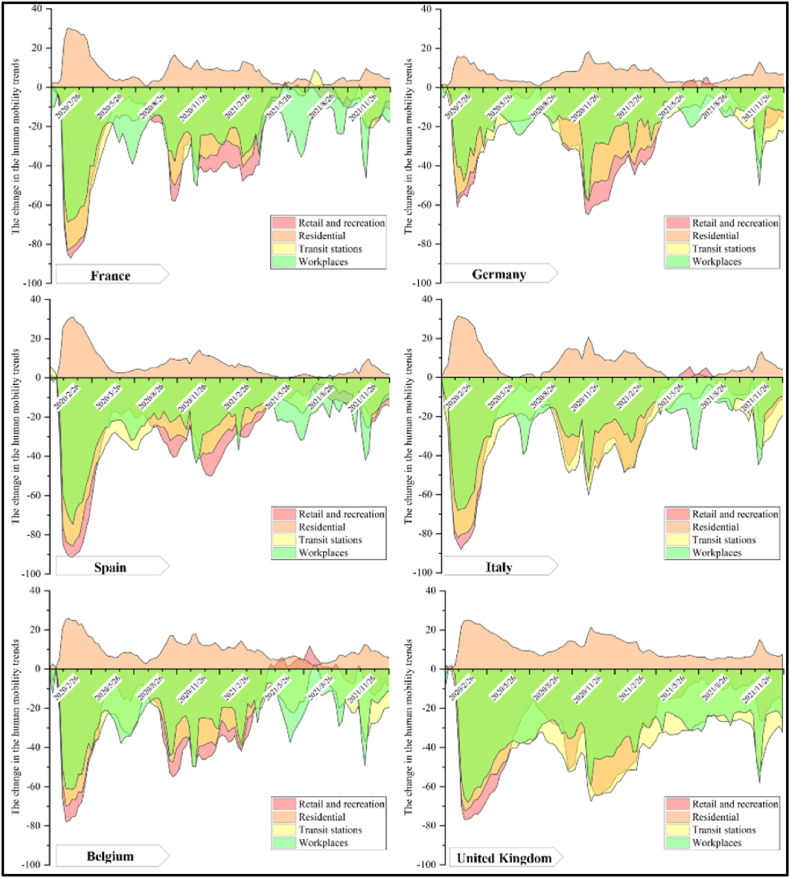
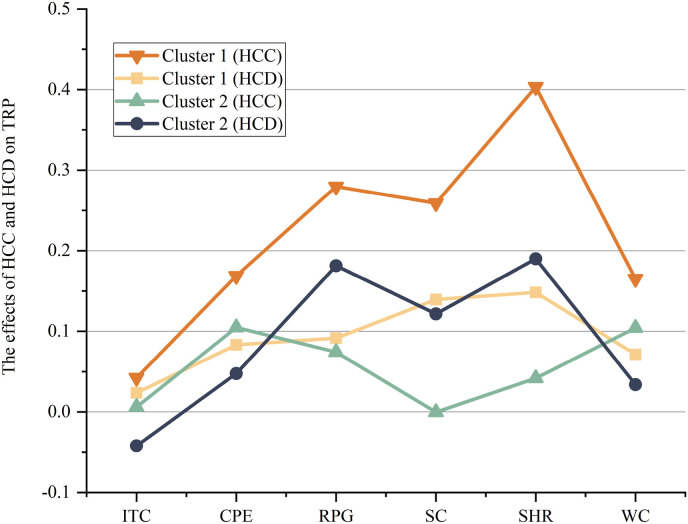
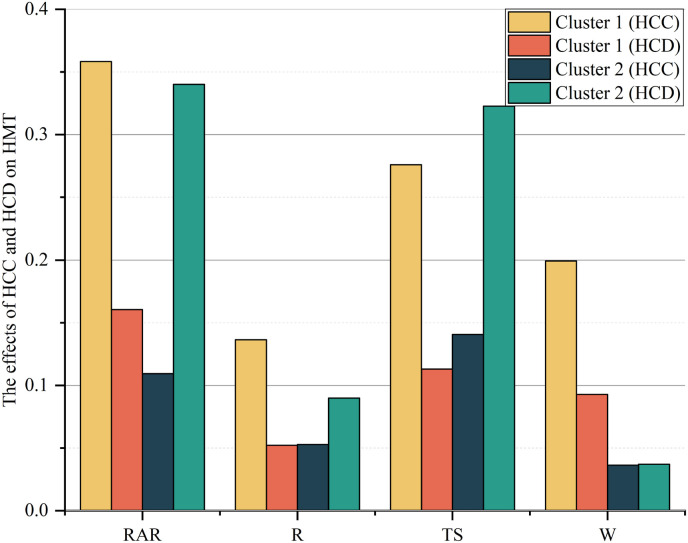
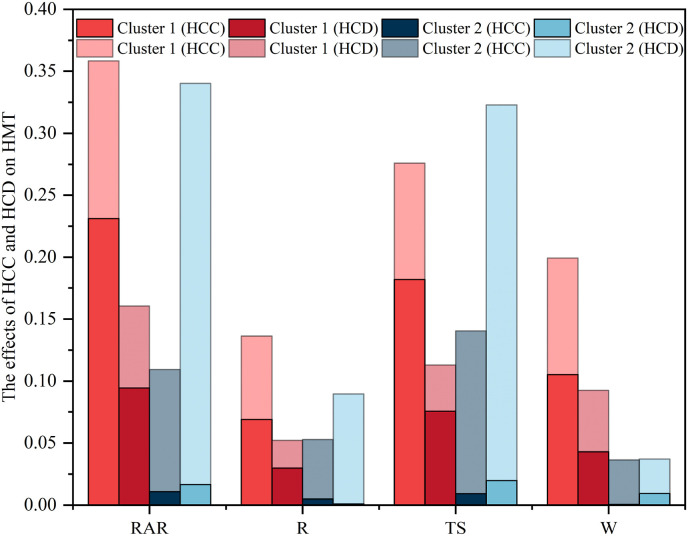
To investigate the interaction between travel restriction policies and the spread of COVID-19, we collected data on human mobility trends, population density, Gross Domestic Product (GDP) per capita, daily new confirmed cases (or deaths), and the total confirmed cases (or deaths), as well as governmental travel restriction policies from 33 countries. The data collection period was from April 2020 to February 2022, resulting in 24,090 data points. We then developed a structural causal model to describe the causal relationship between these variables. Using the Dowhy method to solve the developed model, we found several significant results that passed the refutation test. Specifically, travel restriction policies played an important role in slowing the spread of COVID-19 until May 2021. International travel controls and school closures had an impact on reducing the spread of the pandemic beyond the impact of travel restrictions. Additionally, May 2021 marked a turning point in the spread of COVID-19 as it became more infectious, but the mortality rate gradually decreased. The impact of travel restriction policies on human mobility and the pandemic diminished over time. Overall, the cancellation of public events and restrictions on public gatherings were more effective than other travel restriction policies. Our findings provide insights into the effects of travel restriction policies and travel behavioral changes on the spread of COVID-19, while controlling for informational and other confounding variables. This experience can be applied in the future to respond to emergent infectious diseases.
为了研究旅行限制政策与新冠病毒传播之间的相互作用,我们收集了33个国家的人员流动趋势、人口密度、人均国内生产总值(GDP)、每日新增确诊病例(或死亡病例)、累计确诊病例(或死亡病例)以及政府旅行限制政策的数据。数据收集期为2020年4月至2022年2月,共得到24090个数据点。然后,我们构建了一个结构因果模型来描述这些变量之间的因果关系。使用Dowhy方法求解所构建的模型,我们发现了几个通过反驳检验的显著结果。具体而言,直到2021年5月,旅行限制政策在减缓新冠病毒传播方面发挥了重要作用。国际旅行管制和学校关闭对减少疫情传播的影响超出了旅行限制的影响。此外,2021年5月是新冠病毒传播的一个转折点,其传染性增强,但死亡率逐渐下降。旅行限制政策对人员流动和疫情的影响随着时间的推移而减弱。总体而言,取消公共活动和限制公众集会比其他旅行限制政策更有效。我们的研究结果揭示了旅行限制政策和旅行行为变化对新冠病毒传播的影响,同时控制了信息及其他混杂变量。这一经验未来可应用于应对突发传染病。