Kairam Sanjay R, Mercado Melissa C, Sumner Steven A
Twitch, USA.
Division of Violence Prevention, National Center for Injury Prevention and Control, Centers for Disease Control and Prevention, USA.
Proc ACM Hum Comput Interact. 2022 Nov 11;6(CSCW2 Article No 356):1-35. doi: 10.1145/3555081.
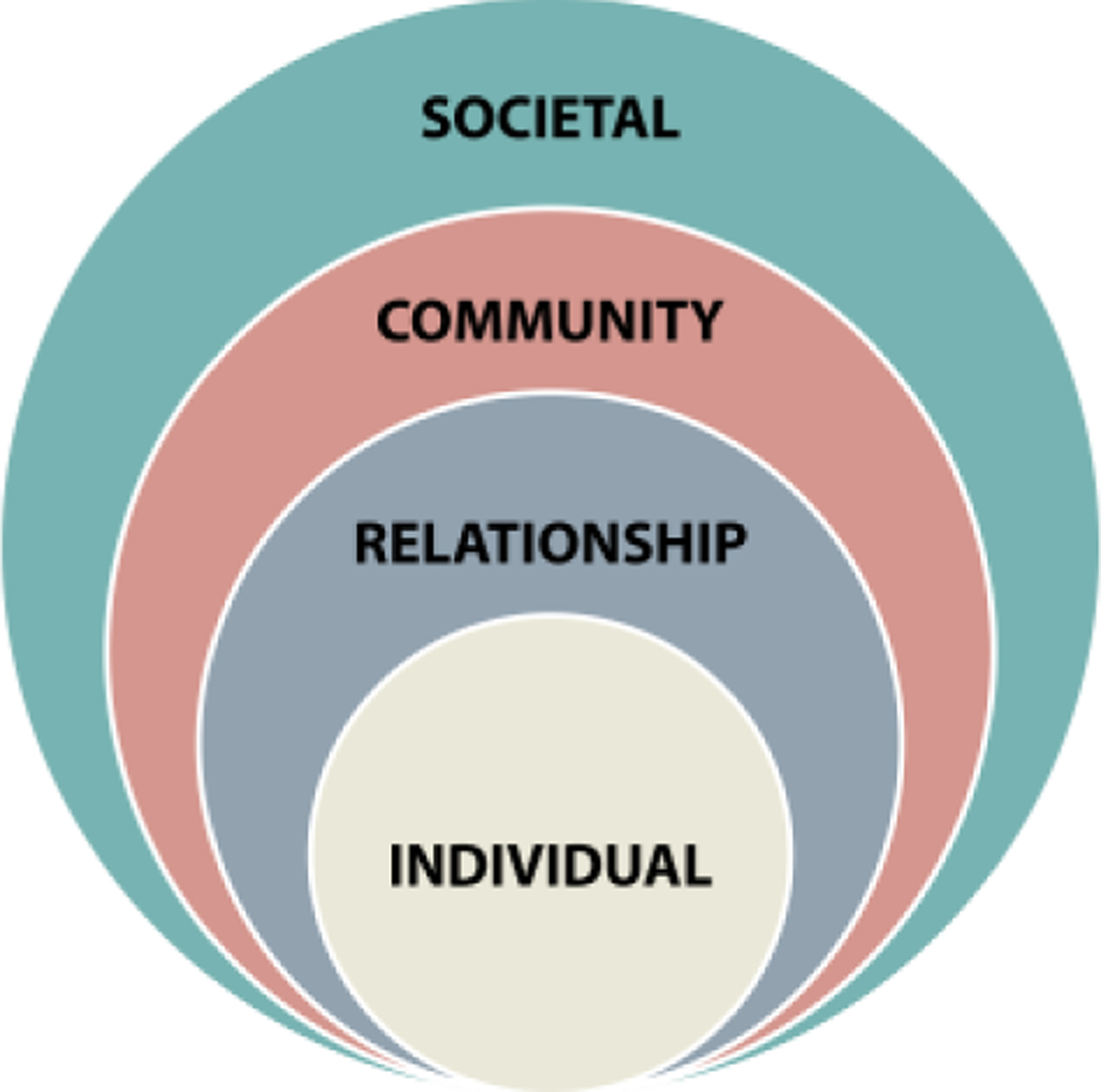
Participation in communities is essential to individual mental and physical health and can yield further benefits for members. With a growing amount of time spent participating in virtual communities, it's increasingly important that we understand how the community experience manifests in and varies across these online spaces. In this paper, we investigate Sense of Virtual Community (SOVC) in the context of live-streaming communities. Through a survey of 1,944 Twitch viewers, we identify that community experiences on Twitch vary along two primary dimensions: , a feeling of membership and support within the group, and , a feeling that the group is a well-run collective with standards for behavior. Leveraging the Social-Ecological Model, we map behavioral trace data from usage logs to various levels of the social ecology surrounding an individual user's participation within a community, in order to identify which of these can be associated with lower or higher SOVC. We find that features describing activity at the individual and community levels, but not features describing the community member's dyadic relationships, aid in predicting the SOVC that community members feel within channels. We consider implications for the design of live-streaming communities and for fostering the well-being of their members, and we consider theoretical implications for the study of SOVC in modern, interactive online contexts, particularly those fostering large-scale or pseudonymized interactions. We also explore how the Social-Ecological Model can be leveraged in other contexts relevant to Computer-Supported Cooperative Work (CSCW), with implications for future work.
参与社区对个人的身心健康至关重要,且能为成员带来更多益处。随着人们参与虚拟社区的时间越来越长,了解社区体验如何在这些在线空间中呈现以及如何变化变得越发重要。在本文中,我们在直播社区的背景下研究虚拟社区感(SOVC)。通过对1944名Twitch观众的调查,我们发现Twitch上的社区体验在两个主要维度上有所不同:一是在群体中的归属感和支持感,二是认为该群体是一个行为有规范的良好运作的集体的感觉。利用社会生态模型,我们将使用日志中的行为跟踪数据映射到围绕个体用户参与社区的社会生态的各个层面,以确定其中哪些与较低或较高的虚拟社区感相关。我们发现,描述个体和社区层面活动的特征,而非描述社区成员二元关系的特征,有助于预测社区成员在频道中感受到的虚拟社区感。我们考虑了对直播社区设计及其成员福祉提升的影响,也考虑了在现代交互式在线环境中,尤其是那些促进大规模或匿名互动的环境中研究虚拟社区感的理论意义。我们还探讨了如何在与计算机支持的协同工作(CSCW)相关的其他背景下利用社会生态模型,以及对未来工作的启示。