Chair and Department of Biochemistry and Biotechnology, Medical University of Lublin, Chodzki 1 Street, 20-093 Lublin, Poland.
Independent Laboratory of Behavioral Studies, Medical University of Lublin, Chodzki 4 a Street, 20-093 Lublin, Poland.
Int J Mol Sci. 2023 Jun 18;24(12):10295. doi: 10.3390/ijms241210295.
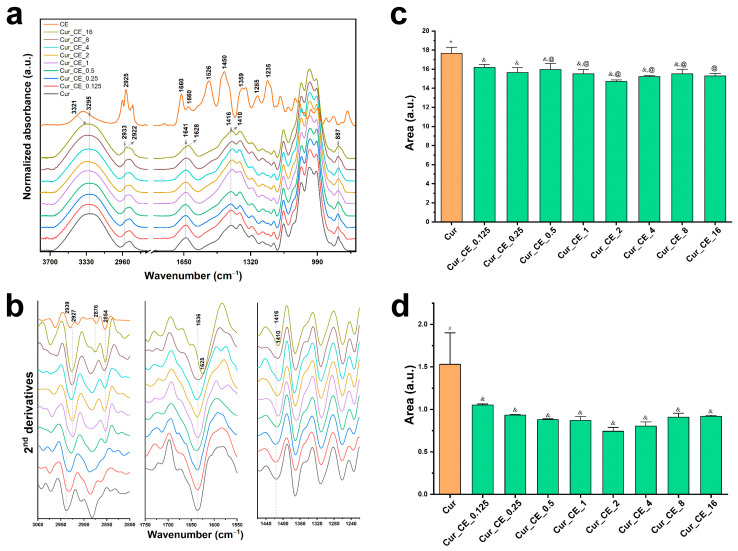
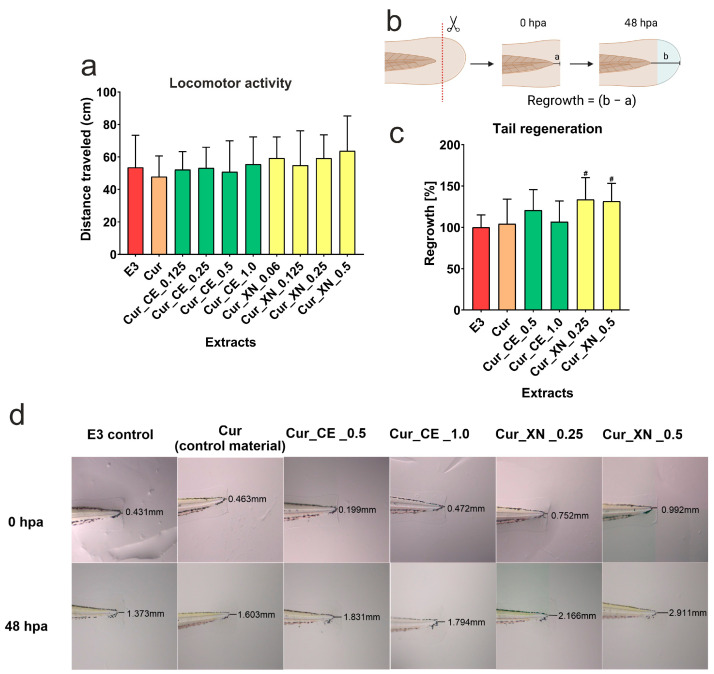
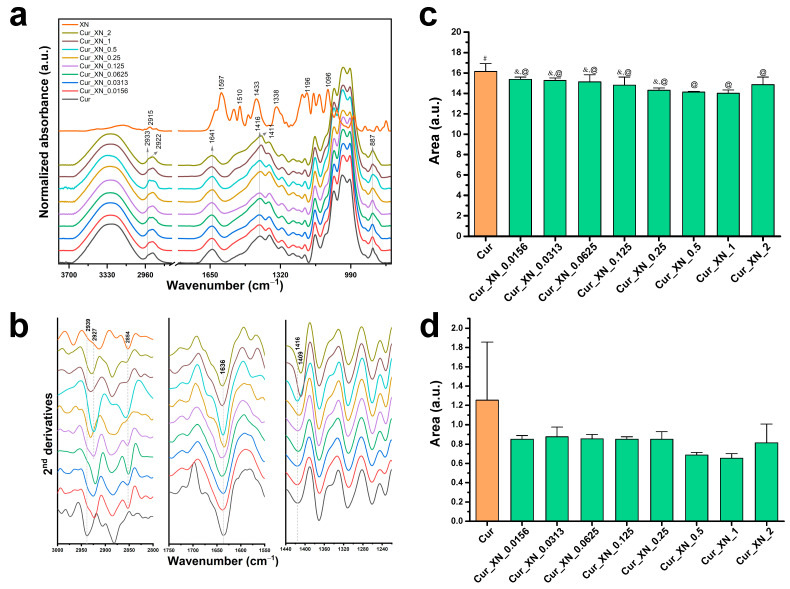
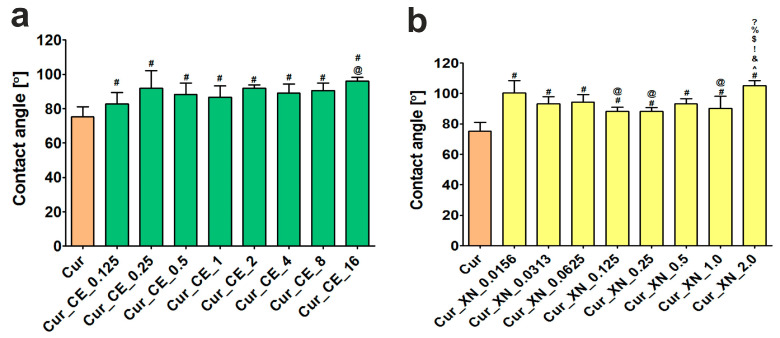
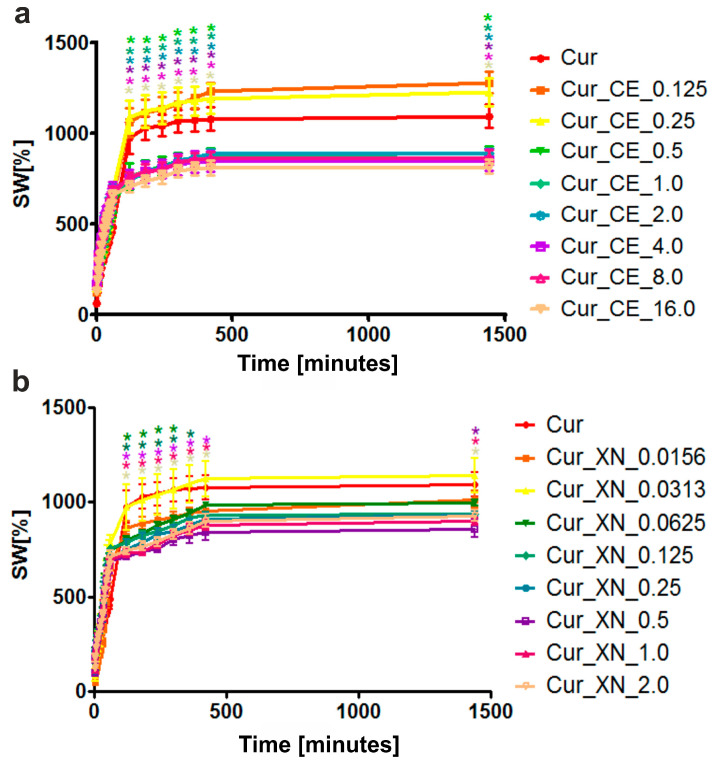
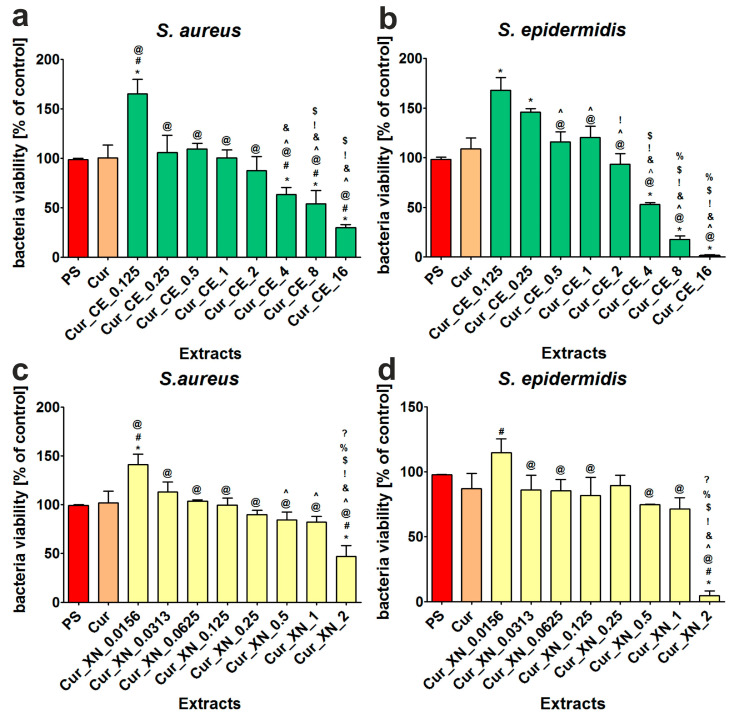
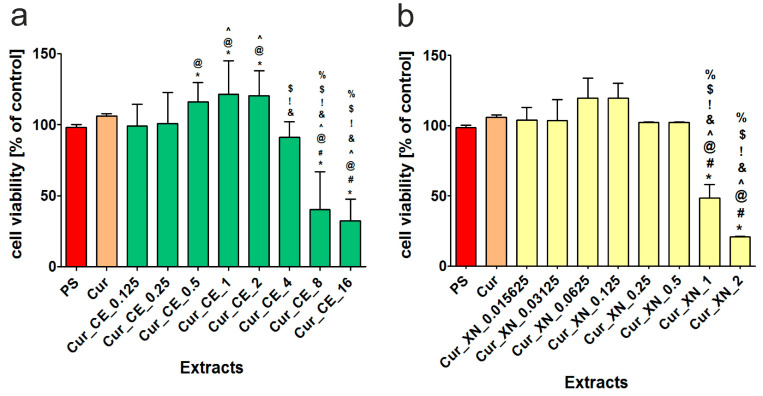
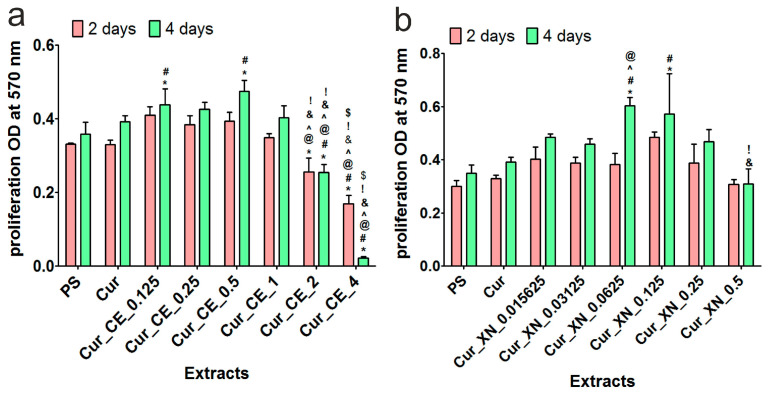
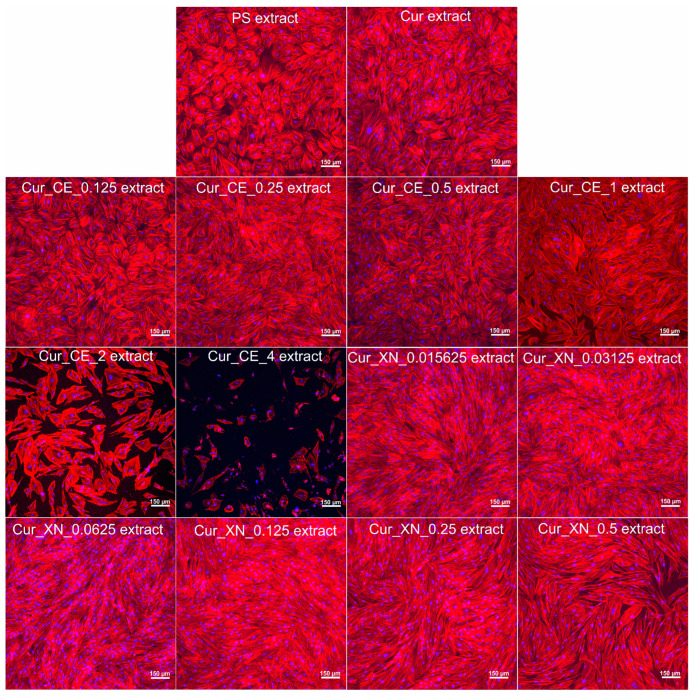
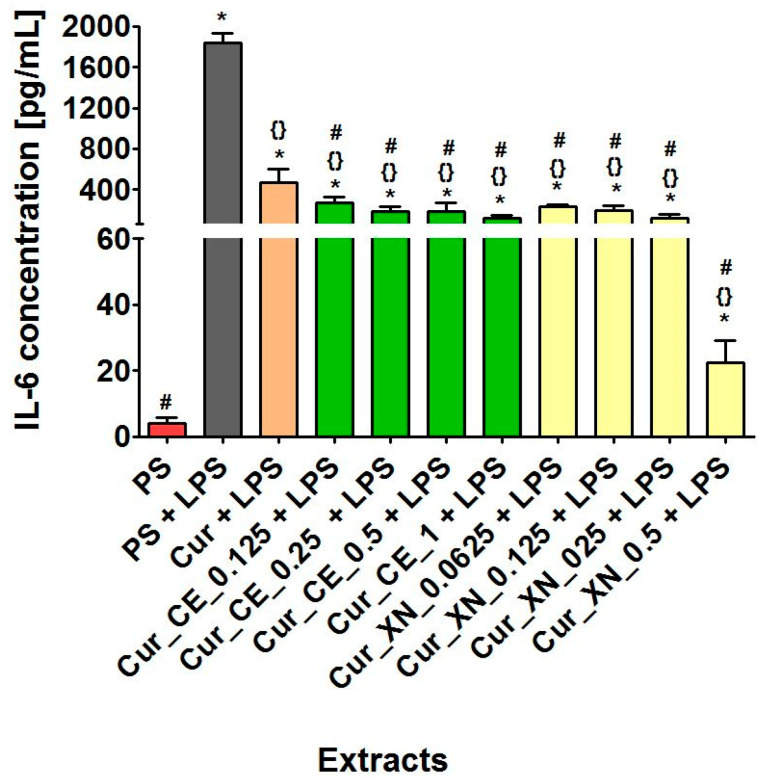
Chronic wounds, among others, are mainly characterized by prolonged inflammation associated with the overproduction of reactive oxygen species and pro-inflammatory cytokines by immune cells. As a consequence, this phenomenon hinders or even precludes the regeneration process. It is known that biomaterials composed of biopolymers can significantly promote the process of wound healing and regeneration. The aim of this study was to establish whether curdlan-based biomaterials modified with hop compounds can be considered as promising candidates for the promotion of skin wound healing. The resultant biomaterials were subjected to an evaluation of their structural, physicochemical, and biological in vitro and in vivo properties. The conducted physicochemical analyses confirmed the incorporation of bioactive compounds (crude extract or xanthohumol) into the curdlan matrix. It was found that the curdlan-based biomaterials improved with low concentrations of hop compounds possessing satisfactory hydrophilicity, wettability, porosity, and absorption capacities. In vitro, tests showed that these biomaterials were non-cytotoxic, did not inhibit the proliferation of skin fibroblasts, and had the ability to inhibit the production of pro-inflammatory interleukin-6 by human macrophages stimulated with lipopolysaccharide. Moreover, in vivo studies showed that these biomaterials were biocompatible and could promote the regeneration process after injury (study on larvae model). Thus, it is worth emphasizing that this is the first paper demonstrating that a biomaterial based on a natural biopolymer (curdlan) improved with hop compounds may have biomedical potential, especially in the context of skin wound healing and regeneration.
慢性伤口的主要特征之一是炎症持续时间延长,这与免疫细胞中超氧化物和促炎细胞因子的过度产生有关。因此,这种现象会阻碍甚至阻止再生过程。众所周知,由生物聚合物组成的生物材料可以显著促进伤口愈合和再生过程。本研究的目的是确定是否可以将经过修饰的基于卡拉胶的生物材料与啤酒花化合物视为促进皮肤伤口愈合的有前途的候选物。对所得生物材料的结构、物理化学和体外及体内生物性能进行了评估。进行的物理化学分析证实了生物活性化合物(粗提取物或黄腐酚)已掺入卡拉胶基质中。结果发现,经过低浓度啤酒花化合物修饰的卡拉胶基生物材料具有令人满意的亲水性、润湿性、多孔性和吸收能力。体外试验表明,这些生物材料无细胞毒性,不会抑制皮肤成纤维细胞的增殖,并且具有抑制脂多糖刺激的人巨噬细胞产生促炎细胞因子白细胞介素-6的能力。此外,体内研究表明,这些生物材料具有生物相容性,并能促进损伤后的再生过程(在幼虫模型上进行的研究)。因此,值得强调的是,这是第一篇证明基于天然生物聚合物(卡拉胶)的生物材料经啤酒花化合物修饰后可能具有生物医学潜力的论文,特别是在皮肤伤口愈合和再生方面。