Kodipalli Ashwini, Fernandes Steven L, Gururaj Vaishnavi, Varada Rameshbabu Shriya, Dasar Santosh
Department of Artificial Intelligence & Data Science, Global Academy of Technology, Bangalore 560098, India.
Department of Computer Science, Design, Journalism, Creighton University, Omaha, NE 68178, USA.
Diagnostics (Basel). 2023 Jul 5;13(13):2282. doi: 10.3390/diagnostics13132282.
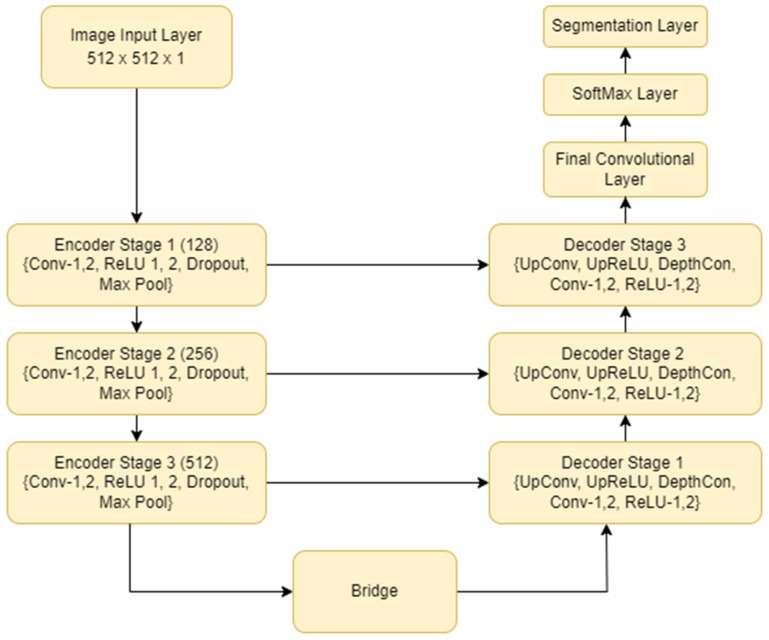
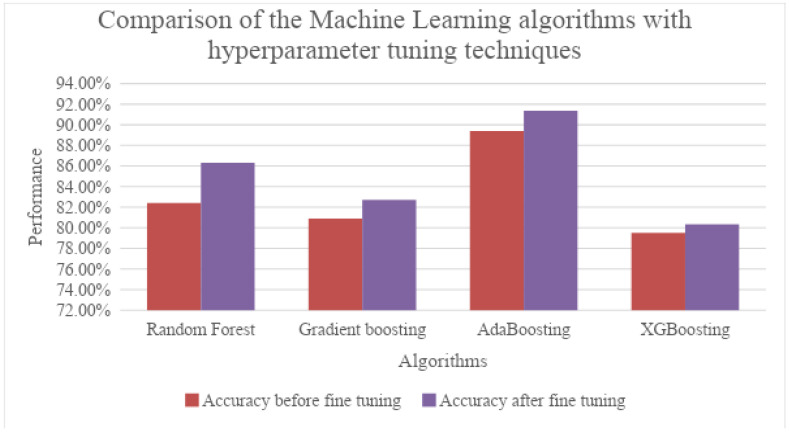
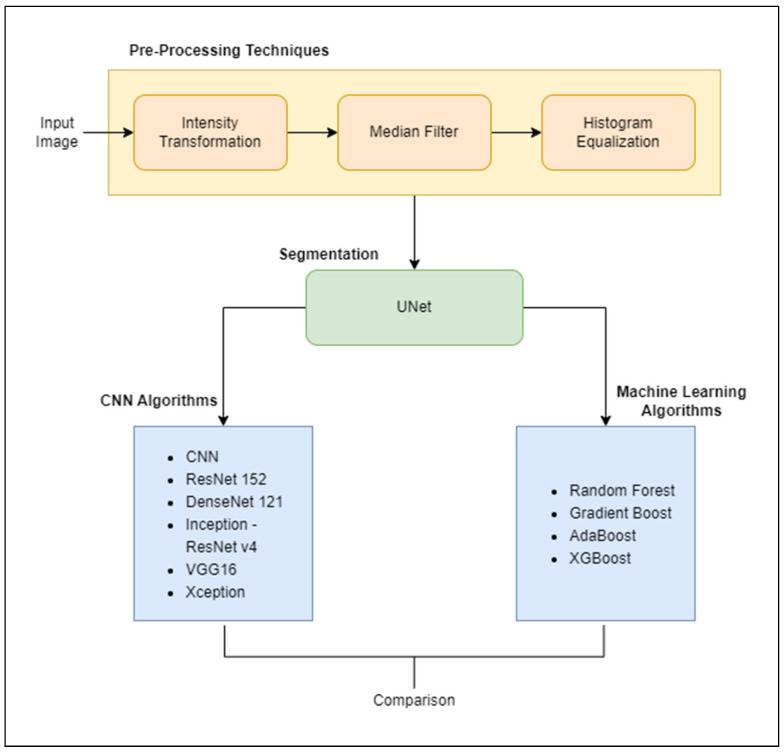
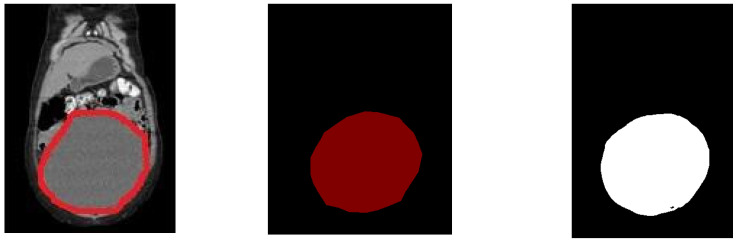
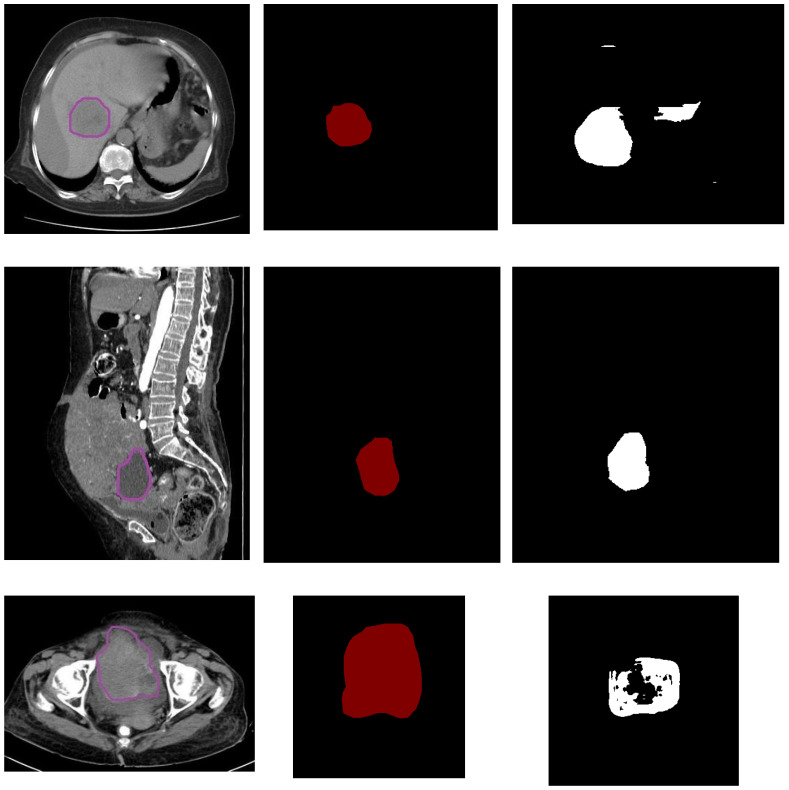
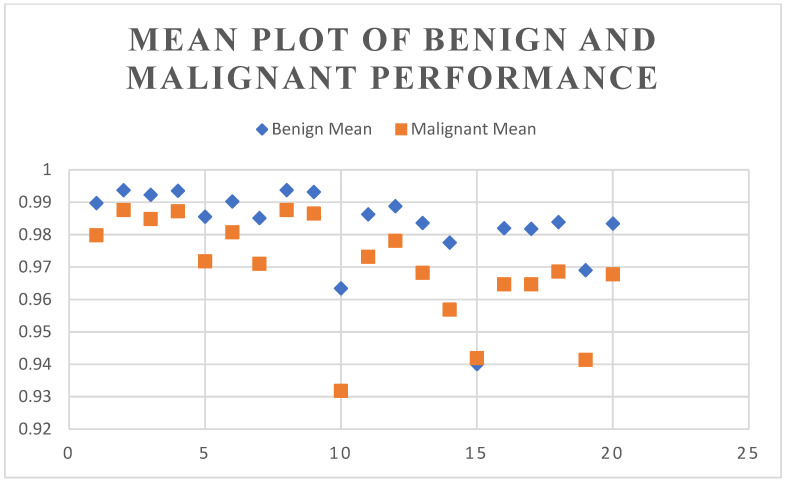
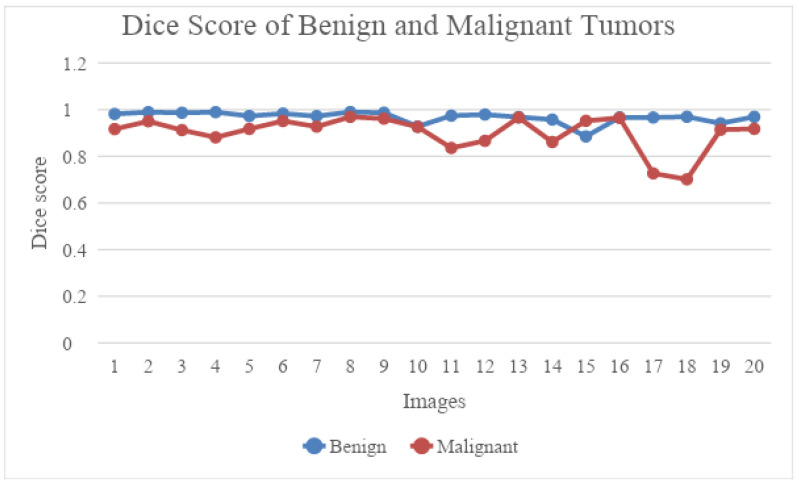
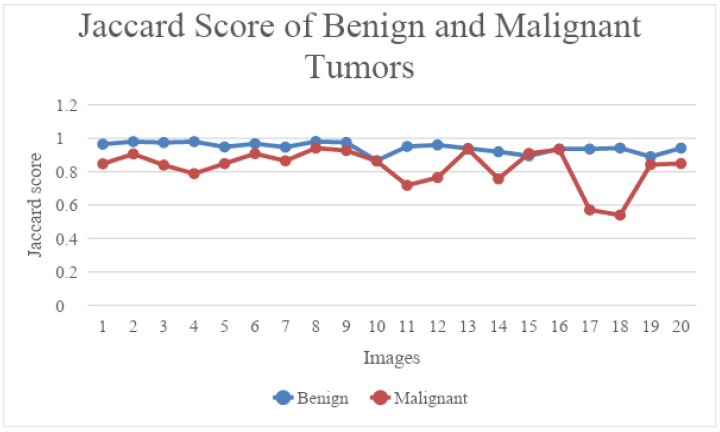
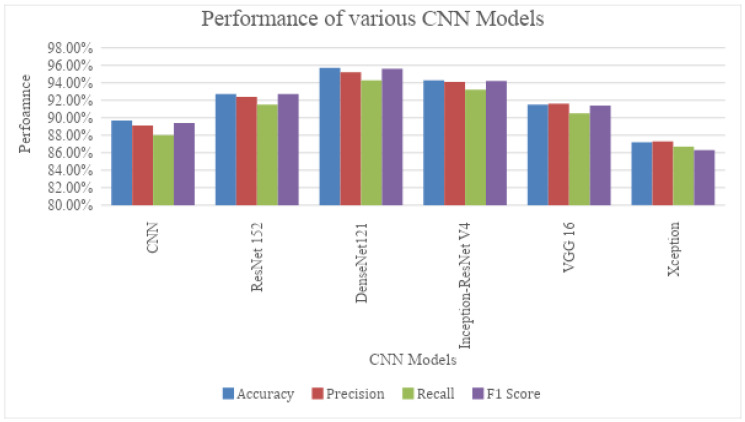
Difficulty in detecting tumours in early stages is the major cause of mortalities in patients, despite the advancements in treatment and research regarding ovarian cancer. Deep learning algorithms were applied to serve the purpose as a diagnostic tool and applied to CT scan images of the ovarian region. The images went through a series of pre-processing techniques and, further, the tumour was segmented using the UNet model. The instances were then classified into two categories-benign and malignant tumours. Classification was performed using deep learning models like CNN, ResNet, DenseNet, Inception-ResNet, VGG16 and Xception, along with machine learning models such as Random Forest, Gradient Boosting, AdaBoosting and XGBoosting. DenseNet 121 emerges as the best model on this dataset after applying optimization on the machine learning models by obtaining an accuracy of 95.7%. The current work demonstrates the comparison of multiple CNN architectures with common machine learning algorithms, with and without optimization techniques applied.
尽管在卵巢癌的治疗和研究方面取得了进展,但早期肿瘤难以检测仍是患者死亡的主要原因。深度学习算法被用作诊断工具,并应用于卵巢区域的CT扫描图像。这些图像经过了一系列预处理技术,然后使用UNet模型对肿瘤进行分割。接着将实例分为两类——良性肿瘤和恶性肿瘤。使用CNN、ResNet、DenseNet、Inception-ResNet、VGG16和Xception等深度学习模型以及随机森林、梯度提升、AdaBoosting和XGBoosting等机器学习模型进行分类。在对机器学习模型进行优化后,DenseNet 121在该数据集上成为最佳模型,准确率达到95.7%。当前的工作展示了在应用和未应用优化技术的情况下,多种CNN架构与常见机器学习算法的比较。